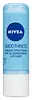
This barrier-repair lip moisturizer is formulated around Ricinus Communis Seed Oil and Butyrospermum Parkii Butter to strengthen the lip barrier and hydrate lips.
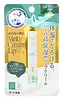
This barrier-repair lip moisturizer is formulated around Squalane and Petrolatum to strengthen the lip barrier and hydrate lips.


What's inside
What's inside
 Key Ingredients
Benefits
Concerns
Ingredients Side-by-side
Butyl Methoxydibenzoylmethane 2.5%
UV Absorber
Octocrylene 7%
UV Absorber


Octyldodecanol
Emollient
Hydrogenated Rapeseed Oil
Emollient


Beeswax
Emulsion Stabilising

Cetyl Palmitate
Emollient
Ricinus Communis Seed Oil
Masking

Polyglyceryl-3 Diisostearate
Emulsifying
Butyrospermum Parkii Butter
Skin Conditioning
Glycerin
Humectant
Water
Skin ConditioningSimmondsia Chinensis Seed Oil
Emollient
Persea Gratissima Oil
Skin Conditioning
Aloe Barbadensis Leaf Juice
Skin Conditioning

Aroma

BHT
Antioxidant
Butyl Methoxydibenzoylmethane 2.5%, Octocrylene 7%, Octyldodecanol, Hydrogenated Rapeseed Oil, Beeswax, Cetyl Palmitate, Ricinus Communis Seed Oil, Polyglyceryl-3 Diisostearate, Butyrospermum Parkii Butter, Glycerin, Water, Simmondsia Chinensis Seed Oil, Persea Gratissima Oil, Aloe Barbadensis Leaf Juice, Aroma, BHT
Squalane
Emollient
Petrolatum
Emollient
Paraffin
Skin Conditioning
Paraffinum Liquidum
Emollient
Hydrogenated Polyisobutene
EmollientDiisostearyl Malate
EmollientEthylhexyl Methoxycinnamate
UV Absorber
Dipentaerythrityl Hexahydroxystearate/Hexastearate/Hexarosinate
Skin ConditioningMicrocrystalline Wax
Emulsion StabilisingButyrospermum Parkii Butter
Skin Conditioning
Polyglyceryl-2 Diisostearate
Emulsifying
Phytosteryl Macadamiate
Skin Conditioning
Ceramide NP
Skin Conditioning
Ceramide Ns
Skin Conditioning
Ceramide AP
Skin Conditioning
Honey
Humectant
Persea Gratissima Oil
Skin Conditioning
Macadamia Ternifolia Seed Oil
Emollient
Olea Europaea Fruit Oil
Masking
Simmondsia Chinensis Seed Oil
Emollient
Butyl Methoxydibenzoylmethane
UV Absorber
Dipropylene Glycol
HumectantVp/Eicosene Copolymer
Polyglyceryl-4 Oleate
Emulsifying
Cholesterol
Emollient
Argania Spinosa Kernel Oil
Emollient

Tocopheryl Acetate
Antioxidant

Synthetic Wax
Abrasive
Iron Oxides
Water
Skin ConditioningHydrogenated Lecithin
Emulsifying
Glycine Soja Sterols
Emollient
Isopropyl Titanium Triisostearate
Emollient
Butylene Glycol
Humectant
Royal Jelly Extract
Skin Conditioning
Camellia Sinensis Leaf Extract
Antimicrobial
Epigallocatechin Gallate
Antioxidant
Parfum
Masking
Ultramarines
CI 19140
Cosmetic ColorantSqualane, Petrolatum, Paraffin, Paraffinum Liquidum, Hydrogenated Polyisobutene, Diisostearyl Malate, Ethylhexyl Methoxycinnamate, Dipentaerythrityl Hexahydroxystearate/Hexastearate/Hexarosinate, Microcrystalline Wax, Butyrospermum Parkii Butter, Polyglyceryl-2 Diisostearate, Phytosteryl Macadamiate, Ceramide NP, Ceramide Ns, Ceramide AP, Honey, Persea Gratissima Oil, Macadamia Ternifolia Seed Oil, Olea Europaea Fruit Oil, Simmondsia Chinensis Seed Oil, Butyl Methoxydibenzoylmethane, Dipropylene Glycol, Vp/Eicosene Copolymer, Polyglyceryl-4 Oleate, Cholesterol, Argania Spinosa Kernel Oil, Tocopheryl Acetate, Synthetic Wax, Iron Oxides, Water, Hydrogenated Lecithin, Glycine Soja Sterols, Isopropyl Titanium Triisostearate, Butylene Glycol, Royal Jelly Extract, Camellia Sinensis Leaf Extract, Epigallocatechin Gallate, Parfum, Ultramarines, CI 19140
Reviews
Ingredients Explained
These ingredients are found in both products.
Ingredients higher up in an ingredient list are typically present in a larger amount.
Also known as Avobenzone, this ingredient is an oil-soluble used to absorb the full spectrum of UVA rays (peak 357 nm).
It's one of the most effective UVA filters available but has a major caveat of photostability: avobenzone is susceptible to photodegradation.
This means it can lose efficacy when exposed to sunlight without the help of a stabilizing agent.
Studies show antioxidants (like vitamin E or vitamin C) and some UV filters (like octocrylene and Tinosorb S) can meaningfully improve its stability in a formulation.
The maximum allowable concentration according to regulation is 3% in the US + Canada, and 5% in the EU, Australia, China, Korea, and ASEAN countries.
It has a well-support safety profile: a comprehensive 2025 review found minimal toxicity with no evidence of carcinogenicity.
Overall, avobenzone is a safe and regulated ingredient used in sunscreen for over 40 years.
Learn more about Butyl MethoxydibenzoylmethaneThis ingredient is also known as shea butter. It is a plant-derived extract from the nuts of the Africa shea tree and one of the most well-studied emollients.
Because it has a high concentration of fatty acids (primarily oleic, stearic, and linoleic) it is able to form a protective barrier on the skin's surface. This helps seal in moisture and prevents transepidermal water loss (TEWL).
In vitro research found an increase in skin hydration by 58% and a decrease in TEWL by 37.8% after 24 hours of applying this ingredient (pretty impressive for a single ingredient!).
Besides hydration, shea butter also contains triterpenes that have anti-inflammatory potential. In particule, lupeol cinnamate has shown the highest anti-inflammatory activity in vivo.
Shea butter also contains vitamins A and E which may contribute to antioxidant activity.
While Shea Butter has an SPF rating of about 3-4, it is not a sunscreen replacement.
This ingredient may not be fungal acne safe because its fatty acids fall within the C11-C24 range that the Malassezia yeast can metabolize.
This ingredient shows up on a lot of "pore-clogging" lists but there's no real evidence behind that. It doesn't even have a comedogenic rating from an actual study; the numbers you'll find online come from blogs citing other blogs.
Ratings for other ingredients mostly come from a 1980s rabbit ear test. This test doesn't translate well to human skin or to real products because the ingredient sits at a much lower percentage.
Some people still find it breaks them out. So if that's you, definitely trust your skin. Just know this one's based on experience and not evidence.
Learn more about Butyrospermum Parkii ButterThis ingredient is also known as Avocado oil. It's the cold-pressed oil from the flesh of the avocado fruit packed with fatty acids (mostly oleic acid).
The rich fatty acid profile allows it to function as a skin conditioning agent and emollient; it helps soften and smooth skin while reducing water loss.
Preclinical research has found that topical avocado oil increased collagen synthesis and reduced inflammation during wound healing, giving it some skin-repairing credibility.
The unsaponifiable fraction of the oil is also interesting: studies on avocado unsaponifiables showed that it helped skin produce more collagen and other structural compounds that support healing.
The CIR Expert Panel has found this ingredient to be non-irritating in formulations.
This ingredient may not be fungal acne safe. This is because the oleic acid content falls within the range that Malassezia can use as a food source.
This ingredient does have a comedogenic rating of 0-3, but this doesn't mean a formula with this ingredient will clog pores. Human testing has proved that any finished product with a comedogenic ingredient won't automatically make you break out; it really comes down to concentration, formula, and your skin.
Learn more about Persea Gratissima OilJojoba oil is one of the most well-studied plant-derived ingredients in cosmetics. It is an emollient with a special structure.
Because it is made up of 97-98% wax esters, it closely mirrors the linear monoesters found in human sebum. This makes it skin compatible, non-greasy, and lightweight.
Unlike other plant oils, jojoba wax doesn't easily penetrate skin. It mostly works in the uppermost layers as an emollient. This just means it forms a light barrier on the skin to help retain moisture.
Formulations with jojoba esters up to 90% reduced transepidermal water loss (TEWL) and increased barrier recovery by 81% (outperforming bisabolol at 47%).
Besides barrier support, the science also suggests jojoba to have anti-inflammatory effects and potential applications for skin infections, aging, and wound healing.
Fun fact: Indigenous cultures have used jojoba as a moisturizer and to help treat burns for centuries.
Fungal acne: The Malassezia yeast is known to metabolize fatty acids in the C11-24 range and jojoba's dominant fatty acid components fall into this range. This ingredient may not be fungal acne safe.
Learn more about Simmondsia Chinensis Seed OilWater. It's the most common cosmetic ingredient of all. You'll usually see it at the top of ingredient lists, meaning that it makes up the largest part of the product.
So why is it so popular? Water most often acts as a solvent - this means that it helps dissolve other ingredients into the formulation.
You'll also recognize water as that liquid we all need to stay alive. If you see this, drink a glass of water. Remember to stay hydrated!
Learn more about Water

