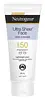
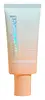
Neutrogena Ultra Sheer Face Lotion Sunscreen SPF 50 Versus Barefaced Sunkissed Illuminating Sunscreen SPF 30 PA+++

What's inside
What's inside
 Key Ingredients
Benefits
Concerns
Ingredients Side-by-side
Bis-Ethylhexyloxyphenol Methoxyphenyl Triazine
Skin Conditioning
Butyl Methoxydibenzoylmethane
UV Absorber
Ethylhexyl Triazone
UV Absorber
Homosalate
Skin Conditioning
Octocrylene
UV Absorber

Ethylhexyl Salicylate
UV Absorber
Butylene Glycol
Humectant

Acrylates/C10-30 Alkyl Acrylate Crosspolymer
Emulsion StabilisingC12-15 Alkyl Benzoate
AntimicrobialBisabolol
Antioxidant



Capryloyl Glycine
CleansingCaprylyl Glycol
Emollient
Cedrus Atlantica Wood Oil
Perfuming


Cetyl Dimethicone
Emollient
Cinnamomum Zeylanicum Bark Oil
Masking
Cocoglycerides
Emollient

Silica
Abrasive


Dibutyl Adipate
EmollientDisodium EDTA
Tocopheryl Acetate
Antioxidant

Glycerin
Humectant
Hexylene Glycol
EmulsifyingMethylparaben
Preservative

Caprylhydroxamic Acid
PEG-15 Cocamine
EmulsifyingPEG-40 Stearate
Emulsifying
Phenoxyethanol
Preservative
Polymethylsilsesquioxane
Portulaca Oleracea Extract
Skin Conditioning
Propylparaben
Preservative
Propylene Glycol
Humectant
Water
Skin ConditioningSarcosine
Skin Conditioning
Sodium Hydroxide
BufferingTapioca Starch
Cera Alba
Emollient

Bis-Ethylhexyloxyphenol Methoxyphenyl Triazine, Butyl Methoxydibenzoylmethane, Ethylhexyl Triazone, Homosalate, Octocrylene, Ethylhexyl Salicylate, Butylene Glycol, Acrylates/C10-30 Alkyl Acrylate Crosspolymer, C12-15 Alkyl Benzoate, Bisabolol, Capryloyl Glycine, Caprylyl Glycol, Cedrus Atlantica Wood Oil, Cetyl Dimethicone, Cinnamomum Zeylanicum Bark Oil, Cocoglycerides, Silica, Dibutyl Adipate, Disodium EDTA, Tocopheryl Acetate, Glycerin, Hexylene Glycol, Methylparaben, Caprylhydroxamic Acid, PEG-15 Cocamine, PEG-40 Stearate, Phenoxyethanol, Polymethylsilsesquioxane, Portulaca Oleracea Extract, Propylparaben, Propylene Glycol, Water, Sarcosine, Sodium Hydroxide, Tapioca Starch, Cera Alba
Water
Skin ConditioningAloe Barbadensis Leaf Juice
Skin Conditioning
Cucumis Sativus Fruit Extract
Emollient
Glycerin
Humectant
Butyl Methoxydibenzoylmethane
UV Absorber
Octocrylene
UV Absorber
Ethylhexyl Methoxycinnamate
UV Absorber
Polyacrylate Crosspolymer-11
Emulsion StabilisingStearic Acid
Cleansing
Dimethicone
Emollient
Cyclopentasiloxane
Emollient
Sodium PCA
Humectant
Hyaluronic Acid
Humectant

Centella Asiatica Extract
Cleansing
Camellia Sinensis Leaf Extract
Antimicrobial
Dipotassium Glycyrrhizate
Humectant
Isopropyl Myristate
Emollient
Niacinamide
Smoothing


PEG-40 Hydrogenated Castor Oil
Emulsifying
Carbomer
Emulsion StabilisingHydrolyzed Collagen
Emollient
Tocopherol
Antioxidant
Phenoxyethanol
Preservative
Ethylhexylglycerin
Skin ConditioningWater, Aloe Barbadensis Leaf Juice, Cucumis Sativus Fruit Extract, Glycerin, Butyl Methoxydibenzoylmethane, Octocrylene, Ethylhexyl Methoxycinnamate, Polyacrylate Crosspolymer-11, Stearic Acid, Dimethicone, Cyclopentasiloxane, Sodium PCA, Hyaluronic Acid, Centella Asiatica Extract, Camellia Sinensis Leaf Extract, Dipotassium Glycyrrhizate, Isopropyl Myristate, Niacinamide, PEG-40 Hydrogenated Castor Oil, Carbomer, Hydrolyzed Collagen, Tocopherol, Phenoxyethanol, Ethylhexylglycerin
Reviews
Ingredients Explained
These ingredients are found in both products.
Ingredients higher up in an ingredient list are typically present in a larger amount.
Also known as Avobenzone, this ingredient is a chemical sunscreen filter that provides protection in the UV-A range.
Avobenzone is globally approved and is the most commonly used UV-A filter in the world.
Studies have found that avobenzone becomes ineffective when exposed to UV light (it is not photostable; meaning that it breaks down in sunlight). Because of this, formulations that include avobenzone will usually contain stabilizers such as octocrylene.
However, some modern formulations (looking at you, EU!) are able to stabilize avobenzone by coating the molecules.
Avobenzone does not protect against the UV-B range, so it's important to check that the sunscreen you're using contains other UV filters that do!
The highest concentration of avobenzone permitted is 3% in the US, and 5% in the EU.
Learn more about Butyl MethoxydibenzoylmethaneGlycerin (or glycerol) is a compound naturally found in your skin. It's a powerhouse humectant that pulls water into the stratum corneum.
Topically, glycerin does several things at once:
Your skin makes glycerin on its own (mostly from sebaceous oil breakdown) and shuttles it to your outermost layer of skin, or your epidermis, via aquaporin-3.
Aquaporin-3 is a transporter that is essential for normal skin hydration, elasticity, and repair. Interestingly, mice lacking in AQP3 have dry and less elastic skin that can be fully corrected with glycerin.
This ingredient is non-irritating, plays well with almost every ingredient, and works across all skin types. Typical use is anywhere between 3-10% but can go up to 79% in some leave-on products.
Just know very high concentrations (>40%) can feel tacky in low humidity.
Glycerin is the name for this ingredient in American English. British English uses Glycerol/Glycerine.
Learn more about GlycerinOctocrylene protects skin from sun damage. It absorbs UV-B with peak absorption of 304 nm. It is a common sunscreen ingredient and often paired with avobenzone, a UVA filter. This is because octocrylene stabilizes other sunscreen ingredients by protecting them from degradation when exposed to sunlight. Octocrylene is a photostable ingredient and loses about 10% of SPF in 95 minutes.
Octocrylene also acts as an emollient, meaning it helps skin retain moisture and softens skin. It is oil-soluble and hydrophobic, enhancing water-resistant properties in a product.
Those who are using ketoprofen, a topical anti-inflammatory drug, may experience an allergic reaction when using octocrylene. It is best to speak with a healthcare professional about using sunscreens with octocrylene.
The EU allows a maximum of these concentrations:
Learn more about OctocrylenePhenoxyethanol is a preservative that has germicide, antimicrobial, and aromatic properties. Studies show that phenoxyethanol can prevent microbial growth. By itself, it has a scent that is similar to that of a rose.
It's often used in formulations along with Caprylyl Glycol to preserve the shelf life of products.
Water. It's the most common cosmetic ingredient of all. You'll usually see it at the top of ingredient lists, meaning that it makes up the largest part of the product.
So why is it so popular? Water most often acts as a solvent - this means that it helps dissolve other ingredients into the formulation.
You'll also recognize water as that liquid we all need to stay alive. If you see this, drink a glass of water. Remember to stay hydrated!
Learn more about Water
