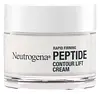
This anti-aging moisturizer is formulated around Gluconolactone and Glycolic Acid to soften the look of wrinkles and refine skin texture.
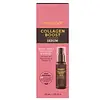
This anti-aging serum is formulated around Niacinamide and Acetyl Glucosamine to soften the look of wrinkles and strengthen the skin barrier.

What's inside
What's inside
 Key Ingredients
Benefits
Concerns
Ingredients Side-by-side
Water
Skin ConditioningIsohexadecane
EmollientCaprylic/Capric Triglyceride
Masking


Gluconolactone
Chelating







Glycerin
Humectant
Propanediol
Solvent
Ammonium Acryloyldimethyltaurate/Vp Copolymer
Hydrogenated Palm Kernel Glycerides
EmollientGlycolic Acid
Buffering




Glyceryl Stearate Se
Emulsifying



Glyceryl Dilaurate
Emollient
Acetyl Dipeptide-31 Amide
Skin Conditioning
Dimethicone
Emollient
Acetyl Tyrosinamide
Skin ConditioningButyrospermum Parkii Butter
Skin Conditioning
Cetearyl Alcohol
Emollient
Dimethicone/Bis-Isobutyl PPG-20 Crosspolymer
Emollient
C12-15 Alkyl Benzoate
AntimicrobialStearalkonium Hectorite
Gel FormingPEG-100 Stearate
Surfactant
Steareth-10
Emulsifying
Biosaccharide Gum-1
Humectant
Methyl Decenol
Masking

Hydrogenated Palm Glycerides
Emollient
Isocetyl Stearoyl Stearate
Emollient
Tocopheryl Acetate
Antioxidant

Dimethicone/Vinyl Dimethicone Crosspolymer
Skin Conditioning
Hydroxyethyl Acrylate/Sodium Acryloyldimethyl Taurate Copolymer
Emulsion StabilisingSqualane
Emollient
Isostearic Acid
Cleansing
Propylene Carbonate
SolventGlyceryl Stearate
Emollient
Sclerotium Gum
Emulsion StabilisingCaprylyl Glycol
Emollient
PEG-40 Stearate
Emulsifying
Sodium Hydroxide
BufferingPolysorbate 60
Emulsifying
Isopropyl Myristate
Emollient
Ceteareth-20
Cleansing
Isobutyl Methyl Tetrahydropyranol
MaskingSorbitan Isostearate
Emulsifying
Isoceteth-10
EmulsifyingSilica
Abrasive
Disodium EDTA
ChelatingMethyldihydrojasmonate
MaskingEthylene Brassylate
MaskingPhenoxyethanol
Preservative
Chlorphenesin
Antimicrobial
Water, Isohexadecane, Caprylic/Capric Triglyceride, Gluconolactone, Glycerin, Propanediol, Ammonium Acryloyldimethyltaurate/Vp Copolymer, Hydrogenated Palm Kernel Glycerides, Glycolic Acid, Glyceryl Stearate Se, Glyceryl Dilaurate, Acetyl Dipeptide-31 Amide, Dimethicone, Acetyl Tyrosinamide, Butyrospermum Parkii Butter, Cetearyl Alcohol, Dimethicone/Bis-Isobutyl PPG-20 Crosspolymer, C12-15 Alkyl Benzoate, Stearalkonium Hectorite, PEG-100 Stearate, Steareth-10, Biosaccharide Gum-1, Methyl Decenol, Hydrogenated Palm Glycerides, Isocetyl Stearoyl Stearate, Tocopheryl Acetate, Dimethicone/Vinyl Dimethicone Crosspolymer, Hydroxyethyl Acrylate/Sodium Acryloyldimethyl Taurate Copolymer, Squalane, Isostearic Acid, Propylene Carbonate, Glyceryl Stearate, Sclerotium Gum, Caprylyl Glycol, PEG-40 Stearate, Sodium Hydroxide, Polysorbate 60, Isopropyl Myristate, Ceteareth-20, Isobutyl Methyl Tetrahydropyranol, Sorbitan Isostearate, Isoceteth-10, Silica, Disodium EDTA, Methyldihydrojasmonate, Ethylene Brassylate, Phenoxyethanol, Chlorphenesin
Maris Aqua
HumectantNiacinamide
Smoothing


Glycerin
Humectant
Helianthus Annuus Seed Oil
Emollient
Coco-Caprylate
Emollient
Lysolecithin
EmulsifyingSclerotium Gum
Emulsion StabilisingXanthan Gum
EmulsifyingPullulan
Acetyl Glucosamine
Skin Conditioning
Silybum Marianum Ethyl Ester
Skin ConditioningSimmondsia Chinensis Seed Oil
Emollient
Rosa Canina Seed Oil
Emollient
Dehydroacetic Acid
Preservative
Benzyl Alcohol
Perfuming

Sodium Hyaluronate
Humectant
Bisabolol
Antioxidant
Parfum
Masking
Maltodextrin
Absorbent
Rubus Fruticosus Leaf Extract
MaskingPanthenol
Skin Conditioning
Tetrasodium Glutamate Diacetate
ChelatingTocopheryl Acetate
Antioxidant
Potassium Sorbate
Preservative
Aloe Barbadensis Leaf Juice
Skin Conditioning
Lactic Acid
Buffering
Pisum Sativum Extract
Skin ConditioningCyclodextrin
AbsorbentMaris Aqua, Niacinamide, Glycerin, Helianthus Annuus Seed Oil, Coco-Caprylate, Lysolecithin, Sclerotium Gum, Xanthan Gum, Pullulan, Acetyl Glucosamine, Silybum Marianum Ethyl Ester, Simmondsia Chinensis Seed Oil, Rosa Canina Seed Oil, Dehydroacetic Acid, Benzyl Alcohol, Sodium Hyaluronate, Bisabolol, Parfum, Maltodextrin, Rubus Fruticosus Leaf Extract, Panthenol, Tetrasodium Glutamate Diacetate, Tocopheryl Acetate, Potassium Sorbate, Aloe Barbadensis Leaf Juice, Lactic Acid, Pisum Sativum Extract, Cyclodextrin
Ingredients Explained
These ingredients are found in both products.
Ingredients higher up in an ingredient list are typically present in a larger amount.
Glycerin (or glycerol) is a compound naturally found in your skin. It's a powerhouse humectant that pulls water into the stratum corneum.
Topically, glycerin does several things at once:
Your skin makes glycerin on its own (mostly from sebaceous oil breakdown) and shuttles it to your outermost layer of skin, or your epidermis, via aquaporin-3.
Aquaporin-3 is a transporter that is essential for normal skin hydration, elasticity, and repair. Interestingly, mice lacking in AQP3 have dry and less elastic skin that can be fully corrected with glycerin.
This ingredient is non-irritating, plays well with almost every ingredient, and works across all skin types. Typical use is anywhere between 3-10% but can go up to 79% in some leave-on products.
Just know very high concentrations (>40%) can feel tacky in low humidity.
Glycerin is the name for this ingredient in American English. British English uses Glycerol/Glycerine.
Learn more about GlycerinSclerotium Gum is a natural sugar-based fiber made by fermenting a fungus called Sclerotium rolfsii. It's often used as the plant-friendly alternative for synthetic thickeners like carbomer.
In skincare, it works as a thickener, gel former, and stabilizer that keeps heavy ingredients suspended so a product does not separate.
It is non-ionic and forms a triple helix in solution. This is just a fancy way of saying it builds a smooth, cushiony, and non-sticky gel that feels silkier than many other gums.
Another perk of this ingredient is that it is very sturdy and holds up across a wide pH range (~2-11). It's also good at resisting heat and hydrolysis.
Since it holds water at the skin surface, it can provide some light hydration as well.
Typical use levels are around 0.25-2%; formulators usually use 0.2-0.5% to thicken lotions and up to 2% for a firmer gel base.
This ingredient has been found safe in cosmetics with no meaningful evidence of skin sensitization.
Learn more about Sclerotium GumTocopheryl Acetate is a stable, shelf-friendly form of vitamin E.
Formulators love it because plain vitamin E oxidizes quickly once it hits air. This acetate version stays stable and resists going off, helping to extend a product's shelf life.
It's actually inactive on its own and works like a slow-release "storage" form; the enzymes in your skin called esterases gradually convert it into active vitamin E over time.
One in vivo study showed 5% of the acetate in the living layer of the epidermis converted to vitamin E after 5 days of application. This study also found the skin gained protection against UV damage even though the conversion was slow and small.
Once converted, vitamin E acts as a skin's main fat-soluble antioxidant that fights free radicals to protect skin from damage.
Topical vitamin E generally boosts the skin's photoprotection, and it reduced UV-damage in animal models.
This ingredient has some brightening potential but it's more of a prevention ingredient than spot-fader. Cell studies show it can slow down melanin production but it's worth noting that it's not the most powerful brightener out there.
Overall, it has a pretty solid safety profile and has been found to be non-irritating and non-comedogenic. Allergic reactions may happen but stay rare due to how widely the ingredient gets used.
The concentration will vary depending on the formula; industry data shows 0.1% in baby lotions, 3% in lipsticks, and 5% in foot powders. You can also find this ingredient at 100% in a pure vitamin E oil.
Most leave-on skincare keeps it at the lower end, often between 0.5-1%.
Learn more about Tocopheryl Acetate

