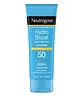
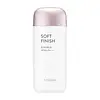
Neutrogena Hydro Boost Water Gel Lotion SPF 50 Versus Missha All Around Safe Block Soft Finish Sun Milk SPF50+ PA+++


What's inside
What's inside
 Key Ingredients
Benefits
Concerns
Ingredients Side-by-side
Butyl Methoxydibenzoylmethane 3%
UV Absorber


Homosalate 15%
Skin Conditioning
Ethylhexyl Salicylate 5%
UV Absorber
Octocrylene 10%
UV Absorber
Water
Skin ConditioningButyloctyl Salicylate
Skin Conditioning
Glycerin
Humectant



Alcohol Denat.
Antimicrobial


Silica
Abrasive
Caprylyl Methicone
Skin Conditioning
Aluminum Starch Octenylsuccinate
Absorbent
Dimethicone
Emollient
Polyurethane-62
Phenoxyethanol
Preservative
Pentylene Glycol
Skin ConditioningStyrene/Acrylates Copolymer
Sodium Acryloyldimethyltaurate/Vp Crosspolymer
Emulsion StabilisingAcrylates/Dimethicone Copolymer
Skin Conditioning
Parfum
Masking
Glyceryl Stearate
Emollient
Chlorphenesin
Antimicrobial
Menthyl Lactate
MaskingTocopheryl Acetate
Antioxidant

Disodium EDTA
Trideceth-6
EmulsifyingHydrolyzed Hyaluronic Acid
Humectant

Sodium Hydroxide
BufferingBlue 1 Lake
Cosmetic ColorantButyl Methoxydibenzoylmethane 3%, Homosalate 15%, Ethylhexyl Salicylate 5%, Octocrylene 10%, Water, Butyloctyl Salicylate, Glycerin, Alcohol Denat., Silica, Caprylyl Methicone, Aluminum Starch Octenylsuccinate, Dimethicone, Polyurethane-62, Phenoxyethanol, Pentylene Glycol, Styrene/Acrylates Copolymer, Sodium Acryloyldimethyltaurate/Vp Crosspolymer, Acrylates/Dimethicone Copolymer, Parfum, Glyceryl Stearate, Chlorphenesin, Menthyl Lactate, Tocopheryl Acetate, Disodium EDTA, Trideceth-6, Hydrolyzed Hyaluronic Acid, Sodium Hydroxide, Blue 1 Lake
Hydrolyzed Chestnut Extract
Skin ProtectingCyclopentasiloxane
Emollient
Silica
Abrasive
Zinc Oxide
Cosmetic Colorant
Dipropylene Glycol
HumectantLauryl PEG-10 Tris(Trimethylsiloxy)Silylethyl Dimethicone
Emulsifying
Isopropyl Palmitate
Emollient
Ethylhexyl Salicylate
UV Absorber
Ethylhexyl Methoxycinnamate
UV Absorber
Caprylyl Methicone
Skin Conditioning
Titanium Dioxide
Cosmetic Colorant
Alcohol Denat.
Antimicrobial
C12-15 Alkyl Benzoate
AntimicrobialAcrylates/Dimethicone Copolymer
Skin Conditioning
Vp/Hexadecene Copolymer
Limonia Acidissima Extract
Skin ConditioningOpuntia Ficus-Indica Extract
Skin Conditioning
Verbena Officinalis Leaf Extract
MaskingAloe Barbadensis Leaf Extract
Emollient

Cinnamomum Cassia Bark Extract
Masking
Psidium Guajava Leaf Extract
AstringentRosa Rugosa Flower Extract
Skin ConditioningBiosaccharide Gum-4
Skin Conditioning
Bis-Ethylhexyloxyphenol Methoxyphenyl Triazine
Skin Conditioning
Magnesium Sulfate
Dimethicone/Vinyl Dimethicone Crosspolymer
Skin Conditioning
Dimethicone
Emollient
Diethylamino Hydroxybenzoyl Hexyl Benzoate
UV Filter
Quaternium-18 Bentonite
Aluminum Hydroxide
EmollientStearic Acid
Cleansing
Hydrogen Dimethicone
Water
Skin ConditioningSilica Dimethyl Silylate
EmollientSodium Benzoate
Masking
Tocopheryl Acetate
Antioxidant
Potassium Sorbate
Preservative
Polyhydroxystearic Acid
Emulsifying
Isopropyl Myristate
Emollient
Isostearic Acid
Cleansing
Lecithin
Emollient
Ethylhexyl Palmitate
Emollient
Polyglyceryl-3 Polyricinoleate
Emulsifying
Disodium EDTA
Phenoxyethanol
Preservative
CI 77491
Cosmetic ColorantCI 77492
Cosmetic ColorantHexyl Cinnamal
Perfuming
Benzyl Salicylate
Perfuming
Hydrolyzed Chestnut Extract, Cyclopentasiloxane, Silica, Zinc Oxide, Dipropylene Glycol, Lauryl PEG-10 Tris(Trimethylsiloxy)Silylethyl Dimethicone, Isopropyl Palmitate, Ethylhexyl Salicylate, Ethylhexyl Methoxycinnamate, Caprylyl Methicone, Titanium Dioxide, Alcohol Denat., C12-15 Alkyl Benzoate, Acrylates/Dimethicone Copolymer, Vp/Hexadecene Copolymer, Limonia Acidissima Extract, Opuntia Ficus-Indica Extract, Verbena Officinalis Leaf Extract, Aloe Barbadensis Leaf Extract, Cinnamomum Cassia Bark Extract, Psidium Guajava Leaf Extract, Rosa Rugosa Flower Extract, Biosaccharide Gum-4, Bis-Ethylhexyloxyphenol Methoxyphenyl Triazine, Magnesium Sulfate, Dimethicone/Vinyl Dimethicone Crosspolymer, Dimethicone, Diethylamino Hydroxybenzoyl Hexyl Benzoate, Quaternium-18 Bentonite, Aluminum Hydroxide, Stearic Acid, Hydrogen Dimethicone, Water, Silica Dimethyl Silylate, Sodium Benzoate, Tocopheryl Acetate, Potassium Sorbate, Polyhydroxystearic Acid, Isopropyl Myristate, Isostearic Acid, Lecithin, Ethylhexyl Palmitate, Polyglyceryl-3 Polyricinoleate, Disodium EDTA, Phenoxyethanol, CI 77491, CI 77492, Hexyl Cinnamal, Benzyl Salicylate
Reviews
Ingredients Explained
These ingredients are found in both products.
Ingredients higher up in an ingredient list are typically present in a larger amount.
This polymer has film-forming properties and helps leave behind a soft film on the skin with oxygen permeability.
That's why you'll most likely find this in sunscreen formulations.
Alcohol Denat. is an alcohol with a denaturant property. It is created by mixing ethanol with other additives.
This ingredient gets a bad rep because it is irritating and drying - mostly due to its astringent property. Astringents draw out natural oils in tissue, constricting pores and leaving your skin dried out.
However, alcohol denat. is not all that bad.
Due to its low molecular weight, alcohol denat. tends to evaporate quickly. One study on pig skin found half of applied alcohol evaporated in 10 seconds and less than 3% stayed on skin.
This also helps other ingredients become better absorbed upon application.
Studies are conflicted about whether this ingredient causes skin dehydration. One study from 2005 found adding emollients to propanol-based sanitizer decreased skin dryness and irritation. Another study found irritation only occurs if your skin is already damaged.
Small amounts of alcohol are generally tolerated by oily skin or people who live in humid environments.
The rule of thumb is if this alcohol is near the end of an ingredients list, it will probably not affect your skin much.
Also...
This ingredient has antimicrobial and solvent properties.
The antimicrobial property helps preserve products and increase their shelf life. As a solvent, it helps dissolve other ingredients.
Other types of astringent alcohols include:
Learn more about Alcohol Denat.Caprylyl Methicone is a type of silicone.
It helps soften and soothe the skin by creating a thin film on top. This film helps trap moisture, keeping your skin hydrated.
Dimethicone is a type of synthetic silicone created from natural materials such as quartz.
What it does:
Dimethicone comes in different viscosities:
Depending on the viscosity, dimethicone has different properties.
Ingredients lists don't always show which type is used, so we recommend reaching out to the brand if you have questions about the viscosity.
This ingredient is unlikely to cause irritation because it does not get absorbed into skin. However, people with silicone allergies should be careful about using this ingredient.
Note: Dimethicone may contribute to pilling. This is because it is not oil or water soluble, so pilling may occur when layered with products. When mixed with heavy oils in a formula, the outcome is also quite greasy.
Learn more about DimethiconeDisodium EDTA plays a role in making products more stable by aiding other preservatives.
It is a chelating agent, meaning it neutralizes metal ions that may be found in a product.
Disodium EDTA is a salt of edetic acid and is found to be safe in cosmetic ingredients.
Learn more about Disodium EDTAEthylhexyl Salicylate is an organic compound used to block UV rays. It primarily absorbs UVB rays but offers a small amount of UVA protection as well.
Commonly found in sunscreens, Ethylhexyl Salicylate is created from salicylic acid and 2-ethylhexanol. You might know salicylic acid as the effective acne fighter ingredient and BHA.
The ethylhexanol in this ingredient is a fatty alcohol and helps hydrate your skin, similar to oils. It is an emollient, which means it traps moisture into the skin.
According to manufacturers, Ethylhexyl Salicylate absorbs UV wavelength of 295-315 nm, with a peak absorption at 307-310 nm. UVA rays are linked to long term skin damage, such as hyperpigmentation. UVB rays emit more energy and are capable of damaging our DNA. UVB rays cause sunburn.
Learn more about Ethylhexyl SalicylatePhenoxyethanol is a preservative that has germicide, antimicrobial, and aromatic properties. Studies show that phenoxyethanol can prevent microbial growth. By itself, it has a scent that is similar to that of a rose.
It's often used in formulations along with Caprylyl Glycol to preserve the shelf life of products.
Silica, also known as silicon dioxide, is a naturally occurring mineral. It is used as a fine, spherical, and porous powder in cosmetics.
Though it has exfoliant properties, the function of silica varies depending on the product.
The unique structure of silica enhances the spreadability and adds smoothness, making it a great texture enhancer.
It is also used as an active carrier, emulsifier, and mattifier due to its ability to absorb excess oil.
In some products, tiny microneedles called spicules are made from silica or hydrolyzed sponge. When you rub them in, they lightly polish away dead skin layers and enhance the penetration of active ingredients.
Learn more about SilicaTocopheryl Acetate is AKA Vitamin E. It is an antioxidant and protects your skin from free radicals. Free radicals damage the skin by breaking down collagen.
One study found using Tocopheryl Acetate with Vitamin C decreased the number of sunburned cells.
Tocopheryl Acetate is commonly found in both skincare and dietary supplements.
Learn more about Tocopheryl AcetateWater. It's the most common cosmetic ingredient of all. You'll usually see it at the top of ingredient lists, meaning that it makes up the largest part of the product.
So why is it so popular? Water most often acts as a solvent - this means that it helps dissolve other ingredients into the formulation.
You'll also recognize water as that liquid we all need to stay alive. If you see this, drink a glass of water. Stay hydrated!
Learn more about Water
