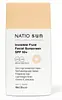
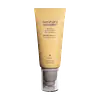
Natio Invisible Fluid Facial Sunscreen SPF 50+ Versus Haruharu Wonder Black Rice Moisture Airyfit Sunscreen SPF 50+ PA++++
This chemical sunscreen covers the full UV range and blocks ~98% of UVB at SPF 50.
This chemical sunscreen covers the full UV range and blocks ~98% of UVB at SPF 50.


What's inside
What's inside
 Key Ingredients
Benefits
Concerns
Ingredients Side-by-side
Bis-Ethylhexyloxyphenol Methoxyphenyl Triazine
UV Absorber
Butyl Methoxydibenzoylmethane
UV Absorber
Ethylhexyl Triazone
UV Absorber
Octocrylene
UV Absorber


Acrylates/C10-30 Alkyl Acrylate Crosspolymer
Emulsion StabilisingC12-15 Alkyl Benzoate
AntimicrobialAloe Barbadensis Leaf Juice
Skin Conditioning


Magnesium Aluminum Silicate
Absorbent
Dibutyl Adipate
EmollientTocopheryl Acetate
Antioxidant


Tetrasodium EDTA
ChelatingGlycerin
Humectant

Hydrated Silica
Abrasive
Hydroxyacetophenone
Antioxidant
Isocetyl Alcohol
Emollient


Microcrystalline Cellulose
AbsorbentPhenoxyethanol
Preservative
Water
Skin ConditioningVp/Hexadecene Copolymer
Oryza Sativa Bran Wax
Skin Conditioning

Sodium Stearoyl Glutamate
CleansingTriacontanyl Pvp
HumectantTriethanolamine
BufferingBis-Ethylhexyloxyphenol Methoxyphenyl Triazine, Butyl Methoxydibenzoylmethane, Ethylhexyl Triazone, Octocrylene, Acrylates/C10-30 Alkyl Acrylate Crosspolymer, C12-15 Alkyl Benzoate, Aloe Barbadensis Leaf Juice, Magnesium Aluminum Silicate, Dibutyl Adipate, Tocopheryl Acetate, Tetrasodium EDTA, Glycerin, Hydrated Silica, Hydroxyacetophenone, Isocetyl Alcohol, Microcrystalline Cellulose, Phenoxyethanol, Water, Vp/Hexadecene Copolymer, Oryza Sativa Bran Wax, Sodium Stearoyl Glutamate, Triacontanyl Pvp, Triethanolamine
Water
Skin ConditioningDibutyl Adipate
EmollientPropanediol
Solvent
Butyloctyl Salicylate
Skin Conditioning
Ethylhexyl Triazone
UV Absorber
Terephthalylidene Dicamphor Sulfonic Acid
UV Absorber
Glycerin
Humectant
Niacinamide
Smoothing





Tromethamine
BufferingPolyglyceryl-3 Distearate
Emulsifying
1,2-Hexanediol
Skin Conditioning
Pentylene Glycol
Skin Conditioning
Diethylamino Hydroxybenzoyl Hexyl Benzoate
UV Filter
Cetearyl Alcohol
Emollient
Caprylyl Methicone
Skin Conditioning
Polysilicone-15
UV Filter
Stellaria Media Extract
Skin ConditioningHelianthus Annuus Flower Extract
Skin ConditioningVaccinium Vitis-Idaea Fruit Extract
Antioxidant
Oryza Sativa Extract
Absorbent
Bellis Perennis Flower Extract
Skin ConditioningHouttuynia Cordata Extract
Skin Conditioning
Oryza Sativa Bran Oil
Emollient
Hydrogenated Lecithin
Emulsifying
Polymethylsilsesquioxane
Palmitic Acid
Emollient
Butylene Glycol
Humectant
Stearic Acid
Cleansing
Glyceryl Stearate
Emollient
Bis-Ethylhexyloxyphenol Methoxyphenyl Triazine
UV Absorber
Potassium Cetyl Phosphate
EmulsifyingPoly C10-30 Alkyl Acrylate
Emulsion StabilisingMethylpropanediol
SolventCarbomer
Emulsion StabilisingAmmonium Acryloyldimethyltaurate/Vp Copolymer
Acrylates/C10-30 Alkyl Acrylate Crosspolymer
Emulsion StabilisingGlyceryl Stearate Citrate
Emollient
Ethylhexylglycerin
Skin ConditioningAdenosine
Skin Conditioning
Polyether-1
Myristic Acid
Cleansing
Biosaccharide Gum-1
Humectant
Tocopherol
Antioxidant
Moringa Oleifera Seed Oil
Emollient
Ceramide NP
Skin Conditioning
Phytosphingosine
Skin Conditioning
Phenethyl Alcohol
MaskingSodium Chloride
MaskingDisodium Phosphate
BufferingPotassium Chloride
Potassium Phosphate
BufferingWater, Dibutyl Adipate, Propanediol, Butyloctyl Salicylate, Ethylhexyl Triazone, Terephthalylidene Dicamphor Sulfonic Acid, Glycerin, Niacinamide, Tromethamine, Polyglyceryl-3 Distearate, 1,2-Hexanediol, Pentylene Glycol, Diethylamino Hydroxybenzoyl Hexyl Benzoate, Cetearyl Alcohol, Caprylyl Methicone, Polysilicone-15, Stellaria Media Extract, Helianthus Annuus Flower Extract, Vaccinium Vitis-Idaea Fruit Extract, Oryza Sativa Extract, Bellis Perennis Flower Extract, Houttuynia Cordata Extract, Oryza Sativa Bran Oil, Hydrogenated Lecithin, Polymethylsilsesquioxane, Palmitic Acid, Butylene Glycol, Stearic Acid, Glyceryl Stearate, Bis-Ethylhexyloxyphenol Methoxyphenyl Triazine, Potassium Cetyl Phosphate, Poly C10-30 Alkyl Acrylate, Methylpropanediol, Carbomer, Ammonium Acryloyldimethyltaurate/Vp Copolymer, Acrylates/C10-30 Alkyl Acrylate Crosspolymer, Glyceryl Stearate Citrate, Ethylhexylglycerin, Adenosine, Polyether-1, Myristic Acid, Biosaccharide Gum-1, Tocopherol, Moringa Oleifera Seed Oil, Ceramide NP, Phytosphingosine, Phenethyl Alcohol, Sodium Chloride, Disodium Phosphate, Potassium Chloride, Potassium Phosphate
Reviews
Ingredients Explained
These ingredients are found in both products.
Ingredients higher up in an ingredient list are typically present in a larger amount.
Acrylates/C10-30 Alkyl Acrylate Crosspolymer is a synthetic polymer. It is used to thicken, emulsify, and improve the texture of products.
As an emulsifier, it helps stabilize oil-in-water emulsions to give products an elegant feel when applied.
It can also form a thin protective film on skin. One study found that a formula using this polymer helped slow down how quickly other ingredients (like DEET) were absorbed through skin.
A 2024 study of over 1,300 patients confirmed that sensitization to this ingredient is rare. It is also non-mutagenic and has a clean track record.
Learn more about Acrylates/C10-30 Alkyl Acrylate CrosspolymerThis ingredient is better known as bemotrizinol or Tinosorb S and is one of the best broad-spectrum UV filters in modern sunscreen.
It works by absorbing UV light across a whole range (280-400 nm) with peaks around 310 nm (UVB) and 340-345 nm (UVA). This means it covers UVB plus the deeper UVA wavelengths that drive photoaging and pigmentation.
Another pro?
It's exceptionally photostable, barely degrades in sunlight, and acts as a "bodyguard" for less stable filters.
That's why you'll see it paired with avobenzone or octinoxate; this team up ensures they keep working through sun exposure.
Safety reviews have been reassuring across the board. This ingredient shows low absorption through the skin, rarely irritates, and lab studies found it doesn't act like a hormone in the body (a concern that's been raised about some older sunscreen filters).
On maximum concentrations:
In 2026, the US F.D.A finally added it as an OTC sunscreen ingredient at concentrations up to 6% for adults / children 6 months and older
Learn more about Bis-Ethylhexyloxyphenol Methoxyphenyl TriazineDibutyl Adipate is a lightweight, oil-soluble ester that acts as an emollient and solvent. It helps products spread more easily and leaves a soft, silky, dry-touch finish without being greasy.
You'll likely see this ingredient in sunscreens because it does a nice job dissolving UV filters and keeping them evenly distributed.
This ingredient has been found to be safe as used in cosmetics, wasn't a skin or eye irritant in clinical patch testing, and wasn't phototoxic.
In a clinical comedogenicity test, this ingredient tested negative so it isn't likely to clog pores.
Typical use levels are about 5-8% for sunscreens + nail products, but can range from 0.005%-8% depending on the product.
Learn more about Dibutyl AdipateEthylhexyl Triazone (aka Octyl Triazone) is an oil-soluble organic UVB filter. It has peak absorption around 314 nm, right in the middle of the UVB range.
This ingredient is described as one of the most effective UVB filters available and small concentrations are enough to deliver a high SPF thanks to its strong UV absorbing power.
Formulators love it for its stability; its ability to filter UV stays practically unchanged even under intense radiation and it can also help boost the photostability of less stable filters like avobenzone.
It's also a great pick for water resistant products because it's insoluble in water and has a good affinity for keratin.
Because it's a big, heavy molecule, the European Scientific Committee has found to to have very low dermal penetration and negative results for allergenicity.
In vitro testing also showed a low absorption rate and clean results on irritation.
Typical use levels are 1-5% with 5% being the maximum in the EU, Japan, and other markets that allow it. However, this ingredient is not approved yet in the US or Canada.
Learn more about Ethylhexyl TriazoneGlycerin (or glycerol) is a compound naturally found in your skin. It's a powerhouse humectant that pulls water into the stratum corneum.
Topically, glycerin does several things at once:
Your skin makes glycerin on its own (mostly from sebaceous oil breakdown) and shuttles it to your outermost layer of skin, or your epidermis, via aquaporin-3.
Aquaporin-3 is a transporter that is essential for normal skin hydration, elasticity, and repair. Interestingly, mice lacking in AQP3 have dry and less elastic skin that can be fully corrected with glycerin.
This ingredient is non-irritating, plays well with almost every ingredient, and works across all skin types. Typical use is anywhere between 3-10% but can go up to 79% in some leave-on products.
Just know very high concentrations (>40%) can feel tacky in low humidity.
Glycerin is the name for this ingredient in American English. British English uses Glycerol/Glycerine.
Learn more about GlycerinWater. It's the most common cosmetic ingredient of all. You'll usually see it at the top of ingredient lists, meaning that it makes up the largest part of the product.
So why is it so popular? Water most often acts as a solvent - this means that it helps dissolve other ingredients into the formulation.
You'll also recognize water as that liquid we all need to stay alive. If you see this, drink a glass of water. Remember to stay hydrated!
Learn more about Water

