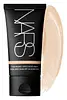
This brightening day moisturizer is formulated around Ascorbyl Glucoside to brighten dull-looking skin.
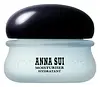
This barrier-repair moisturizer is formulated around Tocopherol and Tremella Fuciformis Extract to strengthen the skin barrier and hydrate skin.


What's inside
What's inside
 Key Ingredients
Benefits
Concerns
Ingredients Side-by-side
Water
Skin ConditioningDimethicone
Emollient

Ethylhexyl Methoxycinnamate
UV Absorber


Titanium Dioxide
Cosmetic Colorant
Butylene Glycol
Humectant

Propanediol
Solvent
Diethylhexyl Succinate
EmollientGlycerin
Humectant
Nylon-12

Cyclomethicone
Emollient
PEG-9 Polydimethylsiloxyethyl Dimethicone
Emulsifying
PEG-10 Dimethicone
Skin Conditioning
Aluminum Hydroxide
EmollientDiphenylsiloxy Phenyl Trimethicone
Skin Conditioning
Disteardimonium Hectorite
StabilisingSorbitan Sesquiisostearate
Emulsifying

Stearic Acid
Cleansing
Phenoxyethanol
Preservative
Polymethylsilsesquioxane
Parfum
Masking


Dimethicone/Vinyl Dimethicone Crosspolymer
Skin Conditioning
Trisodium EDTA
Aluminum Distearate
Emulsion StabilisingTalc
Abrasive
Ascorbyl Glucoside
Antioxidant



Polysilicone-2
Vibrio Alginolyticus Ferment Filtrate
Abrasive
Tocopherol
Antioxidant


Alteromonas Ferment Filtrate
HumectantMaris Sal
Skin ConditioningHydrogen Dimethicone
BHT
Antioxidant
Algae
Skin Conditioning
Sodium Metabisulfite
Antioxidant
Curcuma Longa Root Extract
Antioxidant
Potassium Sorbate
Preservative
Geraniol
Perfuming
Limonene
Perfuming
Citral
Perfuming
Linalool
Perfuming
CI 77891
Cosmetic ColorantCI 77491
Cosmetic ColorantCI 77492
Cosmetic ColorantCI 77499
Cosmetic ColorantWater, Dimethicone, Ethylhexyl Methoxycinnamate, Titanium Dioxide, Butylene Glycol, Propanediol, Diethylhexyl Succinate, Glycerin, Nylon-12, Cyclomethicone, PEG-9 Polydimethylsiloxyethyl Dimethicone, PEG-10 Dimethicone, Aluminum Hydroxide, Diphenylsiloxy Phenyl Trimethicone, Disteardimonium Hectorite, Sorbitan Sesquiisostearate, Stearic Acid, Phenoxyethanol, Polymethylsilsesquioxane, Parfum, Dimethicone/Vinyl Dimethicone Crosspolymer, Trisodium EDTA, Aluminum Distearate, Talc, Ascorbyl Glucoside, Polysilicone-2, Vibrio Alginolyticus Ferment Filtrate, Tocopherol, Alteromonas Ferment Filtrate, Maris Sal, Hydrogen Dimethicone, BHT, Algae, Sodium Metabisulfite, Curcuma Longa Root Extract, Potassium Sorbate, Geraniol, Limonene, Citral, Linalool, CI 77891, CI 77491, CI 77492, CI 77499
Water
Skin ConditioningGlycerin
Humectant
Butylene Glycol
Humectant
Alcohol
Antimicrobial

Dimethicone
Emollient
Glycosyl Trehalose
Emulsion StabilisingTocopherol
Antioxidant
Tremella Fuciformis Extract
Humectant
Acrylates/C10-30 Alkyl Acrylate Crosspolymer
Emulsion StabilisingBehenyl Alcohol
Emollient
Carbomer
Emulsion StabilisingCetearyl Alcohol
Emollient
Disodium EDTA
Glyceryl Stearate
Emollient
Hydrogenated Starch Hydrolysate
HumectantHydroxyethylcellulose
Emulsion StabilisingIsohexadecane
EmollientParaffinum Liquidum
Emollient
Phytosteryl/Behenyl/Octyldodecyl Lauroyl Glutamate
Skin ConditioningPolysorbate 80
Emulsifying
Propylene Glycol Dicaprate
EmollientSodium Acrylate/Sodium Acryloyldimethyl Taurate Copolymer
Emulsion StabilisingSodium Methyl Stearoyl Taurate
CleansingSorbitan Oleate
Emulsifying
Sorbitan Palmitate
Emulsifying
Triethanolamine
BufferingTriethylhexanoin
MaskingPhenoxyethanol
Preservative
Parfum
Masking
Benzyl Benzoate
Antimicrobial
Butylphenyl Methylpropional
Perfuming
Citronellol
Perfuming
Hexyl Cinnamal
Perfuming
Linalool
Perfuming
CI 42090
Cosmetic ColorantWater, Glycerin, Butylene Glycol, Alcohol, Dimethicone, Glycosyl Trehalose, Tocopherol, Tremella Fuciformis Extract, Acrylates/C10-30 Alkyl Acrylate Crosspolymer, Behenyl Alcohol, Carbomer, Cetearyl Alcohol, Disodium EDTA, Glyceryl Stearate, Hydrogenated Starch Hydrolysate, Hydroxyethylcellulose, Isohexadecane, Paraffinum Liquidum, Phytosteryl/Behenyl/Octyldodecyl Lauroyl Glutamate, Polysorbate 80, Propylene Glycol Dicaprate, Sodium Acrylate/Sodium Acryloyldimethyl Taurate Copolymer, Sodium Methyl Stearoyl Taurate, Sorbitan Oleate, Sorbitan Palmitate, Triethanolamine, Triethylhexanoin, Phenoxyethanol, Parfum, Benzyl Benzoate, Butylphenyl Methylpropional, Citronellol, Hexyl Cinnamal, Linalool, CI 42090
Reviews
Ingredients Explained
These ingredients are found in both products.
Ingredients higher up in an ingredient list are typically present in a larger amount.
Butylene Glycol (or BG) is used within cosmetic products for a few different reasons:
Overall, Butylene Glycol is a safe and well-rounded ingredient that works well with other ingredients.
Though this ingredient works well with most skin types, some people with sensitive skin may experience a reaction such as allergic rashes, closed comedones, or itchiness.
Learn more about Butylene GlycolDimethicone is a type of synthetic silicone created from natural materials such as quartz. It is also known as polydimethylsiloxane.
What it does:
Dimethicone comes in different viscosities:
Depending on the viscosity, dimethicone has different properties.
Ingredients lists don't always show which type is used, so we recommend reaching out to the brand if you have questions about the viscosity.
This ingredient is unlikely to cause irritation because it does not get absorbed into skin. However, people with silicone allergies should be careful about using this ingredient.
Note: Dimethicone may contribute to pilling. This is because it is not oil or water soluble, so pilling may occur when layered with products. When mixed with heavy oils in a formula, the outcome is also quite greasy.
Learn more about DimethiconeGlycerin (or glycerol) is a compound naturally found in your skin. It's a powerhouse humectant that pulls water into the stratum corneum.
Topically, glycerin does several things at once:
Your skin makes glycerin on its own (mostly from sebaceous oil breakdown) and shuttles it to your outermost layer of skin, or your epidermis, via aquaporin-3.
Aquaporin-3 is a transporter that is essential for normal skin hydration, elasticity, and repair. Interestingly, mice lacking in AQP3 have dry and less elastic skin that can be fully corrected with glycerin.
This ingredient is non-irritating, plays well with almost every ingredient, and works across all skin types. Typical use is anywhere between 3-10% but can go up to 79% in some leave-on products.
Just know very high concentrations (>40%) can feel tacky in low humidity.
Glycerin is the name for this ingredient in American English. British English uses Glycerol/Glycerine.
Learn more about GlycerinLinalool is a fragrance and helps add scent to products. It's derived from common plants such as cinnamon, mint, citrus, and lavender.
Like Limonene, this ingredient oxidizes when exposed to air. Oxidized linalool can cause allergies and skin sensitivity.
This ingredient has a scent that is floral, spicy tropical, and citrus-like.
Learn more about LinaloolParfum is a catch-all term for an ingredient or more that is used to give a scent to products.
Also called "fragrance", this ingredient can be a blend of hundreds of chemicals or plant oils. This means every product with "fragrance" or "parfum" in the ingredients list is a different mixture.
For instance, Habanolide is a proprietary trade name for a specific aroma chemical. When used as a fragrance ingredient in cosmetics, most aroma chemicals fall under the broad labeling category of “FRAGRANCE” or “PARFUM” according to EU and US regulations.
The term 'parfum' or 'fragrance' is not regulated in many countries. In many cases, it is up to the brand to define this term.
For instance, many brands choose to label themselves as "fragrance-free" because they are not using synthetic fragrances. However, their products may still contain ingredients such as essential oils that are considered a fragrance by INCI standards.
One example is Calendula flower extract. Calendula is an essential oil that still imparts a scent or 'fragrance'.
Depending on the blend, the ingredients in the mixture can cause allergies and sensitivities on the skin. Some ingredients that are known EU allergens include linalool and citronellol.
Parfum can also be used to mask or cover an unpleasant scent.
The bottom line is: not all fragrances/parfum/ingredients are created equally. If you are worried about fragrances, we recommend taking a closer look at an ingredient. And of course, we always recommend speaking with a professional.
Learn more about ParfumPhenoxyethanol is one of the most widely used preservatives in skincare (and for good reason!).
It has a large spectrum of antimicrobial activity and especially effective bacteria, yeast, and mold while only having a weak effect on your skin's natural microbiome.
On a cellular level, it disrupts the cell membranes of microbes by poking holes that make the cell leak. This shuts down the chemical reactions the microbe needs to make energy so it can no longer survive.
Another perk of this ingredient is that it stays functional across a wide pH range (3-10).
You'll often see it paired with boosters like Ethylhexylglycerin; one study showed that a 1:9 ratio of Ethylhexylglycerin to Phenoxyethanol damages bacterial membranes as effectively as doubling the Phenoxyethanol concentration on its own.
Typical use concentrations range from 0.3-1% depending on the formula, and this ingredient is capped at 1% int the EU.
Safety-wise, the fear mongering does not hold up to the evidence. The EU's Scientific Committee on Consumer Safety and FDA consider it safe as a preservative at up to 1%, including for children of all ages.
Adverse systemic effects only showed up in animal studies at exposures roughly 200x higher than what people get from cosmetics. And despite its very widespread use, this ingredient is a rare sensitizer and allergic reactions are uncommon.
Learn more about PhenoxyethanolTocopherol is a fat-soluble antioxidant known as Vitamin E.
You'll find this ingredient in the vast majority of skincare (for good reason). It works to neutralize free radicals, or unstable molecules generated by UV exposure, pollution, and other environmental stressors, before they can cause oxidative damage to your skin cells.
Topically applied tocopherol has been shown to protect against UV damage by ramping up the skin's own natural defense enzymes.
It also acts as a skin conditioning agent; some studies show that regular topical use can improve the skin's water-binding capacity over 2-4 weeks.
This ingredient is especially loved for being a team player. When combined with Vitamin C, the photoprotective effect of both ingredients roughly doubles and the combo also helps reduce UV-induced DNA damage.
This ingredient has some brightening potential but it's more of a prevention ingredient than spot-fader. Cell studies show it can slow down melanin production but it's worth noting that it's not the most powerful brightener out there.
In formulations, it also serves as a stabilizer that helps protect other oxidation-prone ingredients from degrading.
Concentrations usually range from 0.1-1% in most leave-on products.
Learn more about TocopherolWater. It's the most common cosmetic ingredient of all. You'll usually see it at the top of ingredient lists, meaning that it makes up the largest part of the product.
So why is it so popular? Water most often acts as a solvent - this means that it helps dissolve other ingredients into the formulation.
You'll also recognize water as that liquid we all need to stay alive. If you see this, drink a glass of water. Remember to stay hydrated!
Learn more about Water

