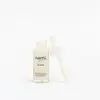
This hydrating serum is formulated around Aloe Barbadensis Leaf Juice and Niacinamide to hydrate skin and calm redness.
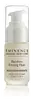
This hydrating serum is formulated around Aloe Barbadensis Leaf Juice to hydrate skin.


What's inside
What's inside
 Key Ingredients
Benefits
Concerns
Ingredients Side-by-side
Water
Skin ConditioningPelargonium Graveolens Flower Water
AstringentCaprylic/Capric Triglyceride
Masking


Aloe Barbadensis Leaf Juice
Skin Conditioning

Carthamus Tinctorius Seed Oil
Masking


Rubus Idaeus Seed Oil
Emollient
Sucrose Stearate
EmollientNiacinamide
Smoothing








Glycerin
Humectant
Hordeum Vulgare Seed Extract
Skin ConditioningBenzyl Alcohol
Perfuming






Betaine
Humectant
Citric Acid
Buffering
Helianthus Annuus Seed Oil
Emollient
Hydrolyzed Oat Protein
Skin ConditioningLecithin
Emollient
Porphyridium Purpureum Extract
Skin ConditioningPotassium Sorbate
Preservative
Propanediol
Solvent
Pullulan
Salicylic Acid
Masking

Sclerotium Gum
Emulsion StabilisingSorbic Acid
Preservative
Sodium Benzoate
Masking
Tocopherol
Antioxidant

Xanthan Gum
EmulsifyingWater, Pelargonium Graveolens Flower Water, Caprylic/Capric Triglyceride, Aloe Barbadensis Leaf Juice, Carthamus Tinctorius Seed Oil, Rubus Idaeus Seed Oil, Sucrose Stearate, Niacinamide, Glycerin, Hordeum Vulgare Seed Extract, Benzyl Alcohol, Betaine, Citric Acid, Helianthus Annuus Seed Oil, Hydrolyzed Oat Protein, Lecithin, Porphyridium Purpureum Extract, Potassium Sorbate, Propanediol, Pullulan, Salicylic Acid, Sclerotium Gum, Sorbic Acid, Sodium Benzoate, Tocopherol, Xanthan Gum
Aloe Barbadensis Leaf Juice
Skin Conditioning
Terminalia Ferdinandiana Fruit Extract
Antioxidant
Daucus Carota Sativa Juice
Skin ConditioningCitrus Limon Juice
Skin Conditioning
Pyrus Malus Juice
Skin ConditioningCalendula Officinalis Flower Extract
Masking
Daucus Carota Sativa Root Extract
Skin Conditioning
Trifolium Pratense Flower Extract
AstringentCoconut Milk
Vitis Vinifera Seed Extract
Antimicrobial
Dioscorea Villosa Root Extract
Skin Conditioning
Rosmarinus Officinalis Leaf Extract
AntimicrobialCyamopsis Tetragonoloba Gum
Emulsion StabilisingZea Mays Silk Extract
Skin ConditioningGlycine Soja Extract
Skin ConditioningCitric Acid
Buffering
Maltodextrin
Absorbent
Cichorium Intybus Root Oligosaccharides
Skin ConditioningGlycerin
Humectant
Caesalpinia Spinosa Gum
Skin ConditioningGlyceryl Stearate
Emollient
Cetearyl Alcohol
Emollient


Panthenol
Skin Conditioning
Cocos Nucifera Oil
Masking
Cocos Nucifera Fruit Extract
Emollient
Ricinus Communis Seed Oil
Masking
Helianthus Annuus Seed Oil
Emollient
Bambusa Vulgaris Leaf Extract
Skin ConditioningBenzyl Alcohol
Perfuming
Dehydroacetic Acid
Preservative
Malus Domestica Fruit Cell Culture Extract
Skin ConditioningXanthan Gum
EmulsifyingAlgin
MaskingSodium Benzoate
Masking
Potassium Sorbate
Preservative
Lactic Acid
Buffering
Calcium Ascorbate
Antioxidant
Tocopherol
Antioxidant
Lecithin
Emollient
Euterpe Oleracea Fruit Extract
Citrus Limon Fruit Extract
Masking
Malpighia Emarginata Fruit Extract
Skin ConditioningPhyllanthus Emblica Fruit Extract
HumectantAdansonia Digitata Seed Oil
Emollient
Myrciaria Dubia Fruit Extract
Skin ConditioningCocos Nucifera Water
Masking
Lycium Barbarum Fruit Extract
Astringent
Tapioca Starch
Thioctic Acid
Antioxidant
Citrus Aurantium Dulcis Oil
Masking
Aloe Barbadensis Leaf Juice, Terminalia Ferdinandiana Fruit Extract, Daucus Carota Sativa Juice, Citrus Limon Juice, Pyrus Malus Juice, Calendula Officinalis Flower Extract, Daucus Carota Sativa Root Extract, Trifolium Pratense Flower Extract, Coconut Milk, Vitis Vinifera Seed Extract, Dioscorea Villosa Root Extract, Rosmarinus Officinalis Leaf Extract, Cyamopsis Tetragonoloba Gum, Zea Mays Silk Extract, Glycine Soja Extract, Citric Acid, Maltodextrin, Cichorium Intybus Root Oligosaccharides, Glycerin, Caesalpinia Spinosa Gum, Glyceryl Stearate, Cetearyl Alcohol, Panthenol, Cocos Nucifera Oil, Cocos Nucifera Fruit Extract, Ricinus Communis Seed Oil, Helianthus Annuus Seed Oil, Bambusa Vulgaris Leaf Extract, Benzyl Alcohol, Dehydroacetic Acid, Malus Domestica Fruit Cell Culture Extract, Xanthan Gum, Algin, Sodium Benzoate, Potassium Sorbate, Lactic Acid, Calcium Ascorbate, Tocopherol, Lecithin, Euterpe Oleracea Fruit Extract, Citrus Limon Fruit Extract, Malpighia Emarginata Fruit Extract, Phyllanthus Emblica Fruit Extract, Adansonia Digitata Seed Oil, Myrciaria Dubia Fruit Extract, Cocos Nucifera Water, Lycium Barbarum Fruit Extract, Tapioca Starch, Thioctic Acid, Citrus Aurantium Dulcis Oil
Ingredients Explained
These ingredients are found in both products.
Ingredients higher up in an ingredient list are typically present in a larger amount.
Aloe Barbadensis Leaf Juice is the filtered, stabilized liquid pressed from the inner gel of the aloe vera leaf.
In cosmetics, it shows up as either soothing active or a water-replacement base. It is roughly 98-99% water and the last 1-2% is an interesting mix of polysaccharides, amino acids, vitamins, minerals, and enzymes.
The polysaccharides do most of the work: they bind water at the skin surface for a light, non-greasy hydration boost. And one of the polysaccharides, glycomannan, is linked to fibroblast stimulation + collagen synthesis. This is also why aloe has such a long track record in wound and burn healing.
This ingredient is also calming with anti-inflammatory and mild antimicrobial activity, making it a great pick for sensitive, irritated, or post-sun skin.
Realistic expectations matter though; the solid evidence is mostly limited to hydration, soothing, and wound support. Deeper claims about anti-aging or sun protection are not well backed, and science reviews note it does not prevent radiation-induced skin injury.
Because it plays well with almost everything, it's commonly used as a base alongside other actives like niacinamide or vitamin C.
Typical usage concentrations range from 0.5% (where hydration benefits already show up) all the way to 90%+ (where it replaces water as the main base).
The safety for this ingredient is well-establish as well. Overall, this is a great supporting ingredient for those who want a boost in hydration.
Learn more about Aloe Barbadensis Leaf JuiceBenzyl Alcohol is an aromatic alcohol with several roles: it's a preservative, solvent, and mild fragrance component with a floral scent.
This ingredient has been deemed safe for use in cosmetic formulations at concentrations up to 5%, and up to 10% in hair dyes. You'll typically see 0.5-2% in most rinse-off or leave-on products.
As a preservative, it works by disrupting the membrane of microbial proteins. This helps keep bacteria and fungi from growing in your products.
The sensitization picture is actually quite assuring as well:of nearly 71,000 patients patch tested with benzyl alcohol, only 0.21% showed a positive reaction with most of them being weakly positive.
This led researchers to conclude that benzyl alcohol cannot be regarded as a significant contact allergen.
It is worth noting this ingredient is classified as one of the EU's regulated fragrance allergens and restricted to 1% in finished products.
Labels must also declare it in concentrations above 0.001% in leave-on products and 0.01% in rinse-off products.
At concentrations around 5%, localized redness and itching can appear as a direct irritant response and not as a true allergic reaction.
Learn more about Benzyl AlcoholCitric Acid is an alpha hydroxy acid (AHA) naturally found in citrus fruits like oranges, lemons, and limes.
Like other AHAs, citric acid can exfoliate skin by breaking down the bonds that hold dead skin cells together. This helps reveal smoother and brighter skin underneath.
However, this exfoliating effect only happens at high concentrations (20%) which can be hard to find in cosmetic products.
Due to this, citric acid is usually included in small amounts as a pH adjuster. This helps keep products slightly more acidic and compatible with skin's natural pH.
In skincare formulas, citric acid can:
While it can provide some skin benefits, research shows lactic acid and glycolic acid are generally more effective and less irritating exfoliants.
Most citric acid used in skincare today is made by fermenting sugars (usually from molasses). This synthetic version is identical to the natural citrus form but easier to stabilize and use in formulations.
Rosacea skin has a lower threshold for acids generally, with 62.5% of rosacea subjects in one study reacting to lactic acid in a sting test. This is why we mark citric acid as a potential rosacea trigger.
However, this ingredient shows up as a pH adjuster or chelator at roughly 0.1-1% in many products. These low levels are unlikely to be an issue for rosacea skin and becomes a potential trigger at exfoliating concentrations (20%). Because everybody's skin is unique, we recommend a patch test if you are unsure.
Learn more about Citric AcidGlycerin (or glycerol) is a compound naturally found in your skin. It's a powerhouse humectant that pulls water into the stratum corneum.
Topically, glycerin does several things at once:
Your skin makes glycerin on its own (mostly from sebaceous oil breakdown) and shuttles it to your outermost layer of skin, or your epidermis, via aquaporin-3.
Aquaporin-3 is a transporter that is essential for normal skin hydration, elasticity, and repair. Interestingly, mice lacking in AQP3 have dry and less elastic skin that can be fully corrected with glycerin.
This ingredient is non-irritating, plays well with almost every ingredient, and works across all skin types. Typical use is anywhere between 3-10% but can go up to 79% in some leave-on products.
Just know very high concentrations (>40%) can feel tacky in low humidity.
Glycerin is the name for this ingredient in American English. British English uses Glycerol/Glycerine.
Learn more about GlycerinHelianthus Annuus Seed Oil is a plant oil derived from the seeds of a sunflower.
It is rich in fatty acids, primarily linoleic acid and oleic acid. This gives it emollient and skin conditioning properties.
The reason this ingredient is so effective is because it forms a thin film on the skin that reduces transepidermal water loss (TEWL) while supplying linoleic acid to the stratum corneum to improve barrier strength.
The high linoleic acid content is particularly noteworthy for acne-prone skin.
Research suggests that acne-prone skin tends to be deficient in linoleic acid in sebum. Topical application may help replenish this to support a healthier follicular environment and less comedone-promoting sebum.
One randomized study found sunflower seed oil preserved skin barrier integrity in adult volunteers with and without atopic dermatitis (outperforming olive oil).
This ingredient is well-studied, gentle, and an effective emollient suitable for most skin types.
On fungal acne: This ingredient may not be Fungal acne (Malassezia folliculitis) safe. This is because it contains fatty acids with carbon chain lengths in the C11-C24 range.
Learn more about Helianthus Annuus Seed OilLecithin is a term for a group of substances found in the cell membranes of plants, animals, and humans. They are made up of phospholipids.
Thanks to its amphiphilic structure (water-loving head and oil-loving tail), it is a true multitasker:
It plays well with most ingredients and is typically used at 0.1-1%. However, concentrations up to 50% have been reported in moisturizers.
Learn more about LecithinPotassium Sorbate is a preservative used to prevent yeast and mold in products. It is commonly found in both cosmetic and food products.
This ingredient comes from potassium salt derived from sorbic acid. Sorbic acid is a natural antibiotic and effective against fungus.
Both potassium sorbate and sorbic acid can be found in baked goods, cheeses, dried meats, dried fruit, ice cream, pickles, wine, yogurt, and more.
You'll often find this ingredient used with other preservatives.
Learn more about Potassium SorbateSodium Benzoate is a preservative. It's used in both cosmetic and food products to inhibit the growth of mold and bacteria. It is typically produced synthetically.
Both the US FDA and EU Health Committee have approved the use of sodium benzoate. In the US, levels of 0.1% (of the total product) are allowed.
Sodium benzoate works as a preservative by inhibiting the growth of bacteria inside of cells. It prevents the cell from fermenting a type of sugar using an enzyme called phosphofructokinase.
It is the salt of benzoic acid. Foods containing sodium benzoate include soda, salad dressings, condiments, fruit juices, wines, and snack foods.
Studies for using ascorbic acid and sodium benzoate in cosmetics are lacking, especially in skincare routines with multiple steps.
We always recommend speaking with a professional, such as a dermatologist, if you have any concerns.
Learn more about Sodium BenzoateTocopherol is a fat-soluble antioxidant known as Vitamin E.
You'll find this ingredient in the vast majority of skincare (for good reason). It works to neutralize free radicals, or unstable molecules generated by UV exposure, pollution, and other environmental stressors, before they can cause oxidative damage to your skin cells.
Topically applied tocopherol has been shown to protect against UV damage by ramping up the skin's own natural defense enzymes.
It also acts as a skin conditioning agent; some studies show that regular topical use can improve the skin's water-binding capacity over 2-4 weeks.
This ingredient is especially loved for being a team player. When combined with Vitamin C, the photoprotective effect of both ingredients roughly doubles and the combo also helps reduce UV-induced DNA damage.
This ingredient has some brightening potential but it's more of a prevention ingredient than spot-fader. Cell studies show it can slow down melanin production but it's worth noting that it's not the most powerful brightener out there.
In formulations, it also serves as a stabilizer that helps protect other oxidation-prone ingredients from degrading.
Concentrations usually range from 0.1-1% in most leave-on products.
Learn more about TocopherolXanthan gum is used as a stabilizer and thickener within cosmetic products. It helps give products a sticky, thick feeling - preventing them from being too runny.
On the technical side of things, xanthan gum is a polysaccharide - a combination consisting of multiple sugar molecules bonded together.
Xanthan gum is a pretty common and great ingredient. It is a natural, non-toxic, non-irritating ingredient that is also commonly used in food products.
Learn more about Xanthan Gum

