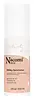
This hydrating toner is formulated around Trehalose and Prunus Amygdalus Dulcis Oil to hydrate skin and strengthen the skin barrier.
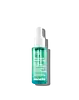
This calming serum is formulated around Niacinamide and Panthenol to calm redness and strengthen the skin barrier.


What's inside
What's inside
 Key Ingredients
Benefits
Concerns
Ingredients Side-by-side
Water
Skin ConditioningGlycerin
Humectant


Trehalose
Humectant
Glyceryl Stearate
Emollient

Coco-Caprylate/Caprate
Emollient
Polyglyceryl-3 PCA
EmollientPropanediol
Solvent
Prunus Amygdalus Dulcis Oil
Skin Conditioning
Avena Sativa Kernel Extract
Abrasive



Prunus Amygdalus Dulcis Seed Extract
Skin ConditioningHydrogenated Olive Oil Caprylyl Esters
Emulsion Stabilising
Macadamia Ternifolia Seed Oil
Emollient
Hydrolyzed Rice Protein
Skin ConditioningHyaluronic Acid
Humectant
Triheptanoin
Skin ConditioningTrilaurin
Skin ConditioningCeteareth-12
EmulsifyingCeteareth-20
CleansingHydrolyzed Glycosaminoglycans
HumectantHydrogenated Lecithin
Emulsifying
Tocopherol
Antioxidant


Cetearyl Alcohol
Emollient



Cetyl Palmitate
Emollient
Potato Starch Modified
Tocopheryl Acetate
Antioxidant
Citric Acid
Buffering
Sodium Citrate
BufferingXanthan Gum
EmulsifyingParfum
Masking


Tetrasodium Glutamate Diacetate
Sodium Hydroxide
BufferingPhenoxyethanol
Preservative
Dehydroacetic Acid
Preservative
Potassium Sorbate
Preservative
Sodium Benzoate
Masking
Benzyl Alcohol
Perfuming

Water, Glycerin, Trehalose, Glyceryl Stearate, Coco-Caprylate/Caprate, Polyglyceryl-3 PCA, Propanediol, Prunus Amygdalus Dulcis Oil, Avena Sativa Kernel Extract, Prunus Amygdalus Dulcis Seed Extract, Hydrogenated Olive Oil Caprylyl Esters, Macadamia Ternifolia Seed Oil, Hydrolyzed Rice Protein, Hyaluronic Acid, Triheptanoin, Trilaurin, Ceteareth-12, Ceteareth-20, Hydrolyzed Glycosaminoglycans, Hydrogenated Lecithin, Tocopherol, Cetearyl Alcohol, Cetyl Palmitate, Potato Starch Modified, Tocopheryl Acetate, Citric Acid, Sodium Citrate, Xanthan Gum, Parfum, Tetrasodium Glutamate Diacetate, Sodium Hydroxide, Phenoxyethanol, Dehydroacetic Acid, Potassium Sorbate, Sodium Benzoate, Benzyl Alcohol
Water
Skin ConditioningButylene Glycol
Humectant
Pentylene Glycol
Skin Conditioning
Glycerin
Humectant
Propylene Glycol
Humectant
Niacinamide
Smoothing




Panthenol
Skin Conditioning
Alcohol Denat.
Antimicrobial
Sodium Hyaluronate
Humectant
Dipotassium Glycyrrhizate
Humectant
Tetrasodium Tetracarboxymethyl Naringeninchalcone
Skin ConditioningChamomilla Recutita Flower Extract
Masking
Acetyl Glutamine
Skin ConditioningGinkgo Biloba Leaf Extract
Skin Conditioning
Biosaccharide Gum-2
Skin ConditioningBacillus/Folic Acid Ferment Filtrate Extract
Antioxidant
Caprylyl Glycol
Emollient
Sh-Oligopeptide-1
Skin Conditioning
Sh-Oligopeptide-2
Skin Conditioning
Sh-Polypeptide-1
Skin Conditioning
Sh-Polypeptide-11
Sh-Polypeptide-9
Skin Conditioning
Lactic Acid
Buffering
Lecithin
Emollient
C12-13 Pareth-9
EmulsifyingMenthyl Lactate
Masking
Tetrasodium Glutamate Diacetate
Avena Sativa Kernel Extract
Abrasive
1,2-Hexanediol
Skin Conditioning
Sodium Hydroxide
BufferingSodium Benzoate
Masking
Potassium Sorbate
Preservative
Parfum
Masking
Water, Butylene Glycol, Pentylene Glycol, Glycerin, Propylene Glycol, Niacinamide, Panthenol, Alcohol Denat., Sodium Hyaluronate, Dipotassium Glycyrrhizate, Tetrasodium Tetracarboxymethyl Naringeninchalcone, Chamomilla Recutita Flower Extract, Acetyl Glutamine, Ginkgo Biloba Leaf Extract, Biosaccharide Gum-2, Bacillus/Folic Acid Ferment Filtrate Extract, Caprylyl Glycol, Sh-Oligopeptide-1, Sh-Oligopeptide-2, Sh-Polypeptide-1, Sh-Polypeptide-11, Sh-Polypeptide-9, Lactic Acid, Lecithin, C12-13 Pareth-9, Menthyl Lactate, Tetrasodium Glutamate Diacetate, Avena Sativa Kernel Extract, 1,2-Hexanediol, Sodium Hydroxide, Sodium Benzoate, Potassium Sorbate, Parfum
Reviews
Ingredients Explained
These ingredients are found in both products.
Ingredients higher up in an ingredient list are typically present in a larger amount.
Avena Sativa Kernel Extract is is derived from colloidal oatmeal. Besides being a healthy breakfast, oats have many benefits in skincare too.
This ingredient helps sooth, hydrate, and protect the skin. The starches in colloidal oatmeal are able to bind water, keeping the skin hydrated.
The cellulose and fiber in colloidal oatmeal help reduce inflammation. This can also help the skin feel softer.
Colloidal Oatmeal is also an antioxidant. Antioxidants protect our skin from free-radical damage.
Oatmeal also contains beneficial compounds:
This ingredient is created by mixing grounded oatmeal and a liquid base.
Learn more about Avena Sativa Kernel ExtractGlycerin (or glycerol) is a compound naturally found in your skin. It's a powerhouse humectant that pulls water into the stratum corneum.
Topically, glycerin does several things at once:
Your skin makes glycerin on its own (mostly from sebaceous oil breakdown) and shuttles it to your outermost layer of skin, or your epidermis, via aquaporin-3.
Aquaporin-3 is a transporter that is essential for normal skin hydration, elasticity, and repair. Interestingly, mice lacking in AQP3 have dry and less elastic skin that can be fully corrected with glycerin.
This ingredient is non-irritating, plays well with almost every ingredient, and works across all skin types. Typical use is anywhere between 3-10% but can go up to 79% in some leave-on products.
Just know very high concentrations (>40%) can feel tacky in low humidity.
Glycerin is the name for this ingredient in American English. British English uses Glycerol/Glycerine.
Learn more about GlycerinParfum is a catch-all term for an ingredient or more that is used to give a scent to products.
Also called "fragrance", this ingredient can be a blend of hundreds of chemicals or plant oils. This means every product with "fragrance" or "parfum" in the ingredients list is a different mixture.
For instance, Habanolide is a proprietary trade name for a specific aroma chemical. When used as a fragrance ingredient in cosmetics, most aroma chemicals fall under the broad labeling category of “FRAGRANCE” or “PARFUM” according to EU and US regulations.
The term 'parfum' or 'fragrance' is not regulated in many countries. In many cases, it is up to the brand to define this term.
For instance, many brands choose to label themselves as "fragrance-free" because they are not using synthetic fragrances. However, their products may still contain ingredients such as essential oils that are considered a fragrance by INCI standards.
One example is Calendula flower extract. Calendula is an essential oil that still imparts a scent or 'fragrance'.
Depending on the blend, the ingredients in the mixture can cause allergies and sensitivities on the skin. Some ingredients that are known EU allergens include linalool and citronellol.
Parfum can also be used to mask or cover an unpleasant scent.
The bottom line is: not all fragrances/parfum/ingredients are created equally. If you are worried about fragrances, we recommend taking a closer look at an ingredient. And of course, we always recommend speaking with a professional.
Learn more about ParfumPotassium Sorbate is a preservative used to prevent yeast and mold in products. It is commonly found in both cosmetic and food products.
This ingredient comes from potassium salt derived from sorbic acid. Sorbic acid is a natural antibiotic and effective against fungus.
Both potassium sorbate and sorbic acid can be found in baked goods, cheeses, dried meats, dried fruit, ice cream, pickles, wine, yogurt, and more.
You'll often find this ingredient used with other preservatives.
Learn more about Potassium SorbateSodium Benzoate is a preservative. It's used in both cosmetic and food products to inhibit the growth of mold and bacteria. It is typically produced synthetically.
Both the US FDA and EU Health Committee have approved the use of sodium benzoate. In the US, levels of 0.1% (of the total product) are allowed.
Sodium benzoate works as a preservative by inhibiting the growth of bacteria inside of cells. It prevents the cell from fermenting a type of sugar using an enzyme called phosphofructokinase.
It is the salt of benzoic acid. Foods containing sodium benzoate include soda, salad dressings, condiments, fruit juices, wines, and snack foods.
Studies for using ascorbic acid and sodium benzoate in cosmetics are lacking, especially in skincare routines with multiple steps.
We always recommend speaking with a professional, such as a dermatologist, if you have any concerns.
Learn more about Sodium BenzoateSodium Hydroxide is also known as lye or caustic soda. It is used to adjust the pH of products; many ingredients require a specific pH to be effective.
In small amounts, sodium hydroxide is considered safe to use. However, large amounts may cause chemical burns due to its high alkaline.
Your skin has a natural pH and acid mantle. This acid mantle helps prevent harmful bacteria from breaking through. The acid mantle also helps keep your skin hydrated.
"Alkaline" refers to a high pH level. A low pH level would be considered acidic.
Learn more about Sodium HydroxideTetrasodium Glutamate Diacetate is a chelating agent. Chelating agents help prevent metal ions from binding to other ingredients. This helps prevent unwanted effects and reactions from a product. These metal ions may come from water and are found in miniscule amounts.
Tetrasodium Glutamate Diacetate can also help other preservatives be more effective.
Water. It's the most common cosmetic ingredient of all. You'll usually see it at the top of ingredient lists, meaning that it makes up the largest part of the product.
So why is it so popular? Water most often acts as a solvent - this means that it helps dissolve other ingredients into the formulation.
You'll also recognize water as that liquid we all need to stay alive. If you see this, drink a glass of water. Remember to stay hydrated!
Learn more about Water

