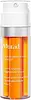
This brightening serum is formulated around Glycolic Acid and Ascorbic Acid to brighten dull-looking skin and refine skin texture.
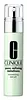
This pore-care serum is formulated around Acetyl Glucosamine and Salicylic Acid to refine the look of pores and balance excess oil.

What's inside
What's inside
 Key Ingredients
Benefits
Concerns
Ingredients Side-by-side
Water
Skin ConditioningGlycolic Acid
Buffering











Glycerin
Humectant

Caprylic/Capric Triglyceride
Masking
Dimethicone
Emollient
Sodium Hydroxide
BufferingHdi/Trimethylol Hexyllactone Crosspolymer
Diisopropyl Sebacate
EmollientC13-16 Isoparaffin
Solvent
Polyacrylate Crosspolymer-6
Emulsion StabilisingDimethyl Isosorbide
SolventAscorbic Acid
Antioxidant

Urea
Buffering
Yeast Amino Acids
HumectantTrehalose
Humectant
Inositol
Humectant
Taurine
BufferingBetaine
Humectant
Glutathione

Tetrahexyldecyl Ascorbate
Antioxidant
Cetearyl Isononanoate
Emollient
Hydroxyethyl Acrylate/Sodium Acryloyldimethyl Taurate Copolymer
Emulsion StabilisingOleyl Alcohol
Emollient





Silica
Abrasive
Hexylresorcinol
Antimicrobial
Polysilicone-11
Triheptanoin
Skin ConditioningPolyisobutene
Marrubium Vulgare Meristem Cell Culture
Skin ProtectingZanthoxylum Bungeanum Fruit Extract
Skin ConditioningHydrolyzed Verbascum Thapsus Flower
Antioxidant
Butylene Glycol
Humectant
Mica
Cosmetic ColorantHexylene Glycol
EmulsifyingSodium Surfactin
CleansingXymenynic Acid
EmollientTocopheryl Acetate
Antioxidant
PEG-7 Trimethylolpropane Coconut Ether
Emulsifying
Terminalia Ferdinandiana Fruit Extract
Antioxidant
Sorbitol
Humectant
Tin Oxide
Abrasive
Xanthan Gum
EmulsifyingT-Butyl Alcohol
Perfuming

Chlorella Vulgaris Extract
Skin ConditioningDecyl Glucoside
Cleansing
Gold
Cosmetic ColorantCitric Acid
Buffering
Caprylyl Glycol
Emollient
Phenoxyethanol
Preservative
Ethylhexylglycerin
Skin ConditioningSodium Benzoate
Masking
Potassium Sorbate
Preservative
CI 77891
Cosmetic ColorantWater, Glycolic Acid, Glycerin, Caprylic/Capric Triglyceride, Dimethicone, Sodium Hydroxide, Hdi/Trimethylol Hexyllactone Crosspolymer, Diisopropyl Sebacate, C13-16 Isoparaffin, Polyacrylate Crosspolymer-6, Dimethyl Isosorbide, Ascorbic Acid, Urea, Yeast Amino Acids, Trehalose, Inositol, Taurine, Betaine, Glutathione, Tetrahexyldecyl Ascorbate, Cetearyl Isononanoate, Hydroxyethyl Acrylate/Sodium Acryloyldimethyl Taurate Copolymer, Oleyl Alcohol, Silica, Hexylresorcinol, Polysilicone-11, Triheptanoin, Polyisobutene, Marrubium Vulgare Meristem Cell Culture, Zanthoxylum Bungeanum Fruit Extract, Hydrolyzed Verbascum Thapsus Flower, Butylene Glycol, Mica, Hexylene Glycol, Sodium Surfactin, Xymenynic Acid, Tocopheryl Acetate, PEG-7 Trimethylolpropane Coconut Ether, Terminalia Ferdinandiana Fruit Extract, Sorbitol, Tin Oxide, Xanthan Gum, T-Butyl Alcohol, Chlorella Vulgaris Extract, Decyl Glucoside, Gold, Citric Acid, Caprylyl Glycol, Phenoxyethanol, Ethylhexylglycerin, Sodium Benzoate, Potassium Sorbate, CI 77891
Dimethicone
Emollient
Water
Skin ConditioningPolysilicone-11
Alcohol Denat.
Antimicrobial
Acetyl Glucosamine
Skin Conditioning
PEG-10 Dimethicone
Skin Conditioning
Butylene Glycol
Humectant
Rosmarinus Officinalis Leaf Extract
AntimicrobialSigesbeckia Orientalis Extract
Skin ConditioningSalvia Sclarea Extract
AntiseborrhoeicSea Whip Extract
Skin ConditioningLaminaria Saccharina Extract
Skin Protecting
Caffeine
Skin Conditioning
Pantethine
EmollientHydrolyzed Soy Protein
Humectant
PEG-11 Methyl Ether Dimethicone
Emulsifying
Algae Extract
Emollient
Polysorbate 20
Emulsifying
Salicylic Acid
Masking
Tetrahexyldecyl Ascorbate
Antioxidant
Tocopheryl Acetate
Antioxidant
Caprylyl Glycol
Emollient
Sodium Hyaluronate
Humectant
Glycerin
Humectant
Lecithin
Emollient
Isohexadecane
EmollientDi-C12-18 Alkyl Dimonium Chloride
Skin ConditioningPolysorbate 80
Emulsifying
Hydrogenated Lecithin
Emulsifying
Polymethyl Methacrylate
Coconut Acid
Cleansing
Padina Pavonica Thallus Extract
Skin ConditioningNordihydroguaiaretic Acid
Antioxidant
Ammonium Acryloyldimethyltaurate/Vp Copolymer
Acrylamide/Sodium Acryloyldimethyltaurate Copolymer
Emulsion StabilisingSilica
Abrasive
Citric Acid
Buffering
Hexylene Glycol
EmulsifyingAscorbyl Tocopheryl Maleate
Antioxidant
Sodium Hydroxide
BufferingDisodium EDTA
ChelatingPhenoxyethanol
Preservative
CI 77891
Cosmetic ColorantCI 77491
Cosmetic ColorantCI 77492
Cosmetic ColorantCI 77499
Cosmetic ColorantMica
Cosmetic ColorantDimethicone, Water, Polysilicone-11, Alcohol Denat., Acetyl Glucosamine, PEG-10 Dimethicone, Butylene Glycol, Rosmarinus Officinalis Leaf Extract, Sigesbeckia Orientalis Extract, Salvia Sclarea Extract, Sea Whip Extract, Laminaria Saccharina Extract, Caffeine, Pantethine, Hydrolyzed Soy Protein, PEG-11 Methyl Ether Dimethicone, Algae Extract, Polysorbate 20, Salicylic Acid, Tetrahexyldecyl Ascorbate, Tocopheryl Acetate, Caprylyl Glycol, Sodium Hyaluronate, Glycerin, Lecithin, Isohexadecane, Di-C12-18 Alkyl Dimonium Chloride, Polysorbate 80, Hydrogenated Lecithin, Polymethyl Methacrylate, Coconut Acid, Padina Pavonica Thallus Extract, Nordihydroguaiaretic Acid, Ammonium Acryloyldimethyltaurate/Vp Copolymer, Acrylamide/Sodium Acryloyldimethyltaurate Copolymer, Silica, Citric Acid, Hexylene Glycol, Ascorbyl Tocopheryl Maleate, Sodium Hydroxide, Disodium EDTA, Phenoxyethanol, CI 77891, CI 77491, CI 77492, CI 77499, Mica
Reviews
Ingredients Explained
These ingredients are found in both products.
Ingredients higher up in an ingredient list are typically present in a larger amount.
Butylene Glycol (or BG) is used within cosmetic products for a few different reasons:
Overall, Butylene Glycol is a safe and well-rounded ingredient that works well with other ingredients.
Though this ingredient works well with most skin types, some people with sensitive skin may experience a reaction such as allergic rashes, closed comedones, or itchiness.
Learn more about Butylene GlycolCaprylyl Glycol is a humectant, skin conditioner, emollient, and preservative booster derived from either caprylic acid or synthetically created.
Typical use levels vary from 0.3-1% as a preservative booster and go up to 2% to condition skin.
Because it is not a free-fatty acid, this ingredient is fungal acne safe (there's nothing for Malassezia to feed on).
Learn more about Caprylyl GlycolCi 77891 is a white pigment from Titanium dioxide. It is naturally found in minerals such as rutile and ilmenite.
It's main function is to add a white color to cosmetics. It can also be mixed with other colors to create different shades.
Ci 77891 is commonly found in sunscreens due to its ability to block UV rays.
Learn more about CI 77891Citric Acid is an alpha hydroxy acid (AHA) naturally found in citrus fruits like oranges, lemons, and limes.
Like other AHAs, citric acid can exfoliate skin by breaking down the bonds that hold dead skin cells together. This helps reveal smoother and brighter skin underneath.
However, this exfoliating effect only happens at high concentrations (20%) which can be hard to find in cosmetic products.
Due to this, citric acid is usually included in small amounts as a pH adjuster. This helps keep products slightly more acidic and compatible with skin's natural pH.
In skincare formulas, citric acid can:
While it can provide some skin benefits, research shows lactic acid and glycolic acid are generally more effective and less irritating exfoliants.
Most citric acid used in skincare today is made by fermenting sugars (usually from molasses). This synthetic version is identical to the natural citrus form but easier to stabilize and use in formulations.
Rosacea skin has a lower threshold for acids generally, with 62.5% of rosacea subjects in one study reacting to lactic acid in a sting test. This is why we mark citric acid as a potential rosacea trigger.
However, this ingredient shows up as a pH adjuster or chelator at roughly 0.1-1% in many products. These low levels are unlikely to be an issue for rosacea skin and becomes a potential trigger at exfoliating concentrations (20%). Because everybody's skin is unique, we recommend a patch test if you are unsure.
Learn more about Citric AcidDimethicone is a type of synthetic silicone created from natural materials such as quartz. It is also known as polydimethylsiloxane.
What it does:
Dimethicone comes in different viscosities:
Depending on the viscosity, dimethicone has different properties.
Ingredients lists don't always show which type is used, so we recommend reaching out to the brand if you have questions about the viscosity.
This ingredient is unlikely to cause irritation because it does not get absorbed into skin. However, people with silicone allergies should be careful about using this ingredient.
Note: Dimethicone may contribute to pilling. This is because it is not oil or water soluble, so pilling may occur when layered with products. When mixed with heavy oils in a formula, the outcome is also quite greasy.
Learn more about DimethiconeGlycerin (or glycerol) is a compound naturally found in your skin. It's a powerhouse humectant that pulls water into the stratum corneum.
Topically, glycerin does several things at once:
Your skin makes glycerin on its own (mostly from sebaceous oil breakdown) and shuttles it to your outermost layer of skin, or your epidermis, via aquaporin-3.
Aquaporin-3 is a transporter that is essential for normal skin hydration, elasticity, and repair. Interestingly, mice lacking in AQP3 have dry and less elastic skin that can be fully corrected with glycerin.
This ingredient is non-irritating, plays well with almost every ingredient, and works across all skin types. Typical use is anywhere between 3-10% but can go up to 79% in some leave-on products.
Just know very high concentrations (>40%) can feel tacky in low humidity.
Glycerin is the name for this ingredient in American English. British English uses Glycerol/Glycerine.
Learn more about GlycerinHexylene Glycol is a multitasker ingredient that works as a solvent, humectant, emulsifier, viscosity reducer, and preservative booster.
It is able to dissolve both water and oil-soluble ingredients to stabilize tricky actives and make products spread more easily.
As a humectant, it pulls water into the skin. But it's a pretty minor moisturizing ingredient compared to other humectants, like glycerin.
Interestingly, it can act as a mild penetration enhancer. One in vitro study on human skin found a 12% concentration upped the absorption of mometasone furoate (a medicinal ingredient used to treat inflammatory skin conditions) up to 7%.
This ingredient is typically used at levels of 0.1-10% depending on the role it's playing.
A patch test study on eczema patients didn't find a significant increase in irritation versus the control group, but the potential for irritation rises at higher concentrations.
Learn more about Hexylene GlycolMica is a naturally occurring mineral used to add shimmer and color in cosmetics. It can also help improve the texture of a product or give it an opaque, white/silver color.
Serecite is the name for very fine but ragged grains of mica.
This ingredient is often coated with metal oxides like titanium dioxide. Trace amounts of heavy metals may be found in mica, but these metals are not harmful in our personal products.
Mica has been used since prehistoric times throughout the world. Ancient Egyptian, Indian, Greek, Roman, Aztec, and Chinese civilizations have used mica.
Learn more about MicaPhenoxyethanol is one of the most widely used preservatives in skincare (and for good reason!).
It has a large spectrum of antimicrobial activity and especially effective bacteria, yeast, and mold while only having a weak effect on your skin's natural microbiome.
On a cellular level, it disrupts the cell membranes of microbes by poking holes that make the cell leak. This shuts down the chemical reactions the microbe needs to make energy so it can no longer survive.
Another perk of this ingredient is that it stays functional across a wide pH range (3-10).
You'll often see it paired with boosters like Ethylhexylglycerin; one study showed that a 1:9 ratio of Ethylhexylglycerin to Phenoxyethanol damages bacterial membranes as effectively as doubling the Phenoxyethanol concentration on its own.
Typical use concentrations range from 0.3-1% depending on the formula, and this ingredient is capped at 1% int the EU.
Safety-wise, the fear mongering does not hold up to the evidence. The EU's Scientific Committee on Consumer Safety and FDA consider it safe as a preservative at up to 1%, including for children of all ages.
Adverse systemic effects only showed up in animal studies at exposures roughly 200x higher than what people get from cosmetics. And despite its very widespread use, this ingredient is a rare sensitizer and allergic reactions are uncommon.
Learn more about PhenoxyethanolPolysilicone-11 is a film-forming silicone that creates a non-tacky and matte finish on the skin. It's commonly used to improve texture, absorb excess oil, and help active ingredients spread evenly.
Due to its "rubber-like" structure, it stays on the skin's surface instead of being absorbed. On the skin, it creates a flexible layer that enhances wearability and stability.
Silica, also known as silicon dioxide, is a naturally occurring mineral. It is used as a fine, spherical, and porous powder in cosmetics.
Though it has exfoliant properties, the function of silica varies depending on the product.
The unique structure of silica enhances the spreadability and adds smoothness, making it a great texture enhancer.
It is also used as an active carrier, emulsifier, and mattifier due to its ability to absorb excess oil.
In some products, tiny microneedles called spicules are made from silica or hydrolyzed sponge. When you rub them in, they lightly polish away dead skin layers and enhance the penetration of active ingredients.
Learn more about SilicaSodium Hydroxide is also known as lye or caustic soda. It is used to adjust the pH of products; many ingredients require a specific pH to be effective.
In small amounts, sodium hydroxide is considered safe to use. However, large amounts may cause chemical burns due to its high alkaline.
Your skin has a natural pH and acid mantle. This acid mantle helps prevent harmful bacteria from breaking through. The acid mantle also helps keep your skin hydrated.
"Alkaline" refers to a high pH level. A low pH level would be considered acidic.
Learn more about Sodium HydroxideTetrahexyldecyl Ascorbate (THD) is a stable and oil-soluble form of Vitamin C.
THD is special in that it has the ability to travel deeper into skin than traditional ascorbic acid while maintaining the same skin benefits (double win!).
Because it’s oil-soluble, THD dives deep into your skin’s fatty layers (think ceramides and cholesterol) to fight off the kind of free radicals that mess with your skin barrier. This makes it a great pair with water-based vitamin C (ascorbic acid) that mainly works on the surface.
Even at just 0.1%, THD is already showing great antioxidant activity. When used up to 2%, it helps keep your skin happy and calm, especially when it’s stressed from pollution or sun.
Want to fade dark spots or tackle hyperpigmentation? You’ll want 5% or more. Pairing it with brightening buddies like niacinamide or licorice root gives even better results. One study even used 30% THD with other brighteners and saw real results on stubborn discoloration, even in melasma-prone skin.
A note on THD: It’s has a slightly silky, oily texture and usually shows up colorless or pale yellow (though the exact shade can vary by supplier).
While you can sneak it into water-based formulas, it really shines when paired with silicones or oils, which help your skin soak it up better.
THD is pretty stable, but it’s still vulnerable to degradation like ascorbic acid. Too much light or heat (above 113°F / 45°C) can break it down over time. Go for dark and opaque packaging that keeps it safe and shady!
Read more about other types of Vitamin C:
Learn more about Tetrahexyldecyl AscorbateTocopheryl Acetate is a stable, shelf-friendly form of vitamin E.
Formulators love it because plain vitamin E oxidizes quickly once it hits air. This acetate version stays stable and resists going off, helping to extend a product's shelf life.
It's actually inactive on its own and works like a slow-release "storage" form; the enzymes in your skin called esterases gradually convert it into active vitamin E over time.
One in vivo study showed 5% of the acetate in the living layer of the epidermis converted to vitamin E after 5 days of application. This study also found the skin gained protection against UV damage even though the conversion was slow and small.
Once converted, vitamin E acts as a skin's main fat-soluble antioxidant that fights free radicals to protect skin from damage.
Topical vitamin E generally boosts the skin's photoprotection, and it reduced UV-damage in animal models.
This ingredient has some brightening potential but it's more of a prevention ingredient than spot-fader. Cell studies show it can slow down melanin production but it's worth noting that it's not the most powerful brightener out there.
Overall, it has a pretty solid safety profile and has been found to be non-irritating and non-comedogenic. Allergic reactions may happen but stay rare due to how widely the ingredient gets used.
The concentration will vary depending on the formula; industry data shows 0.1% in baby lotions, 3% in lipsticks, and 5% in foot powders. You can also find this ingredient at 100% in a pure vitamin E oil.
Most leave-on skincare keeps it at the lower end, often between 0.5-1%.
Learn more about Tocopheryl AcetateWater. It's the most common cosmetic ingredient of all. You'll usually see it at the top of ingredient lists, meaning that it makes up the largest part of the product.
So why is it so popular? Water most often acts as a solvent - this means that it helps dissolve other ingredients into the formulation.
You'll also recognize water as that liquid we all need to stay alive. If you see this, drink a glass of water. Remember to stay hydrated!
Learn more about Water

