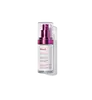
This smoothing serum is formulated around Glycolic Acid and Houttuynia Cordata Extract to refine skin texture and calm redness.
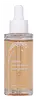
This pore-care serum is formulated around Niacinamide and Salicylic Acid to refine the look of pores and balance excess oil.


What's inside
What's inside
 Key Ingredients
Benefits
Concerns
Ingredients Side-by-side
Water
Skin ConditioningPropanediol
Solvent

Glycerin
Humectant
Vitis Vinifera Seed Oil
Emollient



Glycolic Acid
Buffering









Houttuynia Cordata Extract
Skin Conditioning
Ceramide NP
Skin Conditioning
Phaeodactylum Tricornutum Extract
HumectantUrea
Buffering
Yeast Amino Acids
HumectantTrehalose
Humectant
Inositol
Humectant
Taurine
BufferingBetaine
Humectant
Lactobacillus Ferment
Skin Conditioning
Allantoin
Skin Conditioning
Mannitol
Humectant
Phosphatidylcholine
EmulsifyingEthylhexylglycerin
Skin ConditioningDecyl Glucoside
Cleansing
Cetearyl Alcohol
Emollient



Cetyl Alcohol
Emollient
Carbomer
Emulsion StabilisingXanthan Gum
EmulsifyingLecithin
Emollient
Sodium Chloride
MaskingTetrasodium Glutamate Diacetate
ChelatingSodium Hydroxide
BufferingCitric Acid
Buffering
Leuconostoc/Radish Root Ferment Filtrate
Antimicrobial
Tocopherol
Antioxidant

Chlorphenesin
Antimicrobial
Potassium Sorbate
Preservative
Sodium Benzoate
Masking
Water, Propanediol, Glycerin, Vitis Vinifera Seed Oil, Glycolic Acid, Houttuynia Cordata Extract, Ceramide NP, Phaeodactylum Tricornutum Extract, Urea, Yeast Amino Acids, Trehalose, Inositol, Taurine, Betaine, Lactobacillus Ferment, Allantoin, Mannitol, Phosphatidylcholine, Ethylhexylglycerin, Decyl Glucoside, Cetearyl Alcohol, Cetyl Alcohol, Carbomer, Xanthan Gum, Lecithin, Sodium Chloride, Tetrasodium Glutamate Diacetate, Sodium Hydroxide, Citric Acid, Leuconostoc/Radish Root Ferment Filtrate, Tocopherol, Chlorphenesin, Potassium Sorbate, Sodium Benzoate
Oryza Sativa Bran Water
Masking
Butylene Glycol
Humectant
Niacinamide
Smoothing
Glycosyl Trehalose
Emulsion StabilisingHydrogenated Starch Hydrolysate
HumectantSodium Hyaluronate
Humectant
Glycerin
Humectant
Panthenol
Skin Conditioning
Betaine
Humectant
PEG-60 Hydrogenated Castor Oil
Emulsifying
Sodium Hyaluronate Crosspolymer
Humectant
Hydroxypropyltrimonium Hyaluronate
Sodium Acetylated Hyaluronate
Humectant
Potassium Hyaluronate
Skin ConditioningHydrolyzed Hyaluronic Acid
Humectant
Hydrolyzed Sodium Hyaluronate
Skin Conditioning
Hyaluronic Acid
Humectant
Rheum Palmatum Root Extract
Astringent
Tromethamine
BufferingLactic Acid
Buffering
Salicylic Acid
Masking

Oryza Sativa Bran Extract
Skin Conditioning
Gluconolactone
Chelating
Diospyros Kaki Leaf Extract
Skin Protecting
Vitis Vinifera Fruit Extract
Skin ConditioningCoffea Arabica Seed Extract
Masking
Gossypium Herbaceum Flower Extract
HumectantPolygonum Cuspidatum Root Extract
Antioxidant
Camellia Sinensis Leaf Extract
Antimicrobial
Castanea Crenata Shell Extract
Skin ConditioningSchisandra Chinensis Fruit Extract
Skin Conditioning
Carbomer
Emulsion StabilisingAdenosine
Skin Conditioning
Ethylhexylglycerin
Skin ConditioningCaprylyl Glycol
Emollient
1,2-Hexanediol
Skin Conditioning
Oryza Sativa Bran Water, Butylene Glycol, Niacinamide, Glycosyl Trehalose, Hydrogenated Starch Hydrolysate, Sodium Hyaluronate, Glycerin, Panthenol, Betaine, PEG-60 Hydrogenated Castor Oil, Sodium Hyaluronate Crosspolymer, Hydroxypropyltrimonium Hyaluronate, Sodium Acetylated Hyaluronate, Potassium Hyaluronate, Hydrolyzed Hyaluronic Acid, Hydrolyzed Sodium Hyaluronate, Hyaluronic Acid, Rheum Palmatum Root Extract, Tromethamine, Lactic Acid, Salicylic Acid, Oryza Sativa Bran Extract, Gluconolactone, Diospyros Kaki Leaf Extract, Vitis Vinifera Fruit Extract, Coffea Arabica Seed Extract, Gossypium Herbaceum Flower Extract, Polygonum Cuspidatum Root Extract, Camellia Sinensis Leaf Extract, Castanea Crenata Shell Extract, Schisandra Chinensis Fruit Extract, Carbomer, Adenosine, Ethylhexylglycerin, Caprylyl Glycol, 1,2-Hexanediol
Reviews
Ingredients Explained
These ingredients are found in both products.
Ingredients higher up in an ingredient list are typically present in a larger amount.
Betaine is a humectant. Like hyaluronic acid, it helps attract and retain moisture in the skin. It’s known for being gentle and for helping the skin maintain balanced hydration.
Betaine is mainly used to improve hydration and support calmer skin. It helps skin cells regulate water balance because it functions as an osmolyte.
Some studies suggest betaine may support making skin tone more even.
Fun fact: Betaine naturally exists in the skin and the body. In cosmetic products, it can be either plant-derived (most commonly from sugar beets) or synthetically produced for consistency and stability.
Betaine is also known as trimethylglycine.
Learn more about BetaineCarbomer is a synthetic thickening and gelling agent. It's basically the ingredient that gives a lot of serums, gels, creams, and sunscreens their smooth, non-sticky texture.
Although legally permitted at very high levels, carbomers are normally used at concentrations below 1%.
It also needs to be neutralized to actually thicken, and because it is a large molecule, it doesn't really penetrate the skin barrier.
Allergy-wise, the risk is very low. Clinical studies show carbomers have low potential for skin irritation/sensitization even at concentrations up to 100%.
A 2024 UK study patch-tested 1,302 patients and found true allergy to the parent group of carbomer to be rare with no confirmed relevant reactions.
Learn more about CarbomerEthylhexylglycerin is created from glycerin. It is a multitasker ingredient that:
The CIR Expert Panel found minimal skin absorption or sensitization of any kind in a safety assessment. Though this ingredient is considered well-tolerated, a small number of cases of allergic dermatitis have been published since 2002. Just be sure to patch test if you are unsure.
Industry-reported use ranges from 8% in rinse-off products and 2% in leave-on formulations.
Learn more about EthylhexylglycerinGlycerin (or glycerol) is a compound naturally found in your skin. It's a powerhouse humectant that pulls water into the stratum corneum.
Topically, glycerin does several things at once:
Your skin makes glycerin on its own (mostly from sebaceous oil breakdown) and shuttles it to your outermost layer of skin, or your epidermis, via aquaporin-3.
Aquaporin-3 is a transporter that is essential for normal skin hydration, elasticity, and repair. Interestingly, mice lacking in AQP3 have dry and less elastic skin that can be fully corrected with glycerin.
This ingredient is non-irritating, plays well with almost every ingredient, and works across all skin types. Typical use is anywhere between 3-10% but can go up to 79% in some leave-on products.
Just know very high concentrations (>40%) can feel tacky in low humidity.
Glycerin is the name for this ingredient in American English. British English uses Glycerol/Glycerine.
Learn more about Glycerin

