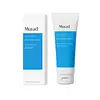
This salicylic acid cream cleanser is formulated around Salicylic Acid to clear breakouts and unclog pores.
This salicylic acid cream cleanser is formulated around Salicylic Acid to clear breakouts and unclog pores.

What's inside
What's inside
 Key Ingredients
Benefits
Concerns
Ingredients Side-by-side
Salicylic Acid 0.5%
Masking










Water
Skin ConditioningSodium Cocoyl Isethionate
Cleansing
Disodium Cocoamphodiacetate
CleansingGlyceryl Stearate
Emollient
Propanediol
Solvent

Glycerin
Humectant
Stearic Acid
Cleansing
Cetyl Alcohol
Emollient
Cocamidopropyl Betaine
Cleansing
Cocoglycerides
Emollient
Saccharide Isomerate
Humectant
Salix Alba Bark Extract
Astringent

Tocopheryl Acetate
Antioxidant

Sodium PCA
Humectant
Betaine
Humectant
Glycine
Buffering
Alanine
Masking
Proline
Skin Conditioning
Serine
Masking
Threonine
Arginine
Masking
Lysine Hcl
Skin Conditioning
Glutamic Acid
Humectant
Zinc Gluconate
Skin Conditioning
Argania Spinosa Kernel Oil
Emollient
Serenoa Serrulata Fruit Extract
Skin Conditioning
Sesamum Indicum Seed Oil
Emollient
Beta-Sitosterol
Emulsion Stabilising
Melaleuca Alternifolia Leaf Oil
Antioxidant

Sodium Lactate
Buffering
Hyaluronic Acid
Humectant

PCA
Humectant
Menthol
Masking
Ethylhexylglycerin
Skin ConditioningHydrolyzed Corn Starch Octenylsuccinate
Absorbent1,2-Hexanediol
Skin Conditioning
Xanthan Gum
EmulsifyingCocamidopropyl Dimethylamine
Emulsifying
Polyacrylate Crosspolymer-6
Emulsion StabilisingMyristic Acid
Cleansing
Sodium Citrate
BufferingTocopherol
Antioxidant
Citric Acid
Buffering
Sodium Hydroxide
BufferingChlorphenesin
Antimicrobial
Sodium Benzoate
Masking
Parfum
Masking
Salicylic Acid 0.5%, Water, Sodium Cocoyl Isethionate, Disodium Cocoamphodiacetate, Glyceryl Stearate, Propanediol, Glycerin, Stearic Acid, Cetyl Alcohol, Cocamidopropyl Betaine, Cocoglycerides, Saccharide Isomerate, Salix Alba Bark Extract, Tocopheryl Acetate, Sodium PCA, Betaine, Glycine, Alanine, Proline, Serine, Threonine, Arginine, Lysine Hcl, Glutamic Acid, Zinc Gluconate, Argania Spinosa Kernel Oil, Serenoa Serrulata Fruit Extract, Sesamum Indicum Seed Oil, Beta-Sitosterol, Melaleuca Alternifolia Leaf Oil, Sodium Lactate, Hyaluronic Acid, PCA, Menthol, Ethylhexylglycerin, Hydrolyzed Corn Starch Octenylsuccinate, 1,2-Hexanediol, Xanthan Gum, Cocamidopropyl Dimethylamine, Polyacrylate Crosspolymer-6, Myristic Acid, Sodium Citrate, Tocopherol, Citric Acid, Sodium Hydroxide, Chlorphenesin, Sodium Benzoate, Parfum
Water
Skin ConditioningSodium C14-16 Olefin Sulfonate
Cleansing
Jojoba Esters
Emollient
Cocamidopropyl Betaine
Cleansing
Acrylates Copolymer
Glycol Stearate
Emollient
Propanediol
Solvent
Glycolic Acid
Buffering
Lactic Acid
Buffering
Salicylic Acid
Masking
Dipotassium Glycyrrhizate
Humectant
Sodium Ascorbyl Phosphate
Antioxidant
Sodium PCA
Humectant
Urea
Buffering
Yeast Amino Acids
HumectantTrehalose
Humectant
Inositol
Humectant
Taurine
BufferingBetaine
Humectant
Citric Acid
Buffering
Sodium Hydroxide
BufferingPolyquaternium-4
Sodium Chloride
MaskingTetrasodium Glutamate Diacetate
ChelatingTetrasodium EDTA
ChelatingLeuconostoc/Radish Root Ferment Filtrate
Antimicrobial
Tocopherol
Antioxidant
Ethylhexylglycerin
Skin ConditioningChlorphenesin
Antimicrobial
Sodium Benzoate
Masking
Water, Sodium C14-16 Olefin Sulfonate, Jojoba Esters, Cocamidopropyl Betaine, Acrylates Copolymer, Glycol Stearate, Propanediol, Glycolic Acid, Lactic Acid, Salicylic Acid, Dipotassium Glycyrrhizate, Sodium Ascorbyl Phosphate, Sodium PCA, Urea, Yeast Amino Acids, Trehalose, Inositol, Taurine, Betaine, Citric Acid, Sodium Hydroxide, Polyquaternium-4, Sodium Chloride, Tetrasodium Glutamate Diacetate, Tetrasodium EDTA, Leuconostoc/Radish Root Ferment Filtrate, Tocopherol, Ethylhexylglycerin, Chlorphenesin, Sodium Benzoate
Reviews
Ingredients Explained
These ingredients are found in both products.
Ingredients higher up in an ingredient list are typically present in a larger amount.
Betaine is a humectant. Like hyaluronic acid, it helps attract and retain moisture in the skin. It’s known for being gentle and for helping the skin maintain balanced hydration.
Betaine is mainly used to improve hydration and support calmer skin. It helps skin cells regulate water balance because it functions as an osmolyte.
Some studies suggest betaine may support making skin tone more even.
Fun fact: Betaine naturally exists in the skin and the body. In cosmetic products, it can be either plant-derived (most commonly from sugar beets) or synthetically produced for consistency and stability.
Betaine is also known as trimethylglycine.
Learn more about BetaineChlorphenesin is a synthetic preservative. It helps protect a product against bacteria in order to extend shelf life. In most cases, Chlorphenesin is paired with other preservatives such as phenoxyethanol and caprylyl glycol.
Chlorphenesin is a biocide. This means it is able to help fight the microorganisms on our skin. It is also able to fight odor-releasing bacteria.
Chlorphenesin is soluble in both water and glycerin.
Studies show Chlorphenesin is easily absorbed by our skin. You should speak with a skincare professional if you have concerns about using Chlorphenesin.
Learn more about ChlorphenesinCitric Acid is an alpha hydroxy acid (AHA) naturally found in citrus fruits like oranges, lemons, and limes.
Like other AHAs, citric acid can exfoliate skin by breaking down the bonds that hold dead skin cells together. This helps reveal smoother and brighter skin underneath.
However, this exfoliating effect only happens at high concentrations (20%) which can be hard to find in cosmetic products.
Due to this, citric acid is usually included in small amounts as a pH adjuster. This helps keep products slightly more acidic and compatible with skin's natural pH.
In skincare formulas, citric acid can:
While it can provide some skin benefits, research shows lactic acid and glycolic acid are generally more effective and less irritating exfoliants.
Most citric acid used in skincare today is made by fermenting sugars (usually from molasses). This synthetic version is identical to the natural citrus form but easier to stabilize and use in formulations.
Rosacea skin has a lower threshold for acids generally, with 62.5% of rosacea subjects in one study reacting to lactic acid in a sting test. This is why we mark citric acid as a potential rosacea trigger.
However, this ingredient shows up as a pH adjuster or chelator at roughly 0.1-1% in many products. These low levels are unlikely to be an issue for rosacea skin and becomes a potential trigger at exfoliating concentrations (20%). Because everybody's skin is unique, we recommend a patch test if you are unsure.
Learn more about Citric AcidCocamidopropyl Betaine is a fatty acid created by mixing similar compounds in coconut oil and dimethylaminopropylamine, a compound with two amino groups.
This ingredient is a surfactant and cleanser. It helps gather the dirt, pollutants, and other impurities in your skin to be washed away. It also helps thicken a product and make the texture more creamy.
Being created from coconut oil means Cocamidopropyl Betaine is hydrating for the skin.
While Cocamidopropyl Betaine was believed to be an allergen, a study from 2012 disproved this. It found two compounds in unpure Cocamidopropyl Betaine to be the irritants: aminoamide and 3-dimethylaminopropylamine. High-grade and pure Cocamidopropyl Betaine did not induce allergic reactions during this study.
Learn more about Cocamidopropyl BetaineEthylhexylglycerin is created from glycerin. It is a multitasker ingredient that:
The CIR Expert Panel found minimal skin absorption or sensitization of any kind in a safety assessment. Though this ingredient is considered well-tolerated, a small number of cases of allergic dermatitis have been published since 2002. Just be sure to patch test if you are unsure.
Industry-reported use ranges from 8% in rinse-off products and 2% in leave-on formulations.
Learn more about EthylhexylglycerinPropanediol is an all-star ingredient. It softens, hydrates, and smooths the skin.
It’s often used to:
Propanediol is not likely to cause sensitivity and considered safe to use. It is derived from corn or petroleum with a clear color and no scent.
Learn more about PropanediolSalicylic Acid (also known as beta hydroxy acid or BHA) is a well-known ingredient for treating skin that struggles with acne and clogged pores. It exfoliates both the skin's surface and deep within the pores to help clear out buildup, control oil, and reduce inflammation.
Unlike AHAs (alpha hydroxy acids), salicylic acid is oil-soluble. This allows it to penetrate into pores which makes it especially effective for treating blackheads and preventing future breakouts.
Salicylic acid is also known for its soothing properties. It has a similar structure to aspirin and can calm inflamed or irritated skin, making it a good option for acne-prone skin that is also sensitive.
Concentrations of 0.5-2% are recognized by the U.S. FDA as an over-the-counter topical acne product.
It can cause irritation and/or dryness if one's skin already has a compromised moisture barrier, so it's best to focus on repairing that before introducing this ingredient into your routine.
While salicylic acid does not increase sun sensitivity, it’s still important to wear sunscreen daily to protect your skin.
If you are looking for the ingredient called BHA or Butylated Hydroxyanisole, click here.
Learn more about Salicylic AcidSodium Benzoate is a preservative. It's used in both cosmetic and food products to inhibit the growth of mold and bacteria. It is typically produced synthetically.
Both the US FDA and EU Health Committee have approved the use of sodium benzoate. In the US, levels of 0.1% (of the total product) are allowed.
Sodium benzoate works as a preservative by inhibiting the growth of bacteria inside of cells. It prevents the cell from fermenting a type of sugar using an enzyme called phosphofructokinase.
It is the salt of benzoic acid. Foods containing sodium benzoate include soda, salad dressings, condiments, fruit juices, wines, and snack foods.
Studies for using ascorbic acid and sodium benzoate in cosmetics are lacking, especially in skincare routines with multiple steps.
We always recommend speaking with a professional, such as a dermatologist, if you have any concerns.
Learn more about Sodium BenzoateSodium Hydroxide is also known as lye or caustic soda. It is used to adjust the pH of products; many ingredients require a specific pH to be effective.
In small amounts, sodium hydroxide is considered safe to use. However, large amounts may cause chemical burns due to its high alkaline.
Your skin has a natural pH and acid mantle. This acid mantle helps prevent harmful bacteria from breaking through. The acid mantle also helps keep your skin hydrated.
"Alkaline" refers to a high pH level. A low pH level would be considered acidic.
Learn more about Sodium HydroxideSodium PCA (the salt of PCA) is one of the most well-established humectants in skincare.
Why is it so special? Your skin already makes it naturally; it's a natural component of your skin's Natural Moisturizing Factor (NMF), or the mix of water-binding compounds inside your skin cells that keeps things soft and hydrated.
As a cosmetic ingredient, it grabs water and holds it in the upper layers of skin to smooth roughness and ease dehydration.
There's some clinical support for the NMF approach with a study showing that a cream built to mimic the skin's NMF significantly boosted hydration.
Safety-wise, this ingredient non-irritating, non-comedogenic, and non-phototoxic in testing, with minimal skin absorption.
It also works really well with other hydrators like glycerin or hyaluronic acid, and typical usage is somewhere between 0.2-4%.
Learn more about Sodium PCATocopherol is a fat-soluble antioxidant known as Vitamin E.
You'll find this ingredient in the vast majority of skincare (for good reason). It works to neutralize free radicals, or unstable molecules generated by UV exposure, pollution, and other environmental stressors, before they can cause oxidative damage to your skin cells.
Topically applied tocopherol has been shown to protect against UV damage by ramping up the skin's own natural defense enzymes.
It also acts as a skin conditioning agent; some studies show that regular topical use can improve the skin's water-binding capacity over 2-4 weeks.
This ingredient is especially loved for being a team player. When combined with Vitamin C, the photoprotective effect of both ingredients roughly doubles and the combo also helps reduce UV-induced DNA damage.
This ingredient has some brightening potential but it's more of a prevention ingredient than spot-fader. Cell studies show it can slow down melanin production but it's worth noting that it's not the most powerful brightener out there.
In formulations, it also serves as a stabilizer that helps protect other oxidation-prone ingredients from degrading.
Concentrations usually range from 0.1-1% in most leave-on products.
Learn more about TocopherolWater. It's the most common cosmetic ingredient of all. You'll usually see it at the top of ingredient lists, meaning that it makes up the largest part of the product.
So why is it so popular? Water most often acts as a solvent - this means that it helps dissolve other ingredients into the formulation.
You'll also recognize water as that liquid we all need to stay alive. If you see this, drink a glass of water. Remember to stay hydrated!
Learn more about Water

