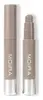
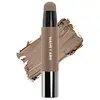
Moira Beauty Precision Sculpt Stick Bronzer & Contour Versus Haus Labs By Lady Gaga Precision Sculpt Shaping Balm Contour Stick

What's inside
What's inside
 Key Ingredients
Benefits
Concerns
Ingredients Side-by-side
Dimethicone
Emollient

Isononyl Isononanoate
EmollientSynthetic Wax
Abrasive

Caprylyl Methicone
Skin Conditioning
Caprylic/Capric Triglyceride
Masking


Polyglyceryl-2 Triisostearate
Emulsifying

Synthetic Beeswax
Emulsion Stabilising
Silica
Abrasive

Trimethylsiloxysilicate
Emollient
Boron Nitride
Absorbent
Lauroyl Lysine
Skin Conditioning
Diisostearyl Malate
EmollientCetyl PEG/PPG-10/1 Dimethicone
Emulsifying
CI 77120
Cosmetic ColorantDimethicone/Vinyl Dimethicone Crosspolymer
Skin Conditioning
Vinyl Dimethicone/Methicone Silsesquioxane Crosspolymer
Ricinus Communis Seed Oil
Masking

Squalane
Emollient
Polyglyceryl-2 Diisostearate
Emulsifying
Phenoxyethanol
Preservative
Vitis Vinifera Seed Oil
Emollient
Rosa Canina Fruit Extract
Astringent
Tocopheryl Acetate
Antioxidant


Olea Europaea Fruit Oil
Masking

Triethoxycaprylylsilane
Sodium Hyaluronate
Humectant
Ethylhexylglycerin
Skin ConditioningCeramide NP
Skin Conditioning

Hydrogenated Castor Oil
Emollient
Pentaerythrityl Tetra-Di-T-Butyl Hydroxyhydrocinnamate
Antioxidant
CI 77891
Cosmetic ColorantCI 77491
Cosmetic ColorantCI 77492
Cosmetic ColorantCI 77499
Cosmetic ColorantCI 16035
Cosmetic ColorantDimethicone, Isononyl Isononanoate, Synthetic Wax, Caprylyl Methicone, Caprylic/Capric Triglyceride, Polyglyceryl-2 Triisostearate, Synthetic Beeswax, Silica, Trimethylsiloxysilicate, Boron Nitride, Lauroyl Lysine, Diisostearyl Malate, Cetyl PEG/PPG-10/1 Dimethicone, CI 77120, Dimethicone/Vinyl Dimethicone Crosspolymer, Vinyl Dimethicone/Methicone Silsesquioxane Crosspolymer, Ricinus Communis Seed Oil, Squalane, Polyglyceryl-2 Diisostearate, Phenoxyethanol, Vitis Vinifera Seed Oil, Rosa Canina Fruit Extract, Tocopheryl Acetate, Olea Europaea Fruit Oil, Triethoxycaprylylsilane, Sodium Hyaluronate, Ethylhexylglycerin, Ceramide NP, Hydrogenated Castor Oil, Pentaerythrityl Tetra-Di-T-Butyl Hydroxyhydrocinnamate, CI 77891, CI 77491, CI 77492, CI 77499, CI 16035
Dimethicone
Emollient
Synthetic Wax
Abrasive
Silica
Abrasive
Polyglyceryl-2 Triisostearate
Emulsifying
Caprylyl Methicone
Skin Conditioning
Diisostearyl Malate
EmollientCaprylic/Capric Triglyceride
Masking
Trimethylsiloxysilicate
Emollient
Dimethicone/Vinyl Dimethicone Crosspolymer
Skin Conditioning
Ricinus Communis Seed Oil
Masking
Zea Mays Oil
Emulsifying
Vitis Vinifera Fruit Extract
Skin ConditioningRosa Hybrid Flower Extract
Skin ConditioningQuercus Suber Bark Extract
Skin ConditioningSqualane
Emollient
Arnica Montana Flower Extract
Masking
Angelica Gigas Root Extract
Skin ConditioningPseudozyma Epicola/Lithospermum Erythrorhizon Root Extract Ferment Filtrate Extract
EmollientPseudozyma Epicola/Avocado Oil Ferment Extract
Emollient
Prunus Armeniaca Kernel Oil
Masking
Olea Europaea Fruit Oil
Masking
Prunus Amygdalus Dulcis Oil
Skin Conditioning
Helianthus Annuus Seed Oil
Emollient
Glycyrrhiza Glabra Root/Sucrose Ferment Extract Filtrate
Antioxidant
Pseudozyma Epicola/Camellia Sinensis Seed Oil Ferment Extract Filtrate
Humectant
Pseudozyma Epicola/Sunflower Seed Oil Ferment Extract Filtrate
Emulsion Stabilising
Polyglyceryl-3 Diisostearate
Emulsifying
Polyglyceryl-3 Polyricinoleate
Emulsifying
Stearalkonium Bentonite
Gel FormingCalcium Sodium Borosilicate
Triethoxycaprylylsilane
Boron Nitride
Absorbent
Kaolin
Abrasive
Aluminum Hydroxide
EmollientPentaerythrityl Tetra-Di-T-Butyl Hydroxyhydrocinnamate
Antioxidant
Dicalcium Phosphate
Abrasive
Cetearyl Dimethicone/Vinyl Dimethicone Crosspolymer
Emollient
Polyhydroxystearic Acid
Emulsifying
CI 77891
Cosmetic ColorantCI 77491
Cosmetic ColorantCI 77492
Cosmetic ColorantCI 77007
Cosmetic ColorantDimethicone, Synthetic Wax, Silica, Polyglyceryl-2 Triisostearate, Caprylyl Methicone, Diisostearyl Malate, Caprylic/Capric Triglyceride, Trimethylsiloxysilicate, Dimethicone/Vinyl Dimethicone Crosspolymer, Ricinus Communis Seed Oil, Zea Mays Oil, Vitis Vinifera Fruit Extract, Rosa Hybrid Flower Extract, Quercus Suber Bark Extract, Squalane, Arnica Montana Flower Extract, Angelica Gigas Root Extract, Pseudozyma Epicola/Lithospermum Erythrorhizon Root Extract Ferment Filtrate Extract, Pseudozyma Epicola/Avocado Oil Ferment Extract, Prunus Armeniaca Kernel Oil, Olea Europaea Fruit Oil, Prunus Amygdalus Dulcis Oil, Helianthus Annuus Seed Oil, Glycyrrhiza Glabra Root/Sucrose Ferment Extract Filtrate, Pseudozyma Epicola/Camellia Sinensis Seed Oil Ferment Extract Filtrate, Pseudozyma Epicola/Sunflower Seed Oil Ferment Extract Filtrate, Polyglyceryl-3 Diisostearate, Polyglyceryl-3 Polyricinoleate, Stearalkonium Bentonite, Calcium Sodium Borosilicate, Triethoxycaprylylsilane, Boron Nitride, Kaolin, Aluminum Hydroxide, Pentaerythrityl Tetra-Di-T-Butyl Hydroxyhydrocinnamate, Dicalcium Phosphate, Cetearyl Dimethicone/Vinyl Dimethicone Crosspolymer, Polyhydroxystearic Acid, CI 77891, CI 77491, CI 77492, CI 77007
Reviews
Ingredients Explained
These ingredients are found in both products.
Ingredients higher up in an ingredient list are typically present in a larger amount.
Boron Nitride is compound consisting of boron and nitrogen. It is used to absorb oil and modify adherence/ slip in products.
This means it is often used in makeup products to help them last longer.
Caprylic/Capric Triglyceride (aka MCT Oil) is a lightweight emollient, solvent, and texture enhancer. It is considered a skin-softener by helping to prevent moisture loss.
Though it behaves like an oil, it is not technically one due to its chemical composition. One perk of this ingredient is that it is very stable, resistant to oxidation, and unlikely to go rancid.
In practice, that translates to a long shelf life and a consistently elegant skin feel.
While there is an assumption Caprylic Triglyceride can clog pores due to it being derived from coconut oil, there is no research supporting this. Just patch test if you have concerns.
Fractionated coconut oil and MCT Oil are both listed as Caprylic/Capric Triglyceride according to INCI. This is because INCI names are based on the ingredient’s final chemical composition and not its marketing name or source.
This ingredient is treated as the gold standard fungal acne safe oil. Even though it is coconut derived, the problematic lauric acid is stripped out.
This leaves just caprylic (C8) and capric (C10) acid. These chain lengths actually trend antifungal; a 2020 study found caprylic acid was enough to disrupt Malassezia furfur cell membrane, with a caprylic acid derivative damaging membrane structures at concentrations as low as 0.2%.
Learn more about Caprylic/Capric TriglycerideCaprylyl Methicone is a synthetic and lightweight silicone fluid. It gives products a silky, dry-touch finish without the heaviness of pure oils.
Though the EU CosIng Database lists this ingredient as a skin conditioner, it is also used for sensory reasons. It spreads easily, cuts greasiness, and reduces tackiness.
This ingredient is volatile which means it will mostly evaporate (but it evaporates slower than older cyclomethicones, like Cyclotetrasiloxane).
Typical concentration ranges from 1-30% depending on if it's being used to tweak the feel of a product or acting as the main emollient.
Learn more about Caprylyl MethiconeCi 77491 is also hydrated iron III oxide. It's sole purpose is to give a red/pink hue to products.
Iron III oxides are classified as inorganic chemicals for coloring.
Synthetically created Ci 77491 is considered safer than those naturally found. This is because the synthetically created version may contain less impurities. Iron oxides are generally non-toxic and non-allergenic.
Learn more about CI 77491CI 77492 is also hydrated iron III oxide. It's sole purpose is to give a yellow hue to products.
Iron III oxides are classified as inorganic chemicals for coloring.
Synthetically created CI 77492 is considered safer than those naturally found. This is because the synthetically created version may contain less impurities. Iron oxides are generally non-toxic and non-allergenic.
Learn more about CI 77492Ci 77891 is a white pigment from Titanium dioxide. It is naturally found in minerals such as rutile and ilmenite.
It's main function is to add a white color to cosmetics. It can also be mixed with other colors to create different shades.
Ci 77891 is commonly found in sunscreens due to its ability to block UV rays.
Learn more about CI 77891Diisostearyl Malate is an emollient and most often used in lip products. It comes from isostearyl alcohol, a fatty acid, and malic acid, an AHA.
As an emollient, Diisostearyl Malate helps create a thin film on your skin to trap moisture in. This helps keep your skin soft and smooth.
Dimethicone is a type of synthetic silicone created from natural materials such as quartz. It is also known as polydimethylsiloxane.
What it does:
Dimethicone comes in different viscosities:
Depending on the viscosity, dimethicone has different properties.
Ingredients lists don't always show which type is used, so we recommend reaching out to the brand if you have questions about the viscosity.
This ingredient is unlikely to cause irritation because it does not get absorbed into skin. However, people with silicone allergies should be careful about using this ingredient.
Note: Dimethicone may contribute to pilling. This is because it is not oil or water soluble, so pilling may occur when layered with products. When mixed with heavy oils in a formula, the outcome is also quite greasy.
Learn more about DimethiconeThis ingredient is a silicone elastomer that works as a texture enhancer, adds a silky slip, and also helps absorb excess oil.
Because it's a large macromolecule that's insoluble in water and chemically inert, it's not expected to penetrate or be absorbed into skin.
Human patch tests with a facial lotion containing 1% of this ingredient found no sensitization.
Learn more about Dimethicone/Vinyl Dimethicone CrosspolymerThis ingredient is also known as olive oil. It has been used in skincare for centuries and science largely backs up its reputation as a nourishing emollient.
The main components of olive oil are oleic acid (55-83%), linoleic acid (3.5-20%), and palmitic acid (7-20%). Oleic acid promotes skin regeneration and helps regulate inflammatory responses.
Squalene is also naturally present in olive oil and exhibits moisturizing and antioxidant properties.
The polyphenols in olive oil also show anti-aging promise; one clinical study found a measurable improvement in skin appearance after 30 days of topical serum use.
Just be aware that applying olive oil directly to skin can weaken the barrier and cause redness. One study with volunteers found even people without sensitive skin experienced a significant reduction in stratum corneum integrity and induced mild erythema.
It's best to use this ingredient as part of a carefully crafted formula (instead of putting it on skin directly from the bottle).
Because it has a 0-2 on the comedogenic scale, it is low risk for acne-prone skin. Just remember the overall formulation of a product matters more than a few ingredients with comedogenic ratings.
This ingredient may not be fungal acne safe because of the oleic and palmitic acid content. These fall within the C11-24 fatty acid range that the Malassezia yeast can metabolize to grow.
Overall, olive oil is a well-studied and nourishing skincare ingredient.
Learn more about Olea Europaea Fruit OilPentaerythrityl Tetra-Di-T-Butyl Hydroxyhydrocinnamate (long name, huh?) is a synthetic antioxidant.
It is used to help stabilize other antioxidants or prevent the color from changing in a product.
As an antioxidant, it helps fight free-radical molecules. Free-radical molecules are capable of damaging our cells and other genetic material. Thus, antioxidants may reduce the signs of aging.
This ingredient is oil-soluble.
Learn more about Pentaerythrityl Tetra-Di-T-Butyl HydroxyhydrocinnamatePolyglyceryl-2 Triisostearate is a plant-derived emulsifier and pigment-dispersing agent with a non-sticky skin feel.
It helps products glide on smoothly and prevents oil and water from separating in a formula, making it suitable for sunscreen and makeup formulations.
The EU inventory of cosmetics has no use restrictions on this ingredient and it is considered well-tolerated.
This ingredient may not be fungal acne safe because it is derived from isostearic acid.
Learn more about Polyglyceryl-2 TriisostearateThis ingredient is also known as castor oil. It is a skin conditioning ingredient.
The star component of castor oil is ricinoleic acid, an unusual fatty acid that makes up ~80-92% of its composition.
In skincare, it is an emollient that dries down to a solid film with water-binding properties. This helps keep skin hydrated and helps reduce transepidermal water loss (TEWL).
A 2026 dermatology review pulls together its broader uses:
Human clinical testing found this ingredient to be non-irritating and non-sensitizing.
Because castor oil contains fatty acids in the C11-24 range, this ingredient may not be fungal acne safe.
At this time, the literature does not support castor oil in regrowing hair. A 2022 systematic review found no strong evidence that it supports hair growth and only weak evidence that it improves hair shine.
Castor oil itself carries "perfuming" and "masking" function tags according to the official CosIng database. This is because of its mild odor and odor-dampening properties.
Learn more about Ricinus Communis Seed OilSilica, also known as silicon dioxide, is a naturally occurring mineral. It is used as a fine, spherical, and porous powder in cosmetics.
Though it has exfoliant properties, the function of silica varies depending on the product.
The unique structure of silica enhances the spreadability and adds smoothness, making it a great texture enhancer.
It is also used as an active carrier, emulsifier, and mattifier due to its ability to absorb excess oil.
In some products, tiny microneedles called spicules are made from silica or hydrolyzed sponge. When you rub them in, they lightly polish away dead skin layers and enhance the penetration of active ingredients.
Learn more about SilicaSqualane is the hydrogenated and shelf-stable form of squalene (a lipid that naturally occurs in human sebum).
It is an emollient and skin conditioning agent that is able to integrate seamlessly into the skin's lipid barrier without clogging pores.
This is due to how structurally similar it is to what your skin already produces.
Though it is mostly an emollient that helps soften and hydrate skin, it also has some humectant and occlusive action. Humectants help the skin retain moisture while occlusives seal it in, making squalane a triple-threat moisturizer.
Research shows it has antioxidant capabilities that help protect against stressors like UV exposure, specifically UVA induced oxidative stress. This study also found that it supports collagen biosynthesis in human dermal fibroblasts.
No clinical study has reported significant adverse effects and irritation reactions are very rare from this ingredient (even at 100% concentration).
Overall, it's a fantastic ingredient for hydration and is suitable for all skin types.
This depends on the source. Squalane can be derived from both plants and animals. Most squalane used in skincare comes from plants.
Please note: the source of squalane is only known if disclosed by the brand. We recommend reaching out to the brand if you have any questions about their squalane.
Read more about squalene with an "e".
Though squalane is often called an oil, it’s technically not one. It is a hydrocarbon, meaning it is only made of carbon and hydrogen. True oils are triglycerides and made of fatty acids and glycerol.
The term “oil-free” isn’t regulated so companies can define it however they want. Some exclude all oils, while others just avoid mineral oil or comedogenic oils.
Squalane has a comedogenic rating of 1 from the original 1972 study that tested raw ingredients under occlusion on rabbit ears. This system is not standardized or peer-reviewed, and using the raw ingredients is very different from how diluted cosmetic formulations are used on human skin.
A comedogenic rating of 1 means it is "unlikely to clog pores" according to the original rating system.
The overall formula of a product matters more than the individual ingredients on whether or not it will cause clogged pores.
Learn more about SqualaneSynthetic Wax is a manufactured hydrocarbon wax. In formulas, it works as an occlusive emollient that helps reduce water loss and improves the spreadability of products.
Research comparing synthetic wax to traditional mineral-derived products found that formulas containing it perform as well for skin hydration.
It is considered non-comedogenic and vegan-friendly.
This ingredient has a well-established safety record by the CIR Expert Panel for Cosmetic Ingredient Safety.
Synthetic Waxes are straight/branched-chain hydrocarbons with no ester bond or fatty acids. That means there is nothing for the Malassezia yeast to feed on.
Learn more about Synthetic WaxTriethoxycaprylylsilane is a silicon-based surface modifier that makes sunscreens feel silky and makeup stay put.
Its main job is to coat mineral particles like titanium dioxide, zinc oxide, and color pigments in a thin, oily layer so they spread smoothly, don't clump, and stick to skin better.
This ingredient is typically used at low levels (up to 2.5% in eyeshadow and 1% in lipstick).
Learn more about TriethoxycaprylylsilaneThis silicone is an emollient. Emollients create a thin film on the skin to prevent moisture from escaping.
It is not soluble in water and helps increase water-resistance in products.
According to a manufacturer, it can blend seamlessly with silicone oils, such as Cyclopentasiloxane.
Learn more about Trimethylsiloxysilicate

