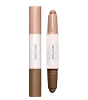
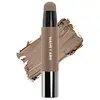
Merythod Double Contour Stick Versus Haus Labs By Lady Gaga Precision Sculpt Shaping Balm Contour Stick


What's inside
What's inside
 Key Ingredients
Benefits
Concerns
Ingredients Side-by-side
Triethylhexanoin
MaskingCI 77891
Cosmetic ColorantHydrogenated Polyisobutene
EmollientIsononyl Isononanoate
EmollientSynthetic Wax
Abrasive

Ceresin
Emulsion StabilisingCI 77492
Cosmetic ColorantDiisostearyl Malate
EmollientMica
Cosmetic ColorantCaprylic/Capric Triglyceride
Masking


CI 77499
Cosmetic ColorantCI 77491
Cosmetic ColorantVp/Hexadecene Copolymer
Sorbitan Isostearate
Emulsifying

Triethoxycaprylylsilane

Aluminum Hydroxide
EmollientStearalkonium Hectorite
Gel FormingPropylene Carbonate
SolventDiphenylsiloxy Phenyl Trimethicone
Skin Conditioning
Polyglyceryl-2 Triisostearate
Emulsifying
Bis-Diglyceryl Polyacyladipate-2
Emollient
Octyldodecanol
Emollient
Ozokerite
Emulsion StabilisingSilica
Abrasive

Polybutene
Ethylene/Propylene Copolymer
Abrasive
Alumina
Abrasive
Dehydroacetic Acid
Preservative
BHT
Antioxidant
Triethylhexanoin, CI 77891, Hydrogenated Polyisobutene, Isononyl Isononanoate, Synthetic Wax, Ceresin, CI 77492, Diisostearyl Malate, Mica, Caprylic/Capric Triglyceride, CI 77499, CI 77491, Vp/Hexadecene Copolymer, Sorbitan Isostearate, Triethoxycaprylylsilane, Aluminum Hydroxide, Stearalkonium Hectorite, Propylene Carbonate, Diphenylsiloxy Phenyl Trimethicone, Polyglyceryl-2 Triisostearate, Bis-Diglyceryl Polyacyladipate-2, Octyldodecanol, Ozokerite, Silica, Polybutene, Ethylene/Propylene Copolymer, Alumina, Dehydroacetic Acid, BHT
Dimethicone
Emollient
Synthetic Wax
Abrasive
Silica
Abrasive
Polyglyceryl-2 Triisostearate
Emulsifying
Caprylyl Methicone
Skin Conditioning
Diisostearyl Malate
EmollientCaprylic/Capric Triglyceride
Masking
Trimethylsiloxysilicate
Emollient
Dimethicone/Vinyl Dimethicone Crosspolymer
Skin Conditioning
Ricinus Communis Seed Oil
Masking

Zea Mays Oil
Emulsifying

Vitis Vinifera Fruit Extract
Skin ConditioningRosa Hybrid Flower Extract
Skin ConditioningQuercus Suber Bark Extract
Skin ConditioningSqualane
Emollient
Arnica Montana Flower Extract
Masking
Angelica Gigas Root Extract
Skin ConditioningPseudozyma Epicola/Lithospermum Erythrorhizon Root Extract Ferment Filtrate Extract
EmollientPseudozyma Epicola/Avocado Oil Ferment Extract
Emollient
Prunus Armeniaca Kernel Oil
Masking
Olea Europaea Fruit Oil
Masking
Prunus Amygdalus Dulcis Oil
Skin Conditioning
Helianthus Annuus Seed Oil
Emollient
Glycyrrhiza Glabra Root/Sucrose Ferment Extract Filtrate
Antioxidant
Pseudozyma Epicola/Camellia Sinensis Seed Oil Ferment Extract Filtrate
Humectant
Pseudozyma Epicola/Sunflower Seed Oil Ferment Extract Filtrate
Emulsion Stabilising
Polyglyceryl-3 Diisostearate
Emulsifying
Polyglyceryl-3 Polyricinoleate
Emulsifying
Stearalkonium Bentonite
Gel FormingCalcium Sodium Borosilicate
Triethoxycaprylylsilane
Boron Nitride
Absorbent
Kaolin
Abrasive
Aluminum Hydroxide
EmollientPentaerythrityl Tetra-Di-T-Butyl Hydroxyhydrocinnamate
Antioxidant
Dicalcium Phosphate
Abrasive
Cetearyl Dimethicone/Vinyl Dimethicone Crosspolymer
Emollient
Polyhydroxystearic Acid
Emulsifying
CI 77891
Cosmetic ColorantCI 77491
Cosmetic ColorantCI 77492
Cosmetic ColorantCI 77007
Cosmetic ColorantDimethicone, Synthetic Wax, Silica, Polyglyceryl-2 Triisostearate, Caprylyl Methicone, Diisostearyl Malate, Caprylic/Capric Triglyceride, Trimethylsiloxysilicate, Dimethicone/Vinyl Dimethicone Crosspolymer, Ricinus Communis Seed Oil, Zea Mays Oil, Vitis Vinifera Fruit Extract, Rosa Hybrid Flower Extract, Quercus Suber Bark Extract, Squalane, Arnica Montana Flower Extract, Angelica Gigas Root Extract, Pseudozyma Epicola/Lithospermum Erythrorhizon Root Extract Ferment Filtrate Extract, Pseudozyma Epicola/Avocado Oil Ferment Extract, Prunus Armeniaca Kernel Oil, Olea Europaea Fruit Oil, Prunus Amygdalus Dulcis Oil, Helianthus Annuus Seed Oil, Glycyrrhiza Glabra Root/Sucrose Ferment Extract Filtrate, Pseudozyma Epicola/Camellia Sinensis Seed Oil Ferment Extract Filtrate, Pseudozyma Epicola/Sunflower Seed Oil Ferment Extract Filtrate, Polyglyceryl-3 Diisostearate, Polyglyceryl-3 Polyricinoleate, Stearalkonium Bentonite, Calcium Sodium Borosilicate, Triethoxycaprylylsilane, Boron Nitride, Kaolin, Aluminum Hydroxide, Pentaerythrityl Tetra-Di-T-Butyl Hydroxyhydrocinnamate, Dicalcium Phosphate, Cetearyl Dimethicone/Vinyl Dimethicone Crosspolymer, Polyhydroxystearic Acid, CI 77891, CI 77491, CI 77492, CI 77007
Reviews
Ingredients Explained
These ingredients are found in both products.
Ingredients higher up in an ingredient list are typically present in a larger amount.
Aluminum Hydroxide is a form of aluminum. It can be naturally found in nature as the mineral gibbsite. In cosmetics, Aluminum Hydroxide is used as a colorant, pH adjuster, and absorbent.
As a colorant, Aluminum Hydroxide may add opacity, or reduce the transparency. Aluminum hydroxide is contains both basic and acidic properties.
According to manufacturers, this ingredient is an emollient and humectant. This means it helps hydrate the skin.
In medicine, this ingredient is used to help relieve heartburn and help heal ulcers.
There is currently no credible scientific evidence linking aluminum hydroxide in cosmetics to increased cancer risk.
Major health organizations allow the use of aluminum hydroxide in personal care products and have not flagged it as a carcinogenic risk at typical usage levels.
Learn more about Aluminum HydroxideCaprylic/Capric Triglyceride (aka MCT Oil) is a lightweight emollient, solvent, and texture enhancer. It is considered a skin-softener by helping to prevent moisture loss.
Though it behaves like an oil, it is not technically one due to its chemical composition. One perk of this ingredient is that it is very stable, resistant to oxidation, and unlikely to go rancid.
In practice, that translates to a long shelf life and a consistently elegant skin feel.
While there is an assumption Caprylic Triglyceride can clog pores due to it being derived from coconut oil, there is no research supporting this. Just patch test if you have concerns.
Fractionated coconut oil and MCT Oil are both listed as Caprylic/Capric Triglyceride according to INCI. This is because INCI names are based on the ingredient’s final chemical composition and not its marketing name or source.
This ingredient is treated as the gold standard fungal acne safe oil. Even though it is coconut derived, the problematic lauric acid is stripped out.
This leaves just caprylic (C8) and capric (C10) acid. These chain lengths actually trend antifungal; a 2020 study found caprylic acid was enough to disrupt Malassezia furfur cell membrane, with a caprylic acid derivative damaging membrane structures at concentrations as low as 0.2%.
Learn more about Caprylic/Capric TriglycerideCi 77491 is also hydrated iron III oxide. It's sole purpose is to give a red/pink hue to products.
Iron III oxides are classified as inorganic chemicals for coloring.
Synthetically created Ci 77491 is considered safer than those naturally found. This is because the synthetically created version may contain less impurities. Iron oxides are generally non-toxic and non-allergenic.
Learn more about CI 77491CI 77492 is also hydrated iron III oxide. It's sole purpose is to give a yellow hue to products.
Iron III oxides are classified as inorganic chemicals for coloring.
Synthetically created CI 77492 is considered safer than those naturally found. This is because the synthetically created version may contain less impurities. Iron oxides are generally non-toxic and non-allergenic.
Learn more about CI 77492Ci 77891 is a white pigment from Titanium dioxide. It is naturally found in minerals such as rutile and ilmenite.
It's main function is to add a white color to cosmetics. It can also be mixed with other colors to create different shades.
Ci 77891 is commonly found in sunscreens due to its ability to block UV rays.
Learn more about CI 77891Diisostearyl Malate is an emollient and most often used in lip products. It comes from isostearyl alcohol, a fatty acid, and malic acid, an AHA.
As an emollient, Diisostearyl Malate helps create a thin film on your skin to trap moisture in. This helps keep your skin soft and smooth.
Polyglyceryl-2 Triisostearate is a plant-derived emulsifier and pigment-dispersing agent with a non-sticky skin feel.
It helps products glide on smoothly and prevents oil and water from separating in a formula, making it suitable for sunscreen and makeup formulations.
The EU inventory of cosmetics has no use restrictions on this ingredient and it is considered well-tolerated.
This ingredient may not be fungal acne safe because it is derived from isostearic acid.
Learn more about Polyglyceryl-2 TriisostearateSilica, also known as silicon dioxide, is a naturally occurring mineral. It is used as a fine, spherical, and porous powder in cosmetics.
Though it has exfoliant properties, the function of silica varies depending on the product.
The unique structure of silica enhances the spreadability and adds smoothness, making it a great texture enhancer.
It is also used as an active carrier, emulsifier, and mattifier due to its ability to absorb excess oil.
In some products, tiny microneedles called spicules are made from silica or hydrolyzed sponge. When you rub them in, they lightly polish away dead skin layers and enhance the penetration of active ingredients.
Learn more about SilicaSynthetic Wax is a manufactured hydrocarbon wax. In formulas, it works as an occlusive emollient that helps reduce water loss and improves the spreadability of products.
Research comparing synthetic wax to traditional mineral-derived products found that formulas containing it perform as well for skin hydration.
It is considered non-comedogenic and vegan-friendly.
This ingredient has a well-established safety record by the CIR Expert Panel for Cosmetic Ingredient Safety.
Synthetic Waxes are straight/branched-chain hydrocarbons with no ester bond or fatty acids. That means there is nothing for the Malassezia yeast to feed on.
Learn more about Synthetic WaxTriethoxycaprylylsilane is a silicon-based surface modifier that makes sunscreens feel silky and makeup stay put.
Its main job is to coat mineral particles like titanium dioxide, zinc oxide, and color pigments in a thin, oily layer so they spread smoothly, don't clump, and stick to skin better.
This ingredient is typically used at low levels (up to 2.5% in eyeshadow and 1% in lipstick).
Learn more about Triethoxycaprylylsilane

