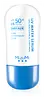
This mineral sunscreen covers the full UV range and blocks ~98% of UVB at SPF 50.
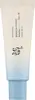
This chemical sunscreen covers the full UV range and blocks ~98% of UVB at SPF 50.


What's inside
What's inside
 Key Ingredients
Benefits
Concerns
Ingredients Side-by-side
Water
Skin ConditioningZinc Oxide
Cosmetic Colorant


Titanium Dioxide
Cosmetic Colorant
Isododecane
EmollientNeopentyl Glycol Diheptanoate
EmollientButylene Glycol
Humectant

Propanediol
Solvent
Dioctyldodeceth-5 Lauroyl Glutamate
EmollientAlumina
Abrasive
Ammonium Acryloyldimethyltaurate/Vp Copolymer
Caprylhydroxamic Acid
ChelatingGlyceryl Stearate
Emollient

Steareth-21
CleansingSteareth-2
EmulsifyingPEG-100 Stearate
Surfactant
Phenoxyethanol
Preservative
Methylpropanediol
SolventSimethicone
Emollient
Methyl Gluceth-20
Humectant
Triethanolamine
BufferingCarbomer
Emulsion StabilisingAscorbyl Tetraisopalmitate
Antioxidant


Tocopheryl Acetate
Antioxidant

Xanthan Gum
EmulsifyingSodium Hyaluronate
Humectant


Saxifraga Sarmentosa Extract
Skin ConditioningWater, Zinc Oxide, Titanium Dioxide, Isododecane, Neopentyl Glycol Diheptanoate, Butylene Glycol, Propanediol, Dioctyldodeceth-5 Lauroyl Glutamate, Alumina, Ammonium Acryloyldimethyltaurate/Vp Copolymer, Caprylhydroxamic Acid, Glyceryl Stearate, Steareth-21, Steareth-2, PEG-100 Stearate, Phenoxyethanol, Methylpropanediol, Simethicone, Methyl Gluceth-20, Triethanolamine, Carbomer, Ascorbyl Tetraisopalmitate, Tocopheryl Acetate, Xanthan Gum, Sodium Hyaluronate, Saxifraga Sarmentosa Extract
Water
Skin ConditioningOryza Sativa Seed Water
Antimicrobial
Dibutyl Adipate
EmollientButyloctyl Salicylate
Skin Conditioning
Ethylhexyl Triazone
UV Absorber
1,2-Hexanediol
Skin Conditioning
Drometrizole Trisiloxane
UV Absorber
Polyglyceryl-3 Distearate
Emulsifying
Terephthalylidene Dicamphor Sulfonic Acid
UV Absorber
Diethylamino Hydroxybenzoyl Hexyl Benzoate
UV Filter
Polymethylsilsesquioxane
Tromethamine
BufferingPanthenol
Skin Conditioning

Pentylene Glycol
Skin Conditioning
Glyceryl Stearate
Emollient
Silica
Abrasive
Caprylyl Methicone
Skin Conditioning
Avena Sativa Kernel Extract
Abrasive
Cynara Scolymus Leaf Extract
Skin ConditioningCamellia Sinensis Leaf Water
Masking
Hydrogenated Lecithin
Emulsifying
Oryza Sativa Bran Oil
Emollient
Sodium Hyaluronate
Humectant
Bis-Ethylhexyloxyphenol Methoxyphenyl Triazine
UV Absorber
Propanediol
Solvent
Potassium Cetyl Phosphate
EmulsifyingPoly C10-30 Alkyl Acrylate
Emulsion StabilisingMethylpropanediol
SolventCarbomer
Emulsion StabilisingAcrylates/C10-30 Alkyl Acrylate Crosspolymer
Emulsion StabilisingEthylhexylglycerin
Skin ConditioningXanthan Gum
EmulsifyingGlycerin
Humectant
Polyether-1
Polyquaternium-51
Skin Conditioning
Beta-Glucan
Skin Conditioning
Biosaccharide Gum-1
Humectant
Inositol
Humectant
Tocopherol
Antioxidant
Ferulic Acid
Antimicrobial
Citric Acid
Buffering
Ceramide NP
Skin Conditioning
Phytosphingosine
Skin Conditioning
Rice Amino Acids
Skin Conditioning
Rice Sh-Oligopeptide-1
Skin Conditioning
Water, Oryza Sativa Seed Water, Dibutyl Adipate, Butyloctyl Salicylate, Ethylhexyl Triazone, 1,2-Hexanediol, Drometrizole Trisiloxane, Polyglyceryl-3 Distearate, Terephthalylidene Dicamphor Sulfonic Acid, Diethylamino Hydroxybenzoyl Hexyl Benzoate, Polymethylsilsesquioxane, Tromethamine, Panthenol, Pentylene Glycol, Glyceryl Stearate, Silica, Caprylyl Methicone, Avena Sativa Kernel Extract, Cynara Scolymus Leaf Extract, Camellia Sinensis Leaf Water, Hydrogenated Lecithin, Oryza Sativa Bran Oil, Sodium Hyaluronate, Bis-Ethylhexyloxyphenol Methoxyphenyl Triazine, Propanediol, Potassium Cetyl Phosphate, Poly C10-30 Alkyl Acrylate, Methylpropanediol, Carbomer, Acrylates/C10-30 Alkyl Acrylate Crosspolymer, Ethylhexylglycerin, Xanthan Gum, Glycerin, Polyether-1, Polyquaternium-51, Beta-Glucan, Biosaccharide Gum-1, Inositol, Tocopherol, Ferulic Acid, Citric Acid, Ceramide NP, Phytosphingosine, Rice Amino Acids, Rice Sh-Oligopeptide-1
Reviews
Ingredients Explained
These ingredients are found in both products.
Ingredients higher up in an ingredient list are typically present in a larger amount.
Carbomer is a synthetic thickening and gelling agent. It's basically the ingredient that gives a lot of serums, gels, creams, and sunscreens their smooth, non-sticky texture.
Although legally permitted at very high levels, carbomers are normally used at concentrations below 1%.
It also needs to be neutralized to actually thicken, and because it is a large molecule, it doesn't really penetrate the skin barrier.
Allergy-wise, the risk is very low. Clinical studies show carbomers have low potential for skin irritation/sensitization even at concentrations up to 100%.
A 2024 UK study patch-tested 1,302 patients and found true allergy to the parent group of carbomer to be rare with no confirmed relevant reactions.
Learn more about CarbomerGlyceryl Stearate is made by reacting glycerin with stearic acid (typically sourced from plant oils like palm or coconut). It's an emulsifier, emollient, and mild occlusive.
Emulsifiers help ingredients like oil and water stay mixed so your formula stays nicely blended and uniform in texture.
This ingredient is typically used in concentrations between 1-10%. Studies have found it to be non-sensitizing, non-phototoxic, and non-photoallergenic.
A close cousin of this ingredient is Glyceryl Stearate SE ("self-emulsifying"). This just has a small amount of sodium or potassium stearate added so it can emulsify without a co-emulsifier.
Since this ingredient is an ester of a C18 fatty acid, it may not be fungal acne safe. The Malassezia yeast can potentially metabolize within the C11-C24 range.
Fun fact: The human body also creates Glyceryl Stearate naturally.
Learn more about Glyceryl StearateMethylpropanediol is a synthetic solvent and humectant.
As a solvent, it helps dissolve other ingredients, helping to evenly distribute ingredients throughout the product. This ingredient has also been shown to have antimicrobial properties which makes it a preservative booster.
Methylpropanediol is able to add a bit of moisture to the skin. It also helps other ingredients be better absorbed into the skin, such as salicylic acid.
Learn more about MethylpropanediolPropanediol is an all-star ingredient. It softens, hydrates, and smooths the skin.
It’s often used to:
Propanediol is not likely to cause sensitivity and considered safe to use. It is derived from corn or petroleum with a clear color and no scent.
Learn more about PropanediolSodium Hyaluronate is the salt form of hyaluronic acid. It is a long sugar chain that is naturally found in your skin, joints, and connective tissue that maintains hydration and elasticity.
In skincare, it works as a humectant. It pulls water from the environment and deeper layers of skin and binds it to the surface.
Interestingly, the size of the molecule affects its behavior:
Some clinical evidence links low molecular weight versions to improved wrinkle depth, elasticity, anti-inflammatory effects, and barrier repair.
Many serums use a blend of both weights so you can get surface hydration plus longer-lasting and deeper effects.
You'll typically see concentrations between 0.1-2% for this ingredient.
Learn more about Sodium HyaluronateWater. It's the most common cosmetic ingredient of all. You'll usually see it at the top of ingredient lists, meaning that it makes up the largest part of the product.
So why is it so popular? Water most often acts as a solvent - this means that it helps dissolve other ingredients into the formulation.
You'll also recognize water as that liquid we all need to stay alive. If you see this, drink a glass of water. Remember to stay hydrated!
Learn more about WaterXanthan gum is used as a stabilizer and thickener within cosmetic products. It helps give products a sticky, thick feeling - preventing them from being too runny.
On the technical side of things, xanthan gum is a polysaccharide - a combination consisting of multiple sugar molecules bonded together.
Xanthan gum is a pretty common and great ingredient. It is a natural, non-toxic, non-irritating ingredient that is also commonly used in food products.
Learn more about Xanthan Gum

