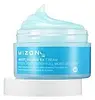
This barrier-repair moisturizer is formulated around Sodium Hyaluronate and Moringa Oleifera Seed Extract to strengthen the skin barrier and hydrate skin.
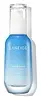
This hydrating essence is formulated around Saccharide Isomerate to hydrate skin and strengthen the skin barrier.

What's inside
What's inside
 Key Ingredients
Benefits
Concerns
Ingredients Side-by-side
Water
Skin ConditioningButylene Glycol
Humectant

Glycerin
Humectant
Cyclopentasiloxane
Emollient
Cyclohexasiloxane
Emollient
Alcohol
Antimicrobial




Glycereth-26
Humectant
1,2-Hexanediol
Skin Conditioning
Dimethicone
Emollient
Sodium Hyaluronate
Humectant


Moringa Oleifera Seed Extract
Skin Conditioning
Algae Extract
Emollient
Isomalt
HumectantLecithin
Emollient
Lactic Acid
Buffering





Sodium Benzoate
Masking
Sodium Carrageenan
Emulsion StabilisingSea Salt
Abrasive
Silica
Abrasive
Caprylic/Capric Triglyceride
Masking
Salicornia Herbacea Extract
Skin ConditioningAcrylates/C10-30 Alkyl Acrylate Crosspolymer
Emulsion StabilisingPotassium Hydroxide
BufferingHelianthus Annuus Seed Oil
Emollient

Citrus Aurantium Bergamia Fruit Oil
Masking

Pelargonium Graveolens Flower Oil
Masking
Rosa Damascena Flower Oil
Masking
Beta-Glucan
Skin Conditioning
Hamamelis Virginiana Leaf Extract
Skin Conditioning
Citrullus Lanatus Fruit Extract
Skin Conditioning
Ocimum Sanctum Leaf Extract
Skin ConditioningNelumbo Nucifera Flower Extract
Skin ConditioningSea Water
HumectantBetula Platyphylla Japonica Juice
Skin Conditioning
Biosaccharide Gum-1
Humectant
Glycyrrhiza Glabra Root Extract
Bleaching
Broussonetia Kazinoki Root Extract
Skin ConditioningBetaine
Humectant
Sodium PCA
Humectant
Sorbitol
Humectant
Serine
Masking
Glycine
Buffering
Glutamic Acid
Humectant
Alanine
Masking
Lysine
Skin ConditioningArginine
Masking
Threonine
Proline
Skin Conditioning
Disodium EDTA
ChelatingCI 42090
Cosmetic ColorantWater, Butylene Glycol, Glycerin, Cyclopentasiloxane, Cyclohexasiloxane, Alcohol, Glycereth-26, 1,2-Hexanediol, Dimethicone, Sodium Hyaluronate, Moringa Oleifera Seed Extract, Algae Extract, Isomalt, Lecithin, Lactic Acid, Sodium Benzoate, Sodium Carrageenan, Sea Salt, Silica, Caprylic/Capric Triglyceride, Salicornia Herbacea Extract, Acrylates/C10-30 Alkyl Acrylate Crosspolymer, Potassium Hydroxide, Helianthus Annuus Seed Oil, Citrus Aurantium Bergamia Fruit Oil, Pelargonium Graveolens Flower Oil, Rosa Damascena Flower Oil, Beta-Glucan, Hamamelis Virginiana Leaf Extract, Citrullus Lanatus Fruit Extract, Ocimum Sanctum Leaf Extract, Nelumbo Nucifera Flower Extract, Sea Water, Betula Platyphylla Japonica Juice, Biosaccharide Gum-1, Glycyrrhiza Glabra Root Extract, Broussonetia Kazinoki Root Extract, Betaine, Sodium PCA, Sorbitol, Serine, Glycine, Glutamic Acid, Alanine, Lysine, Arginine, Threonine, Proline, Disodium EDTA, CI 42090
Water
Skin ConditioningPropanediol
Solvent
Hexyldecyl Myristoyl Methylaminopropionate
EmollientIsostearyl Neopentanoate
Emollient
Glycerin
Humectant
Methyl Trimethicone
Skin Conditioning
Sea Water
HumectantSaccharide Isomerate
Humectant
Dimethicone
Emollient
Polyacrylate Crosspolymer-6
Emulsion StabilisingTromethamine
BufferingDimethicone/Vinyl Dimethicone Crosspolymer
Skin Conditioning
Butylene Glycol
Humectant
Glyceryl Caprylate
EmollientCarbomer
Emulsion StabilisingAcrylates/C10-30 Alkyl Acrylate Crosspolymer
Emulsion StabilisingDisodium EDTA
ChelatingEthylhexylglycerin
Skin Conditioning1,2-Hexanediol
Skin Conditioning
Parfum
Masking
Chenopodium Quinoa Seed Extract
Skin Conditioning
Magnesium Sulfate
Calcium Chloride
AstringentPhenoxyethanol
Preservative
Sodium Citrate
BufferingCitric Acid
Buffering
T-Butyl Alcohol
Perfuming
Beta Vulgaris Root Extract
Skin ConditioningManganese Sulfate
Skin ConditioningZinc Sulfate
Antimicrobial
Brassica Oleracea Acephala Leaf Extract
HumectantLecithin
Emollient
Nasturtium Officinale Extract
Perfuming
Tocopherol
Antioxidant

Lepidium Sativum Sprout Extract
Skin ConditioningAscorbyl Glucoside
Antioxidant
Water, Propanediol, Hexyldecyl Myristoyl Methylaminopropionate, Isostearyl Neopentanoate, Glycerin, Methyl Trimethicone, Sea Water, Saccharide Isomerate, Dimethicone, Polyacrylate Crosspolymer-6, Tromethamine, Dimethicone/Vinyl Dimethicone Crosspolymer, Butylene Glycol, Glyceryl Caprylate, Carbomer, Acrylates/C10-30 Alkyl Acrylate Crosspolymer, Disodium EDTA, Ethylhexylglycerin, 1,2-Hexanediol, Parfum, Chenopodium Quinoa Seed Extract, Magnesium Sulfate, Calcium Chloride, Phenoxyethanol, Sodium Citrate, Citric Acid, T-Butyl Alcohol, Beta Vulgaris Root Extract, Manganese Sulfate, Zinc Sulfate, Brassica Oleracea Acephala Leaf Extract, Lecithin, Nasturtium Officinale Extract, Tocopherol, Lepidium Sativum Sprout Extract, Ascorbyl Glucoside
Reviews
Ingredients Explained
These ingredients are found in both products.
Ingredients higher up in an ingredient list are typically present in a larger amount.
1,2-Hexanediol is a synthetic liquid and another multi-functional powerhouse.
It is a:
- Humectant, drawing moisture into the skin
- Emollient, helping to soften skin
- Solvent, dispersing and stabilizing formulas
- Preservative booster, enhancing the antimicrobial activity of other preservatives
Acrylates/C10-30 Alkyl Acrylate Crosspolymer is a synthetic polymer. It is used to thicken, emulsify, and improve the texture of products.
As an emulsifier, it helps stabilize oil-in-water emulsions to give products an elegant feel when applied.
It can also form a thin protective film on skin. One study found that a formula using this polymer helped slow down how quickly other ingredients (like DEET) were absorbed through skin.
A 2024 study of over 1,300 patients confirmed that sensitization to this ingredient is rare. It is also non-mutagenic and has a clean track record.
Learn more about Acrylates/C10-30 Alkyl Acrylate CrosspolymerButylene Glycol (or BG) is used within cosmetic products for a few different reasons:
Overall, Butylene Glycol is a safe and well-rounded ingredient that works well with other ingredients.
Though this ingredient works well with most skin types, some people with sensitive skin may experience a reaction such as allergic rashes, closed comedones, or itchiness.
Learn more about Butylene GlycolDimethicone is a type of synthetic silicone created from natural materials such as quartz. It is also known as polydimethylsiloxane.
What it does:
Dimethicone comes in different viscosities:
Depending on the viscosity, dimethicone has different properties.
Ingredients lists don't always show which type is used, so we recommend reaching out to the brand if you have questions about the viscosity.
This ingredient is unlikely to cause irritation because it does not get absorbed into skin. However, people with silicone allergies should be careful about using this ingredient.
Note: Dimethicone may contribute to pilling. This is because it is not oil or water soluble, so pilling may occur when layered with products. When mixed with heavy oils in a formula, the outcome is also quite greasy.
Learn more about DimethiconeDisodium EDTA is a chelating agent. It grabs onto and deactivates metal ions that sneak into your products from water, packaging, or air.
This ingredient mainly works behind the scenes and helps with:
On top of that, this ingredient can counteract the effects of hard water by binding to the minerals in it.
One thing worth knowing is that Disodium EDTA has been shown to be a mild penetration enhancer. It can help other ingredients absorb into skin more effectively which can be a double-edged sword (great for actives, but can also make the active too strong if you have sensitive skin).
Clinical patch testing showed no significant skin irritation at typical use concentrations and minimal dermal absorption.
You'll most likely see this ingredient near the end of an ingredient list. It's typically found in concentrations less than 1%.
Learn more about Disodium EDTAGlycerin (or glycerol) is a compound naturally found in your skin. It's a powerhouse humectant that pulls water into the stratum corneum.
Topically, glycerin does several things at once:
Your skin makes glycerin on its own (mostly from sebaceous oil breakdown) and shuttles it to your outermost layer of skin, or your epidermis, via aquaporin-3.
Aquaporin-3 is a transporter that is essential for normal skin hydration, elasticity, and repair. Interestingly, mice lacking in AQP3 have dry and less elastic skin that can be fully corrected with glycerin.
This ingredient is non-irritating, plays well with almost every ingredient, and works across all skin types. Typical use is anywhere between 3-10% but can go up to 79% in some leave-on products.
Just know very high concentrations (>40%) can feel tacky in low humidity.
Glycerin is the name for this ingredient in American English. British English uses Glycerol/Glycerine.
Learn more about GlycerinLecithin is a term for a group of substances found in the cell membranes of plants, animals, and humans. They are made up of phospholipids.
Thanks to its amphiphilic structure (water-loving head and oil-loving tail), it is a true multitasker:
It plays well with most ingredients and is typically used at 0.1-1%. However, concentrations up to 50% have been reported in moisturizers.
Learn more about LecithinWater. It's the most common cosmetic ingredient of all. You'll usually see it at the top of ingredient lists, meaning that it makes up the largest part of the product.
So why is it so popular? Water most often acts as a solvent - this means that it helps dissolve other ingredients into the formulation.
You'll also recognize water as that liquid we all need to stay alive. If you see this, drink a glass of water. Remember to stay hydrated!
Learn more about Water

