
What's inside
What's inside
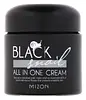 Key Ingredients
Benefits
Concerns
No concerns
Ingredients Side-by-side
Snail Secretion Filtrate
Skin Conditioning





Niacinamide
Smoothing







Helianthus Annuus Seed Oil
Emollient

Cetearyl Olivate
Sorbitan Olivate
Emulsifying
Butylene Glycol
Humectant
Synthetic Wax
Abrasive

Phenoxyethanol
Preservative
Water
Skin ConditioningEthylhexylglycerin
Skin ConditioningHydroxyethyl Acrylate/Sodium Acryloyldimethyl Taurate Copolymer
Emulsion StabilisingCarbomer
Emulsion StabilisingTriethanolamine
BufferingCaprylyl Glycol
Emollient
Sodium Polyacrylate
Absorbent
Adenosine
Skin Conditioning
Tropolone
Skin ConditioningCoptis Chinensis Root Extract
Antioxidant
Sorbitan Isostearate
Emulsifying
Polysorbate 60
Emulsifying
Disodium EDTA
Allantoin
Skin Conditioning
Panthenol
Skin Conditioning
Glycerin
Humectant
Theobroma Cacao Extract
Skin ConditioningDextrin
AbsorbentTocopherol
Antioxidant
1,2-Hexanediol
Skin Conditioning
Centella Asiatica Extract
Cleansing
Palmitoyl Tripeptide-5
Skin Conditioning
Beta-Glucan
Skin Conditioning
Copper Tripeptide-1
Skin Conditioning
Solanum Melongena Fruit Extract
Skin ConditioningCassia Obtusifolia Seed Extract
Skin ConditioningPorphyra Tenera Extract
Skin ConditioningFagus Sylvatica Seed Extract
Skin ConditioningDictyopteris Membranacea Extract
Antioxidant
Allium Sativum Bulb Extract
Skin ConditioningPrunus Mume Fruit Extract
Humectant
Polygonum Fagopyrum Seed Extract
Skin ConditioningRubus Coreanus Fruit Extract
Skin ConditioningMirabilis Jalapa Seed Extract
Skin ProtectingSepiolite
Charcoal Powder
Abrasive
Aronia Melanocarpa Fruit Extract
Skin ConditioningEuterpe Oleracea Fruit Extract
Sambucus Nigra Fruit Extract
AstringentMorus Alba Fruit Extract
Antioxidant
Rhus Semialata Gall Extract
Skin ConditioningCinnamomum Cassia Bark Extract
Masking
Inonotus Obliquus Extract
Skin ConditioningAnnona Cherimola Fruit Extract
Skin ConditioningCoffea Arabica Fruit Extract
Antioxidant
Vitis Vinifera Fruit Extract
Skin ConditioningCorthellus Shiitake Extract
Skin ProtectingPiper Nigrum Seed Extract
RefreshingSaccharum Officinarum Extract
MoisturisingRose Extract
Skin ConditioningSh-Oligopeptide-1
Skin Conditioning
Snail Secretion Filtrate, Niacinamide, Helianthus Annuus Seed Oil, Cetearyl Olivate, Sorbitan Olivate, Butylene Glycol, Synthetic Wax, Phenoxyethanol, Water, Ethylhexylglycerin, Hydroxyethyl Acrylate/Sodium Acryloyldimethyl Taurate Copolymer, Carbomer, Triethanolamine, Caprylyl Glycol, Sodium Polyacrylate, Adenosine, Tropolone, Coptis Chinensis Root Extract, Sorbitan Isostearate, Polysorbate 60, Disodium EDTA, Allantoin, Panthenol, Glycerin, Theobroma Cacao Extract, Dextrin, Tocopherol, 1,2-Hexanediol, Centella Asiatica Extract, Palmitoyl Tripeptide-5, Beta-Glucan, Copper Tripeptide-1, Solanum Melongena Fruit Extract, Cassia Obtusifolia Seed Extract, Porphyra Tenera Extract, Fagus Sylvatica Seed Extract, Dictyopteris Membranacea Extract, Allium Sativum Bulb Extract, Prunus Mume Fruit Extract, Polygonum Fagopyrum Seed Extract, Rubus Coreanus Fruit Extract, Mirabilis Jalapa Seed Extract, Sepiolite, Charcoal Powder, Aronia Melanocarpa Fruit Extract, Euterpe Oleracea Fruit Extract, Sambucus Nigra Fruit Extract, Morus Alba Fruit Extract, Rhus Semialata Gall Extract, Cinnamomum Cassia Bark Extract, Inonotus Obliquus Extract, Annona Cherimola Fruit Extract, Coffea Arabica Fruit Extract, Vitis Vinifera Fruit Extract, Corthellus Shiitake Extract, Piper Nigrum Seed Extract, Saccharum Officinarum Extract, Rose Extract, Sh-Oligopeptide-1
Snail Secretion Filtrate
Skin Conditioning
Water
Skin ConditioningButylene Glycol
Humectant
Glycerin
Humectant
Niacinamide
Smoothing
1,2-Hexanediol
Skin Conditioning
Pentylene Glycol
Skin Conditioning
Acrylates/C10-30 Alkyl Acrylate Crosspolymer
Emulsion StabilisingAloe Barbadensis Leaf Juice
Skin Conditioning
Copper Tripeptide-1
Skin Conditioning
Hexapeptide-11
Skin Conditioning
Hexapeptide-9
Skin Conditioning
Palmitoyl Pentapeptide-4
Skin Conditioning
Palmitoyl Tripeptide-1
Skin Conditioning
Tripeptide-1
Skin Conditioning
Panthenol
Skin Conditioning
Betaine
Humectant
Allantoin
Skin Conditioning
Diospyros Kaki Leaf Extract
Skin Protecting
Laminaria Digitata Extract
Skin Protecting
Salix Alba Bark Extract
Astringent
Plantago Asiatica Extract
Skin ConditioningUlmus Campestris Bark Extract
AstringentPolyglyceryl-10 Laurate
Skin Conditioning
Althaea Rosea Root Extract
HumectantAloe Barbadensis Leaf Extract
Emollient
Beta-Glucan
Skin Conditioning
Arginine
Masking
Xanthan Gum
EmulsifyingAdenosine
Skin Conditioning
Caprylyl Glycol
Emollient
Bee Venom
Astringent
Snail Secretion Filtrate, Water, Butylene Glycol, Glycerin, Niacinamide, 1,2-Hexanediol, Pentylene Glycol, Acrylates/C10-30 Alkyl Acrylate Crosspolymer, Aloe Barbadensis Leaf Juice, Copper Tripeptide-1, Hexapeptide-11, Hexapeptide-9, Palmitoyl Pentapeptide-4, Palmitoyl Tripeptide-1, Tripeptide-1, Panthenol, Betaine, Allantoin, Diospyros Kaki Leaf Extract, Laminaria Digitata Extract, Salix Alba Bark Extract, Plantago Asiatica Extract, Ulmus Campestris Bark Extract, Polyglyceryl-10 Laurate, Althaea Rosea Root Extract, Aloe Barbadensis Leaf Extract, Beta-Glucan, Arginine, Xanthan Gum, Adenosine, Caprylyl Glycol, Bee Venom
Reviews
Ingredients Explained
These ingredients are found in both products.
Ingredients higher up in an ingredient list are typically present in a larger amount.
1,2-Hexanediol is a synthetic liquid and another multi-functional powerhouse.
It is a:
- Humectant, drawing moisture into the skin
- Emollient, helping to soften skin
- Solvent, dispersing and stabilizing formulas
- Preservative booster, enhancing the antimicrobial activity of other preservatives
Adenosine is in every living organism. It is one of four components in nucleic acids that helps store our DNA.
Adenosine has many benefits when used. These benefits include hydrating the skin, smoothing skin, and reducing wrinkles. Once applied, adenosine increases collagen production. It also helps with improving firmness and tissue repair.
Studies have found adenosine may also help with wound healing.
In skincare products, Adenosine is usually derived from yeast.
Learn more about AdenosineAllantoin is a soothing ingredient known for its protective and moisturizing properties; it's basically a quiet workhorse ingredient you can find in a huge range of cosmetics.
Though it can be derived from the comfrey plant, allantoin is produced synthetically for cosmetic products to ensure purity.
Research shows it can encourage your skin cells to turn over and renew by stimulating keratinocyte and fibroblast proliferation.
It also has mild keratolytic properties to help loosen and shed dead skin cells without being harsh.
Studies also suggest allantoin can help calm inflammation by dialing down some of the chemical signals your skin sends out when it is irritated.
This ingredient is typically used in the 0.1-0.5% range, and the FDA recognizes it as a skin protectant in OTC products up to 2%.
Overall, allantoin is a wonderful addition to most routines; it is stable across a wide pH range (~4-8), works well with other ingredients, and is considered non-sensitizing/non-irritating.
Fun fact: Allantoin is naturally occurring in comfrey root, beets, chamomile, and wheat sprouts. Our bodies even produce it as a byproduct of uric acid metabolism.
Learn more about AllantoinBeta-Glucan is a polysaccharide. It can be derived from the cell walls of seaweed, oats, yeast, and fungi. It hydrates the skin and helps boost your skin's natural barrier.
As an antioxidant, beta-glucan helps fight free-radicals. Free-radicals are molecules that may damage your skin cells, such as pollution.
Studies show this ingredient may be an effective wrinkle reducer as it can deeply penetrate into skin. It has also been show to help with wound healing.
Learn more about Beta-GlucanButylene Glycol (or BG) is used within cosmetic products for a few different reasons:
Overall, Butylene Glycol is a safe and well-rounded ingredient that works well with other ingredients.
Though this ingredient works well with most skin types, some people with sensitive skin may experience a reaction such as allergic rashes, closed comedones, or itchiness.
Learn more about Butylene GlycolCaprylyl Glycol is a humectant, skin conditioner, emollient, and preservative booster derived from either caprylic acid or synthetically created.
Typical use levels vary from 0.3-1% as a preservative booster and go up to 2% to condition skin.
Because it is not a free-fatty acid or alcohol, this ingredient is fungal acne safe (there's nothing for Malassezia to feed on).
Learn more about Caprylyl GlycolCopper Tripeptide-1 (GHK-Cu) is a skin repairing ingredient known for its ability to boost collagen, improve firmness, and support skin regeneration.
It is a complex made up of a naturally occurring peptide (glycine-histidine-lysine) and copper, an essential trace element.
While studying wound healing, researchers noticed GHK-Cu stimulated hair follicle enlargement and growth by keeping hair in its active growth phase longer. This has made it a promising ingredient for hair regrowth treatments.
Some people have reported increased facial hair. While GHK-Cu can make your hair follicles bigger, it usually doesn’t turn soft, barely-visible facial hairs into thick, dark ones.
Anecdotal reports suggest that overusing copper peptides might lead to premature aging due to excess free copper or enzyme imbalances. This claim isn’t backed by large-scale studies.
Unfortunately, there are limited human studies for this ingredient. While early results are promising, many studies are either small, in-vitro, or not rigorously controlled.
For example, there is a 1998 study that explored the effects of copper tripeptide, vitamin C, tretinoin, and melatonin on skin repair and collagen synthesis.
After one month, increased procollagen production was seen in 7 out of 10 participants using copper tripeptide (more than those using vitamin C, melatonin, or tretinoin.
While the study was exploratory, it offers early evidence that copper tripeptide may support collagen production. Larger, well-designed trials are still needed to confirm its potential and understand individual responses.
Read more about other common types of peptides here:
Learn more about Copper Tripeptide-1Glycerin (or glycerol) is a compound naturally found in your skin. It's a powerhouse humectant that pulls water into the stratum corneum.
Topically, glycerin does several things at once:
Your skin makes glycerin on its own (mostly from sebaceous oil breakdown) and shuttles it to your outermost layer of skin, or your epidermis, via aquaporin-3.
Aquaporin-3 is a transporter that is essential for normal skin hydration, elasticity, and repair. Interestingly, mice lacking in AQP3 have dry and less elastic skin that can be fully corrected with glycerin.
This ingredient is non-irritating, plays well with almost every ingredient, and works across all skin types. Typical use is anywhere between 3-10% but can go up to 79% in some leave-on products.
Just know very high concentrations (>40%) can feel tacky in low humidity.
Glycerin is the name for this ingredient in American English. British English uses Glycerol/Glycerine.
Learn more about GlycerinNiacinamide is a multitasking form of vitamin B3 that strengthens the skin barrier, reduces pores and dark spots, regulates oil, and improves signs of aging.
And the best part? It's gentle and well-tolerated by most skin types, including sensitive and reactive skin.
You might have heard of "niacin flush", or the reddening of skin that causes itchiness. Niacinamide has not been found to cause this.
In very rare cases, some individuals may not be able to tolerate niacinamide at all or experience an allergic reaction to it.
If you are experiencing flaking, irritation, and dryness with this ingredient, be sure to double check all your products as this ingredient can be found in all categories of skincare.
When incorporating niacinamide into your routine, look out for concentration amounts. Typically, 5% niacinamide provides benefits such as fading dark spots. However, if you have sensitive skin, it is better to begin with a smaller concentration.
When you apply niacinamide to your skin, your body converts it into nicotinamide adenine dinucleotide (NAD). NAD is an essential coenzyme that is already found in your cells as "fuel" and powers countless biological processes.
In your skin, NAD helps repair cell damage, produce new healthy cells, support collagen production, strengthen the skin barrier, and fight environmental stressors (like UV and pollution).
Our natural NAD levels start to decline with age, leading to slower skin repair, visible aging, and a weaker skin barrier. By providing your skin niacinamide, you're recharging your skin's NAD levels. This leads to stronger, healthier, and younger looking skin.
Another name for vitamin B3 is nicotinamide. This vitamin is water-soluble and our bodies don't store it. We obtain Vitamin B3 from either food or skincare. Meat, fish, wheat, yeast, and leafy greens contain vitamin B3.
The type of niacinamide used in skincare is synthetically created.
Learn more about NiacinamidePanthenol is a common ingredient that helps hydrate and soothe the skin. It is found naturally in our skin and hair.
There are two forms of panthenol: D and L.
D-panthenol is also known as dexpanthenol. Most cosmetics use dexpanthenol or a mixture of D and L-panthenol.
Panthenol is famous due to its ability to go deeper into the skin's layers. Using this ingredient has numerous pros (and no cons):
Like hyaluronic acid, panthenol is a humectant. Humectants are able to bind and hold large amounts of water to keep skin hydrated.
This ingredient works well for wound healing. It works by increasing tissue in the wound and helps close open wounds.
Once oxidized, panthenol converts to pantothenic acid. Panthothenic acid is found in all living cells.
This ingredient is also referred to as pro-vitamin B5.
Learn more about PanthenolSnail Secretion Filtrate is the excretion from snails. It is an effective moisturizer and promotes collagen production.
A popular nickname for this ingredient is 'Snail Mucin'.
Snail mucin has numerous skin benefits:
On top of this, Snail Secretion Filtrate contains a variety of vitamins and minerals. These include copper peptides, Vitamin A, and Vitamin E. Vitamins A and E are antioxidants. Antioxidants help fight free-radicals that damage skin cells.
Being cruelty-free means a brand does not experiment on animals.
If you're worried about the well-being of the snails, we recommend looking more into the company of the product. Many brands have developed humane methods to collect snail mucin.
There is much debate on this subject. On one hand, this ingredient comes from an animal. On the other hand, many will argue the ingredient is naturally secreted (like a natural by-product) and therefore vegan. If you have reservations, you can look into Galactomyces Ferment Filtrate or Centella Asiatica Extract as alternatives.
Learn more about Snail Secretion FiltrateWater. It's the most common cosmetic ingredient of all. You'll usually see it at the top of ingredient lists, meaning that it makes up the largest part of the product.
So why is it so popular? Water most often acts as a solvent - this means that it helps dissolve other ingredients into the formulation.
You'll also recognize water as that liquid we all need to stay alive. If you see this, drink a glass of water. Remember to stay hydrated!
Learn more about Water
