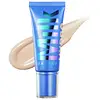
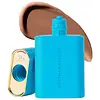
Milk Makeup Hydro Grip 12-Hour Hydrating Gel Skin Tint Versus Westman Atelier Sun Tone Bronzing Drops

What's inside
What's inside
 Key Ingredients
Benefits
Concerns
Ingredients Side-by-side
Water
Skin ConditioningIsononyl Isononanoate
EmollientPropanediol
Solvent

Isostearyl Neopentanoate
Emollient

Glycerin
Humectant
Octyldodecyl Stearoyl Stearate
Emollient

Polyglyceryl-2 Dipolyhydroxystearate
Skin Conditioning
Saccharomyces/Xylinum/Black Tea Ferment
Skin Conditioning
Hydrogenated Ethylhexyl Olivate
EmollientCoco-Caprylate/Caprate
Emollient
Dicaprylyl Ether
Emollient
Polyglyceryl-6 Polyricinoleate
Emulsifying
Squalane
Emollient
Polyglyceryl-3 Diisostearate
Emulsifying
Dimer Dilinoleyl Dimer Dilinoleate
EmollientPullulan
Niacinamide
Smoothing







Sodium Hyaluronate
Humectant
Cannabis Sativa Seed Oil
Emollient
Agave Tequilana Leaf Extract
AstringentButyrospermum Parkii Butter
Skin Conditioning
Helianthus Annuus Seed Oil
Emollient
Hydrogenated Olive Oil Unsaponifiables
Emollient
Tocopherol
Antioxidant

Pentaerythrityl Tetra-Di-T-Butyl Hydroxyhydrocinnamate
Antioxidant
Lecithin
Emollient
Dipalmitoyl Hydroxyproline
Skin Conditioning
Magnesium Sulfate
Disteardimonium Hectorite
StabilisingPropylene Carbonate
SolventHydrogenated Styrene/Methylstyrene/Indene Copolymer
Lauroyl Lysine
Skin Conditioning
Stearic Acid
Cleansing
Zinc Stearate
Cosmetic ColorantAllantoin
Skin Conditioning
Distarch Phosphate
AbsorbentPalmitic Acid
Emollient
Maltose
MaskingPotassium Sorbate
Preservative
Sodium Dehydroacetate
Preservative
Sodium Benzoate
Masking
Phenoxyethanol
Preservative
CI 77891
Cosmetic ColorantCI 77491
Cosmetic ColorantCI 77492
Cosmetic ColorantCI 77499
Cosmetic ColorantWater, Isononyl Isononanoate, Propanediol, Isostearyl Neopentanoate, Glycerin, Octyldodecyl Stearoyl Stearate, Polyglyceryl-2 Dipolyhydroxystearate, Saccharomyces/Xylinum/Black Tea Ferment, Hydrogenated Ethylhexyl Olivate, Coco-Caprylate/Caprate, Dicaprylyl Ether, Polyglyceryl-6 Polyricinoleate, Squalane, Polyglyceryl-3 Diisostearate, Dimer Dilinoleyl Dimer Dilinoleate, Pullulan, Niacinamide, Sodium Hyaluronate, Cannabis Sativa Seed Oil, Agave Tequilana Leaf Extract, Butyrospermum Parkii Butter, Helianthus Annuus Seed Oil, Hydrogenated Olive Oil Unsaponifiables, Tocopherol, Pentaerythrityl Tetra-Di-T-Butyl Hydroxyhydrocinnamate, Lecithin, Dipalmitoyl Hydroxyproline, Magnesium Sulfate, Disteardimonium Hectorite, Propylene Carbonate, Hydrogenated Styrene/Methylstyrene/Indene Copolymer, Lauroyl Lysine, Stearic Acid, Zinc Stearate, Allantoin, Distarch Phosphate, Palmitic Acid, Maltose, Potassium Sorbate, Sodium Dehydroacetate, Sodium Benzoate, Phenoxyethanol, CI 77891, CI 77491, CI 77492, CI 77499
Water
Skin ConditioningButylene Glycol
Humectant
Glycerin
Humectant
Octyldodecanol
Emollient
C10-18 Triglycerides
Emollient
Mica
Cosmetic ColorantPentylene Glycol
Skin Conditioning
Zea Mays Starch
Absorbent
Polyglyceryl-4 Caprate
EmulsifyingPolyglyceryl-3 Polyricinoleate
Emulsifying
Glyceryl Stearate
Emollient
Xylitol
Humectant
Isosorbide Dicaprylate/Caprate
Isosorbide
HumectantDaucus Carota Sativa Seed Oil
Emollient
Glyceryl Caprylate/Caprate
EmollientHelianthus Annuus Seed Oil
Emollient
Sodium Stearoyl Lactylate
EmulsifyingPolyglyceryl-3 Diisostearate
Emulsifying
Xanthan Gum
EmulsifyingTapioca Starch
Algin
MaskingTocopherol
Antioxidant
Potassium Sorbate
Preservative
Tin Oxide
Abrasive
CI 77891
Cosmetic ColorantCI 77491
Cosmetic ColorantCI 77492
Cosmetic ColorantWater, Butylene Glycol, Glycerin, Octyldodecanol, C10-18 Triglycerides, Mica, Pentylene Glycol, Zea Mays Starch, Polyglyceryl-4 Caprate, Polyglyceryl-3 Polyricinoleate, Glyceryl Stearate, Xylitol, Isosorbide Dicaprylate/Caprate, Isosorbide, Daucus Carota Sativa Seed Oil, Glyceryl Caprylate/Caprate, Helianthus Annuus Seed Oil, Sodium Stearoyl Lactylate, Polyglyceryl-3 Diisostearate, Xanthan Gum, Tapioca Starch, Algin, Tocopherol, Potassium Sorbate, Tin Oxide, CI 77891, CI 77491, CI 77492
Reviews
Ingredients Explained
These ingredients are found in both products.
Ingredients higher up in an ingredient list are typically present in a larger amount.
Ci 77491 is also hydrated iron III oxide. It's sole purpose is to give a red/pink hue to products.
Iron III oxides are classified as inorganic chemicals for coloring.
Synthetically created Ci 77491 is considered safer than those naturally found. This is because the synthetically created version may contain less impurities. Iron oxides are generally non-toxic and non-allergenic.
Learn more about CI 77491CI 77492 is also hydrated iron III oxide. It's sole purpose is to give a yellow hue to products.
Iron III oxides are classified as inorganic chemicals for coloring.
Synthetically created CI 77492 is considered safer than those naturally found. This is because the synthetically created version may contain less impurities. Iron oxides are generally non-toxic and non-allergenic.
Learn more about CI 77492Ci 77891 is a white pigment from Titanium dioxide. It is naturally found in minerals such as rutile and ilmenite.
It's main function is to add a white color to cosmetics. It can also be mixed with other colors to create different shades.
Ci 77891 is commonly found in sunscreens due to its ability to block UV rays.
Learn more about CI 77891Glycerin (or glycerol) is a compound naturally found in your skin. It's a powerhouse humectant that pulls water into the stratum corneum.
Topically, glycerin does several things at once:
Your skin makes glycerin on its own (mostly from sebaceous oil breakdown) and shuttles it to your outermost layer of skin, or your epidermis, via aquaporin-3.
Aquaporin-3 is a transporter that is essential for normal skin hydration, elasticity, and repair. Interestingly, mice lacking in AQP3 have dry and less elastic skin that can be fully corrected with glycerin.
This ingredient is non-irritating, plays well with almost every ingredient, and works across all skin types. Typical use is anywhere between 3-10% but can go up to 79% in some leave-on products.
Just know very high concentrations (>40%) can feel tacky in low humidity.
Glycerin is the name for this ingredient in American English. British English uses Glycerol/Glycerine.
Learn more about GlycerinHelianthus Annuus Seed Oil is a plant oil derived from the seeds of a sunflower.
It is rich in fatty acids, primarily linoleic acid and oleic acid. This gives it emollient and skin conditioning properties.
The reason this ingredient is so effective is because it forms a thin film on the skin that reduces transepidermal water loss (TEWL) while supplying linoleic acid to the stratum corneum to improve barrier strength.
The high linoleic acid content is particularly noteworthy for acne-prone skin.
Research suggests that acne-prone skin tends to be deficient in linoleic acid in sebum. Topical application may help replenish this to support a healthier follicular environment and less comedone-promoting sebum.
One randomized study found sunflower seed oil preserved skin barrier integrity in adult volunteers with and without atopic dermatitis (outperforming olive oil).
This ingredient is well-studied, gentle, and an effective emollient suitable for most skin types.
On fungal acne: This ingredient may not be Fungal acne (Malassezia folliculitis) safe. This is because it contains fatty acids with carbon chain lengths in the C11-C24 range.
Learn more about Helianthus Annuus Seed OilPolyglyceryl-3 Diisostearate is a plant-derived, oil-soluble emulsifier. It keeps water-in-oil emulsions stable to prevent the ingredients from separating.
On the safety front, it's considered non-irritating and well-tolerated (it can even be found in formulations for baby skin).
This ingredient may not be fungal acne safe because research has shown that the Malassezia species can grow in the presence of fatty acid esters with chain lengths above C12 (and this one is C18).
While it does have a comedogenic rating of 4, the comedogenic rating scale was developed from rabbit ear models which has limited clinical relevance to human skin. Studies also show that comedogenic ingredients cannot predict how the overall formula will behave on human skin.
Learn more about Polyglyceryl-3 DiisostearatePotassium Sorbate is a preservative used to prevent yeast and mold in products. It is commonly found in both cosmetic and food products.
This ingredient comes from potassium salt derived from sorbic acid. Sorbic acid is a natural antibiotic and effective against fungus.
Both potassium sorbate and sorbic acid can be found in baked goods, cheeses, dried meats, dried fruit, ice cream, pickles, wine, yogurt, and more.
You'll often find this ingredient used with other preservatives.
Learn more about Potassium SorbateTocopherol is a fat-soluble antioxidant known as Vitamin E.
You'll find this ingredient in the vast majority of skincare (for good reason). It works to neutralize free radicals, or unstable molecules generated by UV exposure, pollution, and other environmental stressors, before they can cause oxidative damage to your skin cells.
Topically applied tocopherol has been shown to protect against UV damage by ramping up the skin's own natural defense enzymes.
It also acts as a skin conditioning agent; some studies show that regular topical use can improve the skin's water-binding capacity over 2-4 weeks.
This ingredient is especially loved for being a team player. When combined with Vitamin C, the photoprotective effect of both ingredients roughly doubles and the combo also helps reduce UV-induced DNA damage.
This ingredient has some brightening potential but it's more of a prevention ingredient than spot-fader. Cell studies show it can slow down melanin production but it's worth noting that it's not the most powerful brightener out there.
In formulations, it also serves as a stabilizer that helps protect other oxidation-prone ingredients from degrading.
Concentrations usually range from 0.1-1% in most leave-on products.
Learn more about TocopherolWater. It's the most common cosmetic ingredient of all. You'll usually see it at the top of ingredient lists, meaning that it makes up the largest part of the product.
So why is it so popular? Water most often acts as a solvent - this means that it helps dissolve other ingredients into the formulation.
You'll also recognize water as that liquid we all need to stay alive. If you see this, drink a glass of water. Remember to stay hydrated!
Learn more about Water

