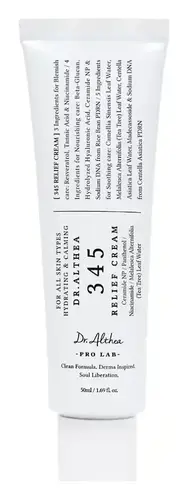
This calming treatment is formulated around Zinc Oxide and Panthenol to calm redness and strengthen the skin barrier.
This brightening moisturizer is formulated around Niacinamide and Tranexamic Acid to fade the look of dark spots and brighten dull-looking skin.


What's inside
What's inside
 Key Ingredients
Benefits
Concerns
Ingredients Side-by-side





Water
Skin ConditioningGlycerin
Humectant


Niacinamide
Smoothing









Methylpropanediol
SolventPropanediol
Solvent
1,2-Hexanediol
Skin Conditioning
Dipropylene Glycol
HumectantCaprylic/Capric Triglyceride
Masking
Glyceryl Glucoside
Humectant
Butylene Glycol
Humectant
Arginine
Masking
Ethylhexyl Palmitate
Emollient




Carbomer
Emulsion StabilisingCetearyl Alcohol
Emollient
Cetearyl Olivate
Sorbitan Olivate
Emulsifying
C12-14 Alketh-12
EmulsifyingAmmonium Acryloyldimethyltaurate/Vp Copolymer
Simethicone
Emollient
Ethylhexylglycerin
Skin ConditioningMelia Azadirachta Flower Extract
Skin ConditioningMelia Azadirachta Leaf Extract
Skin ConditioningAdenosine
Skin Conditioning
Polyacrylate-13
Disodium EDTA
Cyanocobalamin
Skin ConditioningTriethyl Citrate
Masking

Betaine
Humectant
Polyisobutene
Glyceryl Stearate
Emollient
Hydrolyzed Sclerotium Gum
HumectantTranexamic Acid
Astringent
Abelmoschus Esculentus Fruit Extract
Skin ConditioningPanthenol
Skin Conditioning
Coccinia Indica Fruit Extract
Skin Conditioning
Corallina Officinalis Extract
Skin Conditioning
Polysorbate 20
Emulsifying
Sorbitan Isostearate
Emulsifying
Glutathione
Fragaria Vesca Fruit Extract
AstringentCastanea Crenata Shell Extract
Skin ConditioningCitrus Junos Peel Extract
Skin ConditioningBetula Platyphylla Japonica Bark
Skin ConditioningRicinus Communis Seed Oil
Masking
Bisabolol
Antioxidant
Ferulic Acid
Antimicrobial
Cymbopogon Citratus Leaf Oil
Masking


Illicium Verum Fruit/Seed Oil
Masking
Octyldodecanol
Emollient
Hydrolyzed Hyaluronic Acid
Humectant
3-O-Ethyl Ascorbic Acid
Skin Conditioning
Sodium Hyaluronate
Humectant
Alpha-Arbutin
Antioxidant
Hydrogenated Lecithin
Emulsifying
Ceramide NP
Skin Conditioning
Hydroxypropyltrimonium Hyaluronate
Caprylyl Glycol
Emollient
Sodium Acetylated Hyaluronate
Humectant
Hyaluronic Acid
Humectant
Sodium Hyaluronate Crosspolymer
Humectant
Hydrolyzed Sodium Hyaluronate
Skin Conditioning
Potassium Hyaluronate
Skin ConditioningWater, Glycerin, Niacinamide, Methylpropanediol, Propanediol, 1,2-Hexanediol, Dipropylene Glycol, Caprylic/Capric Triglyceride, Glyceryl Glucoside, Butylene Glycol, Arginine, Ethylhexyl Palmitate, Carbomer, Cetearyl Alcohol, Cetearyl Olivate, Sorbitan Olivate, C12-14 Alketh-12, Ammonium Acryloyldimethyltaurate/Vp Copolymer, Simethicone, Ethylhexylglycerin, Melia Azadirachta Flower Extract, Melia Azadirachta Leaf Extract, Adenosine, Polyacrylate-13, Disodium EDTA, Cyanocobalamin, Triethyl Citrate, Betaine, Polyisobutene, Glyceryl Stearate, Hydrolyzed Sclerotium Gum, Tranexamic Acid, Abelmoschus Esculentus Fruit Extract, Panthenol, Coccinia Indica Fruit Extract, Corallina Officinalis Extract, Polysorbate 20, Sorbitan Isostearate, Glutathione, Fragaria Vesca Fruit Extract, Castanea Crenata Shell Extract, Citrus Junos Peel Extract, Betula Platyphylla Japonica Bark, Ricinus Communis Seed Oil, Bisabolol, Ferulic Acid, Cymbopogon Citratus Leaf Oil, Illicium Verum Fruit/Seed Oil, Octyldodecanol, Hydrolyzed Hyaluronic Acid, 3-O-Ethyl Ascorbic Acid, Sodium Hyaluronate, Alpha-Arbutin, Hydrogenated Lecithin, Ceramide NP, Hydroxypropyltrimonium Hyaluronate, Caprylyl Glycol, Sodium Acetylated Hyaluronate, Hyaluronic Acid, Sodium Hyaluronate Crosspolymer, Hydrolyzed Sodium Hyaluronate, Potassium Hyaluronate
Reviews
Ingredients Explained
These ingredients are found in both products.
Ingredients higher up in an ingredient list are typically present in a larger amount.
Panthenol is a common ingredient that helps hydrate and soothe the skin. It is found naturally in our skin and hair.
There are two forms of panthenol: D and L.
D-panthenol is also known as dexpanthenol. Most cosmetics use dexpanthenol or a mixture of D and L-panthenol.
Panthenol is famous due to its ability to go deeper into the skin's layers. Using this ingredient has numerous pros (and no cons):
Like hyaluronic acid, panthenol is a humectant. Humectants are able to bind and hold large amounts of water to keep skin hydrated.
This ingredient works well for wound healing. It works by increasing tissue in the wound and helps close open wounds.
Once oxidized, panthenol converts to pantothenic acid. Panthothenic acid is found in all living cells.
This ingredient is also referred to as pro-vitamin B5.
Learn more about PanthenolSodium Hyaluronate is the salt form of hyaluronic acid. It is a long sugar chain that is naturally found in your skin, joints, and connective tissue that maintains hydration and elasticity.
In skincare, it works as a humectant. It pulls water from the environment and deeper layers of skin and binds it to the surface.
Interestingly, the size of the molecule affects its behavior:
Some clinical evidence links low molecular weight versions to improved wrinkle depth, elasticity, anti-inflammatory effects, and barrier repair.
Many serums use a blend of both weights so you can get surface hydration plus longer-lasting and deeper effects.
You'll typically see concentrations between 0.1-2% for this ingredient.
Learn more about Sodium HyaluronateWater. It's the most common cosmetic ingredient of all. You'll usually see it at the top of ingredient lists, meaning that it makes up the largest part of the product.
So why is it so popular? Water most often acts as a solvent - this means that it helps dissolve other ingredients into the formulation.
You'll also recognize water as that liquid we all need to stay alive. If you see this, drink a glass of water. Remember to stay hydrated!
Learn more about Water