MediCube Zero Pore SA Clear Capsule Cleansing Foam Versus Hyper Skin Hyper Even Gentle Brightening Cleansing Gel
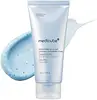
This salicylic acid foaming cleanser is formulated around Salicylic Acid to clear breakouts and unclog pores.
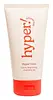
This mandelic acid gel cleanser is formulated around Mandelic Acid to exfoliate and smooth skin.


What's inside
What's inside
 Key Ingredients
Benefits
Concerns
Ingredients Side-by-side
Water
Skin ConditioningGlycerin
Humectant


Sodium Cocoyl Glycinate
Cleansing
Sodium Lauroyl Glutamate
SurfactantLauryl Hydroxysultaine
CleansingCoco-Glucoside
Cleansing
Decyl Glucoside
Cleansing
1,2-Hexanediol
Skin Conditioning
Salicylic Acid 0.45%
Masking










Sodium Chloride
MaskingCaprylyl Glycol
Emollient
Hydroxypropyl Starch Phosphate
Silica
Abrasive
Parfum
Masking

Acrylates/C10-30 Alkyl Acrylate Crosspolymer
Emulsion StabilisingCitric Acid
Buffering
Polyquaternium-67
Dextrin
AbsorbentZea Mays Starch
Absorbent
Microcrystalline Cellulose
AbsorbentMannitol
Humectant
Disodium EDTA
ChelatingSucrose
Humectant
Gardenia Florida Flower Extract
Skin ConditioningSodium Acetate
BufferingUltramarines
Tocopheryl Acetate
Antioxidant

Isopropyl Alcohol
Solvent
Butylene Glycol
Humectant
Gluconolactone
Chelating

Mandelic Acid
Antimicrobial
Salix Alba Bark Extract
Astringent
Melaleuca Viminalis Extract
Flower Extract
Camellia Sinensis Leaf Extract
Antimicrobial
Dioscorea Villosa Root Extract
Skin Conditioning
Coffea Arabica Seed Extract
Masking
Pueraria Lobata Root Extract
HumectantPinus Palustris Leaf Extract
TonicOenothera Biennis Flower Extract
AstringentUlmus Davidiana Root Extract
Skin Conditioning
Mentha Citrata Leaf Extract
Astringent
Pinus Pinaster Leaf Extract
Skin ConditioningWater, Glycerin, Sodium Cocoyl Glycinate, Sodium Lauroyl Glutamate, Lauryl Hydroxysultaine, Coco-Glucoside, Decyl Glucoside, 1,2-Hexanediol, Salicylic Acid 0.45%, Sodium Chloride, Caprylyl Glycol, Hydroxypropyl Starch Phosphate, Silica, Parfum, Acrylates/C10-30 Alkyl Acrylate Crosspolymer, Citric Acid, Polyquaternium-67, Dextrin, Zea Mays Starch, Microcrystalline Cellulose, Mannitol, Disodium EDTA, Sucrose, Gardenia Florida Flower Extract, Sodium Acetate, Ultramarines, Tocopheryl Acetate, Isopropyl Alcohol, Butylene Glycol, Gluconolactone, Mandelic Acid, Salix Alba Bark Extract, Melaleuca Viminalis Extract, Flower Extract, Camellia Sinensis Leaf Extract, Dioscorea Villosa Root Extract, Coffea Arabica Seed Extract, Pueraria Lobata Root Extract, Pinus Palustris Leaf Extract, Oenothera Biennis Flower Extract, Ulmus Davidiana Root Extract, Mentha Citrata Leaf Extract, Pinus Pinaster Leaf Extract
Water
Skin ConditioningGlycerin
Humectant
Cocamidopropyl Betaine
Cleansing
Salix Alba Bark Extract
Astringent
Polysorbate 20
Emulsifying
Cellulose Gum
Emulsion StabilisingDisodium Cocoyl Glutamate
Cleansing
Phenoxyethanol
Preservative
Sodium Chloride
MaskingMandelic Acid
Antimicrobial
Sodium Lauroyl Methyl Isethionate
CleansingSodium Cocoyl Glutamate
Cleansing
Citrus Grandis Peel Oil
Masking

Coconut Acid
Cleansing
Sodium Methyl Oleoyl Taurate
CleansingAlpha-Arbutin
Antioxidant
Ethylhexylglycerin
Skin ConditioningCoco-Glucoside
Cleansing
Lauryl Glucoside
CleansingGlycyrrhiza Glabra Root Extract
Bleaching
Butylene Glycol
Humectant
Sodium Citrate
BufferingSodium Phytate
ChelatingMelia Azadirachta Flower Extract
Skin ConditioningSodium Benzoate
Masking
Corallina Officinalis Extract
Skin Conditioning
Chamomilla Recutita Flower Extract
Masking
Cucumis Sativus Fruit Extract
Emollient
Coccinia Indica Fruit Extract
Skin Conditioning
Melia Azadirachta Leaf Extract
Skin ConditioningCurcuma Longa Root Extract
Antioxidant
Fomes Officinalis Extract
Skin ProtectingSolanum Melongena Fruit Extract
Skin ConditioningAloe Barbadensis Flower Extract
EmollientSodium Glycolate
BufferingOcimum Sanctum Leaf Extract
Skin ConditioningOcimum Basilicum Flower/Leaf Extract
TonicTocopherol
Antioxidant
Limonene
Perfuming
Water, Glycerin, Cocamidopropyl Betaine, Salix Alba Bark Extract, Polysorbate 20, Cellulose Gum, Disodium Cocoyl Glutamate, Phenoxyethanol, Sodium Chloride, Mandelic Acid, Sodium Lauroyl Methyl Isethionate, Sodium Cocoyl Glutamate, Citrus Grandis Peel Oil, Coconut Acid, Sodium Methyl Oleoyl Taurate, Alpha-Arbutin, Ethylhexylglycerin, Coco-Glucoside, Lauryl Glucoside, Glycyrrhiza Glabra Root Extract, Butylene Glycol, Sodium Citrate, Sodium Phytate, Melia Azadirachta Flower Extract, Sodium Benzoate, Corallina Officinalis Extract, Chamomilla Recutita Flower Extract, Cucumis Sativus Fruit Extract, Coccinia Indica Fruit Extract, Melia Azadirachta Leaf Extract, Curcuma Longa Root Extract, Fomes Officinalis Extract, Solanum Melongena Fruit Extract, Aloe Barbadensis Flower Extract, Sodium Glycolate, Ocimum Sanctum Leaf Extract, Ocimum Basilicum Flower/Leaf Extract, Tocopherol, Limonene
Reviews
Ingredients Explained
These ingredients are found in both products.
Ingredients higher up in an ingredient list are typically present in a larger amount.
Butylene Glycol (or BG) is used within cosmetic products for a few different reasons:
Overall, Butylene Glycol is a safe and well-rounded ingredient that works well with other ingredients.
Though this ingredient works well with most skin types, some people with sensitive skin may experience a reaction such as allergic rashes, closed comedones, or itchiness.
Learn more about Butylene GlycolCoco-Glucoside is a surfactant, or a cleansing ingredient. It is made from glucose and coconut oil.
Surfactants help gather dirt, oil, and other pollutants from your skin to be rinsed away.
This ingredient is considered gentle and non-comedogenic. However, it may still be irritating for some.
Learn more about Coco-GlucosideGlycerin (or glycerol) is a compound naturally found in your skin. It's a powerhouse humectant that pulls water into the stratum corneum.
Topically, glycerin does several things at once:
Your skin makes glycerin on its own (mostly from sebaceous oil breakdown) and shuttles it to your outermost layer of skin, or your epidermis, via aquaporin-3.
Aquaporin-3 is a transporter that is essential for normal skin hydration, elasticity, and repair. Interestingly, mice lacking in AQP3 have dry and less elastic skin that can be fully corrected with glycerin.
This ingredient is non-irritating, plays well with almost every ingredient, and works across all skin types. Typical use is anywhere between 3-10% but can go up to 79% in some leave-on products.
Just know very high concentrations (>40%) can feel tacky in low humidity.
Glycerin is the name for this ingredient in American English. British English uses Glycerol/Glycerine.
Learn more about GlycerinMandelic Acid is an alpha hydroxy acid (AHA).
Like other AHAs, it helps exfoliate the surface of the skin by breaking down the bonds that hold dead skin cells together. This helps reveal smoother and brighter skin underneath.
Mandelic acid helps with:
Due to it having a larger molecular size than glycolic acid, mandelic acid is able to penetrate the skin more slowly and evenly. This makes it gentler and less irritating, making it a great option for sensitive or beginner skin.
Despite being milder, mandelic acid is still an effective exfoliant that improves skin texture and tone over time.
What makes mandelic acid stand out from other AHAs? It has antibacterial and antioxidant properties.
These traits make it a great option for acne-prone or problem skin by reducing active breakouts and fading post-acne marks. Studies show that mandelic acid (especially when combined with salicylic acid) can significantly reduce pimples and hyperpigmentation while causing fewer side effects than stronger acids.
Mandelic acid is effective in concentrations of 5% and up with an ideal pH range of 3-4 for at-home use.
Like other AHAs, it’s important to wear sunscreen daily to protect your newly exfoliated skin.
However, unlike glycolic acid, mandelic acid is light-sensitive. Be sure your mandelic acid is packaged in opaque containers to ensure it stays stable and effective.
In short, mandelic acid is a gentle yet powerful AHA that exfoliates, brightens, and helps clarify skin while keeping irritation low. Its antibacterial action makes it especially beneficial for those with acne-prone, sensitive, or uneven skin, offering smoother, clearer, and more even-toned results over time.
Read more about some other popular AHA's here:
Learn more about Mandelic AcidSalix Alba Bark Extract comes from the bark of the white willow tree. The official CosIng listing states this ingredient to have astringent, skin conditioning, soothing, and tonic properties.
Its star compound is salicin, a natural glucoside that is chemically related to salicylic acid. That's why you'll often see it marketed as a "natural BHA alternative" but that's a bit of a stretch.
Your skin can't convert salicin to salicylic acid because it needs specific enzymes that aren't present on the skin's surface. It won't behave like true salicylic acid, especially at the concentrations used in cosmetics.
However, this ingredient has its own perks. It contains flavonoids, polyphenols, and tannins that give it proven antioxidant and soothing properties.
An 8-week clinical study found a cream with 2% of this extract improved skin microcirculation, elasticity, and dark circles. This is most likely due to its role in increasing hyaluronic acid synthesis in fibroblasts and improved vascular integrity.
Another study found a topical serum with 0.5% salicin showed improvements in visible signs of aging, hyperpigmentation, and texture.
Just be careful if you have a known aspirin/salicylate allergy and be sure to consult with a medical professional about using this ingredient if you do.
Fun fact: Willow Bark extract has been used for thousands of years and ancient civilizations used white willow to help treat pain and fevers.
Learn more about Salix Alba Bark ExtractChances are, you eat sodium chloride every day. Sodium Chloride is also known as table salt. This ingredient has many purposes in skincare: thickener, emulsifier, and exfoliator.
You'll most likely find this ingredient in cleansers where it is used to create a gel-like texture. As an emulsifier, it also prevents ingredients from separating.
You might see people debate whether Sodium Chloride is comedogenic, but there actually haven't been any comedogenic tests done on it. Either way, the overall formulation of a product matters a lot more than any single ingredient.
You might see this ingredient used in scrubs as a primary exfoliating ingredient.
Learn more about Sodium ChlorideWater. It's the most common cosmetic ingredient of all. You'll usually see it at the top of ingredient lists, meaning that it makes up the largest part of the product.
So why is it so popular? Water most often acts as a solvent - this means that it helps dissolve other ingredients into the formulation.
You'll also recognize water as that liquid we all need to stay alive. If you see this, drink a glass of water. Remember to stay hydrated!
Learn more about Water

