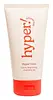
This mandelic acid gel cleanser is formulated around Mandelic Acid to exfoliate and smooth skin.

What's inside
What's inside
 Key Ingredients
Benefits
Concerns
Ingredients Side-by-side
Water
Skin ConditioningGlycerin
Humectant


Cocamidopropyl Betaine
Cleansing



Salix Alba Bark Extract
Astringent


Polysorbate 20
Emulsifying
Cellulose Gum
Emulsion StabilisingDisodium Cocoyl Glutamate
Cleansing
Phenoxyethanol
Preservative
Sodium Chloride
MaskingMandelic Acid
Antimicrobial





Sodium Lauroyl Methyl Isethionate
CleansingSodium Cocoyl Glutamate
Cleansing
Citrus Grandis Peel Oil
Masking



Coconut Acid
Cleansing
Sodium Methyl Oleoyl Taurate
CleansingAlpha-Arbutin
Antioxidant

Ethylhexylglycerin
Skin ConditioningCoco-Glucoside
Cleansing
Lauryl Glucoside
CleansingGlycyrrhiza Glabra Root Extract
Bleaching
Butylene Glycol
Humectant
Sodium Citrate
BufferingSodium Phytate
ChelatingMelia Azadirachta Flower Extract
Skin ConditioningSodium Benzoate
Masking
Corallina Officinalis Extract
Skin Conditioning
Chamomilla Recutita Flower Extract
Masking
Cucumis Sativus Fruit Extract
Emollient
Coccinia Indica Fruit Extract
Skin Conditioning
Melia Azadirachta Leaf Extract
Skin ConditioningCurcuma Longa Root Extract
Antioxidant
Fomes Officinalis Extract
Skin ProtectingSolanum Melongena Fruit Extract
Skin ConditioningAloe Barbadensis Flower Extract
EmollientSodium Glycolate
BufferingOcimum Sanctum Leaf Extract
Skin ConditioningOcimum Basilicum Flower/Leaf Extract
TonicTocopherol
Antioxidant
Limonene
Perfuming
Water, Glycerin, Cocamidopropyl Betaine, Salix Alba Bark Extract, Polysorbate 20, Cellulose Gum, Disodium Cocoyl Glutamate, Phenoxyethanol, Sodium Chloride, Mandelic Acid, Sodium Lauroyl Methyl Isethionate, Sodium Cocoyl Glutamate, Citrus Grandis Peel Oil, Coconut Acid, Sodium Methyl Oleoyl Taurate, Alpha-Arbutin, Ethylhexylglycerin, Coco-Glucoside, Lauryl Glucoside, Glycyrrhiza Glabra Root Extract, Butylene Glycol, Sodium Citrate, Sodium Phytate, Melia Azadirachta Flower Extract, Sodium Benzoate, Corallina Officinalis Extract, Chamomilla Recutita Flower Extract, Cucumis Sativus Fruit Extract, Coccinia Indica Fruit Extract, Melia Azadirachta Leaf Extract, Curcuma Longa Root Extract, Fomes Officinalis Extract, Solanum Melongena Fruit Extract, Aloe Barbadensis Flower Extract, Sodium Glycolate, Ocimum Sanctum Leaf Extract, Ocimum Basilicum Flower/Leaf Extract, Tocopherol, Limonene
Water
Skin ConditioningLauric Acid
Cleansing
Cocamidopropyl Betaine
Cleansing
Decyl Glucoside
Cleansing
Salix Alba Bark Extract
Astringent
Disodium Cocoamphodiacetate
CleansingSodium Chloride
MaskingPotassium Hydroxide
BufferingEthylhexylglycerin
Skin ConditioningAcrylates/Steareth-20 Methacrylate Crosspolymer
Glycerin
Humectant
Glyceryl Oleate
Emollient
Coco-Glucoside
Cleansing
Citric Acid
Buffering
Potassium Carbonate
BufferingChamomilla Recutita Flower Extract
Masking
Myristic Acid
Cleansing
Capric Acid
Cleansing
Sodium Benzoate
Masking
Calendula Officinalis Flower Extract
Masking
Ocimum Sanctum Leaf Extract
Skin ConditioningSalvia Officinalis Leaf Extract
CleansingPhenoxyethanol
Preservative
Tocopherol
Antioxidant
Potassium Sorbate
Preservative
Hydrogenated Palm Glycerides Citrate
Emollient
Water, Lauric Acid, Cocamidopropyl Betaine, Decyl Glucoside, Salix Alba Bark Extract, Disodium Cocoamphodiacetate, Sodium Chloride, Potassium Hydroxide, Ethylhexylglycerin, Acrylates/Steareth-20 Methacrylate Crosspolymer, Glycerin, Glyceryl Oleate, Coco-Glucoside, Citric Acid, Potassium Carbonate, Chamomilla Recutita Flower Extract, Myristic Acid, Capric Acid, Sodium Benzoate, Calendula Officinalis Flower Extract, Ocimum Sanctum Leaf Extract, Salvia Officinalis Leaf Extract, Phenoxyethanol, Tocopherol, Potassium Sorbate, Hydrogenated Palm Glycerides Citrate
Reviews
Ingredients Explained
These ingredients are found in both products.
Ingredients higher up in an ingredient list are typically present in a larger amount.
Chamomilla Recutita Flower Extract comes from the Chamomile flower.
Chamomile is rich in antioxidants and has anti-inflammatory properties. Several compounds found in chamomile help with soothing, such as bisbolol.
Antioxidant components in chamomile make it an effective ingredient to help slow the signs of aging. Antioxidants help fight free-radical molecules, or molecules that may damage your skin.
Essential oils from chamomile have been found to improve wound healing due to its antimicrobial properties.
Ancient Greeks and Egyptians used Chamomile to treat skin redness and dryness. Chamomile has also been used to help treat stomach issues.
Learn more about Chamomilla Recutita Flower ExtractCocamidopropyl Betaine is a fatty acid created by mixing similar compounds in coconut oil and dimethylaminopropylamine, a compound with two amino groups.
This ingredient is a surfactant and cleanser. It helps gather the dirt, pollutants, and other impurities in your skin to be washed away. It also helps thicken a product and make the texture more creamy.
Being created from coconut oil means Cocamidopropyl Betaine is hydrating for the skin.
While Cocamidopropyl Betaine was believed to be an allergen, a study from 2012 disproved this. It found two compounds in unpure Cocamidopropyl Betaine to be the irritants: aminoamide and 3-dimethylaminopropylamine. High-grade and pure Cocamidopropyl Betaine did not induce allergic reactions during this study.
Learn more about Cocamidopropyl BetaineCoco-Glucoside is a surfactant, or a cleansing ingredient. It is made from glucose and coconut oil.
Surfactants help gather dirt, oil, and other pollutants from your skin to be rinsed away.
This ingredient is considered gentle and non-comedogenic. However, it may still be irritating for some.
Learn more about Coco-GlucosideEthylhexylglycerin is created from glycerin. It is a multitasker ingredient that:
The CIR Expert Panel found minimal skin absorption or sensitization of any kind in a safety assessment. Though this ingredient is considered well-tolerated, a small number of cases of allergic dermatitis have been published since 2002. Just be sure to patch test if you are unsure.
Industry-reported use ranges from 8% in rinse-off products and 2% in leave-on formulations.
Learn more about EthylhexylglycerinGlycerin (or glycerol) is a compound naturally found in your skin. It's a powerhouse humectant that pulls water into the stratum corneum.
Topically, glycerin does several things at once:
Your skin makes glycerin on its own (mostly from sebaceous oil breakdown) and shuttles it to your outermost layer of skin, or your epidermis, via aquaporin-3.
Aquaporin-3 is a transporter that is essential for normal skin hydration, elasticity, and repair. Interestingly, mice lacking in AQP3 have dry and less elastic skin that can be fully corrected with glycerin.
This ingredient is non-irritating, plays well with almost every ingredient, and works across all skin types. Typical use is anywhere between 3-10% but can go up to 79% in some leave-on products.
Just know very high concentrations (>40%) can feel tacky in low humidity.
Glycerin is the name for this ingredient in American English. British English uses Glycerol/Glycerine.
Learn more about GlycerinOcimum Sanctum Leaf Extract comes from the Holy Basil plant. Holy Basil is native to India.
Holy Basil is rich in antioxidants due to its high romarinic acid, ferulic acid, and rutin content. This gives it skin brightening and soothing properties.
While Holy Basil has many claims to help fight acne, more research is needed.
One thing to note is the presence of tannins; tannins are naturally found in nature. However, this compound may be skin-sensitizing.
Learn more about Ocimum Sanctum Leaf ExtractPhenoxyethanol is one of the most widely used preservatives in skincare (and for good reason!).
It has a large spectrum of antimicrobial activity and especially effective bacteria, yeast, and mold while only having a weak effect on your skin's natural microbiome.
On a cellular level, it disrupts the cell membranes of microbes by poking holes that make the cell leak. This shuts down the chemical reactions the microbe needs to make energy so it can no longer survive.
Another perk of this ingredient is that it stays functional across a wide pH range (3-10).
You'll often see it paired with boosters like Ethylhexylglycerin; one study showed that a 1:9 ratio of Ethylhexylglycerin to Phenoxyethanol damages bacterial membranes as effectively as doubling the Phenoxyethanol concentration on its own.
Typical use concentrations range from 0.3-1% depending on the formula, and this ingredient is capped at 1% int the EU.
Safety-wise, the fear mongering does not hold up to the evidence. The EU's Scientific Committee on Consumer Safety and FDA consider it safe as a preservative at up to 1%, including for children of all ages.
Adverse systemic effects only showed up in animal studies at exposures roughly 200x higher than what people get from cosmetics. And despite its very widespread use, this ingredient is a rare sensitizer and allergic reactions are uncommon.
Learn more about PhenoxyethanolSalix Alba Bark Extract comes from the bark of the white willow tree. The official CosIng listing states this ingredient to have astringent, skin conditioning, soothing, and tonic properties.
Its star compound is salicin, a natural glucoside that is chemically related to salicylic acid. That's why you'll often see it marketed as a "natural BHA alternative" but that's a bit of a stretch.
Your skin can't convert salicin to salicylic acid because it needs specific enzymes that aren't present on the skin's surface. It won't behave like true salicylic acid, especially at the concentrations used in cosmetics.
However, this ingredient has its own perks. It contains flavonoids, polyphenols, and tannins that give it proven antioxidant and soothing properties.
An 8-week clinical study found a cream with 2% of this extract improved skin microcirculation, elasticity, and dark circles. This is most likely due to its role in increasing hyaluronic acid synthesis in fibroblasts and improved vascular integrity.
Another study found a topical serum with 0.5% salicin showed improvements in visible signs of aging, hyperpigmentation, and texture.
Just be careful if you have a known aspirin/salicylate allergy and be sure to consult with a medical professional about using this ingredient if you do.
Fun fact: Willow Bark extract has been used for thousands of years and ancient civilizations used white willow to help treat pain and fevers.
Learn more about Salix Alba Bark ExtractSodium Benzoate is a preservative. It's used in both cosmetic and food products to inhibit the growth of mold and bacteria. It is typically produced synthetically.
Both the US FDA and EU Health Committee have approved the use of sodium benzoate. In the US, levels of 0.1% (of the total product) are allowed.
Sodium benzoate works as a preservative by inhibiting the growth of bacteria inside of cells. It prevents the cell from fermenting a type of sugar using an enzyme called phosphofructokinase.
It is the salt of benzoic acid. Foods containing sodium benzoate include soda, salad dressings, condiments, fruit juices, wines, and snack foods.
Studies for using ascorbic acid and sodium benzoate in cosmetics are lacking, especially in skincare routines with multiple steps.
We always recommend speaking with a professional, such as a dermatologist, if you have any concerns.
Learn more about Sodium BenzoateChances are, you eat sodium chloride every day. Sodium Chloride is also known as table salt. This ingredient has many purposes in skincare: thickener, emulsifier, and exfoliator.
You'll most likely find this ingredient in cleansers where it is used to create a gel-like texture. As an emulsifier, it also prevents ingredients from separating.
You might see people debate whether Sodium Chloride is comedogenic, but there actually haven't been any comedogenic tests done on it. Either way, the overall formulation of a product matters a lot more than any single ingredient.
You might see this ingredient used in scrubs as a primary exfoliating ingredient.
Learn more about Sodium ChlorideTocopherol is a fat-soluble antioxidant known as Vitamin E.
You'll find this ingredient in the vast majority of skincare (for good reason). It works to neutralize free radicals, or unstable molecules generated by UV exposure, pollution, and other environmental stressors, before they can cause oxidative damage to your skin cells.
Topically applied tocopherol has been shown to protect against UV damage by ramping up the skin's own natural defense enzymes.
It also acts as a skin conditioning agent; some studies show that regular topical use can improve the skin's water-binding capacity over 2-4 weeks.
This ingredient is especially loved for being a team player. When combined with Vitamin C, the photoprotective effect of both ingredients roughly doubles and the combo also helps reduce UV-induced DNA damage.
This ingredient has some brightening potential but it's more of a prevention ingredient than spot-fader. Cell studies show it can slow down melanin production but it's worth noting that it's not the most powerful brightener out there.
In formulations, it also serves as a stabilizer that helps protect other oxidation-prone ingredients from degrading.
Concentrations usually range from 0.1-1% in most leave-on products.
Learn more about TocopherolWater. It's the most common cosmetic ingredient of all. You'll usually see it at the top of ingredient lists, meaning that it makes up the largest part of the product.
So why is it so popular? Water most often acts as a solvent - this means that it helps dissolve other ingredients into the formulation.
You'll also recognize water as that liquid we all need to stay alive. If you see this, drink a glass of water. Remember to stay hydrated!
Learn more about Water

