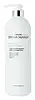
This hydrating toner is formulated around Panthenol and Centella Asiatica Extract to hydrate skin and calm redness.
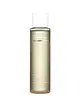
This smoothing toner is formulated around Saccharomyces/Xylinum/Black Tea Ferment and Niacinamide to refine skin texture and brighten dull-looking skin.

What's inside
What's inside
 Key Ingredients
Benefits
Concerns
Ingredients Side-by-side
Water
Skin ConditioningButylene Glycol
Humectant

Glycerin
Humectant
Glycereth-26
Humectant
1,2-Hexanediol
Skin Conditioning
Arginine
Masking
Carbomer
Emulsion StabilisingBetaine
Humectant
Panthenol
Skin Conditioning
Ethylhexylglycerin
Skin ConditioningDisodium EDTA
ChelatingC12-14 Pareth-12
EmulsifyingAllantoin
Skin Conditioning
Gluconolactone
Chelating






Propanediol
Solvent
Hydrogenated Lecithin
Emulsifying
Ozothamnus Diosmifolius Extract
Centella Asiatica Extract
Cleansing
Sodium Hyaluronate Crosspolymer
Humectant
Ficus Carica Fruit Extract
Humectant
Hydrolyzed Glycosaminoglycans
HumectantSodium Hyaluronate
Humectant
Centella Asiatica Root Extract
Skin Conditioning
Centella Asiatica Flower/Leaf/Stem Extract
Skin Conditioning
Centella Asiatica Leaf Extract
Skin Conditioning
Moringa Oleifera Seed Extract
Skin Conditioning
Benzyl Glycol
SolventCeramide NP
Skin Conditioning
Hydrolyzed Hyaluronic Acid
Humectant
Sodium Citrate
BufferingBourbon Extract
AstringentPhragmites Karka Extract
Skin ConditioningCitric Acid
Buffering

Sodium Benzoate
Masking
Polysorbate 20
Emulsifying
Lecithin
Emollient
Madecassoside
Antioxidant
Asiaticoside
Antioxidant
Sodium Acetylated Hyaluronate
Humectant
Hyaluronic Acid
Humectant
Palmitoyl Pentapeptide-4
Skin Conditioning
Phenylalanine
Masking
Proline
Skin Conditioning
Serine
Masking
Valine
MaskingOrnithine
Skin ConditioningTaurine
BufferingAspartic Acid
Masking
Alanine
Masking
Methionine
Skin ConditioningLeucine
Skin ConditioningIsoleucine
Skin ConditioningGlutamic Acid
Humectant
Glycine
Buffering
Histidine
Humectant
CI 42090
Cosmetic ColorantParfum
Masking



Water, Butylene Glycol, Glycerin, Glycereth-26, 1,2-Hexanediol, Arginine, Carbomer, Betaine, Panthenol, Ethylhexylglycerin, Disodium EDTA, C12-14 Pareth-12, Allantoin, Gluconolactone, Propanediol, Hydrogenated Lecithin, Ozothamnus Diosmifolius Extract, Centella Asiatica Extract, Sodium Hyaluronate Crosspolymer, Ficus Carica Fruit Extract, Hydrolyzed Glycosaminoglycans, Sodium Hyaluronate, Centella Asiatica Root Extract, Centella Asiatica Flower/Leaf/Stem Extract, Centella Asiatica Leaf Extract, Moringa Oleifera Seed Extract, Benzyl Glycol, Ceramide NP, Hydrolyzed Hyaluronic Acid, Sodium Citrate, Bourbon Extract, Phragmites Karka Extract, Citric Acid, Sodium Benzoate, Polysorbate 20, Lecithin, Madecassoside, Asiaticoside, Sodium Acetylated Hyaluronate, Hyaluronic Acid, Palmitoyl Pentapeptide-4, Phenylalanine, Proline, Serine, Valine, Ornithine, Taurine, Aspartic Acid, Alanine, Methionine, Leucine, Isoleucine, Glutamic Acid, Glycine, Histidine, CI 42090, Parfum
Water
Skin ConditioningSaccharomyces/Xylinum/Black Tea Ferment
Skin Conditioning
Dipropylene Glycol
HumectantGlycerin
Humectant
Methylpropanediol
Solvent1,2-Hexanediol
Skin Conditioning
Niacinamide
Smoothing

Glycereth-26
Humectant
Butylene Glycol
Humectant
Sodium Citrate
BufferingGluconolactone
Chelating
Propanediol
Solvent
Allantoin
Skin Conditioning
Panthenol
Skin Conditioning
Xanthan Gum
EmulsifyingEthylhexylglycerin
Skin ConditioningSodium Hyaluronate
Humectant
Hydrogenated Lecithin
Emulsifying
Cetearyl Alcohol
Emollient



Stearic Acid
Cleansing
Psidium Guajava Leaf Extract
AstringentAvena Sativa Protein Extract
Skin ConditioningOpuntia Coccinellifera Fruit Extract
Skin ConditioningCarica Papaya Fruit Extract
Skin ConditioningSasa Quelpaertensis Extract
Skin ConditioningEriobotrya Japonica Leaf Extract
Skin ConditioningOpuntia Ficus-Indica Stem Extract
Skin Conditioning
Caprylic/Capric Triglyceride
Masking
Mentha Viridis Extract
MaskingCeramide NP
Skin Conditioning
Ceramide Ns
Skin Conditioning
Hydroxypropyltrimonium Hyaluronate
Biosaccharide Gum-1
Humectant
Disodium EDTA
ChelatingCaramel
Cosmetic ColorantPhytosphingosine
Skin Conditioning
Cholesterol
Emollient
Ubiquinone
Antioxidant
Ceramide AP
Skin Conditioning
Ceramide As
Skin Conditioning
Hydrolyzed Hyaluronic Acid
Humectant
Sodium Acetylated Hyaluronate
Humectant
Hyaluronic Acid
Humectant
Hydrolyzed Sodium Hyaluronate
Skin Conditioning
Sodium Hyaluronate Crosspolymer
Humectant
Potassium Hyaluronate
Skin ConditioningCeramide EOP
Skin Conditioning
Water, Saccharomyces/Xylinum/Black Tea Ferment, Dipropylene Glycol, Glycerin, Methylpropanediol, 1,2-Hexanediol, Niacinamide, Glycereth-26, Butylene Glycol, Sodium Citrate, Gluconolactone, Propanediol, Allantoin, Panthenol, Xanthan Gum, Ethylhexylglycerin, Sodium Hyaluronate, Hydrogenated Lecithin, Cetearyl Alcohol, Stearic Acid, Psidium Guajava Leaf Extract, Avena Sativa Protein Extract, Opuntia Coccinellifera Fruit Extract, Carica Papaya Fruit Extract, Sasa Quelpaertensis Extract, Eriobotrya Japonica Leaf Extract, Opuntia Ficus-Indica Stem Extract, Caprylic/Capric Triglyceride, Mentha Viridis Extract, Ceramide NP, Ceramide Ns, Hydroxypropyltrimonium Hyaluronate, Biosaccharide Gum-1, Disodium EDTA, Caramel, Phytosphingosine, Cholesterol, Ubiquinone, Ceramide AP, Ceramide As, Hydrolyzed Hyaluronic Acid, Sodium Acetylated Hyaluronate, Hyaluronic Acid, Hydrolyzed Sodium Hyaluronate, Sodium Hyaluronate Crosspolymer, Potassium Hyaluronate, Ceramide EOP
Ingredients Explained
These ingredients are found in both products.
Ingredients higher up in an ingredient list are typically present in a larger amount.
1,2-Hexanediol is a synthetic liquid and another multi-functional powerhouse.
It is a:
- Humectant, drawing moisture into the skin
- Emollient, helping to soften skin
- Solvent, dispersing and stabilizing formulas
- Preservative booster, enhancing the antimicrobial activity of other preservatives
Allantoin is a soothing ingredient known for its protective and moisturizing properties; it's basically a quiet workhorse ingredient you can find in a huge range of cosmetics.
Though it can be derived from the comfrey plant, allantoin is produced synthetically for cosmetic products to ensure purity.
Research shows it can encourage your skin cells to turn over and renew by stimulating keratinocyte and fibroblast proliferation.
It also has mild keratolytic properties to help loosen and shed dead skin cells without being harsh.
Studies also suggest allantoin can help calm inflammation by dialing down some of the chemical signals your skin sends out when it is irritated.
This ingredient is typically used in the 0.1-0.5% range, and the FDA recognizes it as a skin protectant in OTC products up to 2%.
Overall, allantoin is a wonderful addition to most routines; it is stable across a wide pH range (~4-8), works well with other ingredients, and is considered non-sensitizing/non-irritating.
Fun fact: Allantoin is naturally occurring in comfrey root, beets, chamomile, and wheat sprouts. Our bodies even produce it as a byproduct of uric acid metabolism.
Learn more about AllantoinButylene Glycol (or BG) is used within cosmetic products for a few different reasons:
Overall, Butylene Glycol is a safe and well-rounded ingredient that works well with other ingredients.
Though this ingredient works well with most skin types, some people with sensitive skin may experience a reaction such as allergic rashes, closed comedones, or itchiness.
Learn more about Butylene GlycolCeramide NP (formerly known as Ceramide 3) is one of the skin's naturally occurring lipids.
Since ceramides are the major lipid components of the skin, they are crucial for maintaining skin barrier and hydration. Ceramide NP most closely mirrors the dominant kind in human skin amongst ceramide subtypes.
This ceramide works by slotting into gaps within the stratum corneum's lipid matrix to limit trans-epidermal water loss (TEWL) and shield the skin against external irritants.
A study with 312 patients found that using a ceramide-containing routine for 4 weeks reduced the severity of atopic dermatitis by over 61%.
Another clinical study in subjects aged 60 and older found that a ceramide body wash and moisturizer improved skin dryness and itchy skin in 15 days.
Overall, ceramides are considered non-irritating and safety tests have found little to no observable adverse effects from using this ingredient.
Ceramide NP is usually sourced from plants (like soybean or rice bran), or produced synthetically.
Learn more about Ceramide NPDisodium EDTA is a chelating agent. It grabs onto and deactivates metal ions that sneak into your products from water, packaging, or air.
This ingredient mainly works behind the scenes and helps with:
On top of that, this ingredient can counteract the effects of hard water by binding to the minerals in it.
One thing worth knowing is that Disodium EDTA has been shown to be a mild penetration enhancer. It can help other ingredients absorb into skin more effectively which can be a double-edged sword (great for actives, but can also make the active too strong if you have sensitive skin).
Clinical patch testing showed no significant skin irritation at typical use concentrations and minimal dermal absorption.
You'll most likely see this ingredient near the end of an ingredient list. It's typically found in concentrations less than 1%.
Learn more about Disodium EDTAEthylhexylglycerin is created from glycerin. It is a multitasker ingredient that:
The CIR Expert Panel found minimal skin absorption or sensitization of any kind in a safety assessment. Though this ingredient is considered well-tolerated, a small number of cases of allergic dermatitis have been published since 2002. Just be sure to patch test if you are unsure.
Industry-reported use ranges from 8% in rinse-off products and 2% in leave-on formulations.
Learn more about EthylhexylglycerinGluconolactone is a PHA. PHAs are a great gentle alternative to traditional AHAs.
When applied, Gluconolactone has the same affect on skin as AHAs such as lactic acid. It helps dissolve the dead skin cells in the top layer of your skin. This improves texture and brightens the skin.
PHAs are more gentle than AHAs due to their larger structure. They do not penetrate as deeply as AHAs and take a longer time to dissolve dead cells. Studies show PHAs do not cause as much irritation.
Gluconolactone has some interesting properties:
In a 2004 study, Gluconolactone was found to prevent UV damage in mouse skin cells and has not been found to increase sun sensitivity. However, we still recommend wearing SPF daily.
This ingredient is is an created by reacting gluconic acid with an alcohol.
Learn more about GluconolactoneGlycereth-26 is a synthetic ingredient and polyethylene glycol ether of Glycerin. Glycerin is already naturally found in your skin and helps keep your skin moisturized.
It is a humectant and helps add texture to products. It can make your product thicker.
As a humectant, it helps draw moisture from the air to your skin. This helps your skin stay hydrated.
Learn more about Glycereth-26Glycerin (or glycerol) is a compound naturally found in your skin. It's a powerhouse humectant that pulls water into the stratum corneum.
Topically, glycerin does several things at once:
Your skin makes glycerin on its own (mostly from sebaceous oil breakdown) and shuttles it to your outermost layer of skin, or your epidermis, via aquaporin-3.
Aquaporin-3 is a transporter that is essential for normal skin hydration, elasticity, and repair. Interestingly, mice lacking in AQP3 have dry and less elastic skin that can be fully corrected with glycerin.
This ingredient is non-irritating, plays well with almost every ingredient, and works across all skin types. Typical use is anywhere between 3-10% but can go up to 79% in some leave-on products.
Just know very high concentrations (>40%) can feel tacky in low humidity.
Glycerin is the name for this ingredient in American English. British English uses Glycerol/Glycerine.
Learn more about GlycerinHyaluronic acid (HA) is a glycosaminoglycan (basically a long sugar chain) that your skin already makes on its own. In your skin, HA lives in the extracellular matrix and acts as the body's moisture reservoir.
Topically, HA is a humectant that binds water and helps skin look more plump, smooth, and hydrated.
The only catch is that HA isn't a single thing; it actually comes in a wide range of molecular weights (~50 - 2,000+ kDA) and size matters.
Some clinical evidence links low molecular weight versions to improved wrinkle depth, elasticity, anti-inflammatory effects, and barrier repair.
This is why the best HA serums blend the two sizes together so you get the best of both worlds.
The majority of cosmetic HA is produced by bacterial fermentation, typically using Streptococcus or Bacillus strains. Typical use levels in skincare sit around 0.1-2%.
A clinical study using a 0.2% low-molecular weight HA gel showed improvement in facial seborrheic dermatitis with excellent tolerance.
These are some other common types of Hyaluronic Acid:
Learn more about Hyaluronic AcidHydrogenated Lecithin is a more stable version of lecithin.
It's made by taking lecithin (a phospholipid commonly found in soybeans and egg yolks) and hydrogenating it. This just means the unsaturated fatty acids are turned into saturated ones so they don't go bad as easily.
This ingredient is an emollient, emulsifier, and penetration enhancer. As an emollient, it helps soften and hydrate skin by trapping moisture within. As an emulsifier, it prevents oil and water ingredients from separating.
Hydrogenated Lecithin can form tiny spherical structures made of phospholipid bilayers called liposomes. These liposomes are able to capture compounds inside their structure and deliver them through the skin barrier.
Because phospholipids are a natural component of our cell membranes, this ingredient is inherently compatible with skin.
A 2021 study found lecithin-based surfactants were less harsh and more tolerable comared to Sodium Lauryl Sulfate (SLS).
Learn more about Hydrogenated LecithinHydrolyzed Hyaluronic Acid is hyaluronic acid (HA) that is broken down into lower molecular weight fragments.
It's a humectant that pulls and holds water in the skin to help with hydration, plumpness, and reduce transepidermal water loss.
Because hydrolyzed hyaluronic acid is smaller in size, it can slip past your outermost layer of skin more easily than full-sized HA.
Most formulations will combine all sizes to get the best of both worlds.
Typical usage levels range from 0.01-1%. Any percentage higher than 2% might become goopy and tacky.
Learn more about Hydrolyzed Hyaluronic AcidPanthenol is a common ingredient that helps hydrate and soothe the skin. It is found naturally in our skin and hair.
There are two forms of panthenol: D and L.
D-panthenol is also known as dexpanthenol. Most cosmetics use dexpanthenol or a mixture of D and L-panthenol.
Panthenol is famous due to its ability to go deeper into the skin's layers. Using this ingredient has numerous pros (and no cons):
Like hyaluronic acid, panthenol is a humectant. Humectants are able to bind and hold large amounts of water to keep skin hydrated.
This ingredient works well for wound healing. It works by increasing tissue in the wound and helps close open wounds.
Once oxidized, panthenol converts to pantothenic acid. Panthothenic acid is found in all living cells.
This ingredient is also referred to as pro-vitamin B5.
Learn more about PanthenolPropanediol is an all-star ingredient. It softens, hydrates, and smooths the skin.
It’s often used to:
Propanediol is not likely to cause sensitivity and considered safe to use. It is derived from corn or petroleum with a clear color and no scent.
Learn more about PropanediolSodium Acetylated Hyaluronate is a type of Hyaluronic Acid.
Hyaluronic Acids help moisturize, soothe, and protect the skin.
Read about common types of Hyaluronic Acid here:
Learn more about Sodium Acetylated HyaluronateSodium Citrate is the sodium salts of citric acid. In skincare, it is used to alter pH levels and acts as a preservative.
Its main functions are to maintain the pH of a product and neutralize metal ions.
The acidity of our skin is maintained by our glands and skin biome; normal pH level of skin is slightly acidic (~4.75-5.5).
Being slightly acidic allows our skin to create an "acid mantle". This acid mantle is a thin barrier that protects our skin from bacteria and contaminants.
Learn more about Sodium CitrateSodium Hyaluronate is the salt form of hyaluronic acid. It is a long sugar chain that is naturally found in your skin, joints, and connective tissue that maintains hydration and elasticity.
In skincare, it works as a humectant. It pulls water from the environment and deeper layers of skin and binds it to the surface.
Interestingly, the size of the molecule affects its behavior:
Some clinical evidence links low molecular weight versions to improved wrinkle depth, elasticity, anti-inflammatory effects, and barrier repair.
Many serums use a blend of both weights so you can get surface hydration plus longer-lasting and deeper effects.
You'll typically see concentrations between 0.1-2% for this ingredient.
Learn more about Sodium HyaluronateSodium Hyaluronate Crosspolymer is a crosslinked version of sodium hyaluronate. This just means it's linked into a 3D mesh network that lets it be more stable and sit on skin as a cohesive, gel-like film rather than sinking into skin.
A 2016 human skin study found crosslinked HA increased epidermal water content by 7.6% over the control group and reduced transepidermal water loss by 27.8%.
A follow-up clinical trial found that a topical crosslinked HA serum applied after fillers, microneedling, or chemical peels was well-tolerated and enhanced skin quality at 14 / 28 days.
More recent research suggests that concentrations as low as 0.03% can act as a penetration enhancer for other skincare actives.
Learn more about Sodium Hyaluronate CrosspolymerWater. It's the most common cosmetic ingredient of all. You'll usually see it at the top of ingredient lists, meaning that it makes up the largest part of the product.
So why is it so popular? Water most often acts as a solvent - this means that it helps dissolve other ingredients into the formulation.
You'll also recognize water as that liquid we all need to stay alive. If you see this, drink a glass of water. Remember to stay hydrated!
Learn more about Water

