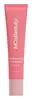
This anti-aging lip moisturizer is formulated around Butyrospermum Parkii Butter and Palmitoyl Tripeptide-1 to soften the look of wrinkles and hydrate lips.
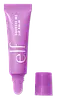
This barrier-repair lip moisturizer is formulated around Squalane and Butyrospermum Parkii Butter to strengthen the lip barrier and hydrate lips.


What's inside
What's inside
 Key Ingredients
Benefits
Concerns
Ingredients Side-by-side
Bis-Diglyceryl Polyacyladipate-2
Emollient


Diisostearyl Malate
EmollientPolyisobutene
Hydrogenated Polyisobutene
EmollientMicrocrystalline Wax
Emulsion StabilisingButyrospermum Parkii Butter
Skin Conditioning



Octyldodecanol
Emollient
Disteardimonium Hectorite
StabilisingSynthetic Wax
Abrasive
Parfum
Masking


Phenoxyethanol
Preservative
Ethylhexyl Palmitate
Emollient
Propylene Carbonate
SolventTocopheryl Acetate
Antioxidant


Tribehenin
Emollient
Palmitoyl Tripeptide-1
Skin Conditioning



Palmitoyl Tripeptide-38
Skin Conditioning
Tridecyl Trimellitate
EmollientSorbitan Isostearate
Emulsifying
Water
Skin ConditioningRicinus Communis Seed Oil
Masking
Lactic Acid
Buffering



Sodium Hyaluronate
Humectant

Glycerin
Humectant
Hydrogenated Castor Oil
Emollient
1,2-Hexanediol
Skin Conditioning
Hydroxypropyl Cyclodextrin
MaskingEthylhexylglycerin
Skin ConditioningSilica
Abrasive
Titanium Dioxide
Cosmetic Colorant

CI 15850
Cosmetic ColorantCI 19140
Cosmetic ColorantBis-Diglyceryl Polyacyladipate-2, Diisostearyl Malate, Polyisobutene, Hydrogenated Polyisobutene, Microcrystalline Wax, Butyrospermum Parkii Butter, Octyldodecanol, Disteardimonium Hectorite, Synthetic Wax, Parfum, Phenoxyethanol, Ethylhexyl Palmitate, Propylene Carbonate, Tocopheryl Acetate, Tribehenin, Palmitoyl Tripeptide-1, Palmitoyl Tripeptide-38, Tridecyl Trimellitate, Sorbitan Isostearate, Water, Ricinus Communis Seed Oil, Lactic Acid, Sodium Hyaluronate, Glycerin, Hydrogenated Castor Oil, 1,2-Hexanediol, Hydroxypropyl Cyclodextrin, Ethylhexylglycerin, Silica, Titanium Dioxide, CI 15850, CI 19140
Triisostearin
Skin Conditioning
Hydrogenated Polyisobutene
EmollientPolyglyceryl-10 Pentaisostearate
Emollient
Dextrin Palmitate
Emulsifying
Ethylhexylglycerin
Skin ConditioningDiethylhexyl Syringylidenemalonate
Skin Protecting
Parfum
Masking
Squalane
Emollient
Simethicone
Emollient
Caprylic/Capric Triglyceride
Masking
Butyrospermum Parkii Butter
Skin Conditioning
Water
Skin ConditioningRicinus Communis Seed Oil
Masking
Butylene Glycol
Humectant
Glycerin
Humectant
Tocopherol
Antioxidant
Sodium Hyaluronate
Humectant
Maltodextrin
Absorbent
Hydrogenated Castor Oil
Emollient
Lycium Chinense Fruit Extract
Antioxidant
1,2-Hexanediol
Skin Conditioning
Calcium Pantothenate
Xanthan Gum
EmulsifyingUrea
Buffering
Caprylyl Glycol
Emollient
Magnesium Lactate
BufferingPapain
Skin Conditioning
Soluble Collagen
Humectant
Potassium Lactate
BufferingProline
Skin Conditioning
Alanine
Masking
Serine
Masking
Magnesium Chloride
Sodium Citrate
BufferingCI 77891
Cosmetic ColorantCI 42090
Cosmetic ColorantTriisostearin, Hydrogenated Polyisobutene, Polyglyceryl-10 Pentaisostearate, Dextrin Palmitate, Ethylhexylglycerin, Diethylhexyl Syringylidenemalonate, Parfum, Squalane, Simethicone, Caprylic/Capric Triglyceride, Butyrospermum Parkii Butter, Water, Ricinus Communis Seed Oil, Butylene Glycol, Glycerin, Tocopherol, Sodium Hyaluronate, Maltodextrin, Hydrogenated Castor Oil, Lycium Chinense Fruit Extract, 1,2-Hexanediol, Calcium Pantothenate, Xanthan Gum, Urea, Caprylyl Glycol, Magnesium Lactate, Papain, Soluble Collagen, Potassium Lactate, Proline, Alanine, Serine, Magnesium Chloride, Sodium Citrate, CI 77891, CI 42090
Reviews
Ingredients Explained
These ingredients are found in both products.
Ingredients higher up in an ingredient list are typically present in a larger amount.
1,2-Hexanediol is a synthetic liquid and another multi-functional powerhouse.
It is a:
- Humectant, drawing moisture into the skin
- Emollient, helping to soften skin
- Solvent, dispersing and stabilizing formulas
- Preservative booster, enhancing the antimicrobial activity of other preservatives
This ingredient is also known as shea butter. It is a plant-derived extract from the nuts of the Africa shea tree and one of the most well-studied emollients.
Because it has a high concentration of fatty acids (primarily oleic, stearic, and linoleic) it is able to form a protective barrier on the skin's surface. This helps seal in moisture and prevents transepidermal water loss (TEWL).
In vitro research found an increase in skin hydration by 58% and a decrease in TEWL by 37.8% after 24 hours of applying this ingredient (pretty impressive for a single ingredient!).
Besides hydration, shea butter also contains triterpenes that have anti-inflammatory potential. In particule, lupeol cinnamate has shown the highest anti-inflammatory activity in vivo.
Shea butter also contains vitamins A and E which may contribute to antioxidant activity.
While Shea Butter has an SPF rating of about 3-4, it is not a sunscreen replacement.
This ingredient may not be fungal acne safe because its fatty acids fall within the C11-C24 range that the Malassezia yeast can metabolize.
This ingredient shows up on a lot of "pore-clogging" lists but there's no real evidence behind that. It doesn't even have a comedogenic rating from an actual study; the numbers you'll find online come from blogs citing other blogs.
Ratings for other ingredients mostly come from a 1980s rabbit ear test. This test doesn't translate well to human skin or to real products because the ingredient sits at a much lower percentage.
Some people still find it breaks them out. So if that's you, definitely trust your skin. Just know this one's based on experience and not evidence.
Learn more about Butyrospermum Parkii ButterEthylhexylglycerin is created from glycerin. It is a multitasker ingredient that:
The CIR Expert Panel found minimal skin absorption or sensitization of any kind in a safety assessment. Though this ingredient is considered well-tolerated, a small number of cases of allergic dermatitis have been published since 2002. Just be sure to patch test if you are unsure.
Industry-reported use ranges from 8% in rinse-off products and 2% in leave-on formulations.
Learn more about EthylhexylglycerinGlycerin (or glycerol) is a compound naturally found in your skin. It's a powerhouse humectant that pulls water into the stratum corneum.
Topically, glycerin does several things at once:
Your skin makes glycerin on its own (mostly from sebaceous oil breakdown) and shuttles it to your outermost layer of skin, or your epidermis, via aquaporin-3.
Aquaporin-3 is a transporter that is essential for normal skin hydration, elasticity, and repair. Interestingly, mice lacking in AQP3 have dry and less elastic skin that can be fully corrected with glycerin.
This ingredient is non-irritating, plays well with almost every ingredient, and works across all skin types. Typical use is anywhere between 3-10% but can go up to 79% in some leave-on products.
Just know very high concentrations (>40%) can feel tacky in low humidity.
Glycerin is the name for this ingredient in American English. British English uses Glycerol/Glycerine.
Learn more about GlycerinHydrogenated Castor Oil (aka "castor wax") is what you get when castor oil is turned into a wax.
Its dominant fatty acid is ricinoleic acid, giving it both emollient and mild humectant properties.
According to EU CosIng, this ingredient helps soften skin, keep oil and water stay mixed, and thickens products.
Hydrogenated castor oil at 30% did not trigger a positive patch-test reaction and is well-tolerated.
Since this ingredient is based on an 18-carbon fatty acid, it falls into the chain-length range that Malassezia can feed on and may not be fungal acne safe.
Learn more about Hydrogenated Castor OilHydrogenated Polyisobutene is a synthetic polymer. Polymers are compounds with high molecular weight. Hydrogenated Polyisobutene is an emollient and texture enhancer.
In one study, Hydrogenated Polyisobutene showed better skin hydration levels than Caprylic/Capric Triglyceride. As an emollient, it helps keep your skin soft and hydrated by trapping moisture in.
Hydrogenated Polyisobutene is often used as a mineral oil replacement.
Learn more about Hydrogenated PolyisobuteneParfum is a catch-all term for an ingredient or more that is used to give a scent to products.
Also called "fragrance", this ingredient can be a blend of hundreds of chemicals or plant oils. This means every product with "fragrance" or "parfum" in the ingredients list is a different mixture.
For instance, Habanolide is a proprietary trade name for a specific aroma chemical. When used as a fragrance ingredient in cosmetics, most aroma chemicals fall under the broad labeling category of “FRAGRANCE” or “PARFUM” according to EU and US regulations.
The term 'parfum' or 'fragrance' is not regulated in many countries. In many cases, it is up to the brand to define this term.
For instance, many brands choose to label themselves as "fragrance-free" because they are not using synthetic fragrances. However, their products may still contain ingredients such as essential oils that are considered a fragrance by INCI standards.
One example is Calendula flower extract. Calendula is an essential oil that still imparts a scent or 'fragrance'.
Depending on the blend, the ingredients in the mixture can cause allergies and sensitivities on the skin. Some ingredients that are known EU allergens include linalool and citronellol.
Parfum can also be used to mask or cover an unpleasant scent.
The bottom line is: not all fragrances/parfum/ingredients are created equally. If you are worried about fragrances, we recommend taking a closer look at an ingredient. And of course, we always recommend speaking with a professional.
Learn more about ParfumThis ingredient is also known as castor oil. It is a skin conditioning ingredient.
The star component of castor oil is ricinoleic acid, an unusual fatty acid that makes up ~80-92% of its composition.
In skincare, it is an emollient that dries down to a solid film with water-binding properties. This helps keep skin hydrated and helps reduce transepidermal water loss (TEWL).
A 2026 dermatology review pulls together its broader uses:
Human clinical testing found this ingredient to be non-irritating and non-sensitizing.
Because castor oil contains fatty acids in the C11-24 range, this ingredient may not be fungal acne safe.
At this time, the literature does not support castor oil in regrowing hair. A 2022 systematic review found no strong evidence that it supports hair growth and only weak evidence that it improves hair shine.
Castor oil itself carries "perfuming" and "masking" function tags according to the official CosIng database. This is because of its mild odor and odor-dampening properties.
Learn more about Ricinus Communis Seed OilSodium Hyaluronate is the salt form of hyaluronic acid. It is a long sugar chain that is naturally found in your skin, joints, and connective tissue that maintains hydration and elasticity.
In skincare, it works as a humectant. It pulls water from the environment and deeper layers of skin and binds it to the surface.
Interestingly, the size of the molecule affects its behavior:
Some clinical evidence links low molecular weight versions to improved wrinkle depth, elasticity, anti-inflammatory effects, and barrier repair.
Many serums use a blend of both weights so you can get surface hydration plus longer-lasting and deeper effects.
You'll typically see concentrations between 0.1-2% for this ingredient.
Learn more about Sodium HyaluronateWater. It's the most common cosmetic ingredient of all. You'll usually see it at the top of ingredient lists, meaning that it makes up the largest part of the product.
So why is it so popular? Water most often acts as a solvent - this means that it helps dissolve other ingredients into the formulation.
You'll also recognize water as that liquid we all need to stay alive. If you see this, drink a glass of water. Remember to stay hydrated!
Learn more about Water

