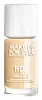
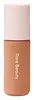
Make Up For Ever HD Skin Hydra Glow Hydrating Foundation Versus Rare Beauty Positive Light Tinted Moisturizer Broad Spectrum SPF 20 Sunscreen


What's inside
What's inside
 Key Ingredients
Benefits
Concerns
Ingredients Side-by-side
Water
Skin ConditioningCitrus Limon Fruit Extract
Masking
Dicaprylyl Carbonate
EmollientPolyglyceryl-2 Dipolyhydroxystearate
Skin Conditioning
C13-15 Alkane
SolventIsododecane
EmollientPropanediol
Solvent

Glycerin
Humectant
Polyglyceryl-3 Diisostearate
Emulsifying

Pentylene Glycol
Skin Conditioning
Heptyl Undecylenate
EmollientSynthetic Fluorphlogopite
Simmondsia Chinensis Seed Oil
Emollient
Sodium Chloride
MaskingC18-21 Alkane
SolventStearalkonium Hectorite
Gel FormingUndecane
EmollientCocos Nucifera Fruit Extract
Emollient
Tridecane
Perfuming
Persea Gratissima Oil
Skin Conditioning
Tocopheryl Acetate
Antioxidant


Dimethicone/Vinyl Dimethicone Crosspolymer
Skin Conditioning
Sodium Dehydroacetate
Preservative
Propylene Carbonate
SolventTriethoxysilylethyl Polydimethylsiloxyethyl Hexyl Dimethicone
Skin Conditioning
Parfum
Masking


Sodium Phytate
Citric Acid
Buffering
Hydrogen Dimethicone
Sodium Hydroxide
BufferingAlgin
Masking
Galactoarabinan

Levulinic Acid
Perfuming
Sodium Hyaluronate
Humectant

Potassium Sorbate
Preservative
Sodium Levulinate
Skin ConditioningTocopherol
Antioxidant
Maltodextrin
Absorbent
Biosaccharide Gum-1
Humectant
CI 77891
Cosmetic ColorantCI 77491
Cosmetic ColorantCI 77492
Cosmetic ColorantCI 77499
Cosmetic ColorantWater, Citrus Limon Fruit Extract, Dicaprylyl Carbonate, Polyglyceryl-2 Dipolyhydroxystearate, C13-15 Alkane, Isododecane, Propanediol, Glycerin, Polyglyceryl-3 Diisostearate, Pentylene Glycol, Heptyl Undecylenate, Synthetic Fluorphlogopite, Simmondsia Chinensis Seed Oil, Sodium Chloride, C18-21 Alkane, Stearalkonium Hectorite, Undecane, Cocos Nucifera Fruit Extract, Tridecane, Persea Gratissima Oil, Tocopheryl Acetate, Dimethicone/Vinyl Dimethicone Crosspolymer, Sodium Dehydroacetate, Propylene Carbonate, Triethoxysilylethyl Polydimethylsiloxyethyl Hexyl Dimethicone, Parfum, Sodium Phytate, Citric Acid, Hydrogen Dimethicone, Sodium Hydroxide, Algin, Galactoarabinan, Levulinic Acid, Sodium Hyaluronate, Potassium Sorbate, Sodium Levulinate, Tocopherol, Maltodextrin, Biosaccharide Gum-1, CI 77891, CI 77491, CI 77492, CI 77499
Homosalate 9%
Skin Conditioning

Titanium Dioxide 1.8%
Cosmetic Colorant
Zinc Oxide 0.9%
Cosmetic Colorant
Water
Skin ConditioningDimethicone
Emollient
Talc
Abrasive
C12-15 Alkyl Benzoate
AntimicrobialIsododecane
EmollientCetyl PEG/PPG-10/1 Dimethicone
Emulsifying
Isopentyldiol
Humectant
Sorbitol
Humectant
Tocopheryl Acetate
Antioxidant
Phenoxyethanol
Preservative
Sodium Chloride
MaskingDimethicone/Vinyl Dimethicone Crosspolymer
Skin Conditioning
Magnesium Sulfate
Sodium Dehydroacetate
Preservative
Hydrogen Dimethicone
Potassium Sorbate
Preservative
Disteardimonium Hectorite
StabilisingLecithin
Emollient
Benzoic Acid
Masking
Aluminum Hydroxide
EmollientAlumina
Abrasive
Dehydroacetic Acid
Preservative
Propylene Carbonate
SolventHelianthus Annuus Seed Oil
Emollient
Triethoxycaprylylsilane
Tocopherol
Antioxidant
Ethylhexylglycerin
Skin ConditioningAscorbyl Palmitate
Antioxidant
Citric Acid
Buffering
Gardenia Florida Fruit Extract
Skin ConditioningNelumbo Nucifera Flower Extract
Skin ConditioningNymphaea Odorata Root Extract
RefreshingCI 77891
Cosmetic ColorantIron Oxides
Homosalate 9%, Titanium Dioxide 1.8%, Zinc Oxide 0.9%, Water, Dimethicone, Talc, C12-15 Alkyl Benzoate, Isododecane, Cetyl PEG/PPG-10/1 Dimethicone, Isopentyldiol, Sorbitol, Tocopheryl Acetate, Phenoxyethanol, Sodium Chloride, Dimethicone/Vinyl Dimethicone Crosspolymer, Magnesium Sulfate, Sodium Dehydroacetate, Hydrogen Dimethicone, Potassium Sorbate, Disteardimonium Hectorite, Lecithin, Benzoic Acid, Aluminum Hydroxide, Alumina, Dehydroacetic Acid, Propylene Carbonate, Helianthus Annuus Seed Oil, Triethoxycaprylylsilane, Tocopherol, Ethylhexylglycerin, Ascorbyl Palmitate, Citric Acid, Gardenia Florida Fruit Extract, Nelumbo Nucifera Flower Extract, Nymphaea Odorata Root Extract, CI 77891, Iron Oxides
Reviews
Ingredients Explained
These ingredients are found in both products.
Ingredients higher up in an ingredient list are typically present in a larger amount.
Ci 77891 is a white pigment from Titanium dioxide. It is naturally found in minerals such as rutile and ilmenite.
It's main function is to add a white color to cosmetics. It can also be mixed with other colors to create different shades.
Ci 77891 is commonly found in sunscreens due to its ability to block UV rays.
Learn more about CI 77891Citric Acid is an alpha hydroxy acid (AHA) naturally found in citrus fruits like oranges, lemons, and limes.
Like other AHAs, citric acid can exfoliate skin by breaking down the bonds that hold dead skin cells together. This helps reveal smoother and brighter skin underneath.
However, this exfoliating effect only happens at high concentrations (20%) which can be hard to find in cosmetic products.
Due to this, citric acid is usually included in small amounts as a pH adjuster. This helps keep products slightly more acidic and compatible with skin's natural pH.
In skincare formulas, citric acid can:
While it can provide some skin benefits, research shows lactic acid and glycolic acid are generally more effective and less irritating exfoliants.
Most citric acid used in skincare today is made by fermenting sugars (usually from molasses). This synthetic version is identical to the natural citrus form but easier to stabilize and use in formulations.
Read more about some other popular AHA's here:
Learn more about Citric AcidThis ingredient is a silicone elastomer that works as a texture enhancer, adds a silky slip, and also helps absorb excess oil.
Because it's a large macromolecule that's insoluble in water and chemically inert, it's not expected to penetrate or be absorbed into skin.
Human patch tests with a facial lotion containing 1% of this ingredient found no sensitization.
Learn more about Dimethicone/Vinyl Dimethicone CrosspolymerHydrogen dimethicone is a silicone-based ingredient. It is mainly used to alter the texture and spread of a product without adding "stickiness".
Isododecane is a fragrance, emollient, and solvent.
As an emollient, it helps your skin stay soft and hydrated. Emollients help trap moisture into your skin.
Isododecane's role as a solvent makes it a great texture enhancer. It spreads smoothly on skin and does not leave a sticky feeling behind. Isododecane also helps prevent color transfer in makeup products.
Isododecane is not absorbed into skin.
The chemical name for this ingredient is 2,2,4,6,6-PENTAMETHYLHEPTANE.
Learn more about IsododecanePotassium Sorbate is a preservative used to prevent yeast and mold in products. It is commonly found in both cosmetic and food products.
This ingredient comes from potassium salt derived from sorbic acid. Sorbic acid is a natural antibiotic and effective against fungus.
Both potassium sorbate and sorbic acid can be found in baked goods, cheeses, dried meats, dried fruit, ice cream, pickles, wine, yogurt, and more.
You'll often find this ingredient used with other preservatives.
Learn more about Potassium SorbateThis ingredient is a solvent. It helps dissolve active ingredients and alter the texture of products.
Propylene Carbonate is commonly used in makeup and with clay, such as montmorillonite or bentonite.
Studies show this ingredient to be safe for cosmetics. When it is undiluted, it can cause skin irritation. (It is always diluted in skincare and makeup). This ingredient is water-soluble.
Propylene Carbonate is created from propylene glycol and carbonic acid.
Learn more about Propylene CarbonateChances are, you eat sodium chloride every day. Sodium Chloride is also known as table salt. This ingredient has many purposes in skincare: thickener, emulsifier, and exfoliator.
You'll most likely find this ingredient in cleansers where it is used to create a gel-like texture. As an emulsifier, it also prevents ingredients from separating.
You might see people debate whether Sodium Chloride is comedogenic, but there actually haven't been any comedogenic tests done on it. Either way, the overall formulation of a product matters a lot more than any single ingredient.
You might see this ingredient used in scrubs as a primary exfoliating ingredient.
Learn more about Sodium ChlorideThis ingredient is a preservative with antimicrobial properties. It is the sodium salt of dehydroacetic acid.
It is especially effective at preventing bacterial and fungal growth in low concentrations.
Tocopherol is a fat-soluble antioxidant known as Vitamin E.
You'll find this ingredient in the vast majority of skincare (for good reason). It works to neutralize free radicals, or unstable molecules generated by UV exposure, pollution, and other environmental stressors, before they can cause oxidative damage to your skin cells.
Topically applied tocopherol has been shown to protect against UV damage by ramping up the skin's own natural defense enzymes.
It also acts as a skin conditioning agent; some studies show that regular topical use can improve the skin's water-binding capacity over 2-4 weeks.
This ingredient is especially loved for being a team player. When combined with Vitamin C, the photoprotective effect of both ingredients roughly doubles and the combo also helps reduce UV-induced DNA damage.
This ingredient has some brightening potential but it's more of a prevention ingredient than spot-fader. Cell studies show it can slow down melanin production but it's worth noting that it's not the most powerful brightener out there.
In formulations, it also serves as a stabilizer that helps protect other oxidation-prone ingredients from degrading.
Concentrations usually range from 0.1-1% in most leave-on products.
Learn more about TocopherolTocopheryl Acetate is AKA Vitamin E. It is an antioxidant and protects your skin from free radicals. Free radicals damage the skin by breaking down collagen.
One study found using Tocopheryl Acetate with Vitamin C decreased the number of sunburned cells.
Tocopheryl Acetate is commonly found in both skincare and dietary supplements.
Learn more about Tocopheryl AcetateWater. It's the most common cosmetic ingredient of all. You'll usually see it at the top of ingredient lists, meaning that it makes up the largest part of the product.
So why is it so popular? Water most often acts as a solvent - this means that it helps dissolve other ingredients into the formulation.
You'll also recognize water as that liquid we all need to stay alive. If you see this, drink a glass of water. Remember to stay hydrated!
Learn more about Water
