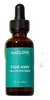
This brightening serum is formulated around Alpha-Arbutin and Kojic Acid to fade the look of dark spots and brighten dull-looking skin.
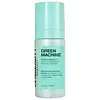
This brightening serum is formulated around Tranexamic Acid and Niacinamide to fade the look of dark spots and brighten dull-looking skin.

What's inside
What's inside
 Key Ingredients
Benefits
Concerns
Ingredients Side-by-side
Water
Skin ConditioningButylene Glycol
Humectant

Polysorbate 20
Emulsifying

Glycerin
Humectant
Alpha-Arbutin
Antioxidant



Kojic Acid
Antioxidant
Moringa Oleifera Seed Oil
Emollient



Glycyrrhiza Glabra Root Extract
Bleaching
Sodium Hyaluronate
Humectant

Cucumis Sativus Fruit Extract
Emollient
Rosmarinus Officinalis Leaf Extract
AntimicrobialHamamelis Virginiana Water
Astringent

Aloe Barbadensis Leaf Juice Powder
Skin Conditioning
Helianthus Annuus Seed Oil
Emollient
Coccinia Indica Fruit Extract
Skin Conditioning
Solanum Melongena Fruit Extract
Skin ConditioningAmber Powder
Thymus Vulgaris Flower/Leaf Oil
Masking
Ocimum Sanctum Leaf Extract
Skin ConditioningMelia Azadirachta Leaf Extract
Skin ConditioningMelia Azadirachta Flower Extract
Skin ConditioningCorallina Officinalis Extract
Skin Conditioning
Glutathione
Polyacrylate Crosspolymer-6
Emulsion Stabilising1,2-Hexanediol
Skin Conditioning
Caprylyl Glycol
Emollient
Sodium Gluconate
ChelatingSclerotium Gum
Emulsion StabilisingEthylhexylglycerin
Skin ConditioningTropolone
Skin ConditioningCitric Acid
Buffering
Sodium Hydroxide
BufferingAlcohol
Antimicrobial
Phenoxyethanol
Preservative
Water, Butylene Glycol, Polysorbate 20, Glycerin, Alpha-Arbutin, Kojic Acid, Moringa Oleifera Seed Oil, Glycyrrhiza Glabra Root Extract, Sodium Hyaluronate, Cucumis Sativus Fruit Extract, Rosmarinus Officinalis Leaf Extract, Hamamelis Virginiana Water, Aloe Barbadensis Leaf Juice Powder, Helianthus Annuus Seed Oil, Coccinia Indica Fruit Extract, Solanum Melongena Fruit Extract, Amber Powder, Thymus Vulgaris Flower/Leaf Oil, Ocimum Sanctum Leaf Extract, Melia Azadirachta Leaf Extract, Melia Azadirachta Flower Extract, Corallina Officinalis Extract, Glutathione, Polyacrylate Crosspolymer-6, 1,2-Hexanediol, Caprylyl Glycol, Sodium Gluconate, Sclerotium Gum, Ethylhexylglycerin, Tropolone, Citric Acid, Sodium Hydroxide, Alcohol, Phenoxyethanol
Aloe Barbadensis Leaf Juice
Skin Conditioning
Glycerin
Humectant
Water
Skin ConditioningHelianthus Annuus Seed Oil
Emollient
Tranexamic Acid
Astringent
Isosorbide Dicaprylate
Skin ConditioningNiacinamide
Smoothing




Cannabis Sativa Seed Oil
Emollient
Chenopodium Quinoa Seed Oil
Emollient
Tetrahexyldecyl Ascorbate
Antioxidant
Xanthan Gum
EmulsifyingKojic Acid
Antioxidant
Lactic Acid
Buffering
Alpha-Arbutin
Antioxidant
Arthrospira Platensis Extract
Antioxidant
Persea Gratissima Oil
Skin Conditioning
Crithmum Maritimum Callus Culture Filtrate
Skin ProtectingPunica Granatum Seed Extract
Skin ConditioningCollagen Amino Acids
Moisturising
Potassium Azeloyl Diglycinate
Skin Conditioning
Brassica Oleracea Acephala Leaf Extract
HumectantSpinacia Oleracea Leaf Extract
Skin ConditioningMoringa Oleifera Seed Oil
Emollient
Sodium Hyaluronate
Humectant
Melia Azadirachta Leaf Extract
Skin ConditioningMelia Azadirachta Flower Extract
Skin ConditioningOcimum Sanctum Leaf Extract
Skin ConditioningCucumis Sativus Fruit Extract
Emollient
Origanum Vulgare Oil
Masking
Thymus Vulgaris Oil
Masking

Curcuma Longa Leaf Extract
Skin ConditioningPinus Pinaster Bark Extract
Antioxidant
Boerhavia Diffusa Root Extract
Skin Protecting
Solanum Melongena Fruit Extract
Skin ConditioningCorallina Officinalis Extract
Skin Conditioning
Chondrus Crispus Extract
Skin Conditioning
Coccinia Indica Fruit Extract
Skin Conditioning
Citric Acid
Buffering
Caprylyl Glycol
Emollient
Butylene Glycol
Humectant
Maltodextrin
Absorbent
Leuconostoc/Radish Root Ferment Filtrate
Antimicrobial
1,2-Hexanediol
Skin Conditioning
Potassium Sorbate
Preservative
Sodium Benzoate
Masking
Amber Powder
Hydroxyacetophenone
Antioxidant
Aloe Barbadensis Leaf Juice, Glycerin, Water, Helianthus Annuus Seed Oil, Tranexamic Acid, Isosorbide Dicaprylate, Niacinamide, Cannabis Sativa Seed Oil, Chenopodium Quinoa Seed Oil, Tetrahexyldecyl Ascorbate, Xanthan Gum, Kojic Acid, Lactic Acid, Alpha-Arbutin, Arthrospira Platensis Extract, Persea Gratissima Oil, Crithmum Maritimum Callus Culture Filtrate, Punica Granatum Seed Extract, Collagen Amino Acids, Potassium Azeloyl Diglycinate, Brassica Oleracea Acephala Leaf Extract, Spinacia Oleracea Leaf Extract, Moringa Oleifera Seed Oil, Sodium Hyaluronate, Melia Azadirachta Leaf Extract, Melia Azadirachta Flower Extract, Ocimum Sanctum Leaf Extract, Cucumis Sativus Fruit Extract, Origanum Vulgare Oil, Thymus Vulgaris Oil, Curcuma Longa Leaf Extract, Pinus Pinaster Bark Extract, Boerhavia Diffusa Root Extract, Solanum Melongena Fruit Extract, Corallina Officinalis Extract, Chondrus Crispus Extract, Coccinia Indica Fruit Extract, Citric Acid, Caprylyl Glycol, Butylene Glycol, Maltodextrin, Leuconostoc/Radish Root Ferment Filtrate, 1,2-Hexanediol, Potassium Sorbate, Sodium Benzoate, Amber Powder, Hydroxyacetophenone
Reviews
Ingredients Explained
These ingredients are found in both products.
Ingredients higher up in an ingredient list are typically present in a larger amount.
1,2-Hexanediol is a synthetic liquid and another multi-functional powerhouse.
It is a:
- Humectant, drawing moisture into the skin
- Emollient, helping to soften skin
- Solvent, dispersing and stabilizing formulas
- Preservative booster, enhancing the antimicrobial activity of other preservatives
Alpha-Arbutin is a brightening active used to fade dark spots, melasma, and post-acne marks. Structurally, it is a hydroquinone with a sugar molecule attached (but is much gentler than raw hydroquinone).
It has a pretty elegant way of working; it slots into tyrosinase, or the key enzyme that your skin uses to make melanin), and competitively blocks it so your skin produces less pigment over time.
There are two forms of arbutin and alpha is the better one to reach for: it works at lower amounts, absorbs into skin more easily, and has a strong safety record.
The science backs this up too: lab and animal studies confirm it lowers melanin by blocking tyosinase and the more you use (up to a point), the more it works.
Human studies look good too.
A 2024 trial found a cream with 5% alpha-arbutin and 2% kojic acid worked about as well as a prescription melasma cream but with fewer side effects. Another study showed 2% alpha-arbutin paired with 10% Trihydroxybenzoic Acid Glucoside and sunscreen faded dark spots and melasma without causing irritation.
Concentration-wise, most serums land in the 1-2% range.
The EU's Scientific Committee on Consumer Safety concluded that alpha-arbutin is safe in face creams up to 2% and body lotions up to 0.5%.
Overall, this is a well-studied and low-irritation brightener that's a great pick for anyone dealing with uneven skin tone. It also pairs well with vitamin C, niacinamide, and sunscreen.
Alpha-Arbutin is a brightening molecule with a sugar attached to it. That sugar makes it love water which is great for keeping products stable...but not so great for getting through your skin.
The outer layer of your skin is oily and waterproof by design so water-loving ingredients have a harder time getting past it.
Lab tests using real human skin show only a tiny fraction of the Alpha-Arbutin applied actually made it below the surface. Most of it just sat on top and eventually got washed or rubbed away.
So why bother?
Because it doesn't really need to go far. Pigment gets made just under the surface so even a small amount landing in the right place can slow it down. Studies where people used 2% Alpha-Arbutin along with sunscreen did see dark spots fade. Keep in mind it's just slow so expect months, not weeks.
You might have heard Alpha-Arbutin turns into hydroquinone (a much stronger, prescription-level brightener) once it's on your face. It can happen in theory since bacteria on your skin can break that sugar off.
But the amount was almost nothing when researchers actually measured it on real people. That's why European safety regulators looked at all of this in 2023 and said 2% for face products and 0.5% for body products is fine.
We can tell you a product has Alpha-Arbutin in it but nobody can tell you how much will absorb into your skin. Here's why:
This is why safety regulators test absorption on actual skin in a lab instead of trying to calculate it. If it could be predicted from an ingredient list, they'd do that.
Learn more about Alpha-ArbutinWe don't have a description for Amber Powder yet.
Butylene Glycol (or BG) is used within cosmetic products for a few different reasons:
Overall, Butylene Glycol is a safe and well-rounded ingredient that works well with other ingredients.
Though this ingredient works well with most skin types, some people with sensitive skin may experience a reaction such as allergic rashes, closed comedones, or itchiness.
Learn more about Butylene GlycolCaprylyl Glycol is a humectant, skin conditioner, emollient, and preservative booster derived from either caprylic acid or synthetically created.
Typical use levels vary from 0.3-1% as a preservative booster and go up to 2% to condition skin.
Because it is not a free-fatty acid, this ingredient is fungal acne safe (there's nothing for Malassezia to feed on).
Learn more about Caprylyl GlycolCitric Acid is an alpha hydroxy acid (AHA) naturally found in citrus fruits like oranges, lemons, and limes.
Like other AHAs, citric acid can exfoliate skin by breaking down the bonds that hold dead skin cells together. This helps reveal smoother and brighter skin underneath.
However, this exfoliating effect only happens at high concentrations (20%) which can be hard to find in cosmetic products.
Due to this, citric acid is usually included in small amounts as a pH adjuster. This helps keep products slightly more acidic and compatible with skin's natural pH.
In skincare formulas, citric acid can:
While it can provide some skin benefits, research shows lactic acid and glycolic acid are generally more effective and less irritating exfoliants.
Most citric acid used in skincare today is made by fermenting sugars (usually from molasses). This synthetic version is identical to the natural citrus form but easier to stabilize and use in formulations.
Rosacea skin has a lower threshold for acids generally, with 62.5% of rosacea subjects in one study reacting to lactic acid in a sting test. This is why we mark citric acid as a potential rosacea trigger.
However, this ingredient shows up as a pH adjuster or chelator at roughly 0.1-1% in many products. These low levels are unlikely to be an issue for rosacea skin and becomes a potential trigger at exfoliating concentrations (20%). Because everybody's skin is unique, we recommend a patch test if you are unsure.
Learn more about Citric AcidCoccinia Indica Fruit Extract is also known as Ivy Gourd Fruit Extract. It has skin conditioning properties.
The fruit is rich in flavonoids, phenolic acids, terpenoids, and sterols that show antioxidant and anti-inflammatory effect in vitro. This is because the fruit contains a thick mucilage that forms a protective and soothing layer on the skin's surface.
The extract itself has demonstrated antioxidant, soothing, and potential anti-allergy properties.
Most of this research is done in vitro and dedicated clinical studies on topical application are still limited.
Learn more about Coccinia Indica Fruit ExtractCorallina Officinalis Extract comes from the small red seaweed that grows on rocky coastlines that feels stiff to the touch because it builds calcium carbonate right into its cell walls.
That mineral content is basically its whole selling point: the extract brings calcium, magnesium, and trace minerals along with sugars (polysaccharides) and proteins. This is why formulators use it as a skin-conditioning and hydrating ingredient.
Lab testing does back up decent antioxidant activity for this species. A study comparing twelve red seaweeds found Corallina Officinalis stood out for its free-radical scavenging capacity. And a separate study found meaningful radical scavenging plus antibacterial activity from the raw biomass.
It's worth being clear that most of this is test-tube work on raw-algae and not a clinical trial on a finished cream.
On concentration, a 2020 industry survey found it's used at up to 2% in makeup and skincare. Safety-wise, it's as boring as it gets: the Cosmetic Ingredient Review Expert Panel concluded this ingredient (along with the powder, Thallus Extract, and Hydrolyzed versions) to be safe as used in cosmetics and cited negative sensitization data.
There's no meaningful record of it causing allergic contact dermatitis, but be sure to patch test if you are unsure.
You'll see algae/seaweed listed as a 5/5 on a lot of pore-clogging charts and that number doesn't come from anywhere; it's not in the original rabbit-ear studies that most comedogenic ratings trace back to.
The reasoning behind the reputation is that seaweed is high in iodine and iodine can trigger acne-like breakouts when eaten. This traces back to a 1976 letter in Archives of Dermatology describing two women whose breakouts cleared after they stopped taking high-dose kelp supplements orally.
And the reaction of these two women wasn't clogged pores at all: it was an iodine-triggered pustular rash. Later research found normal dietary iodine doesn't meaningfully affect acne either and nobody has shown topical seaweed delivers enough iodine to matter.
What we do have is dozens of brown and red algae ingredients found to be non-irritating and non-sensitizing, and a handful of studies that found algae compounds may actually help acne.
However, plenty of people do report breaking out from algae-containing products. Skin is individual and it's worth avoiding if yours has reacted to algae before.
Learn more about Corallina Officinalis ExtractThis extract comes from cucumber. Cucumbers are mostly made up of water (95%), and the other 5% is composed of: vitamin C, caffeic acid, fatty acids, amino acids, and other minerals.
Cucumbers have anti-inflammatory, barrier repair, and hydrating properties.
They contain shikimate dehydrigenase, an enzyme shown to help reduce inflammation and soothe the skin.
The amino acids found in cucumbers help nourish our skin's natural acid mantle (it's an important part of our skin barrier). This slightly acidic film acts as a barrier to protect us from bacteria, viruses, and other contaminants.
Unless you have an allergy to cucumbers, this is generally a non-irritating ingredient.
Fun fact: Cucumis Sativus is native to South Asia and can now be found on every continent.
Learn more about Cucumis Sativus Fruit ExtractGlycerin (or glycerol) is a compound naturally found in your skin. It's a powerhouse humectant that pulls water into the stratum corneum.
Topically, glycerin does several things at once:
Your skin makes glycerin on its own (mostly from sebaceous oil breakdown) and shuttles it to your outermost layer of skin, or your epidermis, via aquaporin-3.
Aquaporin-3 is a transporter that is essential for normal skin hydration, elasticity, and repair. Interestingly, mice lacking in AQP3 have dry and less elastic skin that can be fully corrected with glycerin.
This ingredient is non-irritating, plays well with almost every ingredient, and works across all skin types. Typical use is anywhere between 3-10% but can go up to 79% in some leave-on products.
Just know very high concentrations (>40%) can feel tacky in low humidity.
Glycerin is the name for this ingredient in American English. British English uses Glycerol/Glycerine.
Learn more about GlycerinHelianthus Annuus Seed Oil is a plant oil derived from the seeds of a sunflower.
It is rich in fatty acids, primarily linoleic acid and oleic acid. This gives it emollient and skin conditioning properties.
The reason this ingredient is so effective is because it forms a thin film on the skin that reduces transepidermal water loss (TEWL) while supplying linoleic acid to the stratum corneum to improve barrier strength.
The high linoleic acid content is particularly noteworthy for acne-prone skin.
Research suggests that acne-prone skin tends to be deficient in linoleic acid in sebum. Topical application may help replenish this to support a healthier follicular environment and less comedone-promoting sebum.
One randomized study found sunflower seed oil preserved skin barrier integrity in adult volunteers with and without atopic dermatitis (outperforming olive oil).
This ingredient is well-studied, gentle, and an effective emollient suitable for most skin types.
On fungal acne: This ingredient may not be Fungal acne (Malassezia folliculitis) safe. This is because it contains fatty acids with carbon chain lengths in the C11-C24 range.
Learn more about Helianthus Annuus Seed OilKojic Acid is a naturally occurring organic acid that is produced during the fermentation of certain fungi. It is one of the most well-studied brightening ingredients (tyrosinase inhibitors) out there.
That's why you'll see Kojic Acid in products that target dark spots, hyperpigmentation, and general uneven skin tone. It also pairs well with other brightening actives like Alpha Arbutin, Glycolic Acid, and Vitamin C derivatives.
By latching onto the copper that the enzyme tyrosinase needs to function, Kojic Acid prevents less pigment from being made. It's so well-established that researchers regularly use it as the go-to benchmark when testing new brightening ingredients.
Some other perks include documented antioxidant and antimicrobial properties. The The CIR (Cosmetic Ingredient Review) Expert Panel concluded Kojic Acid is safe for use in cosmetic products at concentrations up to 1% and the EU's SCCS (Scientific Committee on Consumer Safety) considers it safe as a skin lightening agent at concentrations up to 0.7%.
One thing to know about Kojic Acid is that stability is its weak spot; it is sensitive to light, heat, and air exposure and will oxidize/turn brown in formulations. Its derivative, Kojic Dipalmitate, was developed as a stable alternative.
Some individuals have reported contact sensitization so be sure to patch test if you have reactive or sensitive skin.
Fun fact: It was first discovered in 1907 and naturally occurs in the production of sake, soy sauce, and miso.
Learn more about Kojic AcidMelia Azadirachta Flower Extract is from the Neem tree. Neem trees originate from India.
Melia Azadirachta Flower Extract contains antioxidants. Antioxidants help fight free-radicals. Free-radicals are molecules that may damage your skin cells, such as pollution.
The flowers of this tree are lilac colored.
Learn more about Melia Azadirachta Flower ExtractThis ingredient is also known as neem leaf extract. It contains natural compounds like nimbidin, quercetin, and other polyphenols that give it antibacterial, antifungal, and anti-inflammatory activity.
Lab studies have shown neem leaf extract can inhibit acne-related bacteria and help calm skin. Animal studies on wound gels using 1-3% neem leaf extract found it sped up healing without causing irritation.
A wound-healing study testing gels with the extract at 1%, 2%, and 3% concentrations and found none of them irritated the skin.
Most commercial products also use it in a similar low range (typically under 5%).
Allergy-wise, there are some case reports on neem oil causing allergic contact dermatitis so people with plant/botanical sensitivities may want to patch test first.
Learn more about Melia Azadirachta Leaf ExtractMoringa Oleifera Seed Oil is a lightweight oil from the seeds of the Moringa oleifera tree. In cosmetics, it's an emollient that forms a light film to slow water loss and soften skin.
Its fatty acid composition is dominated by oleic acid (70-78%), with smaller amounts of behenic, palmitic, and stearic acids (this profile is actually pretty similar to olive oil).
Notably, this ingredient is oxidatively stable for an oil and resists going rancid as fast as other oils.
A small, in vivo study on 32 participants found a cream with this ingredient increased skin hydration with no reported skin irritation. It also found the tocopherol content gave it some antioxidant activity as well.
Because this oil is so high in oleic acid, Malassezia can use it as a food source and this ingredient may not be fungal acne safe.
For everyone else, this ingredient is well-tolerated and nourishing with a good safety track record.
This ingredient shows up on a lot of "pore-clogging" lists but there's no real evidence behind that. It doesn't even have a comedogenic rating from an actual study; the numbers you'll find online come from blogs citing other blogs.
Ratings for other ingredients mostly come from a 1980s rabbit ear test. This test doesn't translate well to human skin or to real products because the ingredient sits at a much lower percentage.
Some people still find it breaks them out. So if that's you, definitely trust your skin.
Learn more about Moringa Oleifera Seed OilOcimum Sanctum Leaf Extract comes from the Holy Basil plant. Holy Basil is native to India.
Holy Basil is rich in antioxidants due to its high romarinic acid, ferulic acid, and rutin content. This gives it skin brightening and soothing properties.
While Holy Basil has many claims to help fight acne, more research is needed.
One thing to note is the presence of tannins; tannins are naturally found in nature. However, this compound may be skin-sensitizing.
Learn more about Ocimum Sanctum Leaf ExtractSodium Hyaluronate is the salt form of hyaluronic acid. It is a long sugar chain that is naturally found in your skin, joints, and connective tissue that maintains hydration and elasticity.
In skincare, it works as a humectant. It pulls water from the environment and deeper layers of skin and binds it to the surface.
Interestingly, the size of the molecule affects its behavior:
Some clinical evidence links low molecular weight versions to improved wrinkle depth, elasticity, anti-inflammatory effects, and barrier repair.
Many serums use a blend of both weights so you can get surface hydration plus longer-lasting and deeper effects.
You'll typically see concentrations between 0.1-2% for this ingredient.
Learn more about Sodium HyaluronateThis ingredient comes from eggplant (or aubergine). It has skin conditioning properties due to its abundance of antioxidants like Chlorogenic Acid, Caffeic Acid, and Nasunin.
Nasunin is the pigment concentrated in the purple peel and has demonstrated the abilityu to neutralize free radicals and bind excess iron in lab studies.
Lab studies have shown that eggplant extracts can lower oxidative stress and protect skin cell membranes from damage. A 2025 study found that specific compounds in eggplant (particularly a phenolamide called N-Trans-Feruloylputrescine) may support skin health by neutralizing 2-nonenal, a byproduct linked to aging skin.
Overall, this is a gentle, well-tolerated ingredient that adds a little extra antioxidant support to your routine.
Those with nighshade vegetable allergies (tomatoes, peppers, potatoes) should patch test as eggplant is part of the same family.
Learn more about Solanum Melongena Fruit ExtractWater. It's the most common cosmetic ingredient of all. You'll usually see it at the top of ingredient lists, meaning that it makes up the largest part of the product.
So why is it so popular? Water most often acts as a solvent - this means that it helps dissolve other ingredients into the formulation.
You'll also recognize water as that liquid we all need to stay alive. If you see this, drink a glass of water. Remember to stay hydrated!
Learn more about Water

