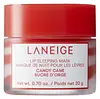
This hydrating lip mask is formulated around Butyrospermum Parkii Butter to hydrate lips and strengthen the lip barrier.
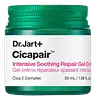
This calming moisturizer is formulated around Niacinamide and Centella Asiatica Leaf Extract to calm redness and strengthen the skin barrier.

What's inside
What's inside
 Key Ingredients
Benefits
Concerns
Ingredients Side-by-side
Diisostearyl Malate
EmollientHydrogenated Polyisobutene
EmollientPhytosteryl/Isostearyl/Cetyl/Stearyl/Behenyl Dimer Dilinoleate
Skin Conditioning

Polybutene
Hydrogenated Poly(C6-14 Olefin)
EmollientMicrocrystalline Wax
Emulsion StabilisingCera Microcristallina
Emulsion StabilisingButyrospermum Parkii Butter
Skin Conditioning




Synthetic Wax
Abrasive
Ethylene/Propylene/Styrene Copolymer
Sucrose Tetrastearate Triacetate
Emollient
Mica
Cosmetic ColorantEuphorbia Cerifera Wax
Euphorbia Cerifera Cera
Astringent
Candelilla Cera
Emollient
Candelilla Wax Esters
Parfum
Masking


Astrocaryum Murumuru Seed Butter
Emollient
Polyglyceryl-2 Triisostearate
Emulsifying
Glyceryl Caprylate
EmollientButylene/Ethylene/Styrene Copolymer
Copernicia Cerifera Wax
Copernicia Cerifera Cera
Emollient
PEG-12 Carnauba
Emulsion StabilisingMethicone
Emollient
CI 15850
Cosmetic ColorantCI 15985
Cosmetic ColorantCocos Nucifera Oil
Masking

Pentaerythrityl Tetra-Di-T-Butyl Hydroxyhydrocinnamate
Antioxidant
Ascorbic Acid
Antioxidant





Tocopherol
Antioxidant

Water
Skin ConditioningGlycerin
Humectant
Propanediol
Solvent
BHT
Antioxidant
Punica Granatum Fruit Juice
MaskingRubus Idaeus Juice
AstringentVitis Vinifera Juice
Antioxidant
Diisostearyl Malate, Hydrogenated Polyisobutene, Phytosteryl/Isostearyl/Cetyl/Stearyl/Behenyl Dimer Dilinoleate, Polybutene, Hydrogenated Poly(C6-14 Olefin), Microcrystalline Wax, Cera Microcristallina, Butyrospermum Parkii Butter, Synthetic Wax, Ethylene/Propylene/Styrene Copolymer, Sucrose Tetrastearate Triacetate, Mica, Euphorbia Cerifera Wax, Euphorbia Cerifera Cera, Candelilla Cera, Candelilla Wax Esters, Parfum, Astrocaryum Murumuru Seed Butter, Polyglyceryl-2 Triisostearate, Glyceryl Caprylate, Butylene/Ethylene/Styrene Copolymer, Copernicia Cerifera Wax, Copernicia Cerifera Cera, PEG-12 Carnauba, Methicone, CI 15850, CI 15985, Cocos Nucifera Oil, Pentaerythrityl Tetra-Di-T-Butyl Hydroxyhydrocinnamate, Ascorbic Acid, Tocopherol, Water, Glycerin, Propanediol, BHT, Punica Granatum Fruit Juice, Rubus Idaeus Juice, Vitis Vinifera Juice
Water
Skin ConditioningDipropylene Glycol
HumectantGlycerin
Humectant
Butylene Glycol
Humectant
Caprylyl Methicone
Skin Conditioning
Pentylene Glycol
Skin Conditioning
Niacinamide
Smoothing




1,2-Hexanediol
Skin Conditioning
Cetearyl Olivate
Theobroma Cacao Extract
Skin ConditioningCentella Asiatica Leaf Extract
Skin Conditioning
Hydrogenated Polydecene
EmollientGlyceryl Caprylate
EmollientAllantoin
Skin Conditioning
Asiaticoside
Antioxidant
Madecassic Acid
Skin Conditioning
Asiatic Acid
Skin Conditioning
Adenosine
Skin Conditioning
Polyglyceryl-4 Oleate
Emulsifying
Sodium Stearoyl Glutamate
CleansingPalmitoyl Tripeptide-8
Skin Conditioning
Sorbitan Olivate
Emulsifying
C14-22 Alcohols
Emulsion Stabilising
Tromethamine
BufferingAmmonium Acryloyldimethyltaurate/Vp Copolymer
Acrylates/C10-30 Alkyl Acrylate Crosspolymer
Emulsion StabilisingCarbomer
Emulsion StabilisingBoron Nitride
Absorbent
Propanediol
Solvent
Isopentyldiol
Humectant
Dextrin
AbsorbentC12-20 Alkyl Glucoside
EmulsifyingSodium Surfactin
CleansingDextran
Sodium Phytate
ChelatingCI 19140
Cosmetic ColorantCI 42090
Cosmetic ColorantWater, Dipropylene Glycol, Glycerin, Butylene Glycol, Caprylyl Methicone, Pentylene Glycol, Niacinamide, 1,2-Hexanediol, Cetearyl Olivate, Theobroma Cacao Extract, Centella Asiatica Leaf Extract, Hydrogenated Polydecene, Glyceryl Caprylate, Allantoin, Asiaticoside, Madecassic Acid, Asiatic Acid, Adenosine, Polyglyceryl-4 Oleate, Sodium Stearoyl Glutamate, Palmitoyl Tripeptide-8, Sorbitan Olivate, C14-22 Alcohols, Tromethamine, Ammonium Acryloyldimethyltaurate/Vp Copolymer, Acrylates/C10-30 Alkyl Acrylate Crosspolymer, Carbomer, Boron Nitride, Propanediol, Isopentyldiol, Dextrin, C12-20 Alkyl Glucoside, Sodium Surfactin, Dextran, Sodium Phytate, CI 19140, CI 42090
Reviews
Ingredients Explained
These ingredients are found in both products.
Ingredients higher up in an ingredient list are typically present in a larger amount.
Glycerin (or glycerol) is a compound naturally found in your skin. It's a powerhouse humectant that pulls water into the stratum corneum.
Topically, glycerin does several things at once:
Your skin makes glycerin on its own (mostly from sebaceous oil breakdown) and shuttles it to your outermost layer of skin, or your epidermis, via aquaporin-3.
Aquaporin-3 is a transporter that is essential for normal skin hydration, elasticity, and repair. Interestingly, mice lacking in AQP3 have dry and less elastic skin that can be fully corrected with glycerin.
This ingredient is non-irritating, plays well with almost every ingredient, and works across all skin types. Typical use is anywhere between 3-10% but can go up to 79% in some leave-on products.
Just know very high concentrations (>40%) can feel tacky in low humidity.
Glycerin is the name for this ingredient in American English. British English uses Glycerol/Glycerine.
Learn more about GlycerinGlyceryl Caprylate comes from glycerin and caprylic acid. It is an emollient, co-emulsifier, and preservative booster.
Its short C8 fatty acid chain makes it behave differently from its longer-chain emollient cousins like Glyceryl Stearate. It feels more lightweight, fast-absorbing, and silky instead of rich and waxy.
As a co-emulsifier, its "head" and "tail" sit at the oil-water interface. But overall, the short C8 tail and not being water soluble means it doesn't really have the muscle to emulsify a formula on its own. That's why you'll often see it paired with a primary emulsifier like Cetearyl Glucoside.
Interestingly, Glyceryl Caprylate acts as a preservative booster. This is because its fatty-acid backbone disrupts microbial lipid membranes. It shows excellent activity against bacteria and yeast but is weaker against mold.
Typical concentrations range from 0.5-1% and this ingredient is generally non-irritating.
Because this ingredient has a C8 fatty acid chain, it is outside the range that the Malassezia yeast metabolizes (making it fungal acne safe).
Learn more about Glyceryl CaprylatePropanediol is an all-star ingredient. It softens, hydrates, and smooths the skin.
It’s often used to:
Propanediol is not likely to cause sensitivity and considered safe to use. It is derived from corn or petroleum with a clear color and no scent.
Learn more about PropanediolWater. It's the most common cosmetic ingredient of all. You'll usually see it at the top of ingredient lists, meaning that it makes up the largest part of the product.
So why is it so popular? Water most often acts as a solvent - this means that it helps dissolve other ingredients into the formulation.
You'll also recognize water as that liquid we all need to stay alive. If you see this, drink a glass of water. Remember to stay hydrated!
Learn more about Water

