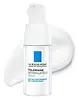
La Roche-Posay Toleriane Dermallergo Eye Cream Versus Biologique Recherche Crème Contour des Yeux Biosensible High Tolerance Eye Contour Cream

What's inside
What's inside
 Key Ingredients
Benefits
Concerns
Ingredients Side-by-side
Water
Skin ConditioningGlycerin
Humectant


Butylene Glycol
Humectant
Propanediol
Solvent
Squalane
Emollient
Butyrospermum Parkii Butter
Skin Conditioning




Pentylene Glycol
Skin Conditioning
Niacinamide
Smoothing








Cellulose
Absorbent
Zea Mays Starch
Absorbent
Polysorbate 20
Emulsifying
Salvia Miltiorrhiza Root Extract
Skin ConditioningGlyceryl Acrylate/Acrylic Acid Copolymer
HumectantSphingomonas Ferment Extract
Skin Conditioning
Ammonium Polyacryloyldimethyl Taurate
Emulsion StabilisingHydroxyacetophenone
Antioxidant
Citric Acid
Buffering
Trisodium Ethylenediamine Disuccinate
Acetyl Dipeptide-1 Cetyl Ester
Skin Conditioning
Water, Glycerin, Butylene Glycol, Propanediol, Squalane, Butyrospermum Parkii Butter, Pentylene Glycol, Niacinamide, Cellulose, Zea Mays Starch, Polysorbate 20, Salvia Miltiorrhiza Root Extract, Glyceryl Acrylate/Acrylic Acid Copolymer, Sphingomonas Ferment Extract, Ammonium Polyacryloyldimethyl Taurate, Hydroxyacetophenone, Citric Acid, Trisodium Ethylenediamine Disuccinate, Acetyl Dipeptide-1 Cetyl Ester
Water
Skin ConditioningButyrospermum Parkii Butter
Skin Conditioning
Propanediol Dicaprylate
EmollientPentylene Glycol
Skin Conditioning
C12-16 Alcohols
EmollientPlukenetia Volubilis Seed Oil
Emollient
Glycerin
Humectant
Butylene Glycol
Humectant
Lactobacillus/Wasabia Japonica Root Ferment Extract
Antioxidant
Simmondsia Chinensis Seed Oil
Emollient
Perfluorodecalin
Skin ConditioningHydrogenated Lecithin
Emulsifying
Palmitic Acid
Emollient
Opuntia Ficus-Indica Seed Oil
Emollient
Vaccinium Macrocarpon Seed Oil
Skin Conditioning
Albizia Julibrissin Bark Extract
MaskingAdansonia Digitata Pulp Extract
EmollientPueraria Lobata Root Extract
HumectantBiosaccharide Gum-2
Skin ConditioningMilk Protein
Skin ConditioningOpuntia Ficus-Indica Fruit Extract
Skin ConditioningEquisetum Arvense Extract
AstringentCamellia Sinensis Leaf Extract
Antimicrobial
Punica Granatum Pericarp Extract
Skin ConditioningCeramide AP
Skin Conditioning
Phytosphingosine
Skin Conditioning
Cholesterol
Emollient
Cynara Scolymus Leaf Extract
Skin ConditioningTocopherol
Antioxidant
Darutoside
Skin ConditioningCeramide EOP
Skin Conditioning
Ceramide NP
Skin Conditioning
Lactose
HumectantVitis Vinifera Leaf Water
Skin ConditioningHydroxyethyl Acrylate/Sodium Acryloyldimethyl Taurate Copolymer
Emulsion StabilisingGlyceryl Stearate Citrate
Emollient
Propylene Glycol
Humectant
Polyperfluoromethylisopropyl Ether
Skin ConditioningSodium Lauroyl Lactylate
EmulsifyingPhenoxyethanol
Preservative
Poloxamer 188
EmulsifyingPolysorbate 60
Emulsifying
Sorbitan Isostearate
Emulsifying
Sodium Benzoate
Masking
Xanthan Gum
EmulsifyingLactic Acid
Buffering
Sodium Dehydroacetate
Preservative
Potassium Sorbate
Preservative
Carbomer
Emulsion StabilisingEthylhexylglycerin
Skin ConditioningCitric Acid
Buffering
Water, Butyrospermum Parkii Butter, Propanediol Dicaprylate, Pentylene Glycol, C12-16 Alcohols, Plukenetia Volubilis Seed Oil, Glycerin, Butylene Glycol, Lactobacillus/Wasabia Japonica Root Ferment Extract, Simmondsia Chinensis Seed Oil, Perfluorodecalin, Hydrogenated Lecithin, Palmitic Acid, Opuntia Ficus-Indica Seed Oil, Vaccinium Macrocarpon Seed Oil, Albizia Julibrissin Bark Extract, Adansonia Digitata Pulp Extract, Pueraria Lobata Root Extract, Biosaccharide Gum-2, Milk Protein, Opuntia Ficus-Indica Fruit Extract, Equisetum Arvense Extract, Camellia Sinensis Leaf Extract, Punica Granatum Pericarp Extract, Ceramide AP, Phytosphingosine, Cholesterol, Cynara Scolymus Leaf Extract, Tocopherol, Darutoside, Ceramide EOP, Ceramide NP, Lactose, Vitis Vinifera Leaf Water, Hydroxyethyl Acrylate/Sodium Acryloyldimethyl Taurate Copolymer, Glyceryl Stearate Citrate, Propylene Glycol, Polyperfluoromethylisopropyl Ether, Sodium Lauroyl Lactylate, Phenoxyethanol, Poloxamer 188, Polysorbate 60, Sorbitan Isostearate, Sodium Benzoate, Xanthan Gum, Lactic Acid, Sodium Dehydroacetate, Potassium Sorbate, Carbomer, Ethylhexylglycerin, Citric Acid
Reviews
Ingredients Explained
These ingredients are found in both products.
Ingredients higher up in an ingredient list are typically present in a larger amount.
Butylene Glycol (or BG) is used within cosmetic products for a few different reasons:
Overall, Butylene Glycol is a safe and well-rounded ingredient that works well with other ingredients.
Though this ingredient works well with most skin types, some people with sensitive skin may experience a reaction such as allergic rashes, closed comedones, or itchiness.
Learn more about Butylene GlycolThis ingredient is also known as shea butter. It is a plant-derived extract from the nuts of the Africa shea tree and one of the most well-studied emollients.
Because it has a high concentration of fatty acids (primarily oleic, stearic, and linoleic) it is able to form a protective barrier on the skin's surface. This helps seal in moisture and prevents transepidermal water loss (TEWL).
In vitro research found an increase in skin hydration by 58% and a decrease in TEWL by 37.8% after 24 hours of applying this ingredient (pretty impressive for a single ingredient!).
Besides hydration, shea butter also contains triterpenes that have anti-inflammatory potential. In particule, lupeol cinnamate has shown the highest anti-inflammatory activity in vivo.
Shea butter also contains vitamins A and E which may contribute to antioxidant activity.
While Shea Butter has an SPF rating of about 3-4, it is not a sunscreen replacement.
This ingredient may not be fungal acne safe because its fatty acids fall within the C11-C24 range that the Malassezia yeast can metabolize.
Learn more about Butyrospermum Parkii ButterCitric Acid is an alpha hydroxy acid (AHA) naturally found in citrus fruits like oranges, lemons, and limes.
Like other AHAs, citric acid can exfoliate skin by breaking down the bonds that hold dead skin cells together. This helps reveal smoother and brighter skin underneath.
However, this exfoliating effect only happens at high concentrations (20%) which can be hard to find in cosmetic products.
Due to this, citric acid is usually included in small amounts as a pH adjuster. This helps keep products slightly more acidic and compatible with skin's natural pH.
In skincare formulas, citric acid can:
While it can provide some skin benefits, research shows lactic acid and glycolic acid are generally more effective and less irritating exfoliants.
Most citric acid used in skincare today is made by fermenting sugars (usually from molasses). This synthetic version is identical to the natural citrus form but easier to stabilize and use in formulations.
Read more about some other popular AHA's here:
Learn more about Citric AcidGlycerin (or glycerol) is a compound naturally found in your skin. It's a powerhouse humectant that pulls water into the stratum corneum.
Topically, glycerin does several things at once:
Your skin makes glycerin on its own (mostly from sebaceous oil breakdown) and shuttles it to your outermost layer of skin, or your epidermis, via aquaporin-3.
Aquaporin-3 is a transporter that is essential for normal skin hydration, elasticity, and repair. Interestingly, mice lacking in AQP3 have dry and less elastic skin that can be fully corrected with glycerin.
This ingredient is non-irritating, plays well with almost every ingredient, and works across all skin types. Typical use is anywhere between 3-10% but can go up to 79% in some leave-on products.
Just know very high concentrations (>40%) can feel tacky in low humidity.
Glycerin is the name for this ingredient in American English. British English uses Glycerol/Glycerine.
Learn more about GlycerinPentylene Glycol (1,2-pentanediol) is a multitasking little diol with three main roles in a formula:
Research on alkanediols (the family pentylene glycol belongs to) show they work by disrupting microbial cell membranes. This disruption helps the primary preservative system in a product work more effectively at lower doses.
On the safety side, the Cosmetic Ingredient Review Expert Panel has concluded this ingredient to be safe as used in current cosmetic practices + concentrations.
Typical use levels in a formula run about 1-5%.
Learn more about Pentylene GlycolWater. It's the most common cosmetic ingredient of all. You'll usually see it at the top of ingredient lists, meaning that it makes up the largest part of the product.
So why is it so popular? Water most often acts as a solvent - this means that it helps dissolve other ingredients into the formulation.
You'll also recognize water as that liquid we all need to stay alive. If you see this, drink a glass of water. Remember to stay hydrated!
Learn more about Water

