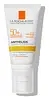
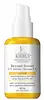
La Roche-Posay Anthelios Sun Intolerance Skin Sensitive to UV Radiation SPF50 Versus Kiehl's Beyond Screen UV Serum SPF 50+ Facial Sunscreen


What's inside
What's inside
 Key Ingredients
Benefits
Concerns
Ingredients Side-by-side
Water
Skin ConditioningC12-15 Alkyl Benzoate
AntimicrobialGlycerin
Humectant


Bis-Ethylhexyloxyphenol Methoxyphenyl Triazine
Skin Conditioning
Alcohol Denat.
Antimicrobial




Dimethicone
Emollient
Ethylhexyl Triazone
UV Absorber
Drometrizole Trisiloxane
UV Absorber
Butyl Methoxydibenzoylmethane
UV Absorber
Styrene/Acrylates Copolymer
Pentaerythrityl Tetraethylhexanoate
Emollient
Titanium Dioxide
Cosmetic Colorant
Propylene Glycol
Humectant
Diisopropyl Sebacate
EmollientStearyl Alcohol
Emollient

Talc
Abrasive
Tocopherol
Antioxidant





Nylon-12

Synthetic Wax
Abrasive
Acetyl Dipeptide-1 Cetyl Ester
Skin Conditioning

Aluminum Hydroxide
EmollientAmmonium Acryloyldimethyltaurate/Steareth-8 Methacrylate Copolymer
Emulsion StabilisingAmmonium Polyacryloyldimethyl Taurate
Emulsion StabilisingCaprylyl Glycol
Emollient
Dimethicone Crosspolymer
Emulsion Stabilising
Disodium EDTA
Glyceryl Isostearate
Emollient
Isopropyl Lauroyl Sarcosinate
Skin ConditioningPEG-8 Laurate
Emulsifying
Pentylene Glycol
Skin Conditioning
Potassium Cetyl Phosphate
EmulsifyingScutellaria Baicalensis Extract
AntimicrobialStearic Acid
Cleansing
T-Butyl Alcohol
Perfuming
Terephthalylidene Dicamphor Sulfonic Acid
UV Absorber
Toluene Sulfonic Acid
Triethanolamine
BufferingXanthan Gum
EmulsifyingWater, C12-15 Alkyl Benzoate, Glycerin, Bis-Ethylhexyloxyphenol Methoxyphenyl Triazine, Alcohol Denat., Dimethicone, Ethylhexyl Triazone, Drometrizole Trisiloxane, Butyl Methoxydibenzoylmethane, Styrene/Acrylates Copolymer, Pentaerythrityl Tetraethylhexanoate, Titanium Dioxide, Propylene Glycol, Diisopropyl Sebacate, Stearyl Alcohol, Talc, Tocopherol, Nylon-12, Synthetic Wax, Acetyl Dipeptide-1 Cetyl Ester, Aluminum Hydroxide, Ammonium Acryloyldimethyltaurate/Steareth-8 Methacrylate Copolymer, Ammonium Polyacryloyldimethyl Taurate, Caprylyl Glycol, Dimethicone Crosspolymer, Disodium EDTA, Glyceryl Isostearate, Isopropyl Lauroyl Sarcosinate, PEG-8 Laurate, Pentylene Glycol, Potassium Cetyl Phosphate, Scutellaria Baicalensis Extract, Stearic Acid, T-Butyl Alcohol, Terephthalylidene Dicamphor Sulfonic Acid, Toluene Sulfonic Acid, Triethanolamine, Xanthan Gum
Homosalate 7%
Skin Conditioning
Octocrylene 7%
UV Absorber
Ethylhexyl Salicylate 5%
UV Absorber
Butyl Methoxydibenzoylmethane 3%
UV Absorber
Water
Skin ConditioningGlycerin
Humectant
C15-19 Alkane
SolventPropanediol
Solvent
C12-22 Alkyl Acrylate/Hydroxyethylacrylate Copolymer
StabilisingTocopherol
Antioxidant
Sodium Stearoyl Glutamate
CleansingButylene Glycol
Humectant
Cetearyl Alcohol
Emollient

Sclerotium Gum
Emulsion StabilisingHydroxyacetophenone
Antioxidant
Caprylyl Glycol
Emollient
Sodium Starch Octenylsuccinate
AbsorbentGlyceryl Stearate
Emollient
Jojoba Esters
Emollient
Helianthus Annuus Seed Wax
Skin Conditioning
Hydroxypropyl Starch Phosphate
Trisodium Ethylenediamine Disuccinate
Carbomer
Emulsion StabilisingSodium Lactate
Buffering
Sodium Hydroxide
BufferingPolysorbate 20
Emulsifying
Polyglycerin-3
Humectant
Palmitoyl Tripeptide-1
Skin Conditioning
Palmitoyl Tetrapeptide-7
Skin Conditioning
Homosalate 7%, Octocrylene 7%, Ethylhexyl Salicylate 5%, Butyl Methoxydibenzoylmethane 3%, Water, Glycerin, C15-19 Alkane, Propanediol, C12-22 Alkyl Acrylate/Hydroxyethylacrylate Copolymer, Tocopherol, Sodium Stearoyl Glutamate, Butylene Glycol, Cetearyl Alcohol, Sclerotium Gum, Hydroxyacetophenone, Caprylyl Glycol, Sodium Starch Octenylsuccinate, Glyceryl Stearate, Jojoba Esters, Helianthus Annuus Seed Wax, Hydroxypropyl Starch Phosphate, Trisodium Ethylenediamine Disuccinate, Carbomer, Sodium Lactate, Sodium Hydroxide, Polysorbate 20, Polyglycerin-3, Palmitoyl Tripeptide-1, Palmitoyl Tetrapeptide-7
Reviews
Ingredients Explained
These ingredients are found in both products.
Ingredients higher up in an ingredient list are typically present in a larger amount.
Also known as Avobenzone, this ingredient is a chemical sunscreen filter that provides protection in the UV-A range.
Avobenzone is globally approved and is the most commonly used UV-A filter in the world.
Studies have found that avobenzone becomes ineffective when exposed to UV light (it is not photostable; meaning that it breaks down in sunlight). Because of this, formulations that include avobenzone will usually contain stabilizers such as octocrylene.
However, some modern formulations (looking at you, EU!) are able to stabilize avobenzone by coating the molecules.
Avobenzone does not protect against the UV-B range, so it's important to check that the sunscreen you're using contains other UV filters that do!
The highest concentration of avobenzone permitted is 3% in the US, and 5% in the EU.
Learn more about Butyl MethoxydibenzoylmethaneCaprylyl Glycol is a humectant, skin conditioner, emollient, and preservative booster derived from either caprylic acid or synthetically created.
Typical use levels vary from 0.3-1% as a preservative booster and go up to 2% to condition skin.
Because it is not a free-fatty acid or alcohol, this ingredient is fungal acne safe (there's nothing for Malassezia to feed on).
Learn more about Caprylyl GlycolGlycerin (or glycerol) is a compound naturally found in your skin. It's a powerhouse humectant that pulls water into the stratum corneum.
Topically, glycerin does several things at once:
Your skin makes glycerin on its own (mostly from sebaceous oil breakdown) and shuttles it to your outermost layer of skin, or your epidermis, via aquaporin-3.
Aquaporin-3 is a transporter that is essential for normal skin hydration, elasticity, and repair. Interestingly, mice lacking in AQP3 have dry and less elastic skin that can be fully corrected with glycerin.
This ingredient is non-irritating, plays well with almost every ingredient, and works across all skin types. Typical use is anywhere between 3-10% but can go up to 79% in some leave-on products.
Just know very high concentrations (>40%) can feel tacky in low humidity.
Glycerin is the name for this ingredient in American English. British English uses Glycerol/Glycerine.
Learn more about GlycerinTocopherol is a fat-soluble antioxidant known as Vitamin E.
You'll find this ingredient in the vast majority of skincare (for good reason). It works to neutralize free radicals, or unstable molecules generated by UV exposure, pollution, and other environmental stressors, before they can cause oxidative damage to your skin cells.
Topically applied tocopherol has been shown to protect against UV damage by ramping up the skin's own natural defense enzymes.
It also acts as a skin conditioning agent; some studies show that regular topical use can improve the skin's water-binding capacity over 2-4 weeks.
This ingredient is especially loved for being a team player. When combined with Vitamin C, the photoprotective effect of both ingredients roughly doubles and the combo also helps reduce UV-induced DNA damage.
This ingredient has some brightening potential but it's more of a prevention ingredient than spot-fader. Cell studies show it can slow down melanin production but it's worth noting that it's not the most powerful brightener out there.
In formulations, it also serves as a stabilizer that helps protect other oxidation-prone ingredients from degrading.
Concentrations usually range from 0.1-1% in most leave-on products.
Learn more about TocopherolWater. It's the most common cosmetic ingredient of all. You'll usually see it at the top of ingredient lists, meaning that it makes up the largest part of the product.
So why is it so popular? Water most often acts as a solvent - this means that it helps dissolve other ingredients into the formulation.
You'll also recognize water as that liquid we all need to stay alive. If you see this, drink a glass of water. Remember to stay hydrated!
Learn more about Water
