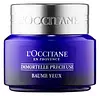
This anti-aging eye moisturizer is formulated around Caffeine to soften the look of wrinkles.
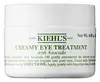
This barrier-repair eye moisturizer is formulated around Butyrospermum Parkii Butter and Persea Gratissima Oil to strengthen the skin barrier and hydrate skin.


What's inside
What's inside
 Key Ingredients
Benefits
Concerns
Ingredients Side-by-side
Water
Skin ConditioningPolymethyl Methacrylate

Caprylic/Capric Triglyceride
Masking


Glycerin
Humectant
Myreth-3 Myristate
Emollient




Hydroxyethyl Acrylate/Sodium Acryloyldimethyl Taurate Copolymer
Emulsion StabilisingMethylpropanediol
SolventSorbitol
Humectant
Isononyl Isononanoate
EmollientHelichrysum Italicum Extract
AntiseborrhoeicHelianthus Annuus Seed Oil
Emollient
Helichrysum Italicum Flower Oil
Masking


Rosa Centifolia Flower Water
Skin ConditioningOenothera Biennis Oil
Emollient

Borago Officinalis Seed Oil
Emollient
Butyrospermum Parkii Butter
Skin Conditioning
Caffeine
Skin Conditioning
Escin
TonicHyaluronic Acid
Humectant
Corn Starch Modified
AbsorbentPhenoxyethanol
Preservative
Chlorphenesin
Antimicrobial
Ethylhexylglycerin
Skin ConditioningCarbomer
Emulsion StabilisingXanthan Gum
EmulsifyingPolysorbate 60
Emulsifying
Sorbitan Isostearate
Emulsifying
Sodium Hydroxide
BufferingSucrose Palmitate
EmollientDisodium EDTA
ChelatingSilanetriol
Glyceryl Linoleate
Emollient
Sodium Benzoate
Masking
Citric Acid
Buffering

Tocopherol
Antioxidant


Potassium Sorbate
Preservative
Water, Polymethyl Methacrylate, Caprylic/Capric Triglyceride, Glycerin, Myreth-3 Myristate, Hydroxyethyl Acrylate/Sodium Acryloyldimethyl Taurate Copolymer, Methylpropanediol, Sorbitol, Isononyl Isononanoate, Helichrysum Italicum Extract, Helianthus Annuus Seed Oil, Helichrysum Italicum Flower Oil, Rosa Centifolia Flower Water, Oenothera Biennis Oil, Borago Officinalis Seed Oil, Butyrospermum Parkii Butter, Caffeine, Escin, Hyaluronic Acid, Corn Starch Modified, Phenoxyethanol, Chlorphenesin, Ethylhexylglycerin, Carbomer, Xanthan Gum, Polysorbate 60, Sorbitan Isostearate, Sodium Hydroxide, Sucrose Palmitate, Disodium EDTA, Silanetriol, Glyceryl Linoleate, Sodium Benzoate, Citric Acid, Tocopherol, Potassium Sorbate
Water
Skin ConditioningButyrospermum Parkii Butter
Skin Conditioning
Butylene Glycol
Humectant
Tridecyl Stearate
Emollient
PEG-30 Dipolyhydroxystearate
Emulsifying
Isodecyl Salicylate
Skin Conditioning
Tridecyl Trimellitate
EmollientPersea Gratissima Oil
Skin Conditioning
Isocetyl Stearoyl Stearate
Emollient
Propylene Glycol
Humectant
Dipentaerythrityl Hexacaprylate/Hexacaprate
EmulsifyingSorbitan Sesquioleate
Emulsifying
Magnesium Sulfate
Hydrogenated Castor Oil
Emollient
Sodium PCA
Humectant
Phenoxyethanol
Preservative
Chlorphenesin
Antimicrobial
Hydrogenated Jojoba Oil
Abrasive
P-Anisic Acid
MaskingTocopheryl Acetate
Antioxidant
Isopropyl Palmitate
Emollient
Disodium EDTA
ChelatingCopper PCA
HumectantHelianthus Annuus Seed Oil
Emollient
CI 40800
Cosmetic ColorantCitric Acid
Buffering
Water, Butyrospermum Parkii Butter, Butylene Glycol, Tridecyl Stearate, PEG-30 Dipolyhydroxystearate, Isodecyl Salicylate, Tridecyl Trimellitate, Persea Gratissima Oil, Isocetyl Stearoyl Stearate, Propylene Glycol, Dipentaerythrityl Hexacaprylate/Hexacaprate, Sorbitan Sesquioleate, Magnesium Sulfate, Hydrogenated Castor Oil, Sodium PCA, Phenoxyethanol, Chlorphenesin, Hydrogenated Jojoba Oil, P-Anisic Acid, Tocopheryl Acetate, Isopropyl Palmitate, Disodium EDTA, Copper PCA, Helianthus Annuus Seed Oil, CI 40800, Citric Acid
Reviews
Ingredients Explained
These ingredients are found in both products.
Ingredients higher up in an ingredient list are typically present in a larger amount.
This ingredient is also known as shea butter. It is a plant-derived extract from the nuts of the Africa shea tree and one of the most well-studied emollients.
Because it has a high concentration of fatty acids (primarily oleic, stearic, and linoleic) it is able to form a protective barrier on the skin's surface. This helps seal in moisture and prevents transepidermal water loss (TEWL).
In vitro research found an increase in skin hydration by 58% and a decrease in TEWL by 37.8% after 24 hours of applying this ingredient (pretty impressive for a single ingredient!).
Besides hydration, shea butter also contains triterpenes that have anti-inflammatory potential. In particule, lupeol cinnamate has shown the highest anti-inflammatory activity in vivo.
Shea butter also contains vitamins A and E which may contribute to antioxidant activity.
While Shea Butter has an SPF rating of about 3-4, it is not a sunscreen replacement.
This ingredient may not be fungal acne safe because its fatty acids fall within the C11-C24 range that the Malassezia yeast can metabolize.
This ingredient shows up on a lot of "pore-clogging" lists but there's no real evidence behind that. It doesn't even have a comedogenic rating from an actual study; the numbers you'll find online come from blogs citing other blogs.
Ratings for other ingredients mostly come from a 1980s rabbit ear test. This test doesn't translate well to human skin or to real products because the ingredient sits at a much lower percentage.
Some people still find it breaks them out. So if that's you, definitely trust your skin. Just know this one's based on experience and not evidence.
Learn more about Butyrospermum Parkii ButterChlorphenesin is a synthetic preservative. It helps protect a product against bacteria in order to extend shelf life. In most cases, Chlorphenesin is paired with other preservatives such as phenoxyethanol and caprylyl glycol.
Chlorphenesin is a biocide. This means it is able to help fight the microorganisms on our skin. It is also able to fight odor-releasing bacteria.
Chlorphenesin is soluble in both water and glycerin.
Studies show Chlorphenesin is easily absorbed by our skin. You should speak with a skincare professional if you have concerns about using Chlorphenesin.
Learn more about ChlorphenesinCitric Acid is an alpha hydroxy acid (AHA) naturally found in citrus fruits like oranges, lemons, and limes.
Like other AHAs, citric acid can exfoliate skin by breaking down the bonds that hold dead skin cells together. This helps reveal smoother and brighter skin underneath.
However, this exfoliating effect only happens at high concentrations (20%) which can be hard to find in cosmetic products.
Due to this, citric acid is usually included in small amounts as a pH adjuster. This helps keep products slightly more acidic and compatible with skin's natural pH.
In skincare formulas, citric acid can:
While it can provide some skin benefits, research shows lactic acid and glycolic acid are generally more effective and less irritating exfoliants.
Most citric acid used in skincare today is made by fermenting sugars (usually from molasses). This synthetic version is identical to the natural citrus form but easier to stabilize and use in formulations.
Rosacea skin has a lower threshold for acids generally, with 62.5% of rosacea subjects in one study reacting to lactic acid in a sting test. This is why we mark citric acid as a potential rosacea trigger.
However, this ingredient shows up as a pH adjuster or chelator at roughly 0.1-1% in many products. These low levels are unlikely to be an issue for rosacea skin and becomes a potential trigger at exfoliating concentrations (20%). Because everybody's skin is unique, we recommend a patch test if you are unsure.
Learn more about Citric AcidDisodium EDTA is a chelating agent. It grabs onto and deactivates metal ions that sneak into your products from water, packaging, or air.
This ingredient mainly works behind the scenes and helps with:
On top of that, this ingredient can counteract the effects of hard water by binding to the minerals in it.
One thing worth knowing is that Disodium EDTA has been shown to be a mild penetration enhancer. It can help other ingredients absorb into skin more effectively which can be a double-edged sword (great for actives, but can also make the active too strong if you have sensitive skin).
Clinical patch testing showed no significant skin irritation at typical use concentrations and minimal dermal absorption.
You'll most likely see this ingredient near the end of an ingredient list. It's typically found in concentrations less than 1%.
Learn more about Disodium EDTAHelianthus Annuus Seed Oil is a plant oil derived from the seeds of a sunflower.
It is rich in fatty acids, primarily linoleic acid and oleic acid. This gives it emollient and skin conditioning properties.
The reason this ingredient is so effective is because it forms a thin film on the skin that reduces transepidermal water loss (TEWL) while supplying linoleic acid to the stratum corneum to improve barrier strength.
The high linoleic acid content is particularly noteworthy for acne-prone skin.
Research suggests that acne-prone skin tends to be deficient in linoleic acid in sebum. Topical application may help replenish this to support a healthier follicular environment and less comedone-promoting sebum.
One randomized study found sunflower seed oil preserved skin barrier integrity in adult volunteers with and without atopic dermatitis (outperforming olive oil).
This ingredient is well-studied, gentle, and an effective emollient suitable for most skin types.
On fungal acne: This ingredient may not be Fungal acne (Malassezia folliculitis) safe. This is because it contains fatty acids with carbon chain lengths in the C11-C24 range.
Learn more about Helianthus Annuus Seed OilPhenoxyethanol is one of the most widely used preservatives in skincare (and for good reason!).
It has a large spectrum of antimicrobial activity and especially effective bacteria, yeast, and mold while only having a weak effect on your skin's natural microbiome.
On a cellular level, it disrupts the cell membranes of microbes by poking holes that make the cell leak. This shuts down the chemical reactions the microbe needs to make energy so it can no longer survive.
Another perk of this ingredient is that it stays functional across a wide pH range (3-10).
You'll often see it paired with boosters like Ethylhexylglycerin; one study showed that a 1:9 ratio of Ethylhexylglycerin to Phenoxyethanol damages bacterial membranes as effectively as doubling the Phenoxyethanol concentration on its own.
Typical use concentrations range from 0.3-1% depending on the formula, and this ingredient is capped at 1% int the EU.
Safety-wise, the fear mongering does not hold up to the evidence. The EU's Scientific Committee on Consumer Safety and FDA consider it safe as a preservative at up to 1%, including for children of all ages.
Adverse systemic effects only showed up in animal studies at exposures roughly 200x higher than what people get from cosmetics. And despite its very widespread use, this ingredient is a rare sensitizer and allergic reactions are uncommon.
Learn more about PhenoxyethanolWater. It's the most common cosmetic ingredient of all. You'll usually see it at the top of ingredient lists, meaning that it makes up the largest part of the product.
So why is it so popular? Water most often acts as a solvent - this means that it helps dissolve other ingredients into the formulation.
You'll also recognize water as that liquid we all need to stay alive. If you see this, drink a glass of water. Remember to stay hydrated!
Learn more about Water

