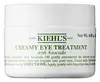
This barrier-repair eye moisturizer is formulated around Butyrospermum Parkii Butter and Persea Gratissima Oil to strengthen the skin barrier and hydrate skin.
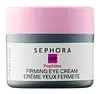
This anti-aging eye moisturizer is formulated around Squalane to soften the look of wrinkles and hydrate skin.


What's inside
What's inside
 Key Ingredients
Benefits
Concerns
Ingredients Side-by-side
Water
Skin ConditioningButyrospermum Parkii Butter
Skin Conditioning






Butylene Glycol
Humectant
Tridecyl Stearate
Emollient
PEG-30 Dipolyhydroxystearate
Emulsifying
Isodecyl Salicylate
Skin Conditioning
Tridecyl Trimellitate
EmollientPersea Gratissima Oil
Skin Conditioning
Isocetyl Stearoyl Stearate
Emollient
Propylene Glycol
Humectant
Dipentaerythrityl Hexacaprylate/Hexacaprate
EmulsifyingSorbitan Sesquioleate
Emulsifying
Magnesium Sulfate
Hydrogenated Castor Oil
Emollient
Sodium PCA
Humectant
Phenoxyethanol
Preservative
Chlorphenesin
Antimicrobial
Hydrogenated Jojoba Oil
Abrasive
P-Anisic Acid
MaskingTocopheryl Acetate
Antioxidant


Isopropyl Palmitate
Emollient
Disodium EDTA
ChelatingCopper PCA
HumectantHelianthus Annuus Seed Oil
Emollient
CI 40800
Cosmetic ColorantCitric Acid
Buffering
Water, Butyrospermum Parkii Butter, Butylene Glycol, Tridecyl Stearate, PEG-30 Dipolyhydroxystearate, Isodecyl Salicylate, Tridecyl Trimellitate, Persea Gratissima Oil, Isocetyl Stearoyl Stearate, Propylene Glycol, Dipentaerythrityl Hexacaprylate/Hexacaprate, Sorbitan Sesquioleate, Magnesium Sulfate, Hydrogenated Castor Oil, Sodium PCA, Phenoxyethanol, Chlorphenesin, Hydrogenated Jojoba Oil, P-Anisic Acid, Tocopheryl Acetate, Isopropyl Palmitate, Disodium EDTA, Copper PCA, Helianthus Annuus Seed Oil, CI 40800, Citric Acid
Water
Skin ConditioningC10-18 Triglycerides
Emollient
Butylene Glycol
Humectant
Tribehenin
Emollient
Heptyl Undecylenate
EmollientGlycerin
Humectant
Glyceryl Stearate
Emollient
Squalane
Emollient
CI 77891
Cosmetic ColorantHydroxyethyl Acrylate/Sodium Acryloyldimethyl Taurate Copolymer
Emulsion StabilisingSodium PCA
Humectant
Synthetic Fluorphlogopite
Hydroxyacetophenone
Antioxidant
Tocopheryl Acetate
Antioxidant
Caprylyl Glycol
Emollient
Potassium Cetyl Phosphate
EmulsifyingXanthan Gum
EmulsifyingEthylhexylglycerin
Skin ConditioningSodium Polyacrylate Starch
AbsorbentLepidium Meyenii Root Extract
Skin ConditioningMaltodextrin
Absorbent
Polysorbate 60
Emulsifying
Sorbitan Isostearate
Emulsifying
Sodium Phytate
ChelatingTin Oxide
Abrasive
Tocopherol
Antioxidant

Water, C10-18 Triglycerides, Butylene Glycol, Tribehenin, Heptyl Undecylenate, Glycerin, Glyceryl Stearate, Squalane, CI 77891, Hydroxyethyl Acrylate/Sodium Acryloyldimethyl Taurate Copolymer, Sodium PCA, Synthetic Fluorphlogopite, Hydroxyacetophenone, Tocopheryl Acetate, Caprylyl Glycol, Potassium Cetyl Phosphate, Xanthan Gum, Ethylhexylglycerin, Sodium Polyacrylate Starch, Lepidium Meyenii Root Extract, Maltodextrin, Polysorbate 60, Sorbitan Isostearate, Sodium Phytate, Tin Oxide, Tocopherol
Reviews
Ingredients Explained
These ingredients are found in both products.
Ingredients higher up in an ingredient list are typically present in a larger amount.
Butylene Glycol (or BG) is used within cosmetic products for a few different reasons:
Overall, Butylene Glycol is a safe and well-rounded ingredient that works well with other ingredients.
Though this ingredient works well with most skin types, some people with sensitive skin may experience a reaction such as allergic rashes, closed comedones, or itchiness.
Learn more about Butylene GlycolSodium PCA (the salt of PCA) is one of the most well-established humectants in skincare.
Why is it so special? Your skin already makes it naturally; it's a natural component of your skin's Natural Moisturizing Factor (NMF), or the mix of water-binding compounds inside your skin cells that keeps things soft and hydrated.
As a cosmetic ingredient, it grabs water and holds it in the upper layers of skin to smooth roughness and ease dehydration.
There's some clinical support for the NMF approach with a study showing that a cream built to mimic the skin's NMF significantly boosted hydration.
Safety-wise, this ingredient non-irritating, non-comedogenic, and non-phototoxic in testing, with minimal skin absorption.
It also works really well with other hydrators like glycerin or hyaluronic acid, and typical usage is somewhere between 0.2-4%.
Learn more about Sodium PCATocopheryl Acetate is a stable, shelf-friendly form of vitamin E.
Formulators love it because plain vitamin E oxidizes quickly once it hits air. This acetate version stays stable and resists going off, helping to extend a product's shelf life.
It's actually inactive on its own and works like a slow-release "storage" form; the enzymes in your skin called esterases gradually convert it into active vitamin E over time.
One in vivo study showed 5% of the acetate in the living layer of the epidermis converted to vitamin E after 5 days of application. This study also found the skin gained protection against UV damage even though the conversion was slow and small.
Once converted, vitamin E acts as a skin's main fat-soluble antioxidant that fights free radicals to protect skin from damage.
Topical vitamin E generally boosts the skin's photoprotection, and it reduced UV-damage in animal models.
This ingredient has some brightening potential but it's more of a prevention ingredient than spot-fader. Cell studies show it can slow down melanin production but it's worth noting that it's not the most powerful brightener out there.
Overall, it has a pretty solid safety profile and has been found to be non-irritating and non-comedogenic. Allergic reactions may happen but stay rare due to how widely the ingredient gets used.
The concentration will vary depending on the formula; industry data shows 0.1% in baby lotions, 3% in lipsticks, and 5% in foot powders. You can also find this ingredient at 100% in a pure vitamin E oil.
Most leave-on skincare keeps it at the lower end, often between 0.5-1%.
Learn more about Tocopheryl AcetateWater. It's the most common cosmetic ingredient of all. You'll usually see it at the top of ingredient lists, meaning that it makes up the largest part of the product.
So why is it so popular? Water most often acts as a solvent - this means that it helps dissolve other ingredients into the formulation.
You'll also recognize water as that liquid we all need to stay alive. If you see this, drink a glass of water. Remember to stay hydrated!
Learn more about Water

