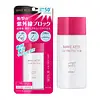
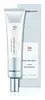
Kosé Make Keep UV Protector SPF 50+ Versus Thank You Farmer Sun Project Light Sun Essence SPF50+ PA+++
This hybrid sunscreen covers the full UV range and blocks ~98% of UVB at SPF 50.
This chemical sunscreen covers most of the UV range, lighter on the deep UVA that drives aging.


What's inside
What's inside
 Key Ingredients
Benefits
Concerns
Ingredients Side-by-side
Water
Skin ConditioningZinc Oxide
Cosmetic Colorant


Cyclopentasiloxane
Emollient
Alcohol
Antimicrobial




Ethylhexyl Methoxycinnamate
UV Absorber
Hdi/PPG/Polycaprolactone Crosspolymer
C12-15 Alkyl Benzoate
AntimicrobialDipropylene Glycol
HumectantSilica
Abrasive

Trimethylsiloxysilicate
Emollient
Diethylamino Hydroxybenzoyl Hexyl Benzoate
UV Filter
Bis-Ethylhexyloxyphenol Methoxyphenyl Triazine
UV Absorber
Polysilicone-15
UV Filter
Centella Asiatica Leaf Extract
Skin Conditioning



Tocopherol
Antioxidant




Proline
Skin Conditioning
Butylene Glycol
Humectant
BHT
Antioxidant
PEG-9 Dimethicone
Skin Conditioning
Amp-Acrylates/C1-18 Alkyl Acrylate/C1-8 Alkyl Acrylamide Copolymer
Acrylates/Ethylhexyl Acrylate/Dimethicone Methacrylate Copolymer
Skin Conditioning
Dimethicone/Vinyltrimethylsiloxysilicate Crosspolymer
Dextrin Isostearate
Skin ConditioningDiethylhexyl Succinate
EmollientPropylene Glycol Dicaprate
EmollientSqualane
Emollient
Triethylhexanoin
MaskingTriethoxycaprylylsilane
Polyhydroxystearic Acid
Emulsifying
Polyvinyl Alcohol
Polyvinyl Acetate
Emulsion StabilisingMethylene Bis-Benzotriazolyl Tetramethylbutylphenol
UV Filter
Lauryl PEG-9 Polydimethylsiloxyethyl Dimethicone
Skin Conditioning
Polyglyceryl-10 Laurate
Skin Conditioning
Hydrogenated Polyisobutene
EmollientPhenoxyethanol
Preservative
Water, Zinc Oxide, Cyclopentasiloxane, Alcohol, Ethylhexyl Methoxycinnamate, Hdi/PPG/Polycaprolactone Crosspolymer, C12-15 Alkyl Benzoate, Dipropylene Glycol, Silica, Trimethylsiloxysilicate, Diethylamino Hydroxybenzoyl Hexyl Benzoate, Bis-Ethylhexyloxyphenol Methoxyphenyl Triazine, Polysilicone-15, Centella Asiatica Leaf Extract, Tocopherol, Proline, Butylene Glycol, BHT, PEG-9 Dimethicone, Amp-Acrylates/C1-18 Alkyl Acrylate/C1-8 Alkyl Acrylamide Copolymer, Acrylates/Ethylhexyl Acrylate/Dimethicone Methacrylate Copolymer, Dimethicone/Vinyltrimethylsiloxysilicate Crosspolymer, Dextrin Isostearate, Diethylhexyl Succinate, Propylene Glycol Dicaprate, Squalane, Triethylhexanoin, Triethoxycaprylylsilane, Polyhydroxystearic Acid, Polyvinyl Alcohol, Polyvinyl Acetate, Methylene Bis-Benzotriazolyl Tetramethylbutylphenol, Lauryl PEG-9 Polydimethylsiloxyethyl Dimethicone, Polyglyceryl-10 Laurate, Hydrogenated Polyisobutene, Phenoxyethanol
Water
Skin ConditioningEthylhexyl Methoxycinnamate
UV Absorber
Homosalate
Skin Conditioning
Ethylhexyl Salicylate
UV Absorber
Diethylamino Hydroxybenzoyl Hexyl Benzoate
UV Filter
Butylene Glycol
Humectant
Octocrylene
UV Absorber
Dicaprylyl Carbonate
EmollientCyclopentasiloxane
Emollient
C20-22 Alkyl Phosphate
EmulsifyingC20-22 Alcohols
Emulsion Stabilising
Silica
Abrasive
1,2-Hexanediol
Skin Conditioning
Portulaca Oleracea Extract
Skin Conditioning
Nelumbo Nucifera Flower Water
TonicGlycine Soja Lipids
Skin ConditioningEchium Plantagineum Seed Oil
Skin Conditioning
Aloe Barbadensis Leaf Extract
Emollient
Althaea Rosea Flower Extract
Skin ConditioningCardiospermum Halicacabum Flower/Leaf/Vine Extract
Skin ConditioningHelianthus Annuus Seed Oil Unsaponifiables
Emollient
Plukenetia Volubilis Seed Oil
Emollient
Cetyl Alcohol
Emollient
Glyceryl Stearate
Emollient
Glycerin
Humectant
Tromethamine
BufferingPolyacrylate Crosspolymer-6
Emulsion StabilisingOctyldodecanol
Emollient
Glyceryl Caprylate
EmollientCaprylyl Glycol
Emollient
Microcrystalline Cellulose
AbsorbentXanthan Gum
EmulsifyingSodium Acrylate/Sodium Acryloyldimethyl Taurate Copolymer
Emulsion StabilisingPolyisobutene
Ethylhexylglycerin
Skin ConditioningGlyceryl Polymethacrylate
Cellulose Gum
Emulsion StabilisingSorbitan Oleate
Emulsifying
Caprylyl/Capryl Glucoside
CleansingParfum
Masking

Water, Ethylhexyl Methoxycinnamate, Homosalate, Ethylhexyl Salicylate, Diethylamino Hydroxybenzoyl Hexyl Benzoate, Butylene Glycol, Octocrylene, Dicaprylyl Carbonate, Cyclopentasiloxane, C20-22 Alkyl Phosphate, C20-22 Alcohols, Silica, 1,2-Hexanediol, Portulaca Oleracea Extract, Nelumbo Nucifera Flower Water, Glycine Soja Lipids, Echium Plantagineum Seed Oil, Aloe Barbadensis Leaf Extract, Althaea Rosea Flower Extract, Cardiospermum Halicacabum Flower/Leaf/Vine Extract, Helianthus Annuus Seed Oil Unsaponifiables, Plukenetia Volubilis Seed Oil, Cetyl Alcohol, Glyceryl Stearate, Glycerin, Tromethamine, Polyacrylate Crosspolymer-6, Octyldodecanol, Glyceryl Caprylate, Caprylyl Glycol, Microcrystalline Cellulose, Xanthan Gum, Sodium Acrylate/Sodium Acryloyldimethyl Taurate Copolymer, Polyisobutene, Ethylhexylglycerin, Glyceryl Polymethacrylate, Cellulose Gum, Sorbitan Oleate, Caprylyl/Capryl Glucoside, Parfum
Reviews
Ingredients Explained
These ingredients are found in both products.
Ingredients higher up in an ingredient list are typically present in a larger amount.
Butylene Glycol (or BG) is used within cosmetic products for a few different reasons:
Overall, Butylene Glycol is a safe and well-rounded ingredient that works well with other ingredients.
Though this ingredient works well with most skin types, some people with sensitive skin may experience a reaction such as allergic rashes, closed comedones, or itchiness.
Learn more about Butylene GlycolCyclopentasiloxane (D5) is a lightweight silicone that mostly acts as an emollient and solvent in cosmetics. Its the reason your products feel silky, fast-spreading, and non-greasy.
Since D5 is volatile, it does its thing and then evaporates off the skin quickly.
The safety profile of this ingredient is reassuring; the US CIR Expert Panel concluded D5 is safe as used in cosmetics and Health Canada concluded that D5 is not harmful to human health or the environment as currently used in cosmetics
There's a study that people mention about D5 in a rat study showing tumors. This study is related to long-term inhalation of high D5 levels.
Regulatory bodies have judged this study to be not applicable in topical skincare since skin absorption of D5 is very low and we're not really inhaling huge amounts of D5.
The only restriction for this ingredient is environmental. The European Chemicals Agency (ECHA) restricted D5 in wash-off cosmetics at or above 0.1% due to their persistence in water.
Learn more about CyclopentasiloxaneDiethylamino Hydroxybenzoyl Hexyl Benzoate (DHHB) is a chemical UV-A absorber. It is formulated for high UVA protection (320-400 nm).
DHHB is well-liked for:
DHHB has been approved by the EU, Japan, Taiwan, and South America for use up to 10%. Unfortunately, it has not been approved for use in the US or Canada due to slow regulatory processes.
This ingredient is soluble in oils, fats, and lipids.
Learn more about Diethylamino Hydroxybenzoyl Hexyl BenzoateThis ingredient is also known as Octinoxate and is one of the oldest and most widely used chemical UV filters in skincare.
It has a simple job: soap up UVB radiation (290-320 nm), the wavelengths responsible for sunburn and a big chunk of long-term sun damage.
In formulas, it's always paired with a separate UVA filter because octinoxate solely protects skin from UVB.
Because it's an oil-soluble liquid, it's easy to blend into the oil phase of lotions/creams and gives a cosmetically elegant feel.
The one quirk about formulating this ingredient is photostability; the molecule slowly changes shape into a less effective version when sunlight hits it. So the longer you're in the sun, the weaker its protection gets. The drop can be more than 30% in some formulas.
It also doesn't play nice with Avobenzone (the common UVA filter) since avobenzone destabilizes octinoxate and the two degrade each other. But don't worry: brands have solved this issue by adding photostabilizers like Tinosorb S to prevent degradation and keep SPF stable under heavy UV exposure.
The maximum allowed level is 10% in the EU and Australia, 7.5% in the US and Canada, and 20% in Japan.
The Cosmetic Ingredient Review Panel has concluded this ingredient to be safe in cosmetics up to 10%.
One last thing worth knowing for context:
Octinoxate has been the subject of ongoing review in Europe where the Scientific Committee on Consumer Safety's (SCCS) 2025 final opinion is that this ingredient is an endocrine-active substance.
Lab and animal studies suggest it can act a bit like a hormone in the body (mildly mimicking estrogen and slightly blocking male hormones). It's important to know this hasn't really been shown to happen in everyday human use.
This ingredient is also banned in Hawaii over coral reef concerns.
Learn more about Ethylhexyl MethoxycinnamateSilica, also known as silicon dioxide, is a naturally occurring mineral. It is used as a fine, spherical, and porous powder in cosmetics.
Though it has exfoliant properties, the function of silica varies depending on the product.
The unique structure of silica enhances the spreadability and adds smoothness, making it a great texture enhancer.
It is also used as an active carrier, emulsifier, and mattifier due to its ability to absorb excess oil.
In some products, tiny microneedles called spicules are made from silica or hydrolyzed sponge. When you rub them in, they lightly polish away dead skin layers and enhance the penetration of active ingredients.
Learn more about SilicaWater. It's the most common cosmetic ingredient of all. You'll usually see it at the top of ingredient lists, meaning that it makes up the largest part of the product.
So why is it so popular? Water most often acts as a solvent - this means that it helps dissolve other ingredients into the formulation.
You'll also recognize water as that liquid we all need to stay alive. If you see this, drink a glass of water. Remember to stay hydrated!
Learn more about Water

