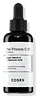
This hydrating serum is formulated around Schisandra Chinensis Fruit Extract and Panax Ginseng Root Extract to hydrate skin.
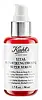
This brightening serum is formulated around Ascorbic Acid and 3-O-Ethyl Ascorbic Acid to brighten dull-looking skin and fade the look of dark spots.


What's inside
What's inside
 Key Ingredients
Benefits
Concerns
Ingredients Side-by-side
Water
Skin ConditioningDimethicone
Emollient

Glycerin
Humectant

Alcohol Denat.
Antimicrobial




Hamamelis Virginiana Water
Astringent
Propanediol
Solvent
Phenoxyethanol
Preservative
Tocopherol
Antioxidant





Ammonium Polyacryloyldimethyl Taurate
Emulsion StabilisingSchisandra Chinensis Fruit Extract
Skin Conditioning
Capryloyl Salicylic Acid
Exfoliating



Caprylyl Glycol
Emollient
Xanthan Gum
EmulsifyingPEG-60 Hydrogenated Castor Oil
Emulsifying

Panax Ginseng Root Extract
Emollient
Sodium Acetylated Hyaluronate
Humectant
PEG-20 Methyl Glucose Sesquistearate
Emulsifying
Disodium EDTA
Ocimum Sanctum Leaf Extract
Skin ConditioningCitrus Aurantium Dulcis Peel Oil
Masking
Limonene
Perfuming
Adenosine
Skin Conditioning
Sodium Hydroxide
BufferingMethyldihydrojasmonate
MaskingCitric Acid
Buffering
Eugenol
Perfuming
Sodium Benzoate
Masking
Pelargonium Graveolens Flower Oil
Masking
Citral
Perfuming
Potassium Sorbate
Preservative
Lavandula Angustifolia Oil
Masking
Cymbopogon Schoenanthus Oil
Masking
Citronellol
Perfuming
Linalool
Perfuming
Geraniol
Perfuming
Rosmarinus Officinalis Leaf Oil
Masking
Water, Dimethicone, Glycerin, Alcohol Denat., Hamamelis Virginiana Water, Propanediol, Phenoxyethanol, Tocopherol, Ammonium Polyacryloyldimethyl Taurate, Schisandra Chinensis Fruit Extract, Capryloyl Salicylic Acid, Caprylyl Glycol, Xanthan Gum, PEG-60 Hydrogenated Castor Oil, Panax Ginseng Root Extract, Sodium Acetylated Hyaluronate, PEG-20 Methyl Glucose Sesquistearate, Disodium EDTA, Ocimum Sanctum Leaf Extract, Citrus Aurantium Dulcis Peel Oil, Limonene, Adenosine, Sodium Hydroxide, Methyldihydrojasmonate, Citric Acid, Eugenol, Sodium Benzoate, Pelargonium Graveolens Flower Oil, Citral, Potassium Sorbate, Lavandula Angustifolia Oil, Cymbopogon Schoenanthus Oil, Citronellol, Linalool, Geraniol, Rosmarinus Officinalis Leaf Oil
Water
Skin ConditioningAscorbic Acid 23%
Antioxidant

Propanediol
Solvent
Dimethicone
Emollient
Tromethamine
BufferingPanthenol
Skin Conditioning
3-O-Ethyl Ascorbic Acid
Skin Conditioning
Squalane
Emollient
Caffeine
Skin Conditioning
Sodium Chloride
MaskingSodium Hyaluronate
Humectant
Sodium Sulfite
Preservative
Disodium EDTA
Glutathione
Adenosine
Skin Conditioning
Acetyl Glucosamine
Skin Conditioning
Gardenia Florida Fruit Extract
Skin ConditioningAllantoin
Skin Conditioning
Dextrin
AbsorbentTocotrienols
Skin Conditioning
Tocopherol
Antioxidant
Elaeis Guineensis Oil
Emollient
Butylene Glycol
Humectant
Arginine
Masking
Niacinamide
Smoothing
Pentylene Glycol
Skin Conditioning
Alcohol Denat.
Antimicrobial
Helianthus Annuus Seed Oil
Emollient
Glycyrrhiza Glabra Root Extract
Bleaching
Methyl Trimethicone
Skin Conditioning
Carthamus Tinctorius Seed Oil
Masking
Camellia Japonica Seed Oil
Emollient
Daucus Carota Sativa Root Extract
Skin Conditioning
Beta-Carotene
Skin ConditioningWater, Ascorbic Acid 23%, Propanediol, Dimethicone, Tromethamine, Panthenol, 3-O-Ethyl Ascorbic Acid, Squalane, Caffeine, Sodium Chloride, Sodium Hyaluronate, Sodium Sulfite, Disodium EDTA, Glutathione, Adenosine, Acetyl Glucosamine, Gardenia Florida Fruit Extract, Allantoin, Dextrin, Tocotrienols, Tocopherol, Elaeis Guineensis Oil, Butylene Glycol, Arginine, Niacinamide, Pentylene Glycol, Alcohol Denat., Helianthus Annuus Seed Oil, Glycyrrhiza Glabra Root Extract, Methyl Trimethicone, Carthamus Tinctorius Seed Oil, Camellia Japonica Seed Oil, Daucus Carota Sativa Root Extract, Beta-Carotene
Reviews
Ingredients Explained
These ingredients are found in both products.
Ingredients higher up in an ingredient list are typically present in a larger amount.
Adenosine is a purine nucleoside that your body already makes in every cell. In skincare, it acts mainly as a skin conditioning and anti-aging agent.
The way it works is fairly well mapped out:
Your skin has cells called fibroblasts that build collagen (the stuff that keeps skin firm and smooth). Adenosine basically flips a switch on these cells that tells them to get to work making more collagen and other proteins. These cells slow down on their own as skin ages, so Adenosine helps give them a little nudge to keep going.
The clinical backing is pretty solid too.
A blind, randomized, placebo-controlled trial of 126 women aged 45-65 tested a 0.1% cream twice daily and found real improvements in crow's feet and frown lines using a precise 3D skin-mapping technique; these changes showed up by week 3 and held at 2 months.
A later study using Adenosine-loaded dissolving microneedle patches reported gains in wrinkle depth, dermal density, elasticity, and hydration.
On concentrations, South Korea's Ministry of Food and Drug Safety has set 0.04% as the approved functional anti-wrinkle level. You'll typically see this ingredient used somewhere in the 0.04-0.1% range since it works at low doses.
This ingredient has been found safe for cosmetics with the data showing no irritation or sensitization.
Overall, this is a great ingredient for any anti-aging routine and has no photosensitizing effect, so it suits both AM and PM use.
Learn more about AdenosineAlcohol Denat. is an alcohol with a denaturant property. It is created by mixing ethanol with other additives.
The "denat" part just means "denatured"; common denaturants include Denatonium Benzoate, t-butyl alcohol, and Diethyl Phthalate. This step makes the alcohol undrinkable (and lets brand skip taxes related to beverage alcohol).
This ingredient gets a bad rep because it is irritating and drying due to its astringent property. Astringents draw out natural oils in tissue to constrict pores and dry out your skin.
However, alcohol denat. is not all that bad.
Due to its low molecular weight, alcohol denat. tends to evaporate quickly. One study on pig skin found half of applied alcohol evaporated in 10 seconds and less than 3% stayed on skin.
This also helps other ingredients become better absorbed upon application.
Studies are conflicted about whether this ingredient causes skin dehydration. One study from 2005 found adding emollients to propanol-based sanitizer decreased skin dryness and irritation. Another study found irritation only occurs if your skin is already damaged.
Small amounts of alcohol are generally tolerated by oily skin or people who live in humid environments.
The rule of thumb is this ingredient will probably not affect your skin much if it is near the end of an ingredients list.
One thing to note:
People with ALDH2 (aldehyde dehydrogenase 2) deficiency may experience skin irritation from continued alcohol use. About 8% of the world's population have this deficiency.
The Cosmetic Ingredient Review Expert Panel has determined denatured alcohols to be safe for use in concentrations between 0.05% and 12% (depending on which denaturant is used).
Also...
This ingredient has antimicrobial and solvent properties.
The antimicrobial property helps preserve products and increase their shelf life. As a solvent, it helps dissolve other ingredients.
Look for formulas that contain glycerin, hyaluronic acid, or panthenol if you want to offset any drying effect.
This ingredient will trip away your skin's natural oils/lipids that help it lock in moisture. This can worsen dryness, trigger eczema flare-ups, and aggravate rosacea.
Be sure to patch test any product with this ingredient if you have dry or sensitive skin, eczema, or rosacea.
Learn more about Alcohol Denat.Dimethicone is a type of synthetic silicone created from natural materials such as quartz. It is also known as polydimethylsiloxane.
What it does:
Dimethicone comes in different viscosities:
Depending on the viscosity, dimethicone has different properties.
Ingredients lists don't always show which type is used, so we recommend reaching out to the brand if you have questions about the viscosity.
This ingredient is unlikely to cause irritation because it does not get absorbed into skin. However, people with silicone allergies should be careful about using this ingredient.
Note: Dimethicone may contribute to pilling. This is because it is not oil or water soluble, so pilling may occur when layered with products. When mixed with heavy oils in a formula, the outcome is also quite greasy.
Learn more about DimethiconeDisodium EDTA is a chelating agent. It grabs onto and deactivates metal ions that sneak into your products from water, packaging, or air.
This ingredient mainly works behind the scenes and helps with:
On top of that, this ingredient can counteract the effects of hard water by binding to the minerals in it.
One thing worth knowing is that Disodium EDTA has been shown to be a mild penetration enhancer. It can help other ingredients absorb into skin more effectively which can be a double-edged sword (great for actives, but can also make the active too strong if you have sensitive skin).
Clinical patch testing showed no significant skin irritation at typical use concentrations and minimal dermal absorption.
You'll most likely see this ingredient near the end of an ingredient list. It's typically found in concentrations less than 1%.
Learn more about Disodium EDTAPropanediol is an all-star ingredient. It softens, hydrates, and smooths the skin.
It’s often used to:
Propanediol is not likely to cause sensitivity and considered safe to use. It is derived from corn or petroleum with a clear color and no scent.
Learn more about PropanediolTocopherol is a fat-soluble antioxidant known as Vitamin E.
You'll find this ingredient in the vast majority of skincare (for good reason). It works to neutralize free radicals, or unstable molecules generated by UV exposure, pollution, and other environmental stressors, before they can cause oxidative damage to your skin cells.
Topically applied tocopherol has been shown to protect against UV damage by ramping up the skin's own natural defense enzymes.
It also acts as a skin conditioning agent; some studies show that regular topical use can improve the skin's water-binding capacity over 2-4 weeks.
This ingredient is especially loved for being a team player. When combined with Vitamin C, the photoprotective effect of both ingredients roughly doubles and the combo also helps reduce UV-induced DNA damage.
This ingredient has some brightening potential but it's more of a prevention ingredient than spot-fader. Cell studies show it can slow down melanin production but it's worth noting that it's not the most powerful brightener out there.
In formulations, it also serves as a stabilizer that helps protect other oxidation-prone ingredients from degrading.
Concentrations usually range from 0.1-1% in most leave-on products.
Learn more about TocopherolWater. It's the most common cosmetic ingredient of all. You'll usually see it at the top of ingredient lists, meaning that it makes up the largest part of the product.
So why is it so popular? Water most often acts as a solvent - this means that it helps dissolve other ingredients into the formulation.
You'll also recognize water as that liquid we all need to stay alive. If you see this, drink a glass of water. Remember to stay hydrated!
Learn more about Water

