

What's inside
What's inside
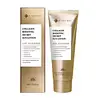 Key Ingredients
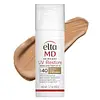
Benefits
Concerns
Ingredients Side-by-side
Hydrolyzed Collagen
Emollient


Dibutyl Adipate
EmollientWater
Skin ConditioningPropanediol
Solvent
Isoamyl P-Methoxycinnamate
UV Absorber
Diethylamino Hydroxybenzoyl Hexyl Benzoate
UV Filter
Bis-Ethylhexyloxyphenol Methoxyphenyl Triazine
Skin Conditioning
Terephthalylidene Dicamphor Sulfonic Acid
UV Absorber
C12-15 Alkyl Benzoate
AntimicrobialNiacinamide
Smoothing








Propylene Glycol Dicaprylate
EmollientTromethamine
BufferingPolyglyceryl-6 Stearate
Emollient
Cetearyl Alcohol
Emollient


Hydroxyethyl Acrylate/Sodium Acryloyldimethyl Taurate Copolymer
Emulsion StabilisingPotassium Cetyl Phosphate
EmulsifyingHydrogenated Palm Glycerides
Emollient
Dipropylene Glycol
HumectantHydroxyacetophenone
Antioxidant
Polyglyceryl-6 Behenate
Emulsion Stabilising
Caprylyl Glycol
Emollient
Sphingomonas Ferment Extract
Skin Conditioning
Adenosine
Skin Conditioning
Sorbitan Isostearate
Emulsifying
Hydrolyzed Hyaluronic Acid
Humectant
Hyaluronic Acid
Humectant
Hydrolyzed Sodium Hyaluronate
Skin Conditioning
Sodium Hyaluronate Crosspolymer
Humectant
Sodium Hyaluronate
Humectant
Potassium Hyaluronate
Skin ConditioningHydroxypropyltrimonium Hyaluronate
Dipotassium Glycyrrhizate
Humectant
Sodium Acetylated Hyaluronate
Humectant
Hydrolyzed Glycosaminoglycans
Humectant1,2-Hexanediol
Skin Conditioning
Glycerin
Humectant
Glutathione
Biotin
AntiseborrhoeicAscorbyl Glucoside
Antioxidant

Benzyl Glycol
SolventBeta-Carotene
Skin ConditioningSoluble Collagen
Humectant
Collagen Extract
Skin Conditioning
Ethylhexylglycerin
Skin ConditioningAcetyl Hexapeptide-8
Humectant
Copper Tripeptide-1
Skin Conditioning
Palmitoyl Pentapeptide-4
Skin Conditioning
Oligopeptide-1
Skin Conditioning
Hydrolyzed Collagen, Dibutyl Adipate, Water, Propanediol, Isoamyl P-Methoxycinnamate, Diethylamino Hydroxybenzoyl Hexyl Benzoate, Bis-Ethylhexyloxyphenol Methoxyphenyl Triazine, Terephthalylidene Dicamphor Sulfonic Acid, C12-15 Alkyl Benzoate, Niacinamide, Propylene Glycol Dicaprylate, Tromethamine, Polyglyceryl-6 Stearate, Cetearyl Alcohol, Hydroxyethyl Acrylate/Sodium Acryloyldimethyl Taurate Copolymer, Potassium Cetyl Phosphate, Hydrogenated Palm Glycerides, Dipropylene Glycol, Hydroxyacetophenone, Polyglyceryl-6 Behenate, Caprylyl Glycol, Sphingomonas Ferment Extract, Adenosine, Sorbitan Isostearate, Hydrolyzed Hyaluronic Acid, Hyaluronic Acid, Hydrolyzed Sodium Hyaluronate, Sodium Hyaluronate Crosspolymer, Sodium Hyaluronate, Potassium Hyaluronate, Hydroxypropyltrimonium Hyaluronate, Dipotassium Glycyrrhizate, Sodium Acetylated Hyaluronate, Hydrolyzed Glycosaminoglycans, 1,2-Hexanediol, Glycerin, Glutathione, Biotin, Ascorbyl Glucoside, Benzyl Glycol, Beta-Carotene, Soluble Collagen, Collagen Extract, Ethylhexylglycerin, Acetyl Hexapeptide-8, Copper Tripeptide-1, Palmitoyl Pentapeptide-4, Oligopeptide-1
Titanium Dioxide 2%
Cosmetic Colorant
Zinc Oxide 15%
Cosmetic Colorant
Water
Skin ConditioningCoco-Caprylate/Caprate
Emollient
Butyloctyl Salicylate
Skin Conditioning
Caprylic/Capric Triglyceride
Masking
Octyldodecyl Neopentanoate
EmollientMethyl Glucose Sesquistearate
Emollient
Silica
Abrasive


Glyceryl Stearate
Emollient
PEG-100 Stearate
PEG-20 Methyl Glucose Sesquistearate
Emulsifying
Phenoxyethanol
Preservative
Iron Oxides
Triethoxycaprylylsilane

Polyhydroxystearic Acid
Emulsifying
Glycerin
Humectant
Glyceryl Behenate
Emollient
Saccharide Isomerate
Humectant
Xanthan Gum
EmulsifyingZingiber Officinale Root Extract
Masking
Hydroxyethyl Acrylate/Sodium Acryloyldimethyl Taurate Copolymer
Emulsion StabilisingSqualane
Emollient
Ethylhexylglycerin
Skin ConditioningTetrahexyldecyl Ascorbate
Antioxidant
Tocopheryl Acetate
Antioxidant
Sclerotium Gum
Emulsion StabilisingLecithin
Emollient
Pullulan
Dimethicone
Emollient
Mica
Cosmetic Colorant
Polysorbate 60
Emulsifying
Ethylene/Methacrylate Copolymer
Titanium Dioxide 2%, Zinc Oxide 15%, Water, Coco-Caprylate/Caprate, Butyloctyl Salicylate, Caprylic/Capric Triglyceride, Octyldodecyl Neopentanoate, Methyl Glucose Sesquistearate, Silica, Glyceryl Stearate, PEG-100 Stearate, PEG-20 Methyl Glucose Sesquistearate, Phenoxyethanol, Iron Oxides, Triethoxycaprylylsilane, Polyhydroxystearic Acid, Glycerin, Glyceryl Behenate, Saccharide Isomerate, Xanthan Gum, Zingiber Officinale Root Extract, Hydroxyethyl Acrylate/Sodium Acryloyldimethyl Taurate Copolymer, Squalane, Ethylhexylglycerin, Tetrahexyldecyl Ascorbate, Tocopheryl Acetate, Sclerotium Gum, Lecithin, Pullulan, Dimethicone, Mica, Polysorbate 60, Ethylene/Methacrylate Copolymer
Reviews
Ingredients Explained
These ingredients are found in both products.
Ingredients higher up in an ingredient list are typically present in a larger amount.
Ethylhexylglycerin (we can't pronounce this either) is commonly used as a preservative and skin softener. It is derived from glyceryl.
You might see Ethylhexylglycerin often paired with other preservatives such as phenoxyethanol. Ethylhexylglycerin has been found to increase the effectiveness of these other preservatives.
Glycerin is already naturally found in your skin. It helps moisturize and protect your skin.
A study from 2016 found glycerin to be more effective as a humectant than AHAs and hyaluronic acid.
As a humectant, it helps the skin stay hydrated by pulling moisture to your skin. The low molecular weight of glycerin allows it to pull moisture into the deeper layers of your skin.
Hydrated skin improves your skin barrier; Your skin barrier helps protect against irritants and bacteria.
Glycerin has also been found to have antimicrobial and antiviral properties. Due to these properties, glycerin is often used in wound and burn treatments.
In cosmetics, glycerin is usually derived from plants such as soybean or palm. However, it can also be sourced from animals, such as tallow or animal fat.
This ingredient is organic, colorless, odorless, and non-toxic.
Glycerin is the name for this ingredient in American English. British English uses Glycerol/Glycerine.
Learn more about GlycerinThis is a synthetic polymer. It helps improve the texture of products by adding thickness and gel-like feel.
It is also an emulsifer, meaning it prevents ingredients such as oil and water from separating. It also helps evenly disperse other ingredients.
Water. It's the most common cosmetic ingredient of all. You'll usually see it at the top of ingredient lists, meaning that it makes up the largest part of the product.
So why is it so popular? Water most often acts as a solvent - this means that it helps dissolve other ingredients into the formulation.
You'll also recognize water as that liquid we all need to stay alive. If you see this, drink a glass of water. Stay hydrated!
Learn more about Water
