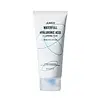
This mild foaming cleanser is made to cleanse without leaving your skin tight or dry.
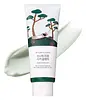
This salicylic acid foaming cleanser is formulated around Salicylic Acid to clear breakouts and unclog pores.

What's inside
What's inside
 Key Ingredients
Benefits
Concerns
Ingredients Side-by-side
Glycerin
Humectant


Water
Skin ConditioningSodium Cocoyl Glycinate
Cleansing
Sodium Lauroyl Glutamate
SurfactantButylene Glycol
Humectant
Lauryl Betaine
CleansingDecyl Glucoside
Cleansing
Hydroxypropyl Starch Phosphate
1,2-Hexanediol
Skin Conditioning
Citric Acid
Buffering


Sodium Chloride
MaskingPropylene Glycol Laurate
Skin ConditioningCaprylyl Glycol
Emollient
Polyquaternium-67
Betaine
Humectant
Sodium Phytate
ChelatingSodium Hyaluronate
Humectant


Arginine
Masking
Capryloyl Salicylic Acid
Exfoliating




Sodium Bicarbonate
Abrasive
Saccharide Isomerate
Humectant
Glyceryl Glucoside
Humectant
Panthenol
Skin Conditioning
Fructan
Skin ConditioningHydrogenated Lecithin
Emulsifying
Butyrospermum Parkii Butter
Skin Conditioning



Olea Europaea Fruit Oil
Masking

Sodium Citrate
BufferingHydrolyzed Hyaluronic Acid
Humectant
Ceramide NP
Skin Conditioning
Candida Bombicola/Glucose/Methyl Rapeseedate Ferment
AntimicrobialGlycolipids
Skin ConditioningSodium Acetylated Hyaluronate
Humectant
Glycine
Buffering
Glutamic Acid
Humectant
Glycerin, Water, Sodium Cocoyl Glycinate, Sodium Lauroyl Glutamate, Butylene Glycol, Lauryl Betaine, Decyl Glucoside, Hydroxypropyl Starch Phosphate, 1,2-Hexanediol, Citric Acid, Sodium Chloride, Propylene Glycol Laurate, Caprylyl Glycol, Polyquaternium-67, Betaine, Sodium Phytate, Sodium Hyaluronate, Arginine, Capryloyl Salicylic Acid, Sodium Bicarbonate, Saccharide Isomerate, Glyceryl Glucoside, Panthenol, Fructan, Hydrogenated Lecithin, Butyrospermum Parkii Butter, Olea Europaea Fruit Oil, Sodium Citrate, Hydrolyzed Hyaluronic Acid, Ceramide NP, Candida Bombicola/Glucose/Methyl Rapeseedate Ferment, Glycolipids, Sodium Acetylated Hyaluronate, Glycine, Glutamic Acid
Water
Skin ConditioningGlycerin
Humectant
Hydrogenated Palm Acid
Potassium Hydroxide
BufferingPotassium Cocoyl Glycinate
Surfactant
Camellia Sinensis Leaf Extract
Antimicrobial
Cladosiphon Okamuranus Extract
Skin Conditioning
Salix Alba Bark Extract
Astringent
Coffea Arabica Seed Extract
Masking
Citrus Aurantium Bergamia Leaf Extract
AstringentSalicylic Acid
Masking




Centella Asiatica Leaf Extract
Skin Conditioning
Pinus Densiflora Leaf Extract
Antimicrobial
Centella Asiatica Extract
Cleansing
Hyaluronic Acid
Humectant
Hydrolyzed Hyaluronic Acid
Humectant
Sodium Hyaluronate
Humectant
Butylene Glycol
Humectant
Ethylhexylglycerin
Skin ConditioningGardenia Florida Fruit Extract
Skin ConditioningGlycoproteins
Skin Conditioning
Capryloyl Salicylic Acid
Exfoliating
Asiatic Acid
Skin Conditioning
Asiaticoside
Antioxidant
Madecassic Acid
Skin Conditioning
Madecassoside
Antioxidant
Glyceryl Stearate
Emollient
Dextrin
AbsorbentDecyl Glucoside
Cleansing
Acrylates/C10-30 Alkyl Acrylate Crosspolymer
Emulsion Stabilising1,2-Hexanediol
Skin Conditioning
Sodium Phytate
ChelatingWater, Glycerin, Hydrogenated Palm Acid, Potassium Hydroxide, Potassium Cocoyl Glycinate, Camellia Sinensis Leaf Extract, Cladosiphon Okamuranus Extract, Salix Alba Bark Extract, Coffea Arabica Seed Extract, Citrus Aurantium Bergamia Leaf Extract, Salicylic Acid, Centella Asiatica Leaf Extract, Pinus Densiflora Leaf Extract, Centella Asiatica Extract, Hyaluronic Acid, Hydrolyzed Hyaluronic Acid, Sodium Hyaluronate, Butylene Glycol, Ethylhexylglycerin, Gardenia Florida Fruit Extract, Glycoproteins, Capryloyl Salicylic Acid, Asiatic Acid, Asiaticoside, Madecassic Acid, Madecassoside, Glyceryl Stearate, Dextrin, Decyl Glucoside, Acrylates/C10-30 Alkyl Acrylate Crosspolymer, 1,2-Hexanediol, Sodium Phytate
Reviews
Ingredients Explained
These ingredients are found in both products.
Ingredients higher up in an ingredient list are typically present in a larger amount.
1,2-Hexanediol is a synthetic liquid and another multi-functional powerhouse.
It is a:
- Humectant, drawing moisture into the skin
- Emollient, helping to soften skin
- Solvent, dispersing and stabilizing formulas
- Preservative booster, enhancing the antimicrobial activity of other preservatives
Butylene Glycol (or BG) is used within cosmetic products for a few different reasons:
Overall, Butylene Glycol is a safe and well-rounded ingredient that works well with other ingredients.
Though this ingredient works well with most skin types, some people with sensitive skin may experience a reaction such as allergic rashes, closed comedones, or itchiness.
Learn more about Butylene GlycolCapryloyl Salicylic Acid comes from salicylic acid, the famous acne-fighting BHA.
It usually goes by a more common name of LHA, or lipohydroxy acid.
Like salicylic acid, this ingredient is a chemical exfoliant that can help break down the oil in your pores and reduce inflammation.
Though studies for LHA do show it to be less effective than salicylic acid. To be fair, salicylic acid is the reigning monarch of acne treatments.
However, a study from 2009 found LHA to be comparable to BPO, making it a good alternative for people with sensitive skin. Another study of 14 patients found a significant decrease in comedones after using LHA.
Another pro of LHA? It is less irritating than salicylic acid due to its large molecule size.
Large molecules cannot penetrate skin as well, so they are gentler on the skin. LHA is much less penetrative than salicylic acid.
An in-vitro study (not done on a living organism) found only 6% of LHA penetrated past the statum corneum compared to 58% of salicylic acid. An in-vivo (done on a living organism) analysis revealed ~17% of LHA was still present in the top layer of skin after 4 days, versus ~9% of salicylic acid.
Interestingly, a study from 2008 found LHA comparable to another famous acid, glycolic acid.
This study found about 10% of LHA is as effective as 20-50% of glycolic acid in treating hyperpigmentation and fine-lines.
Hydroxy acids have been found to stimulate skin protein, lipids, and thermal thickening. This may have anti-aging benefits.
Learn more about Capryloyl Salicylic AcidDecyl Glucoside is a plant-derived surfactant and emulsion stabilizer. It is created by reacting glucose with the fatty acids from plants.
Like all surfactants, it works by lowering the surface tension between water and oil. This makes it so that dirt, sebum, and makeup can be lifted off your skin and rinsed away. It also produces a dense and creamy foam.
Because it has a neutral charge, it is compatible with a wide range of ingredients and stays stable across a broad pH range/water hardiness conditions.
Patch testing has shown it to have the lowest irritation potential among common cleansing surfactants (like SLS).
Typical use levels range from 5-20% in rinse-off cleansers.
One thing worth knowing: The American Contact Dermatitis Society named the parent family, alkyl glucosides, "Allergen of the Year" in 2017. The prevalence of allergy is pretty low but be sure to patch test if you've reacted to "gentle" or sulfate-free cleansers before.
This ingredient is fungal acne safe because the fatty alcohol portion of this ingredient is not within the C11-24 chain length that Malassezia can metabolize.
Learn more about Decyl GlucosideGlycerin (or glycerol) is a compound naturally found in your skin. It's a powerhouse humectant that pulls water into the stratum corneum.
Topically, glycerin does several things at once:
Your skin makes glycerin on its own (mostly from sebaceous oil breakdown) and shuttles it to your outermost layer of skin, or your epidermis, via aquaporin-3.
Aquaporin-3 is a transporter that is essential for normal skin hydration, elasticity, and repair. Interestingly, mice lacking in AQP3 have dry and less elastic skin that can be fully corrected with glycerin.
This ingredient is non-irritating, plays well with almost every ingredient, and works across all skin types. Typical use is anywhere between 3-10% but can go up to 79% in some leave-on products.
Just know very high concentrations (>40%) can feel tacky in low humidity.
Glycerin is the name for this ingredient in American English. British English uses Glycerol/Glycerine.
Learn more about GlycerinHydrolyzed Hyaluronic Acid is hyaluronic acid (HA) that is broken down into lower molecular weight fragments.
It's a humectant that pulls and holds water in the skin to help with hydration, plumpness, and reduce transepidermal water loss.
Because hydrolyzed hyaluronic acid is smaller in size, it can slip past your outermost layer of skin more easily than full-sized HA.
Most formulations will combine all sizes to get the best of both worlds.
Typical usage levels range from 0.01-1%. Any percentage higher than 2% might become goopy and tacky.
Learn more about Hydrolyzed Hyaluronic AcidSodium Hyaluronate is the salt form of hyaluronic acid. It is a long sugar chain that is naturally found in your skin, joints, and connective tissue that maintains hydration and elasticity.
In skincare, it works as a humectant. It pulls water from the environment and deeper layers of skin and binds it to the surface.
Interestingly, the size of the molecule affects its behavior:
Some clinical evidence links low molecular weight versions to improved wrinkle depth, elasticity, anti-inflammatory effects, and barrier repair.
Many serums use a blend of both weights so you can get surface hydration plus longer-lasting and deeper effects.
You'll typically see concentrations between 0.1-2% for this ingredient.
Learn more about Sodium HyaluronateSodium Phytate is the sodium salt of Phytic acid, a compound that plants store phosphorus in. It's the plant-derived alternative to ingredients like Disodium EDTA.
In skincare, this ingredient is a chelator that grabs onto trace metal ions like iron and copper that sneak into formulas through water/raw materials.
Those metals speed up oxidation so binding them keeps oils, fragrance, and actives from going off, stops color changes, and helps the preservative system work harder.
Survey data shows usage levels range from 0.0099%-0.5% in leave-on products, 0.025%-0.3% in rinse-off, and up to 0.05% in eye-area products. Suppliers typically recommend a range between 0.05-0.5%.
Learn more about Sodium PhytateWater. It's the most common cosmetic ingredient of all. You'll usually see it at the top of ingredient lists, meaning that it makes up the largest part of the product.
So why is it so popular? Water most often acts as a solvent - this means that it helps dissolve other ingredients into the formulation.
You'll also recognize water as that liquid we all need to stay alive. If you see this, drink a glass of water. Remember to stay hydrated!
Learn more about Water

