
What's inside
What's inside
 Key Ingredients
Benefits
Concerns
Ingredients Side-by-side
Snail Secretion Filtrate 88%
Skin Conditioning





Niacinamide
Smoothing







Cetearyl Olivate

Sorbitan Olivate
Emulsifying
Caprylic/Capric Triglyceride
Masking
Betaine
Humectant
Cetearyl Alcohol
Emollient


Butylene Glycol
Humectant
Water
Skin ConditioningTriethylhexanoin
MaskingPhenoxyethanol
Preservative
Cyclohexasiloxane
Emollient
Carbomer
Emulsion StabilisingEthyl Hexanediol
SolventArginine
Masking
Allantoin
Skin Conditioning
Sodium Polyacrylate
Absorbent
Sodium Hyaluronate
Humectant
Dimethicone/Vinyl Dimethicone Crosspolymer
Skin Conditioning
Xanthan Gum
EmulsifyingPanthenol
Skin Conditioning
Adenosine
Skin Conditioning
1,2-Hexanediol
Skin Conditioning
Copper Tripeptide-1
Skin Conditioning
Palmitoyl Pentapeptide-4
Skin Conditioning
Acetyl Hexapeptide-8
Humectant
Palmitoyl Tripeptide-1
Skin Conditioning
Palmitoyl Tetrapeptide-7
Skin Conditioning
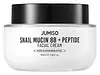
Snail Secretion Filtrate 88%, Niacinamide, Cetearyl Olivate, Sorbitan Olivate, Caprylic/Capric Triglyceride, Betaine, Cetearyl Alcohol, Butylene Glycol, Water, Triethylhexanoin, Phenoxyethanol, Cyclohexasiloxane, Carbomer, Ethyl Hexanediol, Arginine, Allantoin, Sodium Polyacrylate, Sodium Hyaluronate, Dimethicone/Vinyl Dimethicone Crosspolymer, Xanthan Gum, Panthenol, Adenosine, 1,2-Hexanediol, Copper Tripeptide-1, Palmitoyl Pentapeptide-4, Acetyl Hexapeptide-8, Palmitoyl Tripeptide-1, Palmitoyl Tetrapeptide-7
Water
Skin ConditioningDipropylene Glycol
HumectantOctyldodecanol
Emollient
Butylene Glycol
Humectant
Methylpropanediol
SolventGlycerin
Humectant
1,2-Hexanediol
Skin Conditioning
Niacinamide
Smoothing
Caprylyl Methicone
Skin Conditioning
Helianthus Annuus Seed Oil
Emollient
Ammonium Acryloyldimethyltaurate/Vp Copolymer
Polyglyceryl-10 Behenate/Eicosadioate
EmulsifyingPolymethylsilsesquioxane
Hydroxyethyl Acrylate/Sodium Acryloyldimethyl Taurate Copolymer
Emulsion StabilisingPolyglyceryl-2 Stearate
Emulsifying
Acrylates/C10-30 Alkyl Acrylate Crosspolymer
Emulsion StabilisingArginine
Masking
Glyceryl Stearate
Emollient
Stearyl Alcohol
Emollient
Glycine Soja Oil
Emollient
Ethylhexylglycerin
Skin ConditioningAdenosine
Skin Conditioning
Sorbitan Isostearate
Emulsifying
Xanthan Gum
EmulsifyingRetinol
Skin Conditioning

Disodium EDTA
Undecane
EmollientTridecane
Perfuming
Bixa Orellana Seed Oil
Emollient
Macadamia Ternifolia Seed Oil
Emollient
Tocopherol
Antioxidant

Brassica Campestris Sterols
EmollientPolyglyceryl-10 Stearate
Skin Conditioning
Cholesterol
Emollient
Ceramide NP
Skin Conditioning
Hydrogenated Phosphatidylcholine
Emulsifying
Panthenol
Skin Conditioning
Retinal
Skin Conditioning
Squalane
Emollient
Parfum
Masking

Bakuchiol
Antimicrobial
Dextrin
AbsorbentGardenia Florida Fruit Extract
Skin ConditioningCyanocobalamin
Skin ConditioningCollagen Water
Humectant
Hydrogenated Polyisobutene
EmollientAcetyl Hexapeptide-8
Humectant
Anemarrhena Asphodeloides Root Extract
Skin Conditioning
Copper Tripeptide-1
Skin Conditioning
Palmitoyl Pentapeptide-4
Skin Conditioning
Palmitoyl Hexapeptide-12
Skin Conditioning
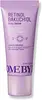
Water, Dipropylene Glycol, Octyldodecanol, Butylene Glycol, Methylpropanediol, Glycerin, 1,2-Hexanediol, Niacinamide, Caprylyl Methicone, Helianthus Annuus Seed Oil, Ammonium Acryloyldimethyltaurate/Vp Copolymer, Polyglyceryl-10 Behenate/Eicosadioate, Polymethylsilsesquioxane, Hydroxyethyl Acrylate/Sodium Acryloyldimethyl Taurate Copolymer, Polyglyceryl-2 Stearate, Acrylates/C10-30 Alkyl Acrylate Crosspolymer, Arginine, Glyceryl Stearate, Stearyl Alcohol, Glycine Soja Oil, Ethylhexylglycerin, Adenosine, Sorbitan Isostearate, Xanthan Gum, Retinol, Disodium EDTA, Undecane, Tridecane, Bixa Orellana Seed Oil, Macadamia Ternifolia Seed Oil, Tocopherol, Brassica Campestris Sterols, Polyglyceryl-10 Stearate, Cholesterol, Ceramide NP, Hydrogenated Phosphatidylcholine, Panthenol, Retinal, Squalane, Parfum, Bakuchiol, Dextrin, Gardenia Florida Fruit Extract, Cyanocobalamin, Collagen Water, Hydrogenated Polyisobutene, Acetyl Hexapeptide-8, Anemarrhena Asphodeloides Root Extract, Copper Tripeptide-1, Palmitoyl Pentapeptide-4, Palmitoyl Hexapeptide-12
Reviews
Ingredients Explained
These ingredients are found in both products.
Ingredients higher up in an ingredient list are typically present in a larger amount.
1,2-Hexanediol is a synthetic liquid and another multi-functional powerhouse.
It is a:
- Humectant, drawing moisture into the skin
- Emollient, helping to soften skin
- Solvent, dispersing and stabilizing formulas
- Preservative booster, enhancing the antimicrobial activity of other preservatives
Acetyl Hexapeptide-8, commonly known as Argireline or Acetyl Hexapeptide-3, is a popular peptide in skincare. It’s often referred to as a “Botox-like” ingredient because it helps reduce muscle movement.
By relaxing these micro-movements, Argireline may help minimize the appearance of fine lines and wrinkles. That said, it’s not as powerful as Botox, and research on its long-term effectiveness is still limited.
Beyond smoothing, Argireline may also support collagen production. Collagen is the protein that helps keep your skin firm, bouncy, and well-hydrated by strengthening the skin barrier.
So while Argireline isn’t a miracle fix, it can be a helpful addition to a routine focused on both prevention and skin health.
Read more about other common types of peptides here:
Learn more about Acetyl Hexapeptide-8Adenosine is in every living organism. It is one of four components in nucleic acids that helps store our DNA.
Adenosine has many benefits when used. These benefits include hydrating the skin, smoothing skin, and reducing wrinkles. Once applied, adenosine increases collagen production. It also helps with improving firmness and tissue repair.
Studies have found adenosine may also help with wound healing.
In skincare products, Adenosine is usually derived from yeast.
Learn more about AdenosineArginine is a semi-essential amino acid. This just means our bodies can product a bit on its own, but sometimes needs a little boost from food sources.
It is a part of your skin's natural moisturizing factor (NMF), or the water-loving molecules in your outermost layer of skin (stratum corneum) that keeps everything hydrated and happy.
Here's an interesting thing about Arginine: your skin converts it into urea through the Krebs-Henseleit urea cycle. Urea is one of the most effective humectants your skin naturally produces.
A clinical study showed applying 2.5% arginine hydrochloride to atopic dermatitis skin showed significant urea levels in the stratum corneum and improved moisture in just four weeks.
Arginine is also a precursor to nitric oxide; nitric oxide improves microcirculation and supports wound healing and collagen synthesis.
One study found that an amino acid complex containing Arginine reduced skin irritation, improved hydration, and accelerated skin repair in clinical / in-vivo studies.
Arginine itself is an amino acid and not a fatty acid, oil, or ester. On its own, it's not a direct food source for Malassezia, or the yeast that causes fungal acne.
Learn more about ArginineButylene Glycol (or BG) is used within cosmetic products for a few different reasons:
Overall, Butylene Glycol is a safe and well-rounded ingredient that works well with other ingredients.
Though this ingredient works well with most skin types, some people with sensitive skin may experience a reaction such as allergic rashes, closed comedones, or itchiness.
Learn more about Butylene GlycolCopper Tripeptide-1 (GHK-Cu) is a skin repairing ingredient known for its ability to boost collagen, improve firmness, and support skin regeneration.
It is a complex made up of a naturally occurring peptide (glycine-histidine-lysine) and copper, an essential trace element.
While studying wound healing, researchers noticed GHK-Cu stimulated hair follicle enlargement and growth by keeping hair in its active growth phase longer. This has made it a promising ingredient for hair regrowth treatments.
Some people have reported increased facial hair. While GHK-Cu can make your hair follicles bigger, it usually doesn’t turn soft, barely-visible facial hairs into thick, dark ones.
Anecdotal reports suggest that overusing copper peptides might lead to premature aging due to excess free copper or enzyme imbalances. This claim isn’t backed by large-scale studies.
Unfortunately, there are limited human studies for this ingredient. While early results are promising, many studies are either small, in-vitro, or not rigorously controlled.
For example, there is a 1998 study that explored the effects of copper tripeptide, vitamin C, tretinoin, and melatonin on skin repair and collagen synthesis.
After one month, increased procollagen production was seen in 7 out of 10 participants using copper tripeptide (more than those using vitamin C, melatonin, or tretinoin.
While the study was exploratory, it offers early evidence that copper tripeptide may support collagen production. Larger, well-designed trials are still needed to confirm its potential and understand individual responses.
Read more about other common types of peptides here:
Learn more about Copper Tripeptide-1Niacinamide is a multitasking form of vitamin B3 that strengthens the skin barrier, reduces pores and dark spots, regulates oil, and improves signs of aging.
And the best part? It's gentle and well-tolerated by most skin types, including sensitive and reactive skin.
You might have heard of "niacin flush", or the reddening of skin that causes itchiness. Niacinamide has not been found to cause this.
In very rare cases, some individuals may not be able to tolerate niacinamide at all or experience an allergic reaction to it.
If you are experiencing flaking, irritation, and dryness with this ingredient, be sure to double check all your products as this ingredient can be found in all categories of skincare.
When incorporating niacinamide into your routine, look out for concentration amounts. Typically, 5% niacinamide provides benefits such as fading dark spots. However, if you have sensitive skin, it is better to begin with a smaller concentration.
When you apply niacinamide to your skin, your body converts it into nicotinamide adenine dinucleotide (NAD). NAD is an essential coenzyme that is already found in your cells as "fuel" and powers countless biological processes.
In your skin, NAD helps repair cell damage, produce new healthy cells, support collagen production, strengthen the skin barrier, and fight environmental stressors (like UV and pollution).
Our natural NAD levels start to decline with age, leading to slower skin repair, visible aging, and a weaker skin barrier. By providing your skin niacinamide, you're recharging your skin's NAD levels. This leads to stronger, healthier, and younger looking skin.
Another name for vitamin B3 is nicotinamide. This vitamin is water-soluble and our bodies don't store it. We obtain Vitamin B3 from either food or skincare. Meat, fish, wheat, yeast, and leafy greens contain vitamin B3.
The type of niacinamide used in skincare is synthetically created.
Learn more about NiacinamideYou might know this ingredient as Matrixyl. It is a synthetic peptide made up of five amino acids attached to a palmitic acid, a fatty acid that helps it absorb into skin more easily.
As a signal peptide, Matrixyl acts like a little messenger. Once it reaches your skin cells, it tells them to ramp up production of collagen, elastin, and other proteins that keep skin looking firm and smooth.
A 12 week clinical study found that a moisturizer containing just 3 ppm of Matrixyl led to a significant improvement in fine-lines and wrinkles. Another study showed an 18% reduction in wrinkle depth, 37% reduction in wrinkle thickness, and a 21% improvement in skin firmness after just 28 days of twice-daily use.
The coolest part is that it works at incredibly low concentrations (like 0.0003%) and it plays well with other actives.
The CIR (Cosmetic Ingredient Review) panel found it to be non-sensitizing across multiple tests and human patch tests also showed no irritation or sensitization.
Due to its palmitic acid base, it may not be fungal acne safe.
Fun fact: Matrixyl was originally developed by French company Sederma and Procter & Gamble.
Read more about other common types of peptides here:
Learn more about Palmitoyl Pentapeptide-4Panthenol is a common ingredient that helps hydrate and soothe the skin. It is found naturally in our skin and hair.
There are two forms of panthenol: D and L.
D-panthenol is also known as dexpanthenol. Most cosmetics use dexpanthenol or a mixture of D and L-panthenol.
Panthenol is famous due to its ability to go deeper into the skin's layers. Using this ingredient has numerous pros (and no cons):
Like hyaluronic acid, panthenol is a humectant. Humectants are able to bind and hold large amounts of water to keep skin hydrated.
This ingredient works well for wound healing. It works by increasing tissue in the wound and helps close open wounds.
Once oxidized, panthenol converts to pantothenic acid. Panthothenic acid is found in all living cells.
This ingredient is also referred to as pro-vitamin B5.
Learn more about PanthenolWater. It's the most common cosmetic ingredient of all. You'll usually see it at the top of ingredient lists, meaning that it makes up the largest part of the product.
So why is it so popular? Water most often acts as a solvent - this means that it helps dissolve other ingredients into the formulation.
You'll also recognize water as that liquid we all need to stay alive. If you see this, drink a glass of water. Remember to stay hydrated!
Learn more about WaterXanthan gum is used as a stabilizer and thickener within cosmetic products. It helps give products a sticky, thick feeling - preventing them from being too runny.
On the technical side of things, xanthan gum is a polysaccharide - a combination consisting of multiple sugar molecules bonded together.
Xanthan gum is a pretty common and great ingredient. It is a natural, non-toxic, non-irritating ingredient that is also commonly used in food products.
Learn more about Xanthan Gum
