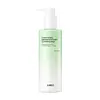
This mild cream makeup remover is made to dissolve makeup, sunscreen, and daily buildup.
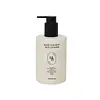
This mild cream cleanser is made to cleanse without leaving your skin tight or dry.

What's inside
What's inside
 Key Ingredients
Benefits
Concerns
Ingredients Side-by-side
Chamomilla Recutita Flower Water
MaskingWater
Skin ConditioningEthylhexyl Palmitate
Emollient




Caprylic/Capric Triglyceride
Masking


Glycerin
Humectant
Tripropylene Glycol
Antioxidant
1,2-Hexanediol
Skin Conditioning
Ammonium Acryloyldimethyltaurate/Vp Copolymer
Cetearyl Alcohol
Emollient
Glyceryl Stearate Se
Emulsifying
Polyglyceryl-3 Methylglucose Distearate
Emulsifying
Sorbitan Stearate
Emulsifying
Cetearyl Olivate
Coco-Glucoside
Cleansing
Sorbitan Olivate
Emulsifying
Arginine
Masking
Acrylates/C10-30 Alkyl Acrylate Crosspolymer
Emulsion StabilisingEthylhexylglycerin
Skin ConditioningLinum Usitatissimum Seed Oil
Perfuming

Panthenol
Skin Conditioning

Sucrose Cocoate
Emulsifying
Papain
Skin Conditioning
Sodium Gluconate
Skin ConditioningCitric Acid
Buffering

Maltodextrin
Absorbent
Helianthus Annuus Seed Oil
Emollient
Simmondsia Chinensis Seed Oil
Emollient
Tocopherol
Antioxidant


Adenosine
Skin Conditioning
Sodium Guaiazulene Sulfonate
SurfactantCeramide NP
Skin Conditioning
2,3-Butanediol
HumectantHydrogenated Lecithin
Emulsifying
Glyceryl Stearate
Emollient
Cholesterol
Emollient
Ceramide As
Skin Conditioning
Ceramide AP
Skin Conditioning
Ceramide Ns
Skin Conditioning
Ceramide EOP
Skin Conditioning
Chamomilla Recutita Flower Water, Water, Ethylhexyl Palmitate, Caprylic/Capric Triglyceride, Glycerin, Tripropylene Glycol, 1,2-Hexanediol, Ammonium Acryloyldimethyltaurate/Vp Copolymer, Cetearyl Alcohol, Glyceryl Stearate Se, Polyglyceryl-3 Methylglucose Distearate, Sorbitan Stearate, Cetearyl Olivate, Coco-Glucoside, Sorbitan Olivate, Arginine, Acrylates/C10-30 Alkyl Acrylate Crosspolymer, Ethylhexylglycerin, Linum Usitatissimum Seed Oil, Panthenol, Sucrose Cocoate, Papain, Sodium Gluconate, Citric Acid, Maltodextrin, Helianthus Annuus Seed Oil, Simmondsia Chinensis Seed Oil, Tocopherol, Adenosine, Sodium Guaiazulene Sulfonate, Ceramide NP, 2,3-Butanediol, Hydrogenated Lecithin, Glyceryl Stearate, Cholesterol, Ceramide As, Ceramide AP, Ceramide Ns, Ceramide EOP
Citrus Junos Fruit Water
Masking
Water
Skin ConditioningVigna Radiata Seed Extract
Skin ConditioningGlycerin
Humectant
Simmondsia Chinensis Seed Oil
Emollient
Propylene Glycol Dicaprylate/Dicaprate
EmollientGlycine Soja Seed Extract
Skin Conditioning
Glycine Soja Oil
Emollient
Decyl Glucoside
Cleansing
Betaine
Humectant
Polyglyceryl-3 Methylglucose Distearate
Emulsifying
Cetearyl Alcohol
Emollient
Butylene Glycol
Humectant
Glyceryl Stearate
Emollient
Schisandra Chinensis Fruit Extract
Skin Conditioning
Artemisia Princeps Leaf Water
MaskingCamellia Sinensis Leaf Water
Masking
Glycine Soja Peptide
Skin Conditioning
Avena Sativa Peptide
Skin Conditioning
Glycine Max Polypeptide
Skin Conditioning
Triticum Aestivum Peptide
Skin Conditioning
Lactobacillus Ferment
Skin Conditioning
Lactococcus Ferment
Skin ConditioningRehmannia Glutinosa Root Extract
Skin ConditioningCornus Officinalis Fruit Extract
Skin ConditioningAlisma Orientale Tuber Extract
Skin ConditioningCoptis Japonica Root Extract
Skin ConditioningDioscorea Japonica Root Extract
Skin Conditioning
Paeonia Suffruticosa Root Extract
Skin ProtectingSmilax Glabra Root Extract
Skin ConditioningArtemisia Annua Extract
Masking
Lepidium Meyenii Root Extract
Skin ConditioningOryza Sativa Extract
Absorbent
Stellaria Media Extract
Skin ConditioningAvena Sativa Meal Extract
SoothingHydrolyzed Vegetable Protein
Skin ConditioningGlycoproteins
Skin Conditioning
Maltodextrin
Absorbent
Tromethamine
Buffering1,2-Hexanediol
Skin Conditioning
Xanthan Gum
EmulsifyingSodium Stearoyl Glutamate
CleansingPentylene Glycol
Skin Conditioning
Acrylates/C10-30 Alkyl Acrylate Crosspolymer
Emulsion StabilisingPolyquaternium-51
Skin Conditioning
Propanediol
Solvent
Cyanocobalamin
Skin ConditioningSorbitan Stearate
Emulsifying
Hydroxyacetophenone
Antioxidant
Ethylhexylglycerin
Skin ConditioningPalmitic Acid
Emollient
Stearic Acid
Cleansing
Disodium EDTA
Citrus Junos Fruit Water, Water, Vigna Radiata Seed Extract, Glycerin, Simmondsia Chinensis Seed Oil, Propylene Glycol Dicaprylate/Dicaprate, Glycine Soja Seed Extract, Glycine Soja Oil, Decyl Glucoside, Betaine, Polyglyceryl-3 Methylglucose Distearate, Cetearyl Alcohol, Butylene Glycol, Glyceryl Stearate, Schisandra Chinensis Fruit Extract, Artemisia Princeps Leaf Water, Camellia Sinensis Leaf Water, Glycine Soja Peptide, Avena Sativa Peptide, Glycine Max Polypeptide, Triticum Aestivum Peptide, Lactobacillus Ferment, Lactococcus Ferment, Rehmannia Glutinosa Root Extract, Cornus Officinalis Fruit Extract, Alisma Orientale Tuber Extract, Coptis Japonica Root Extract, Dioscorea Japonica Root Extract, Paeonia Suffruticosa Root Extract, Smilax Glabra Root Extract, Artemisia Annua Extract, Lepidium Meyenii Root Extract, Oryza Sativa Extract, Stellaria Media Extract, Avena Sativa Meal Extract, Hydrolyzed Vegetable Protein, Glycoproteins, Maltodextrin, Tromethamine, 1,2-Hexanediol, Xanthan Gum, Sodium Stearoyl Glutamate, Pentylene Glycol, Acrylates/C10-30 Alkyl Acrylate Crosspolymer, Polyquaternium-51, Propanediol, Cyanocobalamin, Sorbitan Stearate, Hydroxyacetophenone, Ethylhexylglycerin, Palmitic Acid, Stearic Acid, Disodium EDTA
Reviews
Ingredients Explained
These ingredients are found in both products.
Ingredients higher up in an ingredient list are typically present in a larger amount.
1,2-Hexanediol is a synthetic liquid and another multi-functional powerhouse.
It is a:
- Humectant, drawing moisture into the skin
- Emollient, helping to soften skin
- Solvent, dispersing and stabilizing formulas
- Preservative booster, enhancing the antimicrobial activity of other preservatives
Acrylates/C10-30 Alkyl Acrylate Crosspolymer is a synthetic polymer. It is used to thicken, emulsify, and improve the texture of products.
As an emulsifier, it helps stabilize oil-in-water emulsions to give products an elegant feel when applied.
It can also form a thin protective film on skin. One study found that a formula using this polymer helped slow down how quickly other ingredients (like DEET) were absorbed through skin.
A 2024 study of over 1,300 patients confirmed that sensitization to this ingredient is rare. It is also non-mutagenic and has a clean track record.
Learn more about Acrylates/C10-30 Alkyl Acrylate CrosspolymerCetearyl alcohol is a waxy mixture of two fatty alcohols: cetyl alcohol and stearyl alcohol. It is an emollient and emulsifier.
Despite having "alcohol" in its name, it has nothing to do with drying solvent alcohols; the FDA also allows "alcohol-free" products to contain fatty alcohols like this ingredient.
It plays several roles in a formula:
Typical use levels for this ingredient sit around 1-10% and the Cosmetic Ingredient Review Expert Panel has affirmed safety at concentrations up to 25% in leave-on products.
Multiple assessments have found it to be non-irritating and non-sensitizing to most people.
However, there have been some cases of allergic contact dermatitis in patients with chronically compromised skin barriers.
Cetearyl alcohol has a comedogenic rating of 2 and irritancy rating of 1. Both of these numbers come from the 1989 study that used rabbit ears; a "2" means mildly comedogenic and a "1" means low irritancy.
Here's the catch: rabbit skin is more sensitive than human skin and throws a lot of false positives. A 1996 reappraisal found that ingredients rated 1-2 in the rabbit ear tests are generally safe for humans.
Remember comedogenic ratings are unable to assess the entire formula of a product or how it will react on your skin. Just be sure to patch test if you are unsure about certain ingredients.
This ingredient is not fungal acne safe. Cetearyl alcohol is a fatty alcohol with chain lengths that fall within the range that Malassezia can metabolize.
A 2019 study has also observed Malassezia growth in the presence of this ingredient, confirming it to be not-fungal acne safe.
Learn more about Cetearyl AlcoholEthylhexylglycerin is created from glycerin. It is a multitasker ingredient that:
The CIR Expert Panel found minimal skin absorption or sensitization of any kind in a safety assessment. Though this ingredient is considered well-tolerated, a small number of cases of allergic dermatitis have been published since 2002. Just be sure to patch test if you are unsure.
Industry-reported use ranges from 8% in rinse-off products and 2% in leave-on formulations.
Learn more about EthylhexylglycerinGlycerin (or glycerol) is a compound naturally found in your skin. It's a powerhouse humectant that pulls water into the stratum corneum.
Topically, glycerin does several things at once:
Your skin makes glycerin on its own (mostly from sebaceous oil breakdown) and shuttles it to your outermost layer of skin, or your epidermis, via aquaporin-3.
Aquaporin-3 is a transporter that is essential for normal skin hydration, elasticity, and repair. Interestingly, mice lacking in AQP3 have dry and less elastic skin that can be fully corrected with glycerin.
This ingredient is non-irritating, plays well with almost every ingredient, and works across all skin types. Typical use is anywhere between 3-10% but can go up to 79% in some leave-on products.
Just know very high concentrations (>40%) can feel tacky in low humidity.
Glycerin is the name for this ingredient in American English. British English uses Glycerol/Glycerine.
Learn more about GlycerinGlyceryl Stearate is made by reacting glycerin with stearic acid (typically sourced from plant oils like palm or coconut). It's an emulsifier, emollient, and mild occlusive.
Emulsifiers help ingredients like oil and water stay mixed so your formula stays nicely blended and uniform in texture.
This ingredient is typically used in concentrations between 1-10%. Studies have found it to be non-sensitizing, non-phototoxic, and non-photoallergenic.
A close cousin of this ingredient is Glyceryl Stearate SE ("self-emulsifying"). This just has a small amount of sodium or potassium stearate added so it can emulsify without a co-emulsifier.
Since this ingredient is an ester of a C18 fatty acid, it may not be fungal acne safe. The Malassezia yeast can potentially metabolize within the C11-C24 range.
Fun fact: The human body also creates Glyceryl Stearate naturally.
Learn more about Glyceryl StearateMaltodextrin is a plant-derived carbohydrate made by breaking down starch (usually from corn, potato, or rice). In cosmetic formulas, it's a multitasking absorbent, emulsion stabilizer, and skin conditioner.
This ingredient is mostly used to stabilize emulsions and improve the powdery, non-greasy feel of products (like dry shampoos).
Safety-wise, this ingredient is pretty solid; it's even recognized as a food additive. Both animal and clinical studies found no adverse effects at the levels used in cosmetics.
Industry data shows this ingredient is used up to 45.7% in spray products and up to 33% in powder products.
Learn more about MaltodextrinPolyglyceryl-3 Methylglucose Distearate is a plant-derived emulsifier whose only job is to keep the oily and watery parts of a formula blended so it doesn't separate into layers.
It's compatible with a wide-range of active ingredients and especially good at making emulsions survive heat/freeze cycles.
Typical use concentrations range from 2-3% and it works across a pH of 4.5-8.5.
This ingredient has been found safe to use in cosmetics and has a low irritation profile.
Because it's build on stearic acid, it may not be fungal acne safe. Stearic acid is a C18 fatty acid that falls within the range (C11-24) that Malassezia can feed on.
Learn more about Polyglyceryl-3 Methylglucose DistearateJojoba oil is one of the most well-studied plant-derived ingredients in cosmetics. It is an emollient with a special structure.
Because it is made up of 97-98% wax esters, it closely mirrors the linear monoesters found in human sebum. This makes it skin compatible, non-greasy, and lightweight.
Unlike other plant oils, jojoba wax doesn't easily penetrate skin. It mostly works in the uppermost layers as an emollient. This just means it forms a light barrier on the skin to help retain moisture.
Formulations with jojoba esters up to 90% reduced transepidermal water loss (TEWL) and increased barrier recovery by 81% (outperforming bisabolol at 47%).
Besides barrier support, the science also suggests jojoba to have anti-inflammatory effects and potential applications for skin infections, aging, and wound healing.
Fun fact: Indigenous cultures have used jojoba as a moisturizer and to help treat burns for centuries.
Fungal acne: The Malassezia yeast is known to metabolize fatty acids in the C11-24 range and jojoba's dominant fatty acid components fall into this range. This ingredient may not be fungal acne safe.
Learn more about Simmondsia Chinensis Seed OilSorbitan Stearate is an emulsifier made by reacting sorbitol with stearic acid.
It's mostly used to keep oil and water mixed so your formulas stay smooth and stable.
The Cosmetic Ingredient Review has found 4% of this ingredient in repeat-insult patch tests on humans to be non-sensitizing. There is a caveat that some reactions have shown up in patients with damaged or diseased skin.
Because it is an ester of a C18 fatty acid, it falls into the C11-24 range that the Malassezia yeast can metabolize. This means this ingredient may not be fungal acne safe.
Learn more about Sorbitan StearateWater. It's the most common cosmetic ingredient of all. You'll usually see it at the top of ingredient lists, meaning that it makes up the largest part of the product.
So why is it so popular? Water most often acts as a solvent - this means that it helps dissolve other ingredients into the formulation.
You'll also recognize water as that liquid we all need to stay alive. If you see this, drink a glass of water. Remember to stay hydrated!
Learn more about Water

