JMsolution Active Mask Ultimate Versus Garnier Ambre Solaire Anti-Dark Spots & Anti-Pollution Super UV Protection Fluid
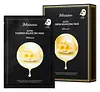
This hydrating sheet mask is formulated around Allantoin and Dipotassium Glycyrrhizate to hydrate skin and calm redness.
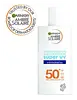
This chemical sunscreen covers the full UV range, though its SPF isn't confirmed on file yet.


What's inside
What's inside
 Key Ingredients
Benefits
Concerns
Ingredients Side-by-side
Water
Skin ConditioningGlycerin
Humectant


Methylpropanediol
SolventDipropylene Glycol
HumectantHydroxyacetophenone
Antioxidant
Trehalose
Humectant
Caprylyl Glycol
Emollient
Betaine
Humectant
Triethanolamine
BufferingAllantoin
Skin Conditioning
Carbomer
Emulsion StabilisingPolysorbate 20
Emulsifying

Dipotassium Glycyrrhizate
Humectant
Niacinamide
Smoothing






Acrylates/C10-30 Alkyl Acrylate Crosspolymer
Emulsion StabilisingDisodium EDTA
Chelating1,2-Hexanediol
Skin Conditioning
Xanthan Gum
EmulsifyingParfum
Masking



Sodium Hyaluronate
Humectant
Plumeria Alba Flower Extract
Skin ConditioningButylene Glycol
Humectant
Glyceryl Glucoside
Humectant
CI 19140
Cosmetic ColorantHydrolyzed Hyaluronic Acid
Humectant
Hydroxypropyltrimonium Hyaluronate
Sea Water
HumectantPanthenol
Skin Conditioning
Ulmus Campestris Bark Extract
AstringentGlycine Max Seed Extract
Skin ConditioningArtemisia Princeps Leaf Extract
Skin ConditioningCalendula Officinalis Extract
Skin Conditioning
CI 15985
Cosmetic ColorantSodium Acetylated Hyaluronate
Humectant
Centella Asiatica Extract
Cleansing
Bacillus Ferment
Skin Conditioning
Lactobacillus Ferment
Skin Conditioning
Aspergillus Ferment
Skin ConditioningThiamine Hcl
MaskingPyridoxine
Skin ConditioningGlucose
Humectant
Hyaluronic Acid
Humectant
Biotin
AntiseborrhoeicCyanocobalamin
Skin ConditioningRiboflavin
Cosmetic ColorantFolic Acid
Skin ConditioningMenadione
MaskingBioflavonoids
Skin ConditioningAscorbic Acid
Antioxidant
Tocopheryl Acetate
Antioxidant
Glutathione
Water, Glycerin, Methylpropanediol, Dipropylene Glycol, Hydroxyacetophenone, Trehalose, Caprylyl Glycol, Betaine, Triethanolamine, Allantoin, Carbomer, Polysorbate 20, Dipotassium Glycyrrhizate, Niacinamide, Acrylates/C10-30 Alkyl Acrylate Crosspolymer, Disodium EDTA, 1,2-Hexanediol, Xanthan Gum, Parfum, Sodium Hyaluronate, Plumeria Alba Flower Extract, Butylene Glycol, Glyceryl Glucoside, CI 19140, Hydrolyzed Hyaluronic Acid, Hydroxypropyltrimonium Hyaluronate, Sea Water, Panthenol, Ulmus Campestris Bark Extract, Glycine Max Seed Extract, Artemisia Princeps Leaf Extract, Calendula Officinalis Extract, CI 15985, Sodium Acetylated Hyaluronate, Centella Asiatica Extract, Bacillus Ferment, Lactobacillus Ferment, Aspergillus Ferment, Thiamine Hcl, Pyridoxine, Glucose, Hyaluronic Acid, Biotin, Cyanocobalamin, Riboflavin, Folic Acid, Menadione, Bioflavonoids, Ascorbic Acid, Tocopheryl Acetate, Glutathione
Water
Skin ConditioningAlcohol Denat.
Antimicrobial

Diisopropyl Sebacate
EmollientSilica
Abrasive
Isopropyl Myristate
Emollient

Ethylhexyl Salicylate
UV Absorber

Ethylhexyl Triazone
UV Absorber
Bis-Ethylhexyloxyphenol Methoxyphenyl Triazine
UV Absorber
Butyl Methoxydibenzoylmethane
UV Absorber
Glycerin
Humectant
C12-22 Alkyl Acrylate/Hydroxyethylacrylate Copolymer
StabilisingPropanediol
Solvent
Drometrizole Trisiloxane
UV Absorber
Perlite
Absorbent
Caprylic/Capric Triglyceride
Masking
Tocopherol
Antioxidant
Hydroxyacetophenone
Antioxidant
Hydroxyethylcellulose
Emulsion StabilisingSodium Hyaluronate
Humectant
Thermus Thermophillus Ferment
Skin ConditioningPhenoxyethanol
Preservative
Triethanolamine
BufferingTrisodium Ethylenediamine Disuccinate
ChelatingCaprylyl Glycol
Emollient
Terephthalylidene Dicamphor Sulfonic Acid
UV Absorber
Acrylates/C10-30 Alkyl Acrylate Crosspolymer
Emulsion StabilisingPotassium Sorbate
Preservative
Water, Alcohol Denat., Diisopropyl Sebacate, Silica, Isopropyl Myristate, Ethylhexyl Salicylate, Ethylhexyl Triazone, Bis-Ethylhexyloxyphenol Methoxyphenyl Triazine, Butyl Methoxydibenzoylmethane, Glycerin, C12-22 Alkyl Acrylate/Hydroxyethylacrylate Copolymer, Propanediol, Drometrizole Trisiloxane, Perlite, Caprylic/Capric Triglyceride, Tocopherol, Hydroxyacetophenone, Hydroxyethylcellulose, Sodium Hyaluronate, Thermus Thermophillus Ferment, Phenoxyethanol, Triethanolamine, Trisodium Ethylenediamine Disuccinate, Caprylyl Glycol, Terephthalylidene Dicamphor Sulfonic Acid, Acrylates/C10-30 Alkyl Acrylate Crosspolymer, Potassium Sorbate
Reviews
Ingredients Explained
These ingredients are found in both products.
Ingredients higher up in an ingredient list are typically present in a larger amount.
Acrylates/C10-30 Alkyl Acrylate Crosspolymer is a synthetic polymer. It is used to thicken, emulsify, and improve the texture of products.
As an emulsifier, it helps stabilize oil-in-water emulsions to give products an elegant feel when applied.
It can also form a thin protective film on skin. One study found that a formula using this polymer helped slow down how quickly other ingredients (like DEET) were absorbed through skin.
A 2024 study of over 1,300 patients confirmed that sensitization to this ingredient is rare. It is also non-mutagenic and has a clean track record.
Learn more about Acrylates/C10-30 Alkyl Acrylate CrosspolymerCaprylyl Glycol is a humectant, skin conditioner, emollient, and preservative booster derived from either caprylic acid or synthetically created.
Typical use levels vary from 0.3-1% as a preservative booster and go up to 2% to condition skin.
Because it is not a free-fatty acid, this ingredient is fungal acne safe (there's nothing for Malassezia to feed on).
Learn more about Caprylyl GlycolGlycerin (or glycerol) is a compound naturally found in your skin. It's a powerhouse humectant that pulls water into the stratum corneum.
Topically, glycerin does several things at once:
Your skin makes glycerin on its own (mostly from sebaceous oil breakdown) and shuttles it to your outermost layer of skin, or your epidermis, via aquaporin-3.
Aquaporin-3 is a transporter that is essential for normal skin hydration, elasticity, and repair. Interestingly, mice lacking in AQP3 have dry and less elastic skin that can be fully corrected with glycerin.
This ingredient is non-irritating, plays well with almost every ingredient, and works across all skin types. Typical use is anywhere between 3-10% but can go up to 79% in some leave-on products.
Just know very high concentrations (>40%) can feel tacky in low humidity.
Glycerin is the name for this ingredient in American English. British English uses Glycerol/Glycerine.
Learn more about GlycerinHydroxyacetophenone is a small phenolic molecule that earns its place in a formulas as an antioxidant and preservative booster.
As a phenol, it is able to neutralize free radicals to protect both the product and the skin from oxidative stress.
Though it can't kill microbes on its own, it works as a good supporting agent when combined with other preservatives like Phenoxyethanol or 1,2-Hexanediol.
This ingredient naturally occurs as piceol in Norwegian spruce needles (~0.4-1.1% dry weight and in cloudberries). Though the cosmetic-grade material is synthesized for purity and consistency.
You'll usually see it used at low levels and suppliers recommend up to 1% added to a water phase.
Safety testing was done at concentrations like 0.05% in SPF products and 0.5% in a Human Repeated Insult Patch Test. The safety evidence is assuring; this ingredient is safe for cosmetics in current use and also holds safety status as a food flavoring as well.
An honest caveat: the "soothing" and "anti-inflammatory" claims come mostly from supplier marketing rather than published clinical trials. The Cosmetic Ingredient Review's own literature search found no useful efficacy studies on this ingredient.
So the antioxidant and preservative-boosting roles are the well supported ones while the calming benefit is plausible but thinly evidenced.
Overall, this is a well-tolerated, low-irritation multitasker that quietly helps a formula stay fresh and stable.
Learn more about HydroxyacetophenoneSodium Hyaluronate is the salt form of hyaluronic acid. It is a long sugar chain that is naturally found in your skin, joints, and connective tissue that maintains hydration and elasticity.
In skincare, it works as a humectant. It pulls water from the environment and deeper layers of skin and binds it to the surface.
Interestingly, the size of the molecule affects its behavior:
Some clinical evidence links low molecular weight versions to improved wrinkle depth, elasticity, anti-inflammatory effects, and barrier repair.
Many serums use a blend of both weights so you can get surface hydration plus longer-lasting and deeper effects.
You'll typically see concentrations between 0.1-2% for this ingredient.
Learn more about Sodium HyaluronateTriethanolamine (TEA) is an emulsifier and pH adjuster. It is created using ethylene oxide and ammonia. This gives Triethanolamine a nitrogen core and a similar scent to ammonia.
As an emulsifier, it prevents ingredients from separating and enhances texture by adding volume to a product.
PH adjusters are common in cosmetic products. The pH of a product can affect the effectiveness of other ingredients. A product with a high pH may also irritate the skin.
If you are looking for the tea leaf ingredient, click here.
Learn more about TriethanolamineWater. It's the most common cosmetic ingredient of all. You'll usually see it at the top of ingredient lists, meaning that it makes up the largest part of the product.
So why is it so popular? Water most often acts as a solvent - this means that it helps dissolve other ingredients into the formulation.
You'll also recognize water as that liquid we all need to stay alive. If you see this, drink a glass of water. Remember to stay hydrated!
Learn more about Water

