
What's inside
What's inside
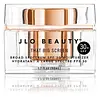 Key Ingredients
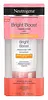
Benefits
Concerns
Ingredients Side-by-side
Homosalate 15%
Skin Conditioning

Ethylhexyl Salicylate 5%
UV Absorber
Zinc Oxide 3%
Cosmetic Colorant
Water
Skin ConditioningGlycerin
Humectant


Caprylic/Capric Triglyceride
Masking
Cetearyl Alcohol
Emollient



Glyceryl Stearate
Emollient
PEG-100 Stearate
Surfactant
Dimethicone
Emollient
Hydrolyzed Vegetable Protein
Skin ConditioningNelumbo Nucifera Flower Extract
Skin ConditioningWithania Somnifera Root Extract
Skin Conditioning
Himanthalia Elongata Extract
Skin Protecting
Glycyrrhiza Glabra Root Extract
Bleaching

Gigartina Stellata Extract
Skin ProtectingHydrogenated Lecithin
Emulsifying
Chondrus Crispus Extract
Skin Conditioning
Camellia Sinensis Leaf Extract
Antimicrobial


Aspalathus Linearis Extract
Skin ConditioningBoswellia Serrata Extract
Skin Conditioning
Honey Extract
Humectant
Tocopheryl Acetate
Antioxidant
Tocopherol
Antioxidant
Ethyl Ferulate
Antioxidant
Trehalose
Humectant
Disodium EDTA
Cetyl Palmitate
Emollient
Bisabolol
Antioxidant
Triethoxycaprylylsilane
Sorbitan Stearate
Emulsifying
Polysorbate 80
Emulsifying
Butylene Glycol
Humectant
Sodium Hyaluronate
Humectant
Isopentyldiol
Humectant
Palmitoyl Tetrapeptide-10
Skin Conditioning
Farnesol
Perfuming


Tetrapeptide-14
Skin Conditioning
Caprylyl Glycol
Emollient
Hexylene Glycol
EmulsifyingEthylhexylglycerin
Skin ConditioningXanthan Gum
EmulsifyingCitric Acid
Buffering

Phenoxyethanol
Preservative
Sodium Benzoate
Masking
Homosalate 15%, Ethylhexyl Salicylate 5%, Zinc Oxide 3%, Water, Glycerin, Caprylic/Capric Triglyceride, Cetearyl Alcohol, Glyceryl Stearate, PEG-100 Stearate, Dimethicone, Hydrolyzed Vegetable Protein, Nelumbo Nucifera Flower Extract, Withania Somnifera Root Extract, Himanthalia Elongata Extract, Glycyrrhiza Glabra Root Extract, Gigartina Stellata Extract, Hydrogenated Lecithin, Chondrus Crispus Extract, Camellia Sinensis Leaf Extract, Aspalathus Linearis Extract, Boswellia Serrata Extract, Honey Extract, Tocopheryl Acetate, Tocopherol, Ethyl Ferulate, Trehalose, Disodium EDTA, Cetyl Palmitate, Bisabolol, Triethoxycaprylylsilane, Sorbitan Stearate, Polysorbate 80, Butylene Glycol, Sodium Hyaluronate, Isopentyldiol, Palmitoyl Tetrapeptide-10, Farnesol, Tetrapeptide-14, Caprylyl Glycol, Hexylene Glycol, Ethylhexylglycerin, Xanthan Gum, Citric Acid, Phenoxyethanol, Sodium Benzoate
Butyl Methoxydibenzoylmethane 1.5%
UV Absorber
Homosalate 5%
Skin Conditioning
Ethylhexyl Salicylate 4%
UV Absorber
Octocrylene 6%
UV Absorber
Water
Skin ConditioningGlycerin
Humectant
Caprylyl Methicone
Skin Conditioning
Diisopropyl Adipate
EmollientAcetyl Glucosamine
Skin Conditioning
Silica
Abrasive
Dimethicone
Emollient
Dicaprylyl Carbonate
EmollientSodium Acryloyldimethyltaurate/Vp Crosspolymer
Emulsion StabilisingPolyurethane-62
Caprylyl Glycol
Emollient
Phenoxyethanol
Preservative
Dimethicone Crosspolymer
Emulsion Stabilising
Parfum
Masking
Glyceryl Stearate
Emollient
Chlorphenesin
Antimicrobial
Tocopheryl Acetate
Antioxidant
Sodium Ascorbyl Phosphate
Antioxidant

Citric Acid
Buffering
Disodium EDTA
Trideceth-6
EmulsifyingMoringa Oleifera Seed Extract
Skin Conditioning
Mica
Cosmetic ColorantTitanium Dioxide
Cosmetic Colorant
Butyl Methoxydibenzoylmethane 1.5%, Homosalate 5%, Ethylhexyl Salicylate 4%, Octocrylene 6%, Water, Glycerin, Caprylyl Methicone, Diisopropyl Adipate, Acetyl Glucosamine, Silica, Dimethicone, Dicaprylyl Carbonate, Sodium Acryloyldimethyltaurate/Vp Crosspolymer, Polyurethane-62, Caprylyl Glycol, Phenoxyethanol, Dimethicone Crosspolymer, Parfum, Glyceryl Stearate, Chlorphenesin, Tocopheryl Acetate, Sodium Ascorbyl Phosphate, Citric Acid, Disodium EDTA, Trideceth-6, Moringa Oleifera Seed Extract, Mica, Titanium Dioxide
Reviews
Ingredients Explained
These ingredients are found in both products.
Ingredients higher up in an ingredient list are typically present in a larger amount.
Caprylyl Glycol is a humectant, skin conditioner, emollient, and preservative booster derived from either caprylic acid or synthetically created.
Typical use levels vary from 0.3-1% as a preservative booster and go up to 2% to condition skin.
Because it is not a free-fatty acid, this ingredient is fungal acne safe (there's nothing for Malassezia to feed on).
Learn more about Caprylyl GlycolCitric Acid is an alpha hydroxy acid (AHA) naturally found in citrus fruits like oranges, lemons, and limes.
Like other AHAs, citric acid can exfoliate skin by breaking down the bonds that hold dead skin cells together. This helps reveal smoother and brighter skin underneath.
However, this exfoliating effect only happens at high concentrations (20%) which can be hard to find in cosmetic products.
Due to this, citric acid is usually included in small amounts as a pH adjuster. This helps keep products slightly more acidic and compatible with skin's natural pH.
In skincare formulas, citric acid can:
While it can provide some skin benefits, research shows lactic acid and glycolic acid are generally more effective and less irritating exfoliants.
Most citric acid used in skincare today is made by fermenting sugars (usually from molasses). This synthetic version is identical to the natural citrus form but easier to stabilize and use in formulations.
Read more about some other popular AHA's here:
Learn more about Citric AcidDimethicone is a type of synthetic silicone created from natural materials such as quartz. It is also known as polydimethylsiloxane.
What it does:
Dimethicone comes in different viscosities:
Depending on the viscosity, dimethicone has different properties.
Ingredients lists don't always show which type is used, so we recommend reaching out to the brand if you have questions about the viscosity.
This ingredient is unlikely to cause irritation because it does not get absorbed into skin. However, people with silicone allergies should be careful about using this ingredient.
Note: Dimethicone may contribute to pilling. This is because it is not oil or water soluble, so pilling may occur when layered with products. When mixed with heavy oils in a formula, the outcome is also quite greasy.
Learn more about DimethiconeDisodium EDTA is a chelating agent. It grabs onto and deactivates metal ions that sneak into your products from water, packaging, or air.
This ingredient mainly works behind the scenes and helps with:
On top of that, this ingredient can counteract the effects of hard water by binding to the minerals in it.
One thing worth knowing is that Disodium EDTA has been shown to be a mild penetration enhancer. It can help other ingredients absorb into skin more effectively which can be a double-edged sword (great for actives, but can also make the active too strong if you have sensitive skin).
Clinical patch testing showed no significant skin irritation at typical use concentrations and minimal dermal absorption.
You'll most likely see this ingredient near the end of an ingredient list. It's typically found in concentrations less than 1%.
Learn more about Disodium EDTAEthylhexyl Salicylate (also called Octisalate or Octyl Salicylate) is an oil-soluble organic UV filter that's been used in sunscreen since the 1950's.
It absorbs UVB light in the 280-320 nm range with a peak absorbance around 306 nm.
You'll often see it paired with other UV filters to boost overall SPF because octisalate is a fairly week filter on its own.
The reason you'll see it so often is because it can help solubilize and stabilize the trickier filters like oxybenzone and avobenzone.
Unlike these filters, octisalate has pretty good photostability and doesn't create skin-damaging free radicals when exposed to sunlight.
The fatty-alcohol part of the molecule also gives it a light, emollient feel so it doubles as a nice texture enhancer.
Usage levels vary around the world:
Safety-wise, this ingredient has a pretty reassuring track record. The EU's Scientific Committee on Consumer Products (SCCP) found very low skin penetration in human skin tests and negative results for irritation, phototoxicity, and photoallergy.
The real-world allergy risk is pretty low too; a 2012 European study of 1,031 people recorded only 2 reactions to it (a rate of 0.19%).
You might have seen scary headlines about sunscreen getting into your blood.
In 2019, the FDA found that several chemical filters can absorb through the skin and show up in the bloodstream at small but measurable levels.
Here's the important part: these tiny levels are just a cutoff the FDA uses to decide which ingredients need more testing and doesn't mean anything harmful was found.
The researchers were clear that the results are no reason to stop wearing sunscreen.
Learn more about Ethylhexyl SalicylateGlycerin (or glycerol) is a compound naturally found in your skin. It's a powerhouse humectant that pulls water into the stratum corneum.
Topically, glycerin does several things at once:
Your skin makes glycerin on its own (mostly from sebaceous oil breakdown) and shuttles it to your outermost layer of skin, or your epidermis, via aquaporin-3.
Aquaporin-3 is a transporter that is essential for normal skin hydration, elasticity, and repair. Interestingly, mice lacking in AQP3 have dry and less elastic skin that can be fully corrected with glycerin.
This ingredient is non-irritating, plays well with almost every ingredient, and works across all skin types. Typical use is anywhere between 3-10% but can go up to 79% in some leave-on products.
Just know very high concentrations (>40%) can feel tacky in low humidity.
Glycerin is the name for this ingredient in American English. British English uses Glycerol/Glycerine.
Learn more about GlycerinGlyceryl Stearate is made by reacting glycerin with stearic acid (typically sourced from plant oils like palm or coconut). It's an emulsifier, emollient, and mild occlusive.
Emulsifiers help ingredients like oil and water stay mixed so your formula stays nicely blended and uniform in texture.
This ingredient is typically used in concentrations between 1-10%. Studies have found it to be non-sensitizing, non-phototoxic, and non-photoallergenic.
A close cousin of this ingredient is Glyceryl Stearate SE ("self-emulsifying"). This just has a small amount of sodium or potassium stearate added so it can emulsify without a co-emulsifier.
Since this ingredient is an ester of a C18 fatty acid, it may not be fungal acne safe. The Malassezia yeast can potentially metabolize within the C11-C24 range.
Fun fact: The human body also creates Glyceryl Stearate naturally.
Learn more about Glyceryl StearateHomosalate is an oil-soluble organic UVB filter that has been a sunscreen staple for decades. Its job is to absorb UVB rays (280-315 nm) and protect your skin against sunburn,
This is one of the more photostable organic UV filters; it holds up pretty well under UV and a 2022 quantum-chemistry study found it stays stable in sunlight.
It's actually so reliable that formulators often pair it with shakier ingredients like oxybenzone and avobenzone. Formulators also use it to help dissolve the other UV filters into the oil phase.
One thing to keep in mind: "stable" isn't the same as "strong". On its own, homosalate is actually a pretty weak UV filter so it's better off as a helpful team player that helps boost overall SPF protection.
The safety picture is a bit nuanced but not scary.
This ingredient has a long track record of being gentle and regulators agree it isn't an irritant; EU's Scientific Committee on Consumer Safety found that homosalate is not considered a skin irritant and doesn't raise eye-irritation flags either.
There's talk about homosalate because your skin absorbs a little bit of it into your bloodstream. A 2020 FDA-backed study found homosalate showed up in people's blood levels at the level where the FDA decides to double check.
The EU's Scientific Committee on Consumer Safety (SCCS) also found small amounts in blood and breast milk. They estimated that about 5% of what you apply gets absorbed through the skin.
Due to the debate about whether it might mess with hormones, the SCCS recommended a maximum limit of 0.5% in most products of 7.3% in face creams/pump sprays.
One important thing to keep in mind: in the US, Homosalate is currently labeled "non-GRASE" by the FDA. This sounds alarming but really just means the FDA wants more data to confirm it's safe. It's not confidently saying this ingredient is harmful.
As of now, homosalate is still completely legal and widely used while that research gets done.
The current maximum limits are:
Learn more about HomosalatePhenoxyethanol is a preservative that has germicide, antimicrobial, and aromatic properties. Studies show that phenoxyethanol can prevent microbial growth. By itself, it has a scent that is similar to that of a rose.
It's often used in formulations along with Caprylyl Glycol to preserve the shelf life of products.
Tocopheryl Acetate is AKA Vitamin E. It is an antioxidant and protects your skin from free radicals. Free radicals damage the skin by breaking down collagen.
One study found using Tocopheryl Acetate with Vitamin C decreased the number of sunburned cells.
Tocopheryl Acetate is commonly found in both skincare and dietary supplements.
Learn more about Tocopheryl AcetateWater. It's the most common cosmetic ingredient of all. You'll usually see it at the top of ingredient lists, meaning that it makes up the largest part of the product.
So why is it so popular? Water most often acts as a solvent - this means that it helps dissolve other ingredients into the formulation.
You'll also recognize water as that liquid we all need to stay alive. If you see this, drink a glass of water. Remember to stay hydrated!
Learn more about Water
