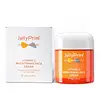
This brightening moisturizer is formulated around 3-O-Ethyl Ascorbic Acid and Ascorbic Acid to brighten dull-looking skin and fade the look of dark spots.
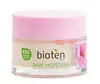
This barrier-repair moisturizer is formulated around Panthenol to strengthen the skin barrier and hydrate skin.


What's inside
What's inside
 Key Ingredients
Benefits
Concerns
Ingredients Side-by-side
Water
Skin ConditioningPropylene Glycol
Humectant


Ethylhexyl Isononanoate
EmollientEthylene/Propylene Copolymer
Abrasive
Glycol Palmitate
Emulsifying
Ethyl Aspartate
Skin ConditioningSorbitan Olivate
Emulsifying
Cyclomethicone
Emollient
Disiloxane
Skin Conditioning
Alcohol
Antimicrobial


Asparagus Officinalis Extract
Skin Conditioning3-O-Ethyl Ascorbic Acid
Skin Conditioning





Ascorbic Acid
Antioxidant


Xanthan Gum
EmulsifyingGlucose
Humectant
Isopropyl Alcohol
Solvent
Methyl Benzophenone
Stabilising1,2-Hexanediol
Skin Conditioning
Water, Propylene Glycol, Ethylhexyl Isononanoate, Ethylene/Propylene Copolymer, Glycol Palmitate, Ethyl Aspartate, Sorbitan Olivate, Cyclomethicone, Disiloxane, Alcohol, Asparagus Officinalis Extract, 3-O-Ethyl Ascorbic Acid, Ascorbic Acid, Xanthan Gum, Glucose, Isopropyl Alcohol, Methyl Benzophenone, 1,2-Hexanediol
Water
Skin ConditioningGlycerin
Humectant
C13-15 Alkane
SolventCaprylic/Capric Triglyceride
Masking
Phenyl Trimethicone
Skin Conditioning
Sodium Acrylates Copolymer
Propanediol
Solvent
Sodium Polyacryloyldimethyl Taurate
Emulsion StabilisingPanthenol
Skin Conditioning
Glyceryl Oleate Citrate
Emulsifying
Lecithin
Emollient
Ethylhexylglycerin
Skin ConditioningParfum
Masking

Tocopheryl Acetate
Antioxidant
Disodium EDTA
ChelatingAllantoin
Skin Conditioning
Alpha-Glucan Oligosaccharide
Cleansing
Bisabolol
Antioxidant
Diethylhexyl Syringylidenemalonate
Skin Protecting
Glyceryl Laurate
Emollient
PEG-8
HumectantPentylene Glycol
Skin Conditioning
Tocopherol
Antioxidant
Citric Acid
Buffering
Fructose
Humectant
Sodium Hydroxide
BufferingUrea
Buffering
Xanthan Gum
EmulsifyingCaprylyl Glycol
Emollient
Hydrolyzed Wheat Protein
Skin ConditioningSodium Hyaluronate
Humectant
Ascorbyl Palmitate
Antioxidant
Hydrolyzed Soy Protein
Humectant
Maltose
MaskingSodium Chloride
MaskingSodium Lactate
Buffering
Sodium PCA
Humectant
Trehalose
Humectant
Butylene Glycol
Humectant
Ascorbic Acid
Antioxidant
Pectin
Emulsion StabilisingGlucose
Humectant
Arginine
Masking
Proline
Skin Conditioning
Serine
Masking
Crocus Sativus Flower Extract
MaskingCaramel
Cosmetic ColorantChondrus Crispus Powder
Abrasive
Phenoxyethanol
Preservative
Linalool
Perfuming
Alpha-Isomethyl Ionone
Perfuming
Hexyl Cinnamal
Perfuming
Limonene
Perfuming
Benzyl Benzoate
Antimicrobial
Benzyl Salicylate
Perfuming
Sodium Benzoate
Masking
Potassium Sorbate
Preservative
Water, Glycerin, C13-15 Alkane, Caprylic/Capric Triglyceride, Phenyl Trimethicone, Sodium Acrylates Copolymer, Propanediol, Sodium Polyacryloyldimethyl Taurate, Panthenol, Glyceryl Oleate Citrate, Lecithin, Ethylhexylglycerin, Parfum, Tocopheryl Acetate, Disodium EDTA, Allantoin, Alpha-Glucan Oligosaccharide, Bisabolol, Diethylhexyl Syringylidenemalonate, Glyceryl Laurate, PEG-8, Pentylene Glycol, Tocopherol, Citric Acid, Fructose, Sodium Hydroxide, Urea, Xanthan Gum, Caprylyl Glycol, Hydrolyzed Wheat Protein, Sodium Hyaluronate, Ascorbyl Palmitate, Hydrolyzed Soy Protein, Maltose, Sodium Chloride, Sodium Lactate, Sodium PCA, Trehalose, Butylene Glycol, Ascorbic Acid, Pectin, Glucose, Arginine, Proline, Serine, Crocus Sativus Flower Extract, Caramel, Chondrus Crispus Powder, Phenoxyethanol, Linalool, Alpha-Isomethyl Ionone, Hexyl Cinnamal, Limonene, Benzyl Benzoate, Benzyl Salicylate, Sodium Benzoate, Potassium Sorbate
Reviews
Alternatives
Ingredients Explained
These ingredients are found in both products.
Ingredients higher up in an ingredient list are typically present in a larger amount.
Ascorbic Acid is is pure Vitamin C and is the biologically active form used directly by skin.
Not only is vitamin C great for your overall health and immune system, but it also has plenty of benefits for your skin. It is best supported by academic literature for:
Topical vitamin C has been shown to help neutralize oxidative stress from UV and pollution, helping to improve photoaging and hyperpigmentation when used consistently.
One clinical study found that using 5% topical vitamin C for six months improved signs of photodamaged skin, both on the surface and in the deeper structural layers of the skin.
While vitamin C doesn’t replace sunscreen, studies show it can boost photoprotection when combined with Vitamin E and ferulic acid. These two ingredients help improve stability and protective effects.
The big downside of this ingredient is formulation difficulty. Vitamin C is prone to oxidation and doesn't penetrate the skin unless formulated correctly. Research found that vitamin C absorbs into the skin best at a low pH (< 3.5) with about 20% being the upper limit for effective absorption.
Skin levels can saturate after repeated application; this means your skin won’t keep absorbing more once it’s full of vitamin C. This is why more isn’t always better with vitamin C and why very high concentrations don’t necessarily give extra benefits.
Ascorbic acid generally works well with many skincare ingredients but can be irritating when combined with other active ingredients. Strong oxidizing acne treatments like benzoyl peroxide can reduce the effectiveness of vitamin C if they are used at the same time; they are often recommended for use at different times of day.
Read more about other types of Vitamin C:
Foods rich with vitamin C include oranges, strawberries, broccoli, bell peppers, and more. When consuming Vitamin C, your skin receives a portion of the nutrients.
Learn more about Ascorbic AcidGlucose is a simple sugar (a monosaccharide). In skincare, it is mostly a humectant and skin conditioning agent.
Mechanistically, it has multiple hydroxyl groups that hydrogen-bond to water. This pulls moisture into the upper layers of skin to keep the surface soft and hydrated.
It's worth knowing sugars are already a natural component of the skin's NMF (natural moisturizing factor) so it's a molecule that your stratum corneum is well-acquainted with.
Just so you know, glucose is hydrophilic (water-loving) and the stratum corneum is a strong barrier to hydrophilic compounds. This just means penetration is slow and most of the action is happening on the surface.
Gram-to-gram, glucose is not as efficient as a humectant as glycerin. This is why you'll likely see glycose paired with stronger humectants for a bigger hydration payoff.
In skincare, glucose is typically derived from corn or other starch sources.
Learn more about GlucoseWater. It's the most common cosmetic ingredient of all. You'll usually see it at the top of ingredient lists, meaning that it makes up the largest part of the product.
So why is it so popular? Water most often acts as a solvent - this means that it helps dissolve other ingredients into the formulation.
You'll also recognize water as that liquid we all need to stay alive. If you see this, drink a glass of water. Remember to stay hydrated!
Learn more about WaterXanthan gum is used as a stabilizer and thickener within cosmetic products. It helps give products a sticky, thick feeling - preventing them from being too runny.
On the technical side of things, xanthan gum is a polysaccharide - a combination consisting of multiple sugar molecules bonded together.
Xanthan gum is a pretty common and great ingredient. It is a natural, non-toxic, non-irritating ingredient that is also commonly used in food products.
Learn more about Xanthan Gum

