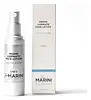
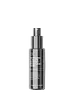
Jan Marini Luminate Face Lotion Versus Allies of Skin Tranexamic & Arbutin Advanced Brightening Serum
This brightening moisturizer is formulated around Alpha-Arbutin and Hexylresorcinol to fade the look of dark spots and brighten dull-looking skin.
This brightening serum is formulated around Tranexamic Acid and Alpha-Arbutin to fade the look of dark spots and brighten dull-looking skin.

What's inside
What's inside
 Key Ingredients
Benefits
Concerns
Ingredients Side-by-side
Water
Skin ConditioningGlyceryl Stearate
Emollient

Caprylic/Capric Triglyceride
Masking


Glycerin
Humectant
Propanediol
Solvent
C12-15 Alkyl Benzoate
AntimicrobialCyclopentasiloxane
Emollient
Dimethicone
Emollient
Cetyl Alcohol
Emollient
Butylene Glycol
Humectant
PEG-100 Stearate
Surfactant
Alpha-Arbutin
Antioxidant



Dipotassium Glycyrrhizate
Humectant

Epigallocatechin Gallate
Antioxidant
Hexylresorcinol
Antimicrobial
Polymethylsilsesquioxane
Beta Vulgaris Root Extract
Skin ConditioningHydrolyzed Corn Starch
HumectantTetrahydrodiferuloylmethane
Antioxidant
Nonapeptide-1
Skin Conditioning
Retinol
Skin Conditioning





Bisabolol
Antioxidant
Tocopheryl Acetate
Antioxidant
Aluminum Starch Octenylsuccinate
Absorbent
Sodium Acrylates Copolymer
Lecithin
Emollient
Sorbitan Stearate
Emulsifying
Xanthan Gum
EmulsifyingSclerotium Gum
Emulsion StabilisingPolysorbate 20
Emulsifying
Sodium Hydroxide
BufferingCaprylyl Glycol
Emollient
Ethylhexylglycerin
Skin ConditioningHexylene Glycol
EmulsifyingHydrolyzed Caesalpinia Spinosa Gum
AbsorbentCaesalpinia Spinosa Gum
Skin ConditioningDextran
Potassium Sorbate
Preservative
Phenoxyethanol
Preservative
Water, Glyceryl Stearate, Caprylic/Capric Triglyceride, Glycerin, Propanediol, C12-15 Alkyl Benzoate, Cyclopentasiloxane, Dimethicone, Cetyl Alcohol, Butylene Glycol, PEG-100 Stearate, Alpha-Arbutin, Dipotassium Glycyrrhizate, Epigallocatechin Gallate, Hexylresorcinol, Polymethylsilsesquioxane, Beta Vulgaris Root Extract, Hydrolyzed Corn Starch, Tetrahydrodiferuloylmethane, Nonapeptide-1, Retinol, Bisabolol, Tocopheryl Acetate, Aluminum Starch Octenylsuccinate, Sodium Acrylates Copolymer, Lecithin, Sorbitan Stearate, Xanthan Gum, Sclerotium Gum, Polysorbate 20, Sodium Hydroxide, Caprylyl Glycol, Ethylhexylglycerin, Hexylene Glycol, Hydrolyzed Caesalpinia Spinosa Gum, Caesalpinia Spinosa Gum, Dextran, Potassium Sorbate, Phenoxyethanol
Water
Skin ConditioningCaprylic/Capric Triglyceride
Masking
C13-15 Alkane
SolventTranexamic Acid
Astringent
Glycerin
Humectant
Alpha-Arbutin
Antioxidant
Pentylene Glycol
Skin Conditioning
Tocopheryl Acetate
Antioxidant
Palmaria Palmata Extract
Skin Protecting

Hydrolyzed Pea
Skin ConditioningAsparagopsis Armata Extract
Skin Protecting
Ascophyllum Nodosum Extract
Skin Conditioning
Glycyrrhiza Glabra Root Extract
Bleaching
Pancratium Maritimum Extract
BleachingGanoderma Lucidum Extract
Skin Protecting
Lentinus Edodes Extract
Skin ConditioningLactobacillus Ferment
Skin Conditioning
Hydrolyzed Pea Protein
EmollientDiacetyl Boldine
Skin Conditioning
Dipotassium Glycyrrhizate
Humectant
Lactobacillus
Skin ConditioningBisabolol
Antioxidant
Panthenol
Skin Conditioning
Tocopherol
Antioxidant
Glucose
Humectant
Arginine/Lysine Polypeptide
Skin Conditioning
Pentapeptide-34 Trifluoroacetate
Emollient
C14-22 Alcohols
Emulsion Stabilising
Xanthan Gum
EmulsifyingHydrogenated Starch Hydrolysate
HumectantHydroxyacetophenone
Antioxidant
Sorbitan Caprylate
Emulsifying1,2-Hexanediol
Skin Conditioning
Caprylyl Glycol
Emollient
C12-20 Alkyl Glucoside
EmulsifyingPropanediol
Solvent
Carbomer
Emulsion StabilisingSodium Phytate
ChelatingButylene Glycol
Humectant
Sodium Chloride
MaskingSodium Succinate
BufferingSorbic Acid
Preservative
Sodium Benzoate
Masking
Potassium Sorbate
Preservative
Phenoxyethanol
Preservative
Water, Caprylic/Capric Triglyceride, C13-15 Alkane, Tranexamic Acid, Glycerin, Alpha-Arbutin, Pentylene Glycol, Tocopheryl Acetate, Palmaria Palmata Extract, Hydrolyzed Pea, Asparagopsis Armata Extract, Ascophyllum Nodosum Extract, Glycyrrhiza Glabra Root Extract, Pancratium Maritimum Extract, Ganoderma Lucidum Extract, Lentinus Edodes Extract, Lactobacillus Ferment, Hydrolyzed Pea Protein, Diacetyl Boldine, Dipotassium Glycyrrhizate, Lactobacillus, Bisabolol, Panthenol, Tocopherol, Glucose, Arginine/Lysine Polypeptide, Pentapeptide-34 Trifluoroacetate, C14-22 Alcohols, Xanthan Gum, Hydrogenated Starch Hydrolysate, Hydroxyacetophenone, Sorbitan Caprylate, 1,2-Hexanediol, Caprylyl Glycol, C12-20 Alkyl Glucoside, Propanediol, Carbomer, Sodium Phytate, Butylene Glycol, Sodium Chloride, Sodium Succinate, Sorbic Acid, Sodium Benzoate, Potassium Sorbate, Phenoxyethanol
Reviews
Ingredients Explained
These ingredients are found in both products.
Ingredients higher up in an ingredient list are typically present in a larger amount.
Alpha-Arbutin is a brightening active used to fade dark spots, melasma, and post-acne marks. Structurally, it is a hydroquinone with a sugar molecule attached (but is much gentler than raw hydroquinone).
It has a pretty elegant way of working; it slots into tyrosinase, or the key enzyme that your skin uses to make melanin), and competitively blocks it so your skin produces less pigment over time.
There are two forms of arbutin and alpha is the better one to reach for: it works at lower amounts, absorbs into skin more easily, and has a strong safety record.
The science backs this up too: lab and animal studies confirm it lowers melanin by blocking tyosinase and the more you use (up to a point), the more it works.
Human studies look good too.
A 2024 trial found a cream with 5% alpha-arbutin and 2% kojic acid worked about as well as a prescription melasma cream but with fewer side effects. Another study showed 2% alpha-arbutin paired with 10% Trihydroxybenzoic Acid Glucoside and sunscreen faded dark spots and melasma without causing irritation.
Concentration-wise, most serums land in the 1-2% range.
The EU's Scientific Committee on Consumer Safety concluded that alpha-arbutin is safe in face creams up to 2% and body lotions up to 0.5%.
Overall, this is a well-studied and low-irritation brightener that's a great pick for anyone dealing with uneven skin tone. It also pairs well with vitamin C, niacinamide, and sunscreen.
Alpha-Arbutin is a brightening molecule with a sugar attached to it. That sugar makes it love water which is great for keeping products stable...but not so great for getting through your skin.
The outer layer of your skin is oily and waterproof by design so water-loving ingredients have a harder time getting past it.
Lab tests using real human skin show only a tiny fraction of the Alpha-Arbutin applied actually made it below the surface. Most of it just sat on top and eventually got washed or rubbed away.
So why bother?
Because it doesn't really need to go far. Pigment gets made just under the surface so even a small amount landing in the right place can slow it down. Studies where people used 2% Alpha-Arbutin along with sunscreen did see dark spots fade. Keep in mind it's just slow so expect months, not weeks.
You might have heard Alpha-Arbutin turns into hydroquinone (a much stronger, prescription-level brightener) once it's on your face. It can happen in theory since bacteria on your skin can break that sugar off.
But the amount was almost nothing when researchers actually measured it on real people. That's why European safety regulators looked at all of this in 2023 and said 2% for face products and 0.5% for body products is fine.
We can tell you a product has Alpha-Arbutin in it but nobody can tell you how much will absorb into your skin. Here's why:
This is why safety regulators test absorption on actual skin in a lab instead of trying to calculate it. If it could be predicted from an ingredient list, they'd do that.
Learn more about Alpha-ArbutinBisabolol is a gentle skin conditioner, antioxidant, and soothing ingredient.
It's primary claim to fame is soothing and research shows topically applied bisabolol can quiet the chemical messengers that cause your skin to become inflamed, helping to sooth any irritation.
A clinical study found that applying 0.5% bisabolol daily for 8 weeks produced an average 9% decrease in skin pigmentation. Researchers found it can also suppress the process that leads to excess melanin production in skin.
In vitro studies found that bisabolol combined with propylene glycol significantly increased skin permeability by increasing lipid fluidity in the stratum corneum.
You'll likely see use concentrations quite low, usually 0.1-0.2%.
Overall, this is a well-tolerated ingredient that works well in formulas designed for sensitive, reactive, or post-procedure skin.
Learn more about BisabololButylene Glycol (or BG) is used within cosmetic products for a few different reasons:
Overall, Butylene Glycol is a safe and well-rounded ingredient that works well with other ingredients.
Though this ingredient works well with most skin types, some people with sensitive skin may experience a reaction such as allergic rashes, closed comedones, or itchiness.
Learn more about Butylene GlycolCaprylic/Capric Triglyceride (aka MCT Oil) is a lightweight emollient, solvent, and texture enhancer. It is considered a skin-softener by helping to prevent moisture loss.
Though it behaves like an oil, it is not technically one due to its chemical composition. One perk of this ingredient is that it is very stable, resistant to oxidation, and unlikely to go rancid.
In practice, that translates to a long shelf life and a consistently elegant skin feel.
While there is an assumption Caprylic Triglyceride can clog pores due to it being derived from coconut oil, there is no research supporting this. Just patch test if you have concerns.
Fractionated coconut oil and MCT Oil are both listed as Caprylic/Capric Triglyceride according to INCI. This is because INCI names are based on the ingredient’s final chemical composition and not its marketing name or source.
This ingredient is treated as the gold standard fungal acne safe oil. Even though it is coconut derived, the problematic lauric acid is stripped out.
This leaves just caprylic (C8) and capric (C10) acid. These chain lengths actually trend antifungal; a 2020 study found caprylic acid was enough to disrupt Malassezia furfur cell membrane, with a caprylic acid derivative damaging membrane structures at concentrations as low as 0.2%.
Learn more about Caprylic/Capric TriglycerideCaprylyl Glycol is a humectant, skin conditioner, emollient, and preservative booster derived from either caprylic acid or synthetically created.
Typical use levels vary from 0.3-1% as a preservative booster and go up to 2% to condition skin.
Because it is not a free-fatty acid, this ingredient is fungal acne safe (there's nothing for Malassezia to feed on).
Learn more about Caprylyl GlycolDipotassium Glycyrrhizate comes from licorice root.
Extracts of licorice have demonstrated to have antibacterial, anti‐inflammatory, antiviral, antioxidant properties.
One component, glabridin, has extra potent antioxidant and soothing properties. It has also been found to block pigmentation from UVB rays in guinea pigs.
Licorice Root also contains a flavonoid. Flavonoids are a natural substance from in plants. Flavonoids also have antioxidant properties.
Another component, glycyrrhizin, has been found to have anti-inflammatory and antimicrobial benefits. This may make licorice root extract effective at treating acne. However, more research is needed to support this.
Liquiritin is one of the flavone compounds found in licorice. It has been found to help lighten skin by preventing tyrosinase from reacting with tyrosine. When the two react, protein is converted to melanin. Melanin is the substance in your body that gives your features pigmentation.
Licorice root is native to Southern Europe and Asia. It has been used in traditional Chinese medicine to help with respiratory issues.
Learn more about Dipotassium GlycyrrhizateGlycerin (or glycerol) is a compound naturally found in your skin. It's a powerhouse humectant that pulls water into the stratum corneum.
Topically, glycerin does several things at once:
Your skin makes glycerin on its own (mostly from sebaceous oil breakdown) and shuttles it to your outermost layer of skin, or your epidermis, via aquaporin-3.
Aquaporin-3 is a transporter that is essential for normal skin hydration, elasticity, and repair. Interestingly, mice lacking in AQP3 have dry and less elastic skin that can be fully corrected with glycerin.
This ingredient is non-irritating, plays well with almost every ingredient, and works across all skin types. Typical use is anywhere between 3-10% but can go up to 79% in some leave-on products.
Just know very high concentrations (>40%) can feel tacky in low humidity.
Glycerin is the name for this ingredient in American English. British English uses Glycerol/Glycerine.
Learn more about GlycerinPhenoxyethanol is one of the most widely used preservatives in skincare (and for good reason!).
It has a large spectrum of antimicrobial activity and especially effective bacteria, yeast, and mold while only having a weak effect on your skin's natural microbiome.
On a cellular level, it disrupts the cell membranes of microbes by poking holes that make the cell leak. This shuts down the chemical reactions the microbe needs to make energy so it can no longer survive.
Another perk of this ingredient is that it stays functional across a wide pH range (3-10).
You'll often see it paired with boosters like Ethylhexylglycerin; one study showed that a 1:9 ratio of Ethylhexylglycerin to Phenoxyethanol damages bacterial membranes as effectively as doubling the Phenoxyethanol concentration on its own.
Typical use concentrations range from 0.3-1% depending on the formula, and this ingredient is capped at 1% int the EU.
Safety-wise, the fear mongering does not hold up to the evidence. The EU's Scientific Committee on Consumer Safety and FDA consider it safe as a preservative at up to 1%, including for children of all ages.
Adverse systemic effects only showed up in animal studies at exposures roughly 200x higher than what people get from cosmetics. And despite its very widespread use, this ingredient is a rare sensitizer and allergic reactions are uncommon.
Learn more about PhenoxyethanolPotassium Sorbate is a preservative used to prevent yeast and mold in products. It is commonly found in both cosmetic and food products.
This ingredient comes from potassium salt derived from sorbic acid. Sorbic acid is a natural antibiotic and effective against fungus.
Both potassium sorbate and sorbic acid can be found in baked goods, cheeses, dried meats, dried fruit, ice cream, pickles, wine, yogurt, and more.
You'll often find this ingredient used with other preservatives.
Learn more about Potassium SorbatePropanediol is an all-star ingredient. It softens, hydrates, and smooths the skin.
It’s often used to:
Propanediol is not likely to cause sensitivity and considered safe to use. It is derived from corn or petroleum with a clear color and no scent.
Learn more about PropanediolTocopheryl Acetate is a stable, shelf-friendly form of vitamin E.
Formulators love it because plain vitamin E oxidizes quickly once it hits air. This acetate version stays stable and resists going off, helping to extend a product's shelf life.
It's actually inactive on its own and works like a slow-release "storage" form; the enzymes in your skin called esterases gradually convert it into active vitamin E over time.
One in vivo study showed 5% of the acetate in the living layer of the epidermis converted to vitamin E after 5 days of application. This study also found the skin gained protection against UV damage even though the conversion was slow and small.
Once converted, vitamin E acts as a skin's main fat-soluble antioxidant that fights free radicals to protect skin from damage.
Topical vitamin E generally boosts the skin's photoprotection, and it reduced UV-damage in animal models.
This ingredient has some brightening potential but it's more of a prevention ingredient than spot-fader. Cell studies show it can slow down melanin production but it's worth noting that it's not the most powerful brightener out there.
Overall, it has a pretty solid safety profile and has been found to be non-irritating and non-comedogenic. Allergic reactions may happen but stay rare due to how widely the ingredient gets used.
The concentration will vary depending on the formula; industry data shows 0.1% in baby lotions, 3% in lipsticks, and 5% in foot powders. You can also find this ingredient at 100% in a pure vitamin E oil.
Most leave-on skincare keeps it at the lower end, often between 0.5-1%.
Learn more about Tocopheryl AcetateWater. It's the most common cosmetic ingredient of all. You'll usually see it at the top of ingredient lists, meaning that it makes up the largest part of the product.
So why is it so popular? Water most often acts as a solvent - this means that it helps dissolve other ingredients into the formulation.
You'll also recognize water as that liquid we all need to stay alive. If you see this, drink a glass of water. Remember to stay hydrated!
Learn more about WaterXanthan gum is used as a stabilizer and thickener within cosmetic products. It helps give products a sticky, thick feeling - preventing them from being too runny.
On the technical side of things, xanthan gum is a polysaccharide - a combination consisting of multiple sugar molecules bonded together.
Xanthan gum is a pretty common and great ingredient. It is a natural, non-toxic, non-irritating ingredient that is also commonly used in food products.
Learn more about Xanthan Gum

