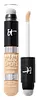
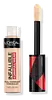
IT Cosmetics Bye Bye Dark Spots Concealer + Serum Versus L'Oreal Infallible Full Wear Waterproof Concealer


What's inside
What's inside
 Key Ingredients
Benefits
Concerns
Ingredients Side-by-side
Water
Skin ConditioningCoco-Caprylate/Caprate
Emollient

Hydrogenated Polyisobutene
EmollientGlycerin
Humectant


Propanediol
Solvent
Propylene Glycol
Humectant

Sorbitan Isostearate
Emulsifying
Polyglyceryl-6 Polyricinoleate
Emulsifying
Niacinamide
Smoothing









Synthetic Fluorphlogopite
Hydroxyethylpiperazine Ethane Sulfonic Acid
BufferingPhenoxyethanol
Preservative
Magnesium Sulfate
Disodium Stearoyl Glutamate
CleansingParaffin
Perfuming
Hydroxyacetophenone
Antioxidant
Disteardimonium Hectorite
StabilisingMicrocrystalline Wax
Emulsion StabilisingCaprylyl Glycol
Emollient
Silica Silylate
Emollient
Silica
Abrasive
Synthetic Wax
Abrasive
Caffeine
Skin Conditioning
Centella Asiatica Extract
Cleansing
Trisodium Ethylenediamine Disuccinate
Aluminum Hydroxide
EmollientTocopherol
Antioxidant
Adenosine
Skin Conditioning
Sodium Hyaluronate
Humectant
Hydrated Silica
Abrasive
Helianthus Annuus Seed Oil
Emollient
Methicone
Emollient
CI 77891
Cosmetic ColorantCI 77491
Cosmetic ColorantCI 77492
Cosmetic ColorantCI 77499
Cosmetic ColorantCI 77007
Cosmetic ColorantCI 15985
Cosmetic ColorantCI 42090
Cosmetic ColorantCI 45410
Cosmetic ColorantCI 15850
Cosmetic ColorantWater, Coco-Caprylate/Caprate, Hydrogenated Polyisobutene, Glycerin, Propanediol, Propylene Glycol, Sorbitan Isostearate, Polyglyceryl-6 Polyricinoleate, Niacinamide, Synthetic Fluorphlogopite, Hydroxyethylpiperazine Ethane Sulfonic Acid, Phenoxyethanol, Magnesium Sulfate, Disodium Stearoyl Glutamate, Paraffin, Hydroxyacetophenone, Disteardimonium Hectorite, Microcrystalline Wax, Caprylyl Glycol, Silica Silylate, Silica, Synthetic Wax, Caffeine, Centella Asiatica Extract, Trisodium Ethylenediamine Disuccinate, Aluminum Hydroxide, Tocopherol, Adenosine, Sodium Hyaluronate, Hydrated Silica, Helianthus Annuus Seed Oil, Methicone, CI 77891, CI 77491, CI 77492, CI 77499, CI 77007, CI 15985, CI 42090, CI 45410, CI 15850
Water
Skin ConditioningUndecane
EmollientGlycerin
Humectant
Dimethicone
Emollient
Polyglyceryl-4 Isostearate
Emulsifying
Synthetic Fluorphlogopite
Pentylene Glycol
Skin Conditioning
Butylene Glycol
Humectant
Tridecane
Perfuming
Cetyl PEG/PPG-10/1 Dimethicone
Emulsifying
Hexyl Laurate
Emollient
Magnesium Sulfate
Polyhydroxystearic Acid
Emulsifying
Octyldodecanol
Emollient
Disteardimonium Hectorite
StabilisingDisodium Stearoyl Glutamate
CleansingCellulose Gum
Emulsion StabilisingEthylhexylglycerin
Skin ConditioningSilica Silylate
Emollient
Acrylonitrile/Methyl Methacrylate/Vinylidene Chloride Copolymer
Parfum
Masking
Trihydroxystearin
Skin Conditioning
Aluminum Hydroxide
EmollientAcetylated Glycol Stearate
Emollient
Isobutane
Hexyl Cinnamal
Perfuming

Benzyl Salicylate
Perfuming
Linalool
Perfuming
Alpha-Isomethyl Ionone
Perfuming
Benzyl Alcohol
Perfuming
Tocopherol
Antioxidant
Citronellol
Perfuming
Helianthus Annuus Seed Oil
Emollient
Pentaerythrityl Tetra-Di-T-Butyl Hydroxyhydrocinnamate
Antioxidant
CI 77891
Cosmetic ColorantCI 77491
Cosmetic ColorantCI 77492
Cosmetic ColorantCI 77499
Cosmetic ColorantCI 77510
Cosmetic ColorantWater, Undecane, Glycerin, Dimethicone, Polyglyceryl-4 Isostearate, Synthetic Fluorphlogopite, Pentylene Glycol, Butylene Glycol, Tridecane, Cetyl PEG/PPG-10/1 Dimethicone, Hexyl Laurate, Magnesium Sulfate, Polyhydroxystearic Acid, Octyldodecanol, Disteardimonium Hectorite, Disodium Stearoyl Glutamate, Cellulose Gum, Ethylhexylglycerin, Silica Silylate, Acrylonitrile/Methyl Methacrylate/Vinylidene Chloride Copolymer, Parfum, Trihydroxystearin, Aluminum Hydroxide, Acetylated Glycol Stearate, Isobutane, Hexyl Cinnamal, Benzyl Salicylate, Linalool, Alpha-Isomethyl Ionone, Benzyl Alcohol, Tocopherol, Citronellol, Helianthus Annuus Seed Oil, Pentaerythrityl Tetra-Di-T-Butyl Hydroxyhydrocinnamate, CI 77891, CI 77491, CI 77492, CI 77499, CI 77510
Reviews
Ingredients Explained
These ingredients are found in both products.
Ingredients higher up in an ingredient list are typically present in a larger amount.
Aluminum Hydroxide is a form of aluminum. It can be naturally found in nature as the mineral gibbsite. In cosmetics, Aluminum Hydroxide is used as a colorant, pH adjuster, and absorbent.
As a colorant, Aluminum Hydroxide may add opacity, or reduce the transparency. Aluminum hydroxide is contains both basic and acidic properties.
According to manufacturers, this ingredient is an emollient and humectant. This means it helps hydrate the skin.
In medicine, this ingredient is used to help relieve heartburn and help heal ulcers.
There is currently no credible scientific evidence linking aluminum hydroxide in cosmetics to increased cancer risk.
Major health organizations allow the use of aluminum hydroxide in personal care products and have not flagged it as a carcinogenic risk at typical usage levels.
Learn more about Aluminum HydroxideCi 77491 is also hydrated iron III oxide. It's sole purpose is to give a red/pink hue to products.
Iron III oxides are classified as inorganic chemicals for coloring.
Synthetically created Ci 77491 is considered safer than those naturally found. This is because the synthetically created version may contain less impurities. Iron oxides are generally non-toxic and non-allergenic.
Learn more about CI 77491CI 77492 is also hydrated iron III oxide. It's sole purpose is to give a yellow hue to products.
Iron III oxides are classified as inorganic chemicals for coloring.
Synthetically created CI 77492 is considered safer than those naturally found. This is because the synthetically created version may contain less impurities. Iron oxides are generally non-toxic and non-allergenic.
Learn more about CI 77492Ci 77499 is also hydrated iron III oxide. It is created from mixing red and black iron oxides. This helps give shades of darkness to a product.
Iron III oxides are classified as inorganic chemicals for coloring.
Ci 77891 is a white pigment from Titanium dioxide. It is naturally found in minerals such as rutile and ilmenite.
It's main function is to add a white color to cosmetics. It can also be mixed with other colors to create different shades.
Ci 77891 is commonly found in sunscreens due to its ability to block UV rays.
Learn more about CI 77891DSG is used as a surfactant.
Surfactants are cleansing ingredients that help remove oil, dirt, and other impurities from the skin. They work by reducing surface tension between water and oils/dirt to allow them to be easily rinsed away.
Disteardimonium Hectorite comes from the clay mineral named hectorite. It is used to add thickness to a product.
It can also help stabilize a product by helping to disperse other ingredients.
Hectorite is a rare, white clay mineral.
Learn more about Disteardimonium HectoriteGlycerin (or glycerol) is a compound naturally found in your skin. It's a powerhouse humectant that pulls water into the stratum corneum.
Topically, glycerin does several things at once:
Your skin makes glycerin on its own (mostly from sebaceous oil breakdown) and shuttles it to your outermost layer of skin, or your epidermis, via aquaporin-3.
Aquaporin-3 is a transporter that is essential for normal skin hydration, elasticity, and repair. Interestingly, mice lacking in AQP3 have dry and less elastic skin that can be fully corrected with glycerin.
This ingredient is non-irritating, plays well with almost every ingredient, and works across all skin types. Typical use is anywhere between 3-10% but can go up to 79% in some leave-on products.
Just know very high concentrations (>40%) can feel tacky in low humidity.
Glycerin is the name for this ingredient in American English. British English uses Glycerol/Glycerine.
Learn more about GlycerinHelianthus Annuus Seed Oil is a plant oil derived from the seeds of a sunflower.
It is rich in fatty acids, primarily linoleic acid and oleic acid. This gives it emollient and skin conditioning properties.
The reason this ingredient is so effective is because it forms a thin film on the skin that reduces transepidermal water loss (TEWL) while supplying linoleic acid to the stratum corneum to improve barrier strength.
The high linoleic acid content is particularly noteworthy for acne-prone skin.
Research suggests that acne-prone skin tends to be deficient in linoleic acid in sebum. Topical application may help replenish this to support a healthier follicular environment and less comedone-promoting sebum.
One randomized study found sunflower seed oil preserved skin barrier integrity in adult volunteers with and without atopic dermatitis (outperforming olive oil).
This ingredient is well-studied, gentle, and an effective emollient suitable for most skin types.
On fungal acne: This ingredient may not be Fungal acne (Malassezia folliculitis) safe. This is because it contains fatty acids with carbon chain lengths in the C11-C24 range.
Learn more about Helianthus Annuus Seed OilMagnesium Sulfate is a salt. More specifically, it is an epsom salt, or the bath salt used to help relieve muscle aches.
Despite having ‘sulfate’ in the name, it isn’t a surfactant or cleansing agent like sodium lauryl sulfate. Unlike those sulfates, magnesium sulfate doesn’t have the same cleansing or foaming properties (it's simply a type of salt).
In cosmetics, Magnesium Sulfate is used to thicken a product or help dilute other solids. It is a non-reactive and non-irritating ingredient.
One study shows magnesium deficiency may lead to inflammation of the skin. Applying magnesium topically may help reduce inflammation.
You can find this ingredient in sea water or mineral deposits.
Learn more about Magnesium SulfateSilica Silylate is a siloxane polymer, meaning it is made up of silicon and oxygen atoms. It is not soluble in water.
This ingredient is a white powder with oil-absorbing, emollient, and anticaking properties.
Synthetic Fluorphlogopite is the synthethic version of mica. It consists of fluorine, aluminum and silicate.
Synthetic Fluorphlogopite is used to add volume to products.
It is considered non-irritating on the skin.
Learn more about Synthetic FluorphlogopiteTocopherol (also known as Vitamin E) is a common antioxidant used to help protect the skin from free-radicals and strengthen the skin barrier. It's also fat soluble - this means our skin is great at absorbing it.
Vitamin E also helps keep your natural skin lipids healthy. Your lipid skin barrier naturally consists of lipids, ceramides, and fatty acids. Vitamin E offers extra protection for your skin’s lipid barrier, keeping your skin healthy and nourished.
Another benefit is a bit of UV protection. Vitamin E helps reduce the damage caused by UVB rays. (It should not replace your sunscreen). Combining it with Vitamin C can decrease sunburned cells and hyperpigmentation after UV exposure.
You might have noticed Vitamin E + C often paired together. This is because it is great at stabilizing Vitamin C. Using the two together helps increase the effectiveness of both ingredients.
There are often claims that Vitamin E can reduce/prevent scarring, but these claims haven't been confirmed by scientific research.
Learn more about TocopherolWater. It's the most common cosmetic ingredient of all. You'll usually see it at the top of ingredient lists, meaning that it makes up the largest part of the product.
So why is it so popular? Water most often acts as a solvent - this means that it helps dissolve other ingredients into the formulation.
You'll also recognize water as that liquid we all need to stay alive. If you see this, drink a glass of water. Remember to stay hydrated!
Learn more about Water
