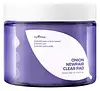
This calming exfoliating pad uses a pre-saturated pad with Allium Cepa Bulb Extract and Niacinamide to calm redness and fade the look of dark spots.
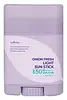
This chemical sunscreen covers the full UV range and blocks ~98% of UVB at SPF 50.

What's inside
What's inside
 Key Ingredients
Benefits
Concerns
No concerns
Ingredients Side-by-side
Allium Cepa Bulb Extract
Skin Conditioning


Butylene Glycol
Humectant

Glycerin
Humectant
Water
Skin Conditioning1,2-Hexanediol
Skin Conditioning
Niacinamide
Smoothing







Houttuynia Cordata Extract
Skin Conditioning
Sodium Heparin
Skin ConditioningPanthenol
Skin Conditioning
Allantoin
Skin Conditioning
Trehalose
Humectant
Sodium Hyaluronate
Humectant
Hydrolyzed Hyaluronic Acid
Humectant
Sodium Acetylated Hyaluronate
Humectant
Beta-Glucan
Skin Conditioning
Tranexamic Acid
Astringent
Sodium Ascorbyl Phosphate
Antioxidant

Gluconolactone
Chelating
Hydroxyethylcellulose
Emulsion StabilisingAdenosine
Skin Conditioning
Melia Azadirachta Flower Extract
Skin ConditioningCoccinia Indica Fruit Extract
Skin Conditioning
Citric Acid
Buffering

Ethylhexylglycerin
Skin ConditioningAllium Cepa Bulb Extract, Butylene Glycol, Glycerin, Water, 1,2-Hexanediol, Niacinamide, Houttuynia Cordata Extract, Sodium Heparin, Panthenol, Allantoin, Trehalose, Sodium Hyaluronate, Hydrolyzed Hyaluronic Acid, Sodium Acetylated Hyaluronate, Beta-Glucan, Tranexamic Acid, Sodium Ascorbyl Phosphate, Gluconolactone, Hydroxyethylcellulose, Adenosine, Melia Azadirachta Flower Extract, Coccinia Indica Fruit Extract, Citric Acid, Ethylhexylglycerin
Caprylyl Methicone
Skin Conditioning
Methyl Methacrylate Crosspolymer
Isopropyl Palmitate
Emollient



Dibutyl Adipate
EmollientSynthetic Wax
Abrasive
Coco-Caprylate/Caprate
Emollient
Butyloctyl Salicylate
Skin Conditioning

Silica
Abrasive
Vinyl Dimethicone/Methicone Silsesquioxane Crosspolymer
Diethylamino Hydroxybenzoyl Hexyl Benzoate
UV Filter
Bis-Ethylhexyloxyphenol Methoxyphenyl Triazine
UV Absorber
Ethylhexyl Triazone
UV Absorber
Microcrystalline Wax
Emulsion StabilisingPolysilicone-15
UV Filter
Ethylhexyl Palmitate
Emollient
Vinyldimethicone
Camellia Japonica Seed Oil
Emollient
Allium Cepa Bulb Extract
Skin Conditioning
Houttuynia Cordata Extract
Skin Conditioning
Cryptomeria Japonica Leaf Extract
HumectantNelumbo Nucifera Leaf Extract
Skin ConditioningSaccharomyces Ferment
Skin Conditioning
Polyglyceryl-4 Diisostearate/Polyhydroxystearate/Sebacate
Emulsifying
Polymethyl Methacrylate
Bisabolol
Antioxidant
Water
Skin ConditioningIsododecane
EmollientOctyldodecanol
Emollient
Adenosine
Skin Conditioning
Polyglyceryl-4 Isostearate
Emulsifying
Triethoxycaprylylsilane
Isopropyl Titanium Triisostearate
Emollient
Aluminum Hydroxide
Emollient1,2-Hexanediol
Skin Conditioning
Phytosterols
Skin Conditioning
Acetyl Glucosamine
Skin Conditioning
Allantoin
Skin Conditioning
Niacinamide
Smoothing
Butylene Glycol
Humectant
Zinc PCA
Humectant
CI 77007
Cosmetic ColorantCI 77891
Cosmetic ColorantCaprylyl Methicone, Methyl Methacrylate Crosspolymer, Isopropyl Palmitate, Dibutyl Adipate, Synthetic Wax, Coco-Caprylate/Caprate, Butyloctyl Salicylate, Silica, Vinyl Dimethicone/Methicone Silsesquioxane Crosspolymer, Diethylamino Hydroxybenzoyl Hexyl Benzoate, Bis-Ethylhexyloxyphenol Methoxyphenyl Triazine, Ethylhexyl Triazone, Microcrystalline Wax, Polysilicone-15, Ethylhexyl Palmitate, Vinyldimethicone, Camellia Japonica Seed Oil, Allium Cepa Bulb Extract, Houttuynia Cordata Extract, Cryptomeria Japonica Leaf Extract, Nelumbo Nucifera Leaf Extract, Saccharomyces Ferment, Polyglyceryl-4 Diisostearate/Polyhydroxystearate/Sebacate, Polymethyl Methacrylate, Bisabolol, Water, Isododecane, Octyldodecanol, Adenosine, Polyglyceryl-4 Isostearate, Triethoxycaprylylsilane, Isopropyl Titanium Triisostearate, Aluminum Hydroxide, 1,2-Hexanediol, Phytosterols, Acetyl Glucosamine, Allantoin, Niacinamide, Butylene Glycol, Zinc PCA, CI 77007, CI 77891
Reviews
Ingredients Explained
These ingredients are found in both products.
Ingredients higher up in an ingredient list are typically present in a larger amount.
1,2-Hexanediol is a synthetic liquid and another multi-functional powerhouse.
It is a:
- Humectant, drawing moisture into the skin
- Emollient, helping to soften skin
- Solvent, dispersing and stabilizing formulas
- Preservative booster, enhancing the antimicrobial activity of other preservatives
Adenosine is a purine nucleoside that your body already makes in every cell. In skincare, it acts mainly as a skin conditioning and anti-aging agent.
The way it works is fairly well mapped out:
Your skin has cells called fibroblasts that build collagen (the stuff that keeps skin firm and smooth). Adenosine basically flips a switch on these cells that tells them to get to work making more collagen and other proteins. These cells slow down on their own as skin ages, so Adenosine helps give them a little nudge to keep going.
The clinical backing is pretty solid too.
A blind, randomized, placebo-controlled trial of 126 women aged 45-65 tested a 0.1% cream twice daily and found real improvements in crow's feet and frown lines using a precise 3D skin-mapping technique; these changes showed up by week 3 and held at 2 months.
A later study using Adenosine-loaded dissolving microneedle patches reported gains in wrinkle depth, dermal density, elasticity, and hydration.
On concentrations, South Korea's Ministry of Food and Drug Safety has set 0.04% as the approved functional anti-wrinkle level. You'll typically see this ingredient used somewhere in the 0.04-0.1% range since it works at low doses.
This ingredient has been found safe for cosmetics with the data showing no irritation or sensitization.
Overall, this is a great ingredient for any anti-aging routine and has no photosensitizing effect, so it suits both AM and PM use.
Learn more about AdenosineAllantoin is a soothing ingredient known for its protective and moisturizing properties; it's basically a quiet workhorse ingredient you can find in a huge range of cosmetics.
Though it can be derived from the comfrey plant, allantoin is produced synthetically for cosmetic products to ensure purity.
Research shows it can encourage your skin cells to turn over and renew by stimulating keratinocyte and fibroblast proliferation.
It also has mild keratolytic properties to help loosen and shed dead skin cells without being harsh.
Studies also suggest allantoin can help calm inflammation by dialing down some of the chemical signals your skin sends out when it is irritated.
This ingredient is typically used in the 0.1-0.5% range, and the FDA recognizes it as a skin protectant in OTC products up to 2%.
Overall, allantoin is a wonderful addition to most routines; it is stable across a wide pH range (~4-8), works well with other ingredients, and is considered non-sensitizing/non-irritating.
Fun fact: Allantoin is naturally occurring in comfrey root, beets, chamomile, and wheat sprouts. Our bodies even produce it as a byproduct of uric acid metabolism.
Learn more about AllantoinRed onion extract? This ingredient not only benefits our diet but also offers numerous benefits for the skin.
Like many other plant extracts, red onion is loaded with antioxidants and nutrients. The red color of the onion comes from its high anthocyanin content - and anthocyanin is a potent antioxidant.
Besides being rich in antioxidants, red onions also contain sulfur, sugars, Vitamin C, and biotin.
A study from 2018 found onion extract to be just as effective as healing surgical scars as traditional silicone gel.
Another study from 2008 showed using this ingredient helped reduce surgical scar texture, redness, and overall appearance in 60 patients.
According to a manufacturer, this ingredient can help with the following:
Another manufacturer from Spain claims onion extract can inhibit the release of allergy hormones and prostaglandin, or lipids found near tissue damage and infection spots.
This ingredient is water-soluble.
Learn more about Allium Cepa Bulb ExtractButylene Glycol (or BG) is used within cosmetic products for a few different reasons:
Overall, Butylene Glycol is a safe and well-rounded ingredient that works well with other ingredients.
Though this ingredient works well with most skin types, some people with sensitive skin may experience a reaction such as allergic rashes, closed comedones, or itchiness.
Learn more about Butylene GlycolHouttuynia Cordata Extract is more commonly known as Heart Leaf, Fish Mint, or Chameleon plant.
The components found in Heart Leaf give it antioxidant, hydrating, antimicrobial, and anti-inflammatory properties.
Heart Leaf is rich in flavonoids such as quercetin, apigenin, and more. It also contains polysaccharides, the most common type of carbs in food.
Flavonoids have been shown to be effective antioxidants. They help neutralize free-radical molecules. Free-radical molecules are unstable molecules that may damage our skin cells and DNA. The flavonoids in Heart Leaf also help soothe the skin.
Polysaccharides are naturally found in our skin. They play a role in hydrating and repairing the top layer of skin. The polysaccharides in Heart Leaf help moisturize our skin.
Studies show decanoyl acetaldehyde, a component of Heart Leaf oil, is effective at killing bacteria.
The name 'Fish Mint' comes from the herb's natural fishy smell. Is is native to southeast Asia and used throughout the continent for traditional cooking and medicine.
Learn more about Houttuynia Cordata ExtractNiacinamide is a multitasking form of vitamin B3 that strengthens the skin barrier, reduces pores and dark spots, regulates oil, and improves signs of aging.
And the best part? It's gentle and well-tolerated by most skin types, including sensitive and reactive skin.
You might have heard of "niacin flush", or the reddening of skin that causes itchiness. Niacinamide has not been found to cause this.
In very rare cases, some individuals may not be able to tolerate niacinamide at all or experience an allergic reaction to it.
If you are experiencing flaking, irritation, and dryness with this ingredient, be sure to double check all your products as this ingredient can be found in all categories of skincare.
When incorporating niacinamide into your routine, look out for concentration amounts. Typically, 5% niacinamide provides benefits such as fading dark spots. However, if you have sensitive skin, it is better to begin with a smaller concentration.
When you apply niacinamide to your skin, your body converts it into nicotinamide adenine dinucleotide (NAD). NAD is an essential coenzyme that is already found in your cells as "fuel" and powers countless biological processes.
In your skin, NAD helps repair cell damage, produce new healthy cells, support collagen production, strengthen the skin barrier, and fight environmental stressors (like UV and pollution).
Our natural NAD levels start to decline with age, leading to slower skin repair, visible aging, and a weaker skin barrier. By providing your skin niacinamide, you're recharging your skin's NAD levels. This leads to stronger, healthier, and younger looking skin.
Another name for vitamin B3 is nicotinamide. This vitamin is water-soluble and our bodies don't store it. We obtain Vitamin B3 from either food or skincare. Meat, fish, wheat, yeast, and leafy greens contain vitamin B3.
The type of niacinamide used in skincare is synthetically created.
Learn more about NiacinamideWater. It's the most common cosmetic ingredient of all. You'll usually see it at the top of ingredient lists, meaning that it makes up the largest part of the product.
So why is it so popular? Water most often acts as a solvent - this means that it helps dissolve other ingredients into the formulation.
You'll also recognize water as that liquid we all need to stay alive. If you see this, drink a glass of water. Remember to stay hydrated!
Learn more about Water

