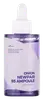
This calming ampoule is formulated around Allium Cepa Bulb Extract and Panthenol to calm redness and fade the look of dark spots.
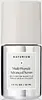
This anti-aging serum is formulated around Acetyl Hexapeptide-8 and Ferulic Acid to soften the look of wrinkles.


What's inside
What's inside
 Key Ingredients
Benefits
Concerns
No concerns
Ingredients Side-by-side
Allium Cepa Bulb Extract 85%
Skin Conditioning


Panthenol 5%
Skin Conditioning

1,2-Hexanediol
Skin Conditioning
Niacinamide
Smoothing







Trehalose
Humectant
Betaine
Humectant
Acrylates/C10-30 Alkyl Acrylate Crosspolymer
Emulsion StabilisingArginine
Masking
Butylene Glycol
Humectant
Caprylyl Glycol
Emollient
Water
Skin ConditioningAllantoin
Skin Conditioning
Pentylene Glycol
Skin Conditioning
Hydroxyacetophenone
Antioxidant
Caffeine
Skin Conditioning
Acetyl Glucosamine
Skin Conditioning
Melia Azadirachta Flower Extract
Skin ConditioningAdenosine
Skin Conditioning
Ammonium Acryloyldimethyltaurate/Vp Copolymer
Coccinia Indica Fruit Extract
Skin Conditioning
Disodium EDTA
Tranexamic Acid
Astringent
Sodium Hyaluronate
Humectant
Hydrolyzed Hyaluronic Acid
Humectant
Sodium Acetylated Hyaluronate
Humectant
Ferulic Acid
Antimicrobial
Allium Cepa Bulb Extract 85%, Panthenol 5%, 1,2-Hexanediol, Niacinamide, Trehalose, Betaine, Acrylates/C10-30 Alkyl Acrylate Crosspolymer, Arginine, Butylene Glycol, Caprylyl Glycol, Water, Allantoin, Pentylene Glycol, Hydroxyacetophenone, Caffeine, Acetyl Glucosamine, Melia Azadirachta Flower Extract, Adenosine, Ammonium Acryloyldimethyltaurate/Vp Copolymer, Coccinia Indica Fruit Extract, Disodium EDTA, Tranexamic Acid, Sodium Hyaluronate, Hydrolyzed Hyaluronic Acid, Sodium Acetylated Hyaluronate, Ferulic Acid
Water
Skin ConditioningPropanediol
Solvent
Caprylic/Capric Triglyceride
Masking
Isopentyldiol
Humectant
Ethylhexyl Polyhydroxystearate
EmollientSqualane
Emollient
Tetradecane
Perfuming

Glyceryl Stearate Citrate
Emollient

Butyrospermum Parkii Butter
Skin Conditioning


Polyglyceryl-3 Stearate
Emulsifying
Helianthus Annuus Extract
Emollient
Oryza Sativa Bran Extract
Skin Conditioning
Mannitol
Humectant
Phosphatidylcholine
EmulsifyingFerulic Acid
Antimicrobial
Arginine
Masking
Acetyl Hexapeptide-8
Humectant
Copper Palmitoyl Heptapeptide-14
Skin Conditioning
Palmitoyl Sh-Heptapeptide-12 Sp
Skin Conditioning
Hydrolyzed Collagen
Emollient
Rosmarinus Officinalis Leaf Extract
AntimicrobialLactic Acid/Glycolic Acid Copolymer
Skin ConditioningGlycerin
Humectant
Tocopherol
Antioxidant
Pullulan
Lysolecithin
EmulsifyingSclerotium Gum
Emulsion StabilisingHydroxyethyl Acrylate/Sodium Acryloyldimethyl Taurate Copolymer
Emulsion StabilisingDimethicone
Emollient
Sodium Phytate
Diglycerin
Humectant
Hydrogenated Lecithin
Emulsifying
Silica
Abrasive
Cetyl Alcohol
Emollient
Hydroxyacetophenone
Antioxidant
Polysorbate 60
Emulsifying
Sorbitan Isostearate
Emulsifying
Sodium Hydroxide
BufferingSodium Benzoate
Masking
Potassium Sorbate
Preservative
Polyvinyl Alcohol
Decyl Glucoside
Cleansing
Xanthan Gum
EmulsifyingTocopheryl Acetate
Antioxidant
Sodium Chloride
MaskingCitric Acid
Buffering
Phenoxyethanol
Preservative
Water, Propanediol, Caprylic/Capric Triglyceride, Isopentyldiol, Ethylhexyl Polyhydroxystearate, Squalane, Tetradecane, Glyceryl Stearate Citrate, Butyrospermum Parkii Butter, Polyglyceryl-3 Stearate, Helianthus Annuus Extract, Oryza Sativa Bran Extract, Mannitol, Phosphatidylcholine, Ferulic Acid, Arginine, Acetyl Hexapeptide-8, Copper Palmitoyl Heptapeptide-14, Palmitoyl Sh-Heptapeptide-12 Sp, Hydrolyzed Collagen, Rosmarinus Officinalis Leaf Extract, Lactic Acid/Glycolic Acid Copolymer, Glycerin, Tocopherol, Pullulan, Lysolecithin, Sclerotium Gum, Hydroxyethyl Acrylate/Sodium Acryloyldimethyl Taurate Copolymer, Dimethicone, Sodium Phytate, Diglycerin, Hydrogenated Lecithin, Silica, Cetyl Alcohol, Hydroxyacetophenone, Polysorbate 60, Sorbitan Isostearate, Sodium Hydroxide, Sodium Benzoate, Potassium Sorbate, Polyvinyl Alcohol, Decyl Glucoside, Xanthan Gum, Tocopheryl Acetate, Sodium Chloride, Citric Acid, Phenoxyethanol
Reviews
Ingredients Explained
These ingredients are found in both products.
Ingredients higher up in an ingredient list are typically present in a larger amount.
Arginine is a semi-essential amino acid. This just means our bodies can product a bit on its own, but sometimes needs a little boost from food sources.
It is a part of your skin's natural moisturizing factor (NMF), or the water-loving molecules in your outermost layer of skin (stratum corneum) that keeps everything hydrated and happy.
Here's an interesting thing about Arginine: your skin converts it into urea through the Krebs-Henseleit urea cycle. Urea is one of the most effective humectants your skin naturally produces.
A clinical study showed applying 2.5% arginine hydrochloride to atopic dermatitis skin showed significant urea levels in the stratum corneum and improved moisture in just four weeks.
Arginine is also a precursor to nitric oxide; nitric oxide improves microcirculation and supports wound healing and collagen synthesis.
One study found that an amino acid complex containing Arginine reduced skin irritation, improved hydration, and accelerated skin repair in clinical / in-vivo studies.
Arginine itself is an amino acid and not a fatty acid, oil, or ester. On its own, it's not a direct food source for Malassezia, or the yeast that causes fungal acne.
Learn more about ArginineFerulic Acid is a plant based antioxidant that can be naturally found in the cell walls of grains like rice, oats, and corn. It has antioxidant and antimicrobial properties, and has the ability to boost the performance of other antioxidants as well.
A well-known study found that adding Ferulic Acid to a solution of Vitamins C and E doubled the photoprotection of skin. This is why you'll often see it paired with Vitamin C or Vitamin E serums rather than sold on its own.
A 2025 review of 18 human studies found that using Ferulic Acid (0.5-1%) daily for one to three months showed improvements in:
As far as allergies go, Ferulic acid is generally well-tolerated but can cause an allergic reaction in very rare cases. It's also worth noting that Ferulic acid is often extracted from plant sources like rice bran or wheat bran, so be sure to path test if you have known grain allergies.
Outside of skincare, researchers are also looking into Ferulic Acid for its potential benefits in areas like diabetes, Alzheimer's, and heart health.
Learn more about Ferulic AcidHydroxyacetophenone is a small phenolic molecule that earns its place in a formulas as an antioxidant and preservative booster.
As a phenol, it is able to neutralize free radicals to protect both the product and the skin from oxidative stress.
Though it can't kill microbes on its own, it works as a good supporting agent when combined with other preservatives like Phenoxyethanol or 1,2-Hexanediol.
This ingredient naturally occurs as piceol in Norwegian spruce needles (~0.4-1.1% dry weight and in cloudberries). Though the cosmetic-grade material is synthesized for purity and consistency.
You'll usually see it used at low levels and suppliers recommend up to 1% added to a water phase.
Safety testing was done at concentrations like 0.05% in SPF products and 0.5% in a Human Repeated Insult Patch Test. The safety evidence is assuring; this ingredient is safe for cosmetics in current use and also holds safety status as a food flavoring as well.
An honest caveat: the "soothing" and "anti-inflammatory" claims come mostly from supplier marketing rather than published clinical trials. The Cosmetic Ingredient Review's own literature search found no useful efficacy studies on this ingredient.
So the antioxidant and preservative-boosting roles are the well supported ones while the calming benefit is plausible but thinly evidenced.
Overall, this is a well-tolerated, low-irritation multitasker that quietly helps a formula stay fresh and stable.
Learn more about HydroxyacetophenoneWater. It's the most common cosmetic ingredient of all. You'll usually see it at the top of ingredient lists, meaning that it makes up the largest part of the product.
So why is it so popular? Water most often acts as a solvent - this means that it helps dissolve other ingredients into the formulation.
You'll also recognize water as that liquid we all need to stay alive. If you see this, drink a glass of water. Remember to stay hydrated!
Learn more about Water

