

What's inside
What's inside
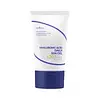 Key Ingredients
Benefits
Concerns
Ingredients Side-by-side
Water
Skin ConditioningHomosalate
Skin Conditioning

Butyloctyl Salicylate
Skin Conditioning
Ethylhexyl Salicylate
UV Absorber
Butylene Glycol
Humectant
Diethylhexyl 2,6-Naphthalate
EmollientButyl Methoxydibenzoylmethane
UV Absorber
Niacinamide
Smoothing










C20-22 Alkyl Phosphate
EmulsifyingC20-22 Alcohols
Emulsion Stabilising1,2-Hexanediol
Skin Conditioning
Acrylates Copolymer
Pentylene Glycol
Skin ConditioningPolymethylsilsesquioxane

Centella Asiatica Extract
Cleansing
Portulaca Oleracea Extract
Skin Conditioning
Houttuynia Cordata Extract
Skin Conditioning
Nymphaea Alba Flower Extract
Skin ConditioningSodium Hyaluronate
Humectant
Cetyl Alcohol
Emollient

Poly C10-30 Alkyl Acrylate
Emulsion StabilisingGlyceryl Stearate
Emollient
Vp/Eicosene Copolymer
Silica
Abrasive

Tromethamine
BufferingPolyacrylate Crosspolymer-6
Emulsion StabilisingPropanediol
Solvent
Ethylhexylglycerin
Skin ConditioningXanthan Gum
EmulsifyingAdenosine
Skin Conditioning
Dimethylsilanol Hyaluronate
HumectantHydrolyzed Sodium Hyaluronate
Skin Conditioning
Hydrolyzed Hyaluronic Acid
Humectant
Potassium Hyaluronate
Skin ConditioningHyaluronic Acid
Humectant
Sodium Hyaluronate Crosspolymer
Humectant
Hydroxypropyltrimonium Hyaluronate
Sodium Hyaluronate Dimethylsilanol
HumectantSodium Acetylated Hyaluronate
Humectant
Ectoin
Skin Conditioning
Tocopherol
Antioxidant

Beta-Glucan
Skin Conditioning
Dipropylene Glycol
HumectantSodium Palmitoyl Proline
Skin ConditioningGlycerin
Humectant
Water, Homosalate, Butyloctyl Salicylate, Ethylhexyl Salicylate, Butylene Glycol, Diethylhexyl 2,6-Naphthalate, Butyl Methoxydibenzoylmethane, Niacinamide, C20-22 Alkyl Phosphate, C20-22 Alcohols, 1,2-Hexanediol, Acrylates Copolymer, Pentylene Glycol, Polymethylsilsesquioxane, Centella Asiatica Extract, Portulaca Oleracea Extract, Houttuynia Cordata Extract, Nymphaea Alba Flower Extract, Sodium Hyaluronate, Cetyl Alcohol, Poly C10-30 Alkyl Acrylate, Glyceryl Stearate, Vp/Eicosene Copolymer, Silica, Tromethamine, Polyacrylate Crosspolymer-6, Propanediol, Ethylhexylglycerin, Xanthan Gum, Adenosine, Dimethylsilanol Hyaluronate, Hydrolyzed Sodium Hyaluronate, Hydrolyzed Hyaluronic Acid, Potassium Hyaluronate, Hyaluronic Acid, Sodium Hyaluronate Crosspolymer, Hydroxypropyltrimonium Hyaluronate, Sodium Hyaluronate Dimethylsilanol, Sodium Acetylated Hyaluronate, Ectoin, Tocopherol, Beta-Glucan, Dipropylene Glycol, Sodium Palmitoyl Proline, Glycerin
Aloe Barbadensis Leaf Extract
Emollient
Camellia Sinensis Leaf Extract
Antimicrobial
Glycyrrhiza Glabra Root Extract
Bleaching
Daucus Carota Sativa Seed Extract
Emollient
Niacinamide
Smoothing
Rubus Idaeus Seed Oil
Emollient
Isododecane
EmollientDimethicone/Bis-Isobutyl PPG-20 Crosspolymer
Emollient
Butyloctyl Salicylate
Skin Conditioning
Caprylic/Capric Triglyceride
Masking
Tridecyl Salicylate
Skin ConditioningCamellia Sinensis Extract
Antioxidant
Citrullus Lanatus Fruit Extract
Skin Conditioning
Daucus Carota Sativa Extract
Perfuming
Helianthus Annuus Flower
Skin ConditioningPunica Granatum Extract
AstringentRosmarinus Officinalis Extract
AntimicrobialTetrahexyldecyl Ascorbate
Antioxidant

Tocopherol
Antioxidant
Butyl Methoxydibenzoylmethane
UV Absorber
Homosalate
Skin Conditioning
Octocrylene
UV Absorber
Ethylhexyl Salicylate
UV Absorber
Aloe Barbadensis Leaf Extract, Camellia Sinensis Leaf Extract, Glycyrrhiza Glabra Root Extract, Daucus Carota Sativa Seed Extract, Niacinamide, Rubus Idaeus Seed Oil, Isododecane, Dimethicone/Bis-Isobutyl PPG-20 Crosspolymer, Butyloctyl Salicylate, Caprylic/Capric Triglyceride, Tridecyl Salicylate, Camellia Sinensis Extract, Citrullus Lanatus Fruit Extract, Daucus Carota Sativa Extract, Helianthus Annuus Flower, Punica Granatum Extract, Rosmarinus Officinalis Extract, Tetrahexyldecyl Ascorbate, Tocopherol, Butyl Methoxydibenzoylmethane, Homosalate, Octocrylene, Ethylhexyl Salicylate
Reviews
Ingredients Explained
These ingredients are found in both products.
Ingredients higher up in an ingredient list are typically present in a larger amount.
Also known as Avobenzone, this ingredient is a chemical sunscreen filter that provides protection in the UV-A range.
Avobenzone is globally approved and is the most commonly used UV-A filter in the world.
Studies have found that avobenzone becomes ineffective when exposed to UV light (it is not photostable; meaning that it breaks down in sunlight). Because of this, formulations that include avobenzone will usually contain stabilizers such as octocrylene.
However, some modern formulations (looking at you, EU!) are able to stabilize avobenzone by coating the molecules.
Avobenzone does not protect against the UV-B range, so it's important to check that the sunscreen you're using contains other UV filters that do!
The highest concentration of avobenzone permitted is 3% in the US, and 5% in the EU.
Learn more about Butyl MethoxydibenzoylmethaneButyloctyl Salicylate is a chemical UV filter structurally similar to octisalate. It is a photostabilizer, SPF booster, emollient and solvent. This ingredient helps evenly spread out ingredients.
According to a manufacturer, it is suitable for pairing with micro Titanium Dioxide, Zinc Oxide, and pigments.
Photostabilizers help stabilize UV-filters and prevents them from degrading quickly.
Learn more about Butyloctyl SalicylateEthylhexyl Salicylate is an organic compound used to block UV rays. It primarily absorbs UVB rays but offers a small amount of UVA protection as well.
Commonly found in sunscreens, Ethylhexyl Salicylate is created from salicylic acid and 2-ethylhexanol. You might know salicylic acid as the effective acne fighter ingredient and BHA.
The ethylhexanol in this ingredient is a fatty alcohol and helps hydrate your skin, similar to oils. It is an emollient, which means it traps moisture into the skin.
According to manufacturers, Ethylhexyl Salicylate absorbs UV wavelength of 295-315 nm, with a peak absorption at 307-310 nm. UVA rays are linked to long term skin damage, such as hyperpigmentation. UVB rays emit more energy and are capable of damaging our DNA. UVB rays cause sunburn.
Learn more about Ethylhexyl SalicylateHomosalate is a chemical sunscreen filter that provides protection in the UV-B range (280nm - 320 nm), with a peak protection at 306 nm. It is internationally approved for use in sunscreens.
Homosalate is not photo-stable, meaning it's strength as a UV filter degrades over time with exposure to the sun. Because of this, it's often used in combination with other chemical sunscreen filters as avobenzone (which protects from the UV-A range). Homosalate also helps act as a solvent for harder-to-dissolve UV filters.
(Part of the reason that sunscreens need to be frequently re-applied is due to the photo instability of many chemical sunscreen filters)
Currently, homosalate is approved in concentrations up to 10% in the EU and 15% in the US. The FDA is currently doing further research on the effects of homosalate, and it is possible that these approved concentrations will change in the future.
Learn more about HomosalateNiacinamide is a multitasking form of vitamin B3 that strengthens the skin barrier, reduces pores and dark spots, regulates oil, and improves signs of aging.
And the best part? It's gentle and well-tolerated by most skin types, including sensitive and reactive skin.
You might have heard of "niacin flush", or the reddening of skin that causes itchiness. Niacinamide has not been found to cause this.
In very rare cases, some individuals may not be able to tolerate niacinamide at all or experience an allergic reaction to it.
If you are experiencing flaking, irritation, and dryness with this ingredient, be sure to double check all your products as this ingredient can be found in all categories of skincare.
When incorporating niacinamide into your routine, look out for concentration amounts. Typically, 5% niacinamide provides benefits such as fading dark spots. However, if you have sensitive skin, it is better to begin with a smaller concentration.
When you apply niacinamide to your skin, your body converts it into nicotinamide adenine dinucleotide (NAD). NAD is an essential coenzyme that is already found in your cells as "fuel" and powers countless biological processes.
In your skin, NAD helps repair cell damage, produce new healthy cells, support collagen production, strengthen the skin barrier, and fight environmental stressors (like UV and pollution).
Our natural NAD levels start to decline with age, leading to slower skin repair, visible aging, and a weaker skin barrier. By providing your skin niacinamide, you're recharging your skin's NAD levels. This leads to stronger, healthier, and younger looking skin.
Another name for vitamin B3 is nicotinamide. This vitamin is water-soluble and our bodies don't store it. We obtain Vitamin B3 from either food or skincare. Meat, fish, wheat, yeast, and leafy greens contain vitamin B3.
The type of niacinamide used in skincare is synthetically created.
Learn more about NiacinamideTocopherol (also known as Vitamin E) is a common antioxidant used to help protect the skin from free-radicals and strengthen the skin barrier. It's also fat soluble - this means our skin is great at absorbing it.
Vitamin E also helps keep your natural skin lipids healthy. Your lipid skin barrier naturally consists of lipids, ceramides, and fatty acids. Vitamin E offers extra protection for your skin’s lipid barrier, keeping your skin healthy and nourished.
Another benefit is a bit of UV protection. Vitamin E helps reduce the damage caused by UVB rays. (It should not replace your sunscreen). Combining it with Vitamin C can decrease sunburned cells and hyperpigmentation after UV exposure.
You might have noticed Vitamin E + C often paired together. This is because it is great at stabilizing Vitamin C. Using the two together helps increase the effectiveness of both ingredients.
There are often claims that Vitamin E can reduce/prevent scarring, but these claims haven't been confirmed by scientific research.
Learn more about Tocopherol
