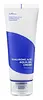
This barrier-repair moisturizer is formulated around Sodium Hyaluronate and Hydrolyzed Hyaluronic Acid to strengthen the skin barrier and hydrate skin.
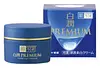
This brightening moisturizer is formulated around Tranexamic Acid and Tocopherol to fade the look of dark spots and brighten dull-looking skin.


What's inside
What's inside
 Key Ingredients
Benefits
Concerns
Ingredients Side-by-side
Water
Skin ConditioningMethylpropanediol
SolventCoco-Caprylate/Caprate
Emollient
1,2-Hexanediol
Skin Conditioning
Glycerin
Humectant

Biosaccharide Gum-1
Humectant
Betaine
Humectant
Ammonium Acryloyldimethyltaurate/Vp Copolymer
Trehalose
Humectant
Sodium Hyaluronate
Humectant

Hydrolyzed Hyaluronic Acid
Humectant
Centella Asiatica Extract
Cleansing
Polygonum Cuspidatum Root Extract
Antioxidant
Scutellaria Baicalensis Root Extract
Astringent
Camellia Sinensis Leaf Extract
Antimicrobial


Portulaca Oleracea Extract
Skin Conditioning
Glycyrrhiza Glabra Root Extract
Bleaching
Houttuynia Cordata Extract
Skin Conditioning
Rosmarinus Officinalis Leaf Extract
AntimicrobialChamomilla Recutita Flower Extract
Masking
Sodium Hyaluronate Crosspolymer
Humectant
Sodium PCA
Humectant
Squalane
Emollient
Isostearyl Alcohol
Emollient


Butylene Glycol Cocoate
Emulsifying

Cetearyl Olivate
Sorbitan Olivate
Emulsifying
Hyaluronic Acid
Humectant
Hydrolyzed Jojoba Esters
Skin Conditioning
Hydrogenated Olive Oil Unsaponifiables
Emollient
Butylene Glycol
Humectant
Hydrolyzed Sodium Hyaluronate
Skin Conditioning
Allantoin
Skin Conditioning
Xanthan Gum
EmulsifyingEthylcellulose
Propanediol
Solvent
Phenyl Trimethicone
Skin Conditioning
Pentylene Glycol
Skin Conditioning
Ethylhexylglycerin
Skin ConditioningWater, Methylpropanediol, Coco-Caprylate/Caprate, 1,2-Hexanediol, Glycerin, Biosaccharide Gum-1, Betaine, Ammonium Acryloyldimethyltaurate/Vp Copolymer, Trehalose, Sodium Hyaluronate, Hydrolyzed Hyaluronic Acid, Centella Asiatica Extract, Polygonum Cuspidatum Root Extract, Scutellaria Baicalensis Root Extract, Camellia Sinensis Leaf Extract, Portulaca Oleracea Extract, Glycyrrhiza Glabra Root Extract, Houttuynia Cordata Extract, Rosmarinus Officinalis Leaf Extract, Chamomilla Recutita Flower Extract, Sodium Hyaluronate Crosspolymer, Sodium PCA, Squalane, Isostearyl Alcohol, Butylene Glycol Cocoate, Cetearyl Olivate, Sorbitan Olivate, Hyaluronic Acid, Hydrolyzed Jojoba Esters, Hydrogenated Olive Oil Unsaponifiables, Butylene Glycol, Hydrolyzed Sodium Hyaluronate, Allantoin, Xanthan Gum, Ethylcellulose, Propanediol, Phenyl Trimethicone, Pentylene Glycol, Ethylhexylglycerin
Tranexamic Acid
Astringent
Cetyl Phosphate
EmulsifyingTocopherol
Antioxidant
Sodium Hyaluronate
Humectant
Hydrolyzed Hyaluronic Acid
Humectant
Squalane
Emollient
Butyrospermum Parkii Butter
Skin Conditioning

Dipropylene Glycol
HumectantDiglycerin
Humectant
Limnanthes Alba Seed Oil
Skin Conditioning
Dimethicone
Emollient
Glyceryl Stearate
Emollient
PEG-20 Sorbitan Isostearate
Emulsifying
Carbomer
Emulsion StabilisingEDTA
ChelatingHydroxyethylcellulose
Emulsion StabilisingSodium Metabisulfite
Antioxidant
Behenyl Alcohol
Emollient
Stearyl Alcohol
Emollient
Phenoxyethanol
Preservative
Methylparaben
Preservative

Tranexamic Acid, Cetyl Phosphate, Tocopherol, Sodium Hyaluronate, Hydrolyzed Hyaluronic Acid, Squalane, Butyrospermum Parkii Butter, Dipropylene Glycol, Diglycerin, Limnanthes Alba Seed Oil, Dimethicone, Glyceryl Stearate, PEG-20 Sorbitan Isostearate, Carbomer, EDTA, Hydroxyethylcellulose, Sodium Metabisulfite, Behenyl Alcohol, Stearyl Alcohol, Phenoxyethanol, Methylparaben
Reviews
Ingredients Explained
These ingredients are found in both products.
Ingredients higher up in an ingredient list are typically present in a larger amount.
Hydrolyzed Hyaluronic Acid is hyaluronic acid (HA) that is broken down into lower molecular weight fragments.
It's a humectant that pulls and holds water in the skin to help with hydration, plumpness, and reduce transepidermal water loss.
Because hydrolyzed hyaluronic acid is smaller in size, it can slip past your outermost layer of skin more easily than full-sized HA.
Most formulations will combine all sizes to get the best of both worlds.
Typical usage levels range from 0.01-1%. Any percentage higher than 2% might become goopy and tacky.
Learn more about Hydrolyzed Hyaluronic AcidSodium Hyaluronate is the salt form of hyaluronic acid. It is a long sugar chain that is naturally found in your skin, joints, and connective tissue that maintains hydration and elasticity.
In skincare, it works as a humectant. It pulls water from the environment and deeper layers of skin and binds it to the surface.
Interestingly, the size of the molecule affects its behavior:
Some clinical evidence links low molecular weight versions to improved wrinkle depth, elasticity, anti-inflammatory effects, and barrier repair.
Many serums use a blend of both weights so you can get surface hydration plus longer-lasting and deeper effects.
You'll typically see concentrations between 0.1-2% for this ingredient.
Learn more about Sodium HyaluronateSqualane is the hydrogenated and shelf-stable form of squalene (a lipid that naturally occurs in human sebum).
It is an emollient and skin conditioning agent that is able to integrate seamlessly into the skin's lipid barrier without clogging pores.
This is due to how structurally similar it is to what your skin already produces.
Though it is mostly an emollient that helps soften and hydrate skin, it also has some humectant and occlusive action. Humectants help the skin retain moisture while occlusives seal it in, making squalane a triple-threat moisturizer.
Research shows it has antioxidant capabilities that help protect against stressors like UV exposure, specifically UVA induced oxidative stress. This study also found that it supports collagen biosynthesis in human dermal fibroblasts.
No clinical study has reported significant adverse effects and irritation reactions are very rare from this ingredient (even at 100% concentration).
Overall, it's a fantastic ingredient for hydration and is suitable for all skin types.
This depends on the source. Squalane can be derived from both plants and animals. Most squalane used in skincare comes from plants.
Please note: the source of squalane is only known if disclosed by the brand. We recommend reaching out to the brand if you have any questions about their squalane.
Read more about squalene with an "e".
Though squalane is often called an oil, it’s technically not one. It is a hydrocarbon, meaning it is only made of carbon and hydrogen. True oils are triglycerides and made of fatty acids and glycerol.
The term “oil-free” isn’t regulated so companies can define it however they want. Some exclude all oils, while others just avoid mineral oil or comedogenic oils.
Squalane has a comedogenic rating of 1 from the original 1972 study that tested raw ingredients under occlusion on rabbit ears. This system is not standardized or peer-reviewed, and using the raw ingredients is very different from how diluted cosmetic formulations are used on human skin.
A comedogenic rating of 1 means it is "unlikely to clog pores" according to the original rating system.
The overall formula of a product matters more than the individual ingredients on whether or not it will cause clogged pores.
Learn more about Squalane

