

What's inside
What's inside
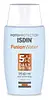 Key Ingredients
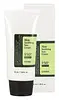
Benefits
Concerns
Ingredients Side-by-side
Water
Skin ConditioningOctocrylene
UV Absorber



Ethylhexyl Salicylate
UV Absorber
Propanediol
Solvent

Butyl Methoxydibenzoylmethane
UV Absorber
Polymethyl Methacrylate

Dimethicone
Emollient

Phenylbenzimidazole Sulfonic Acid
UV Absorber
Polysilicone-15
UV Filter
Propylene Glycol Dicaprylate/Dicaprate
EmollientTromethamine
BufferingBis-Ethylhexyloxyphenol Methoxyphenyl Triazine
Skin Conditioning
Silica
Abrasive

Dimethicone/Vinyl Dimethicone Crosspolymer
Skin Conditioning
1,2-Hexanediol
Skin Conditioning
Polysorbate 60
Emulsifying
PEG-10 Dimethicone
Skin Conditioning
Sodium Hyaluronate
Humectant


Tocopheryl Acetate
Antioxidant


Xanthan Gum
EmulsifyingCaprylyl Glycol
Emollient
Parfum
Masking


Disodium EDTA
PEG-8
HumectantTocopherol
Antioxidant
Tropolone
Skin ConditioningAscorbyl Palmitate
Antioxidant
Ascorbic Acid
Antioxidant
Citric Acid
Buffering
Water, Octocrylene, Ethylhexyl Salicylate, Propanediol, Butyl Methoxydibenzoylmethane, Polymethyl Methacrylate, Dimethicone, Phenylbenzimidazole Sulfonic Acid, Polysilicone-15, Propylene Glycol Dicaprylate/Dicaprate, Tromethamine, Bis-Ethylhexyloxyphenol Methoxyphenyl Triazine, Silica, Dimethicone/Vinyl Dimethicone Crosspolymer, 1,2-Hexanediol, Polysorbate 60, PEG-10 Dimethicone, Sodium Hyaluronate, Tocopheryl Acetate, Xanthan Gum, Caprylyl Glycol, Parfum, Disodium EDTA, PEG-8, Tocopherol, Tropolone, Ascorbyl Palmitate, Ascorbic Acid, Citric Acid
Water
Skin ConditioningEthylhexyl Methoxycinnamate
UV Absorber
Glycerin
Humectant
Propylene Glycol
Humectant
Cyclopentasiloxane
Emollient
Phenylbenzimidazole Sulfonic Acid
UV Absorber
Bis-Ethylhexyloxyphenol Methoxyphenyl Triazine
Skin Conditioning
Dicaprylyl Carbonate
EmollientIsoamyl P-Methoxycinnamate
UV Absorber
Potassium Cetyl Phosphate
EmulsifyingAlcohol
Antimicrobial

Dimethicone
Emollient
Butylene Glycol
Humectant
Glyceryl Stearate
Emollient
Titanium Dioxide
Cosmetic Colorant
C14-22 Alcohols
Emulsion Stabilising
Polymethyl Methacrylate
Cetearyl Alcohol
Emollient


PEG-100 Stearate
Surfactant
Triethanolamine
BufferingSilica
Abrasive
Sodium Hydroxide
BufferingDimethicone/Vinyl Dimethicone Crosspolymer
Skin Conditioning
C12-20 Alkyl Glucoside
EmulsifyingAluminum Hydroxide
EmollientStearic Acid
Cleansing
Parfum
Masking
Caprylyl Glycol
Emollient
Phenoxyethanol
Preservative
Acrylates/C10-30 Alkyl Acrylate Crosspolymer
Emulsion StabilisingAloe Arborescens Leaf Extract
MoisturisingDipotassium Glycyrrhizate
Humectant
Carbomer
Emulsion StabilisingXanthan Gum
EmulsifyingLimonene
Perfuming
Tocopheryl Acetate
Antioxidant
Disodium EDTA
Hexyl Cinnamal
Perfuming
Linalool
Perfuming
Benzyl Salicylate
Perfuming
Geraniol
Perfuming
Benzyl Alcohol
Perfuming
Citronellol
Perfuming
Benzyl Benzoate
Antimicrobial
Citral
Perfuming
Water, Ethylhexyl Methoxycinnamate, Glycerin, Propylene Glycol, Cyclopentasiloxane, Phenylbenzimidazole Sulfonic Acid, Bis-Ethylhexyloxyphenol Methoxyphenyl Triazine, Dicaprylyl Carbonate, Isoamyl P-Methoxycinnamate, Potassium Cetyl Phosphate, Alcohol, Dimethicone, Butylene Glycol, Glyceryl Stearate, Titanium Dioxide, C14-22 Alcohols, Polymethyl Methacrylate, Cetearyl Alcohol, PEG-100 Stearate, Triethanolamine, Silica, Sodium Hydroxide, Dimethicone/Vinyl Dimethicone Crosspolymer, C12-20 Alkyl Glucoside, Aluminum Hydroxide, Stearic Acid, Parfum, Caprylyl Glycol, Phenoxyethanol, Acrylates/C10-30 Alkyl Acrylate Crosspolymer, Aloe Arborescens Leaf Extract, Dipotassium Glycyrrhizate, Carbomer, Xanthan Gum, Limonene, Tocopheryl Acetate, Disodium EDTA, Hexyl Cinnamal, Linalool, Benzyl Salicylate, Geraniol, Benzyl Alcohol, Citronellol, Benzyl Benzoate, Citral
Reviews
Ingredients Explained
These ingredients are found in both products.
Ingredients higher up in an ingredient list are typically present in a larger amount.
You might know this ingredient as Tinosorb S or Bemotrizinol. It is a UV filter that covers both UVA and UVB rays.
This ingredient has two peak UV absorption peaks ( 310 and 340 nm) and is able to absorb both UV-A and UV-B rays. This ingredient works by preventing UV rays from reaching and damaging your skin.
On top of that - it is highly photostable and helps prevent the photodegration of other sunscreen ingredients such as avobenzone.
Tinosorb S is allowed in the EU, Australia, and Asia. It is close to being approved by the FDA and we'll hopefully get this ingredient in the U.S. by late 2026.
Fun fact: Tinosorb S is the most effective UV absorber at maximum concentration (measured by SPF) permitted in the EU.
This ingredient is oil-soluble, so your oil-cleansers will take this right off at night.
Learn more about Bis-Ethylhexyloxyphenol Methoxyphenyl TriazineCaprylyl Glycol is a humectant, skin conditioner, emollient, and preservative booster derived from either caprylic acid or synthetically created.
Typical use levels vary from 0.3-1% as a preservative booster and go up to 2% to condition skin.
Because it is not a free-fatty acid or alcohol, this ingredient is fungal acne safe (there's nothing for Malassezia to feed on).
Learn more about Caprylyl GlycolDimethicone is a type of synthetic silicone created from natural materials such as quartz. It is also known as polydimethylsiloxane.
What it does:
Dimethicone comes in different viscosities:
Depending on the viscosity, dimethicone has different properties.
Ingredients lists don't always show which type is used, so we recommend reaching out to the brand if you have questions about the viscosity.
This ingredient is unlikely to cause irritation because it does not get absorbed into skin. However, people with silicone allergies should be careful about using this ingredient.
Note: Dimethicone may contribute to pilling. This is because it is not oil or water soluble, so pilling may occur when layered with products. When mixed with heavy oils in a formula, the outcome is also quite greasy.
Learn more about DimethiconeThis ingredient is a silicone elastomer that works as a texture enhancer, adds a silky slip, and also helps absorb excess oil.
Because it's a large macromolecule that's insoluble in water and chemically inert, it's not expected to penetrate or be absorbed into skin.
Human patch tests with a facial lotion containing 1% of this ingredient found no sensitization.
Learn more about Dimethicone/Vinyl Dimethicone CrosspolymerDisodium EDTA is a chelating agent. It grabs onto and deactivates metal ions that sneak into your products from water, packaging, or air.
This ingredient mainly works behind the scenes and helps with:
On top of that, this ingredient can counteract the effects of hard water by binding to the minerals in it.
One thing worth knowing is that Disodium EDTA has been shown to be a mild penetration enhancer. It can help other ingredients absorb into skin more effectively which can be a double-edged sword (great for actives, but can also make the active too strong if you have sensitive skin).
Clinical patch testing showed no significant skin irritation at typical use concentrations and minimal dermal absorption.
You'll most likely see this ingredient near the end of an ingredient list. It's typically found in concentrations less than 1%.
Learn more about Disodium EDTAParfum is a catch-all term for an ingredient or more that is used to give a scent to products.
Also called "fragrance", this ingredient can be a blend of hundreds of chemicals or plant oils. This means every product with "fragrance" or "parfum" in the ingredients list is a different mixture.
For instance, Habanolide is a proprietary trade name for a specific aroma chemical. When used as a fragrance ingredient in cosmetics, most aroma chemicals fall under the broad labeling category of “FRAGRANCE” or “PARFUM” according to EU and US regulations.
The term 'parfum' or 'fragrance' is not regulated in many countries. In many cases, it is up to the brand to define this term.
For instance, many brands choose to label themselves as "fragrance-free" because they are not using synthetic fragrances. However, their products may still contain ingredients such as essential oils that are considered a fragrance by INCI standards.
One example is Calendula flower extract. Calendula is an essential oil that still imparts a scent or 'fragrance'.
Depending on the blend, the ingredients in the mixture can cause allergies and sensitivities on the skin. Some ingredients that are known EU allergens include linalool and citronellol.
Parfum can also be used to mask or cover an unpleasant scent.
The bottom line is: not all fragrances/parfum/ingredients are created equally. If you are worried about fragrances, we recommend taking a closer look at an ingredient. And of course, we always recommend speaking with a professional.
Learn more about ParfumThis ingredient is more commonly known as Ensulizole, a chemical sunscreen ingredient.
Ensulizole mainly protects UV-B (290-340 nm) but offers a little UV-A (320-400 nm) protection. It is often paired with less photo-stable sunscreen ingredients due to its photo-stability.
Due to it being water-soluble, Ensulizole helps give sunscreens a light and non-oily texture.
Ensulizole is approved worldwide:
Learn more about Phenylbenzimidazole Sulfonic AcidThis ingredient is also known as PMMA. It is a polymer microsphere, composed of tiny, perfectly spherical particles formed from repeating units.
In cosmetics, PMMA is mainly used to give a soft or blurring effect. The transparent particles are able to scatter light and help reduce the appearance of fine-lines and imperfections.
PMMA is also able to enhance the texture of products by add a smooth feel.
Learn more about Polymethyl MethacrylateSilica, also known as silicon dioxide, is a naturally occurring mineral. It is used as a fine, spherical, and porous powder in cosmetics.
Though it has exfoliant properties, the function of silica varies depending on the product.
The unique structure of silica enhances the spreadability and adds smoothness, making it a great texture enhancer.
It is also used as an active carrier, emulsifier, and mattifier due to its ability to absorb excess oil.
In some products, tiny microneedles called spicules are made from silica or hydrolyzed sponge. When you rub them in, they lightly polish away dead skin layers and enhance the penetration of active ingredients.
Learn more about SilicaTocopheryl Acetate is AKA Vitamin E. It is an antioxidant and protects your skin from free radicals. Free radicals damage the skin by breaking down collagen.
One study found using Tocopheryl Acetate with Vitamin C decreased the number of sunburned cells.
Tocopheryl Acetate is commonly found in both skincare and dietary supplements.
Learn more about Tocopheryl AcetateWater. It's the most common cosmetic ingredient of all. You'll usually see it at the top of ingredient lists, meaning that it makes up the largest part of the product.
So why is it so popular? Water most often acts as a solvent - this means that it helps dissolve other ingredients into the formulation.
You'll also recognize water as that liquid we all need to stay alive. If you see this, drink a glass of water. Remember to stay hydrated!
Learn more about WaterXanthan gum is used as a stabilizer and thickener within cosmetic products. It helps give products a sticky, thick feeling - preventing them from being too runny.
On the technical side of things, xanthan gum is a polysaccharide - a combination consisting of multiple sugar molecules bonded together.
Xanthan gum is a pretty common and great ingredient. It is a natural, non-toxic, non-irritating ingredient that is also commonly used in food products.
Learn more about Xanthan Gum
