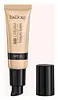
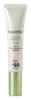
ISADORA BB Beauty Balm Cream Versus Tropic Skincare Calm & Correct 4-In-1 Color-Correcting Treatment SPF 50 PA++++


What's inside
What's inside
 Key Ingredients
Benefits
Concerns
Ingredients Side-by-side
Water
Skin ConditioningDicaprylyl Carbonate
EmollientPropanediol
Solvent

Diethylamino Hydroxybenzoyl Hexyl Benzoate
UV Filter
Bis-Ethylhexyloxyphenol Methoxyphenyl Triazine
UV Absorber
Ethylhexyl Triazone
UV Absorber
Phenylbenzimidazole Sulfonic Acid
UV Absorber
Arginine
Masking
Cetyl Alcohol
Emollient



C20-22 Alkyl Phosphate
EmulsifyingC20-22 Alcohols
Emulsion Stabilising
Dimethicone
Emollient
Galactoarabinan

Potassium Cetyl Phosphate
EmulsifyingCaprylyl Glycol
Emollient
Ethylhexylglycerin
Skin ConditioningXanthan Gum
EmulsifyingButylene Glycol
Humectant
Polysilicone-11

Sodium Hyaluronate
Humectant

Algin
MaskingOxothiazolidine
Skin ProtectingTocopherol
Antioxidant



Decyl Glucoside
Cleansing
Phenoxyethanol
Preservative
Sodium Benzoate
Masking
Biosaccharide Gum-4
Skin Conditioning
Hexylene Glycol
EmulsifyingCI 77891
Cosmetic ColorantCI 77492
Cosmetic ColorantCI 77491
Cosmetic ColorantCI 77499
Cosmetic ColorantWater, Dicaprylyl Carbonate, Propanediol, Diethylamino Hydroxybenzoyl Hexyl Benzoate, Bis-Ethylhexyloxyphenol Methoxyphenyl Triazine, Ethylhexyl Triazone, Phenylbenzimidazole Sulfonic Acid, Arginine, Cetyl Alcohol, C20-22 Alkyl Phosphate, C20-22 Alcohols, Dimethicone, Galactoarabinan, Potassium Cetyl Phosphate, Caprylyl Glycol, Ethylhexylglycerin, Xanthan Gum, Butylene Glycol, Polysilicone-11, Sodium Hyaluronate, Algin, Oxothiazolidine, Tocopherol, Decyl Glucoside, Phenoxyethanol, Sodium Benzoate, Biosaccharide Gum-4, Hexylene Glycol, CI 77891, CI 77492, CI 77491, CI 77499
Aloe Barbadensis Leaf Juice
Skin Conditioning
Dibutyl Adipate
EmollientDiethylamino Hydroxybenzoyl Hexyl Benzoate
UV Filter
Water
Skin ConditioningPolyglyceryl-4 Diisostearate/Polyhydroxystearate/Sebacate
Emulsifying
Ethylhexyl Triazone
UV Absorber
Propanediol
Solvent
Dicaprylyl Carbonate
EmollientCoconut Alkanes
Emollient

Bis-Ethylhexyloxyphenol Methoxyphenyl Triazine
UV Absorber
Palmitic/Stearic Triglyceride
Glycerin
Humectant
Zinc Stearate
Cosmetic ColorantNiacinamide
Smoothing



Caprylyl Caprylate/Caprate
Emollient
Lactobacillus Ferment
Skin Conditioning
Oryza Sativa Bran Cera
Skin ConditioningHydrogenated Coconut Oil
Emollient

Coco-Caprylate/Caprate
Emollient
Hydroxystearic Acid
Cleansing
Magnesium Sulfate
Mica
Cosmetic ColorantCellulose
Absorbent
Ceramide NP
Skin Conditioning
Adansonia Digitata Fruit Extract
EmollientPanthenol
Skin Conditioning
Sodium Gluconate
ChelatingFucoidan
Antioxidant
Tocopherol
Antioxidant
Sodium Hyaluronate
Humectant
Xanthan Gum
EmulsifyingAsiatic Acid
Skin Conditioning
Asiaticoside
Antioxidant
Madecassic Acid
Skin Conditioning
Butylene Glycol
Humectant
Macrocystis Pyrifera Protein
Skin ConditioningJojoba Esters
Emollient
Centella Asiatica Leaf Vesicles
Helianthus Annuus Seed Oil
Emollient
Zein
Skin ConditioningSodium Dehydroacetate
Preservative
Sodium Levulinate
Skin ConditioningSodium Anisate
AntimicrobialAlgin
MaskingCI 77891
Cosmetic ColorantCI 77491
Cosmetic ColorantCI 77510
Cosmetic ColorantCI 77492
Cosmetic ColorantAloe Barbadensis Leaf Juice, Dibutyl Adipate, Diethylamino Hydroxybenzoyl Hexyl Benzoate, Water, Polyglyceryl-4 Diisostearate/Polyhydroxystearate/Sebacate, Ethylhexyl Triazone, Propanediol, Dicaprylyl Carbonate, Coconut Alkanes, Bis-Ethylhexyloxyphenol Methoxyphenyl Triazine, Palmitic/Stearic Triglyceride, Glycerin, Zinc Stearate, Niacinamide, Caprylyl Caprylate/Caprate, Lactobacillus Ferment, Oryza Sativa Bran Cera, Hydrogenated Coconut Oil, Coco-Caprylate/Caprate, Hydroxystearic Acid, Magnesium Sulfate, Mica, Cellulose, Ceramide NP, Adansonia Digitata Fruit Extract, Panthenol, Sodium Gluconate, Fucoidan, Tocopherol, Sodium Hyaluronate, Xanthan Gum, Asiatic Acid, Asiaticoside, Madecassic Acid, Butylene Glycol, Macrocystis Pyrifera Protein, Jojoba Esters, Centella Asiatica Leaf Vesicles, Helianthus Annuus Seed Oil, Zein, Sodium Dehydroacetate, Sodium Levulinate, Sodium Anisate, Algin, CI 77891, CI 77491, CI 77510, CI 77492
Ingredients Explained
These ingredients are found in both products.
Ingredients higher up in an ingredient list are typically present in a larger amount.
Algin is the sodium salt of alginic acid, a sugar-based polymer pulled out of brown seaweed.
In cosmetics, it's a workhorse thickener, binder, and film former rather than an active; it's mostly there for texture and slip.
Industry survey data collected by the Cosmetic Ingredient Review put its maximum reported use at 50% in paste masks and mud packs with reported use going all the way down to 0.001% in aerosol products. Most formulas sit at the low end since a little goes a long way as a thickener.
Allergy-wise, this ingredient is about as low-risk as it gets topically:
The "algae causes acne" idea comes from three places that got tangled together:
None of that transfers to a purified polysaccharide like algin. Clogged pores are a lipid problem where an ingredient has to get into the follicle and mix with sebum to form a comedone. Algin is a big, water-loving sugar chain that does neither; it gels and then sits on the surface as a film until it's rinsed off.
Learn more about AlginThis ingredient is better known as bemotrizinol or Tinosorb S and is one of the best broad-spectrum UV filters in modern sunscreen.
It works by absorbing UV light across a whole range (280-400 nm) with peaks around 310 nm (UVB) and 340-345 nm (UVA). This means it covers UVB plus the deeper UVA wavelengths that drive photoaging and pigmentation.
Another pro?
It's exceptionally photostable, barely degrades in sunlight, and acts as a "bodyguard" for less stable filters.
That's why you'll see it paired with avobenzone or octinoxate; this team up ensures they keep working through sun exposure.
Safety reviews have been reassuring across the board. This ingredient shows low absorption through the skin, rarely irritates, and lab studies found it doesn't act like a hormone in the body (a concern that's been raised about some older sunscreen filters).
On maximum concentrations:
In 2026, the US F.D.A finally added it as an OTC sunscreen ingredient at concentrations up to 6% for adults / children 6 months and older
Learn more about Bis-Ethylhexyloxyphenol Methoxyphenyl TriazineButylene Glycol (or BG) is used within cosmetic products for a few different reasons:
Overall, Butylene Glycol is a safe and well-rounded ingredient that works well with other ingredients.
Though this ingredient works well with most skin types, some people with sensitive skin may experience a reaction such as allergic rashes, closed comedones, or itchiness.
Learn more about Butylene GlycolCi 77491 is also hydrated iron III oxide. It's sole purpose is to give a red/pink hue to products.
Iron III oxides are classified as inorganic chemicals for coloring.
Synthetically created Ci 77491 is considered safer than those naturally found. This is because the synthetically created version may contain less impurities. Iron oxides are generally non-toxic and non-allergenic.
Learn more about CI 77491CI 77492 is also hydrated iron III oxide. It's sole purpose is to give a yellow hue to products.
Iron III oxides are classified as inorganic chemicals for coloring.
Synthetically created CI 77492 is considered safer than those naturally found. This is because the synthetically created version may contain less impurities. Iron oxides are generally non-toxic and non-allergenic.
Learn more about CI 77492Ci 77891 is a white pigment from Titanium dioxide. It is naturally found in minerals such as rutile and ilmenite.
It's main function is to add a white color to cosmetics. It can also be mixed with other colors to create different shades.
Ci 77891 is commonly found in sunscreens due to its ability to block UV rays.
Learn more about CI 77891Dicaprylyl Carbonate comes from carbonic acid and caprylyl alcohol, a fatty alcohol. It is an emollient and gives skin a velvet feel. The sources of Dicaprylyl Carbonate may be synthetic or from animals.
As an emollient, Dicaprylyl Carbonate creates a film on the skin. This film traps moisture in, keeping your skin soft and hydrated.
Diethylamino Hydroxybenzoyl Hexyl Benzoate (DHHB) is a chemical UV-A absorber. It is formulated for high UVA protection (320-400 nm).
DHHB is well-liked for:
DHHB has been approved by the EU, Japan, Taiwan, and South America for use up to 10%. Unfortunately, it has not been approved for use in the US or Canada due to slow regulatory processes.
This ingredient is soluble in oils, fats, and lipids.
Learn more about Diethylamino Hydroxybenzoyl Hexyl BenzoateEthylhexyl Triazone (aka Octyl Triazone) is an oil-soluble organic UVB filter. It has peak absorption around 314 nm, right in the middle of the UVB range.
This ingredient is described as one of the most effective UVB filters available and small concentrations are enough to deliver a high SPF thanks to its strong UV absorbing power.
Formulators love it for its stability; its ability to filter UV stays practically unchanged even under intense radiation and it can also help boost the photostability of less stable filters like avobenzone.
It's also a great pick for water resistant products because it's insoluble in water and has a good affinity for keratin.
Because it's a big, heavy molecule, the European Scientific Committee has found to to have very low dermal penetration and negative results for allergenicity.
In vitro testing also showed a low absorption rate and clean results on irritation.
Typical use levels are 1-5% with 5% being the maximum in the EU, Japan, and other markets that allow it. However, this ingredient is not approved yet in the US or Canada.
Learn more about Ethylhexyl TriazonePropanediol is an all-star ingredient. It softens, hydrates, and smooths the skin.
It’s often used to:
Propanediol is not likely to cause sensitivity and considered safe to use. It is derived from corn or petroleum with a clear color and no scent.
Learn more about PropanediolSodium Hyaluronate is the salt form of hyaluronic acid. It is a long sugar chain that is naturally found in your skin, joints, and connective tissue that maintains hydration and elasticity.
In skincare, it works as a humectant. It pulls water from the environment and deeper layers of skin and binds it to the surface.
Interestingly, the size of the molecule affects its behavior:
Some clinical evidence links low molecular weight versions to improved wrinkle depth, elasticity, anti-inflammatory effects, and barrier repair.
Many serums use a blend of both weights so you can get surface hydration plus longer-lasting and deeper effects.
You'll typically see concentrations between 0.1-2% for this ingredient.
Learn more about Sodium HyaluronateTocopherol is a fat-soluble antioxidant known as Vitamin E.
You'll find this ingredient in the vast majority of skincare (for good reason). It works to neutralize free radicals, or unstable molecules generated by UV exposure, pollution, and other environmental stressors, before they can cause oxidative damage to your skin cells.
Topically applied tocopherol has been shown to protect against UV damage by ramping up the skin's own natural defense enzymes.
It also acts as a skin conditioning agent; some studies show that regular topical use can improve the skin's water-binding capacity over 2-4 weeks.
This ingredient is especially loved for being a team player. When combined with Vitamin C, the photoprotective effect of both ingredients roughly doubles and the combo also helps reduce UV-induced DNA damage.
This ingredient has some brightening potential but it's more of a prevention ingredient than spot-fader. Cell studies show it can slow down melanin production but it's worth noting that it's not the most powerful brightener out there.
In formulations, it also serves as a stabilizer that helps protect other oxidation-prone ingredients from degrading.
Concentrations usually range from 0.1-1% in most leave-on products.
Learn more about TocopherolWater. It's the most common cosmetic ingredient of all. You'll usually see it at the top of ingredient lists, meaning that it makes up the largest part of the product.
So why is it so popular? Water most often acts as a solvent - this means that it helps dissolve other ingredients into the formulation.
You'll also recognize water as that liquid we all need to stay alive. If you see this, drink a glass of water. Remember to stay hydrated!
Learn more about WaterXanthan gum is used as a stabilizer and thickener within cosmetic products. It helps give products a sticky, thick feeling - preventing them from being too runny.
On the technical side of things, xanthan gum is a polysaccharide - a combination consisting of multiple sugar molecules bonded together.
Xanthan gum is a pretty common and great ingredient. It is a natural, non-toxic, non-irritating ingredient that is also commonly used in food products.
Learn more about Xanthan Gum

