

What's inside
What's inside
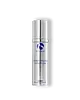 Key Ingredients
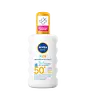
Benefits
Concerns
Ingredients Side-by-side
Water
Skin ConditioningHyaluronic Acid
Humectant





Glycerin
Humectant
Butylene Glycol
Humectant
Alcohol Denat.
Antimicrobial





Dimethicone
Emollient
Glyceryl Stearate
Emollient
PEG-100 Stearate
Panthenol
Skin Conditioning

Simmondsia Chinensis Seed Oil
Emollient
Tocopheryl Acetate
Antioxidant

Retinyl Palmitate
Skin Conditioning





Triticum Vulgare Germ Oil
Emollient
Aluminum Starch Octenylsuccinate
Absorbent
Phospholipids
Skin Conditioning
Pantothenic Acid
Skin ConditioningMethyldihydrojasmonate
MaskingYeast Extract
Skin Conditioning
Panax Ginseng Root Extract
Emollient
Camellia Sinensis Leaf Extract
Antimicrobial
Ormenis Multicaulis Oil
Masking
Stearic Acid
Cleansing
Glyceryl Dilaurate
Emollient
Carbomer
Emulsion StabilisingTriethanolamine
BufferingAsiaticoside
Antioxidant
Asiatic Acid
Skin ConditioningMadecassic Acid
Skin Conditioning
Ascorbyl Palmitate
Antioxidant
Disodium EDTA
1,2-Hexanediol
Skin Conditioning
Caprylyl Glycol
Emollient
Water, Hyaluronic Acid, Glycerin, Butylene Glycol, Alcohol Denat., Dimethicone, Glyceryl Stearate, PEG-100 Stearate, Panthenol, Simmondsia Chinensis Seed Oil, Tocopheryl Acetate, Retinyl Palmitate, Triticum Vulgare Germ Oil, Aluminum Starch Octenylsuccinate, Phospholipids, Pantothenic Acid, Methyldihydrojasmonate, Yeast Extract, Panax Ginseng Root Extract, Camellia Sinensis Leaf Extract, Ormenis Multicaulis Oil, Stearic Acid, Glyceryl Dilaurate, Carbomer, Triethanolamine, Asiaticoside, Asiatic Acid, Madecassic Acid, Ascorbyl Palmitate, Disodium EDTA, 1,2-Hexanediol, Caprylyl Glycol
Water
Skin ConditioningAlcohol Denat.
Antimicrobial
Butyl Methoxydibenzoylmethane
UV Absorber
Ethylhexyl Triazone
UV Absorber
Bis-Ethylhexyloxyphenol Methoxyphenyl Triazine
Skin Conditioning
Isopropyl Palmitate
Emollient
C12-15 Alkyl Benzoate
AntimicrobialDibutyl Adipate
EmollientButylene Glycol Dicaprylate/Dicaprate
EmollientDiethylamino Hydroxybenzoyl Hexyl Benzoate
UV Filter
Glyceryl Stearate
Emollient
Glycerin
Humectant
Phenylbenzimidazole Sulfonic Acid
UV Absorber
Chamomilla Recutita Flower Extract
Masking
Tocopheryl Acetate
Antioxidant
Microcrystalline Cellulose
AbsorbentCellulose Gum
Emulsion StabilisingXanthan Gum
EmulsifyingC18-38 Alkyl Hydroxystearoyl Stearate
EmollientCopernicia Cerifera Wax
Hydrogenated Rapeseed Oil
Emollient
Cetyl Palmitate
Emollient
Sodium Stearoyl Glutamate
CleansingSodium Hydroxide
BufferingMaltodextrin
Absorbent
Sodium Chloride
Masking
Hydroxyacetophenone
Antioxidant
Ethylhexylglycerin
Skin ConditioningCaprylyl Glycol
Emollient
Trisodium EDTA
Water, Alcohol Denat., Butyl Methoxydibenzoylmethane, Ethylhexyl Triazone, Bis-Ethylhexyloxyphenol Methoxyphenyl Triazine, Isopropyl Palmitate, C12-15 Alkyl Benzoate, Dibutyl Adipate, Butylene Glycol Dicaprylate/Dicaprate, Diethylamino Hydroxybenzoyl Hexyl Benzoate, Glyceryl Stearate, Glycerin, Phenylbenzimidazole Sulfonic Acid, Chamomilla Recutita Flower Extract, Tocopheryl Acetate, Microcrystalline Cellulose, Cellulose Gum, Xanthan Gum, C18-38 Alkyl Hydroxystearoyl Stearate, Copernicia Cerifera Wax, Hydrogenated Rapeseed Oil, Cetyl Palmitate, Sodium Stearoyl Glutamate, Sodium Hydroxide, Maltodextrin, Sodium Chloride, Hydroxyacetophenone, Ethylhexylglycerin, Caprylyl Glycol, Trisodium EDTA
Ingredients Explained
These ingredients are found in both products.
Ingredients higher up in an ingredient list are typically present in a larger amount.
Alcohol Denat. is an alcohol with a denaturant property. It is created by mixing ethanol with other additives.
This ingredient gets a bad rep because it is irritating and drying - mostly due to its astringent property. Astringents draw out natural oils in tissue, constricting pores and leaving your skin dried out.
However, alcohol denat. is not all that bad.
Due to its low molecular weight, alcohol denat. tends to evaporate quickly. One study on pig skin found half of applied alcohol evaporated in 10 seconds and less than 3% stayed on skin.
This also helps other ingredients become better absorbed upon application.
Studies are conflicted about whether this ingredient causes skin dehydration. One study from 2005 found adding emollients to propanol-based sanitizer decreased skin dryness and irritation. Another study found irritation only occurs if your skin is already damaged.
Small amounts of alcohol are generally tolerated by oily skin or people who live in humid environments.
The rule of thumb is if this alcohol is near the end of an ingredients list, it will probably not affect your skin much.
Also...
This ingredient has antimicrobial and solvent properties.
The antimicrobial property helps preserve products and increase their shelf life. As a solvent, it helps dissolve other ingredients.
Other types of astringent alcohols include:
Learn more about Alcohol Denat.Caprylyl Glycol is a humectant and emollient, meaning it attracts and preserves moisture.
It is a common ingredient in many products, especially those designed to hydrate skin. The primary benefits are retaining moisture, skin softening, and promoting a healthy skin barrier.
Though Caprylyl Glycol is an alcohol derived from fatty acids, it is not the kind that can dry out skin.
This ingredient is also used as a preservative to extend the life of products. It has slight antimicrobial properties.
Learn more about Caprylyl GlycolGlycerin is already naturally found in your skin. It helps moisturize and protect your skin.
A study from 2016 found glycerin to be more effective as a humectant than AHAs and hyaluronic acid.
As a humectant, it helps the skin stay hydrated by pulling moisture to your skin. The low molecular weight of glycerin allows it to pull moisture into the deeper layers of your skin.
Hydrated skin improves your skin barrier; Your skin barrier helps protect against irritants and bacteria.
Glycerin has also been found to have antimicrobial and antiviral properties. Due to these properties, glycerin is often used in wound and burn treatments.
In cosmetics, glycerin is usually derived from plants such as soybean or palm. However, it can also be sourced from animals, such as tallow or animal fat.
This ingredient is organic, colorless, odorless, and non-toxic.
Glycerin is the name for this ingredient in American English. British English uses Glycerol/Glycerine.
Learn more about GlycerinGlyceryl Stearate is a mix of glycerin and stearic acid.
It is used to stabilize the mixing of water and oil ingredients. By preventing these ingredients from separating, it can help elongate shelf life. It can also help thicken the product's texture.
As an emollient, it helps soften skin and supports barrier-replenishing ingredients.
In cosmetics, Glyceryl Stearate is often made from vegetable oils or synthetically produced.
This ingredient may not be fungal-acne safe
Fun fact: The human body also creates Glyceryl Stearate naturally.
Learn more about Glyceryl StearateTocopheryl Acetate is AKA Vitamin E. It is an antioxidant and protects your skin from free radicals. Free radicals damage the skin by breaking down collagen.
One study found using Tocopheryl Acetate with Vitamin C decreased the number of sunburned cells.
Tocopheryl Acetate is commonly found in both skincare and dietary supplements.
Learn more about Tocopheryl AcetateWater. It's the most common cosmetic ingredient of all. You'll usually see it at the top of ingredient lists, meaning that it makes up the largest part of the product.
So why is it so popular? Water most often acts as a solvent - this means that it helps dissolve other ingredients into the formulation.
You'll also recognize water as that liquid we all need to stay alive. If you see this, drink a glass of water. Stay hydrated!
Learn more about Water
