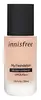
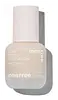
innisfree My Foundation All Day Longwear SPF25 PA++ Versus innisfree Light Fitting Foundation SPF20 PA++

What's inside
What's inside
 Key Ingredients
Benefits
Concerns
Ingredients Side-by-side
Water
Skin ConditioningCI 77891
Cosmetic ColorantCyclopentasiloxane
Emollient
Ethylhexyl Methoxycinnamate
UV Absorber


Methyl Trimethicone
Skin Conditioning
Butylene Glycol
Humectant

Diphenylsiloxy Phenyl Trimethicone
Skin Conditioning
Lauryl PEG-10 Tris(Trimethylsiloxy)Silylethyl Dimethicone
Emulsifying
Cyclohexasiloxane
Emollient
Trimethylsiloxysilicate
Emollient
Glycerin
Humectant
PEG-10 Dimethicone
Skin Conditioning
Hdi/Trimethylol Hexyllactone Crosspolymer
Isododecane
EmollientAcrylates/Polytrimethylsiloxymethacrylate Copolymer
Skin ConditioningDisteardimonium Hectorite
StabilisingMethyl Methacrylate Crosspolymer

1,2-Hexanediol
Skin Conditioning
Acrylates/Ethylhexyl Acrylate/Dimethicone Methacrylate Copolymer
Skin Conditioning
Sodium Chloride
MaskingZinc Oxide
Cosmetic Colorant
CI 77492
Cosmetic ColorantMica
Cosmetic ColorantAluminum Hydroxide
EmollientAcrylates/Dimethicone Copolymer
Skin Conditioning
Triethoxycaprylylsilane
Dimethicone/Vinyl Dimethicone Crosspolymer
Skin Conditioning
CI 77491
Cosmetic ColorantPolysorbate 80
Emulsifying

Caprylyl Glycol
Emollient
Parfum
Masking


Hydrogenated Lecithin
Emulsifying
Glyceryl Caprylate
EmollientEthylhexylglycerin
Skin ConditioningPropanediol
Solvent
Disodium EDTA
ChelatingSilica
Abrasive

CI 77499
Cosmetic ColorantLauroyl Lysine
Skin Conditioning
Camellia Sinensis Seed Oil
Humectant

BHT
Antioxidant
Sodium Lauroyl Glutamate
SurfactantLysine
Skin ConditioningMagnesium Chloride
Tocopherol
Antioxidant




Camellia Sinensis Leaf Extract
Antimicrobial
Citrus Aurantium Dulcis Fruit Extract
MaskingCitrus Paradisi Fruit Extract
Skin ConditioningCitrus Aurantium Bergamia Fruit Extract
Skin ConditioningCitrus Tangerina Extract
TonicLactic Acid
Buffering

Ascorbic Acid
Antioxidant
Citric Acid
Buffering
Water, CI 77891, Cyclopentasiloxane, Ethylhexyl Methoxycinnamate, Methyl Trimethicone, Butylene Glycol, Diphenylsiloxy Phenyl Trimethicone, Lauryl PEG-10 Tris(Trimethylsiloxy)Silylethyl Dimethicone, Cyclohexasiloxane, Trimethylsiloxysilicate, Glycerin, PEG-10 Dimethicone, Hdi/Trimethylol Hexyllactone Crosspolymer, Isododecane, Acrylates/Polytrimethylsiloxymethacrylate Copolymer, Disteardimonium Hectorite, Methyl Methacrylate Crosspolymer, 1,2-Hexanediol, Acrylates/Ethylhexyl Acrylate/Dimethicone Methacrylate Copolymer, Sodium Chloride, Zinc Oxide, CI 77492, Mica, Aluminum Hydroxide, Acrylates/Dimethicone Copolymer, Triethoxycaprylylsilane, Dimethicone/Vinyl Dimethicone Crosspolymer, CI 77491, Polysorbate 80, Caprylyl Glycol, Parfum, Hydrogenated Lecithin, Glyceryl Caprylate, Ethylhexylglycerin, Propanediol, Disodium EDTA, Silica, CI 77499, Lauroyl Lysine, Camellia Sinensis Seed Oil, BHT, Sodium Lauroyl Glutamate, Lysine, Magnesium Chloride, Tocopherol, Camellia Sinensis Leaf Extract, Citrus Aurantium Dulcis Fruit Extract, Citrus Paradisi Fruit Extract, Citrus Aurantium Bergamia Fruit Extract, Citrus Tangerina Extract, Lactic Acid, Ascorbic Acid, Citric Acid
Water
Skin ConditioningCI 77891
Cosmetic ColorantDibutyl Adipate
EmollientCaprylyl Methicone
Skin Conditioning
Phenyl Trimethicone
Skin Conditioning
Methyl Trimethicone
Skin Conditioning
Butyloctyl Salicylate
Skin Conditioning
Polyhydroxystearic Acid
Emulsifying
Trimethylsiloxysilicate
Emollient
Lauryl Polyglyceryl-3 Polydimethylsiloxyethyl Dimethicone
Skin Conditioning
Glycerin
Humectant
Titanium Dioxide
Cosmetic Colorant
Hdi/Trimethylol Hexyllactone Crosspolymer
1,2-Hexanediol
Skin Conditioning
Silica
Abrasive
Xylitol
Humectant
Disteardimonium Hectorite
StabilisingIsododecane
EmollientCI 77492
Cosmetic ColorantSodium Chloride
MaskingAluminum Hydroxide
EmollientTriethoxycaprylylsilane
CI 77491
Cosmetic ColorantParfum
Masking
Alumina
Abrasive
Caprylyl Glycol
Emollient
Sodium Metaphosphate
BufferingGlyceryl Caprylate
EmollientEthylhexylglycerin
Skin ConditioningTocopheryl Linoleate
Antioxidant
CI 77499
Cosmetic ColorantMethicone
Emollient
Simethicone
Emollient
Argania Spinosa Kernel Oil
Emollient
Olea Europaea Fruit Oil
Masking
Simmondsia Chinensis Seed Oil
Emollient
CI 77163
Cosmetic Colorant
Ethylhexyl Hydroxystearate
Emollient
Tocopherol
Antioxidant
Water, CI 77891, Dibutyl Adipate, Caprylyl Methicone, Phenyl Trimethicone, Methyl Trimethicone, Butyloctyl Salicylate, Polyhydroxystearic Acid, Trimethylsiloxysilicate, Lauryl Polyglyceryl-3 Polydimethylsiloxyethyl Dimethicone, Glycerin, Titanium Dioxide, Hdi/Trimethylol Hexyllactone Crosspolymer, 1,2-Hexanediol, Silica, Xylitol, Disteardimonium Hectorite, Isododecane, CI 77492, Sodium Chloride, Aluminum Hydroxide, Triethoxycaprylylsilane, CI 77491, Parfum, Alumina, Caprylyl Glycol, Sodium Metaphosphate, Glyceryl Caprylate, Ethylhexylglycerin, Tocopheryl Linoleate, CI 77499, Methicone, Simethicone, Argania Spinosa Kernel Oil, Olea Europaea Fruit Oil, Simmondsia Chinensis Seed Oil, CI 77163, Ethylhexyl Hydroxystearate, Tocopherol
Ingredients Explained
These ingredients are found in both products.
Ingredients higher up in an ingredient list are typically present in a larger amount.
1,2-Hexanediol is a synthetic liquid and another multi-functional powerhouse.
It is a:
- Humectant, drawing moisture into the skin
- Emollient, helping to soften skin
- Solvent, dispersing and stabilizing formulas
- Preservative booster, enhancing the antimicrobial activity of other preservatives
Aluminum Hydroxide is a form of aluminum. It can be naturally found in nature as the mineral gibbsite. In cosmetics, Aluminum Hydroxide is used as a colorant, pH adjuster, and absorbent.
As a colorant, Aluminum Hydroxide may add opacity, or reduce the transparency. Aluminum hydroxide is contains both basic and acidic properties.
According to manufacturers, this ingredient is an emollient and humectant. This means it helps hydrate the skin.
In medicine, this ingredient is used to help relieve heartburn and help heal ulcers.
There is currently no credible scientific evidence linking aluminum hydroxide in cosmetics to increased cancer risk.
Major health organizations allow the use of aluminum hydroxide in personal care products and have not flagged it as a carcinogenic risk at typical usage levels.
Learn more about Aluminum HydroxideCaprylyl Glycol is a humectant, skin conditioner, emollient, and preservative booster derived from either caprylic acid or synthetically created.
Typical use levels vary from 0.3-1% as a preservative booster and go up to 2% to condition skin.
Because it is not a free-fatty acid, this ingredient is fungal acne safe (there's nothing for Malassezia to feed on).
Learn more about Caprylyl GlycolCi 77491 is also hydrated iron III oxide. It's sole purpose is to give a red/pink hue to products.
Iron III oxides are classified as inorganic chemicals for coloring.
Synthetically created Ci 77491 is considered safer than those naturally found. This is because the synthetically created version may contain less impurities. Iron oxides are generally non-toxic and non-allergenic.
Learn more about CI 77491CI 77492 is also hydrated iron III oxide. It's sole purpose is to give a yellow hue to products.
Iron III oxides are classified as inorganic chemicals for coloring.
Synthetically created CI 77492 is considered safer than those naturally found. This is because the synthetically created version may contain less impurities. Iron oxides are generally non-toxic and non-allergenic.
Learn more about CI 77492Ci 77499 is also hydrated iron III oxide. It is created from mixing red and black iron oxides. This helps give shades of darkness to a product.
Iron III oxides are classified as inorganic chemicals for coloring.
Ci 77891 is a white pigment from Titanium dioxide. It is naturally found in minerals such as rutile and ilmenite.
It's main function is to add a white color to cosmetics. It can also be mixed with other colors to create different shades.
Ci 77891 is commonly found in sunscreens due to its ability to block UV rays.
Learn more about CI 77891Disteardimonium Hectorite comes from the clay mineral named hectorite. It is used to add thickness to a product.
It can also help stabilize a product by helping to disperse other ingredients.
Hectorite is a rare, white clay mineral.
Learn more about Disteardimonium HectoriteEthylhexylglycerin is created from glycerin. It is a multitasker ingredient that:
The CIR Expert Panel found minimal skin absorption or sensitization of any kind in a safety assessment. Though this ingredient is considered well-tolerated, a small number of cases of allergic dermatitis have been published since 2002. Just be sure to patch test if you are unsure.
Industry-reported use ranges from 8% in rinse-off products and 2% in leave-on formulations.
Learn more about EthylhexylglycerinGlycerin (or glycerol) is a compound naturally found in your skin. It's a powerhouse humectant that pulls water into the stratum corneum.
Topically, glycerin does several things at once:
Your skin makes glycerin on its own (mostly from sebaceous oil breakdown) and shuttles it to your outermost layer of skin, or your epidermis, via aquaporin-3.
Aquaporin-3 is a transporter that is essential for normal skin hydration, elasticity, and repair. Interestingly, mice lacking in AQP3 have dry and less elastic skin that can be fully corrected with glycerin.
This ingredient is non-irritating, plays well with almost every ingredient, and works across all skin types. Typical use is anywhere between 3-10% but can go up to 79% in some leave-on products.
Just know very high concentrations (>40%) can feel tacky in low humidity.
Glycerin is the name for this ingredient in American English. British English uses Glycerol/Glycerine.
Learn more about GlycerinGlyceryl Caprylate comes from glycerin and caprylic acid. It is an emollient, co-emulsifier, and preservative booster.
Its short C8 fatty acid chain makes it behave differently from its longer-chain emollient cousins like Glyceryl Stearate. It feels more lightweight, fast-absorbing, and silky instead of rich and waxy.
As a co-emulsifier, its "head" and "tail" sit at the oil-water interface. But overall, the short C8 tail and not being water soluble means it doesn't really have the muscle to emulsify a formula on its own. That's why you'll often see it paired with a primary emulsifier like Cetearyl Glucoside.
Interestingly, Glyceryl Caprylate acts as a preservative booster. This is because its fatty-acid backbone disrupts microbial lipid membranes. It shows excellent activity against bacteria and yeast but is weaker against mold.
Typical concentrations range from 0.5-1% and this ingredient is generally non-irritating.
Because this ingredient has a C8 fatty acid chain, it is outside the range that the Malassezia yeast metabolizes (making it fungal acne safe).
Learn more about Glyceryl CaprylateThis ingredient is a powder used to improve texture, slip, and give products a silky texture.
Isododecane is a fragrance, emollient, and solvent.
As an emollient, it helps your skin stay soft and hydrated. Emollients help trap moisture into your skin.
Isododecane's role as a solvent makes it a great texture enhancer. It spreads smoothly on skin and does not leave a sticky feeling behind. Isododecane also helps prevent color transfer in makeup products.
Isododecane is not absorbed into skin.
The chemical name for this ingredient is 2,2,4,6,6-PENTAMETHYLHEPTANE.
Learn more about IsododecaneMethyl Trimethicone is a type of silicone. It is a solvent and emulsifier.
Solvents are used to keep ingredients together in a product. They can help dissolve ingredients to stable bases or help evenly distribute ingredients throughout the product.
Emulsifiers help stabilize a product. It does this by preventing certain ingredients from separating.
Methyl Trimethicone does not get absorbed into the skin.
Learn more about Methyl TrimethiconeParfum is a catch-all term for an ingredient or more that is used to give a scent to products.
Also called "fragrance", this ingredient can be a blend of hundreds of chemicals or plant oils. This means every product with "fragrance" or "parfum" in the ingredients list is a different mixture.
For instance, Habanolide is a proprietary trade name for a specific aroma chemical. When used as a fragrance ingredient in cosmetics, most aroma chemicals fall under the broad labeling category of “FRAGRANCE” or “PARFUM” according to EU and US regulations.
The term 'parfum' or 'fragrance' is not regulated in many countries. In many cases, it is up to the brand to define this term.
For instance, many brands choose to label themselves as "fragrance-free" because they are not using synthetic fragrances. However, their products may still contain ingredients such as essential oils that are considered a fragrance by INCI standards.
One example is Calendula flower extract. Calendula is an essential oil that still imparts a scent or 'fragrance'.
Depending on the blend, the ingredients in the mixture can cause allergies and sensitivities on the skin. Some ingredients that are known EU allergens include linalool and citronellol.
Parfum can also be used to mask or cover an unpleasant scent.
The bottom line is: not all fragrances/parfum/ingredients are created equally. If you are worried about fragrances, we recommend taking a closer look at an ingredient. And of course, we always recommend speaking with a professional.
Learn more about ParfumSilica, also known as silicon dioxide, is a naturally occurring mineral. It is used as a fine, spherical, and porous powder in cosmetics.
Though it has exfoliant properties, the function of silica varies depending on the product.
The unique structure of silica enhances the spreadability and adds smoothness, making it a great texture enhancer.
It is also used as an active carrier, emulsifier, and mattifier due to its ability to absorb excess oil.
In some products, tiny microneedles called spicules are made from silica or hydrolyzed sponge. When you rub them in, they lightly polish away dead skin layers and enhance the penetration of active ingredients.
Learn more about SilicaChances are, you eat sodium chloride every day. Sodium Chloride is also known as table salt. This ingredient has many purposes in skincare: thickener, emulsifier, and exfoliator.
You'll most likely find this ingredient in cleansers where it is used to create a gel-like texture. As an emulsifier, it also prevents ingredients from separating.
You might see people debate whether Sodium Chloride is comedogenic, but there actually haven't been any comedogenic tests done on it. Either way, the overall formulation of a product matters a lot more than any single ingredient.
You might see this ingredient used in scrubs as a primary exfoliating ingredient.
Learn more about Sodium ChlorideTocopherol is a fat-soluble antioxidant known as Vitamin E.
You'll find this ingredient in the vast majority of skincare (for good reason). It works to neutralize free radicals, or unstable molecules generated by UV exposure, pollution, and other environmental stressors, before they can cause oxidative damage to your skin cells.
Topically applied tocopherol has been shown to protect against UV damage by ramping up the skin's own natural defense enzymes.
It also acts as a skin conditioning agent; some studies show that regular topical use can improve the skin's water-binding capacity over 2-4 weeks.
This ingredient is especially loved for being a team player. When combined with Vitamin C, the photoprotective effect of both ingredients roughly doubles and the combo also helps reduce UV-induced DNA damage.
This ingredient has some brightening potential but it's more of a prevention ingredient than spot-fader. Cell studies show it can slow down melanin production but it's worth noting that it's not the most powerful brightener out there.
In formulations, it also serves as a stabilizer that helps protect other oxidation-prone ingredients from degrading.
Concentrations usually range from 0.1-1% in most leave-on products.
Learn more about TocopherolTriethoxycaprylylsilane is a silicon-based surface modifier that makes sunscreens feel silky and makeup stay put.
Its main job is to coat mineral particles like titanium dioxide, zinc oxide, and color pigments in a thin, oily layer so they spread smoothly, don't clump, and stick to skin better.
This ingredient is typically used at low levels (up to 2.5% in eyeshadow and 1% in lipstick).
Learn more about TriethoxycaprylylsilaneThis silicone is an emollient. Emollients create a thin film on the skin to prevent moisture from escaping.
It is not soluble in water and helps increase water-resistance in products.
According to a manufacturer, it can blend seamlessly with silicone oils, such as Cyclopentasiloxane.
Learn more about TrimethylsiloxysilicateWater. It's the most common cosmetic ingredient of all. You'll usually see it at the top of ingredient lists, meaning that it makes up the largest part of the product.
So why is it so popular? Water most often acts as a solvent - this means that it helps dissolve other ingredients into the formulation.
You'll also recognize water as that liquid we all need to stay alive. If you see this, drink a glass of water. Remember to stay hydrated!
Learn more about Water

