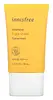
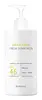
innisfree Intensive Triple Shield Sunscreen SPF 50+ PA+++ Versus Eunyul Daily Care Fresh Sunscreen SPF 46 PA+++
This mineral sunscreen covers the full UV range and blocks ~98% of UVB at SPF 50.
This chemical sunscreen covers the full UV range and blocks ~98% of UVB at SPF 46.

What's inside
What's inside
 Key Ingredients
Benefits
Concerns
Ingredients Side-by-side
Water
Skin ConditioningPropylheptyl Caprylate
EmollientTitanium Dioxide
Cosmetic Colorant

Zinc Oxide
Cosmetic Colorant
Cyclohexasiloxane
Emollient
Butylene Glycol Dicaprylate/Dicaprate
EmollientDisiloxane
Skin Conditioning
Butylene Glycol
Humectant

Polyglyceryl-5 Polyricinoleate
Emulsifying

Polymethylsilsesquioxane
Glycerin
Humectant
Caprylyl Methicone
Skin Conditioning
Dicaprylyl Ether
Emollient
Niacinamide
Smoothing








Disteardimonium Hectorite
StabilisingPolyglyceryl-3 Polydimethylsiloxyethyl Dimethicone
Skin Conditioning
Calcium Aluminum Borosilicate
Magnesium Sulfate
1,2-Hexanediol
Skin Conditioning
Triethoxycaprylylsilane
Octyldodecanol
Emollient
Parfum
Masking



Dicaprylyl Carbonate
EmollientCI 77492
Cosmetic ColorantCaprylyl Glycol
Emollient
Glyceryl Caprylate
EmollientMica
Cosmetic ColorantEthylhexylglycerin
Skin ConditioningAluminum Hydroxide
EmollientAdenosine
Skin Conditioning
CI 77491
Cosmetic ColorantEchium Plantagineum Seed Oil
Skin Conditioning
Boron Nitride
Absorbent
Sodium Hyaluronate
Humectant
Propylene Glycol Dicaprylate/Dicaprate
EmollientSaccharide Isomerate
Humectant
Propanediol
Solvent
CI 77499
Cosmetic ColorantTocopherol
Antioxidant

Helianthus Annuus Seed Oil Unsaponifiables
Emollient
Cardiospermum Halicacabum Flower/Leaf/Vine Extract
Skin ConditioningDimethicone/Vinyl Dimethicone Crosspolymer
Skin Conditioning
Oryza Sativa Bran Oil
Emollient
Lespedeza Capitata Leaf/Stem Extract
Skin ConditioningSodium Citrate
BufferingCitric Acid
Buffering
Water, Propylheptyl Caprylate, Titanium Dioxide, Zinc Oxide, Cyclohexasiloxane, Butylene Glycol Dicaprylate/Dicaprate, Disiloxane, Butylene Glycol, Polyglyceryl-5 Polyricinoleate, Polymethylsilsesquioxane, Glycerin, Caprylyl Methicone, Dicaprylyl Ether, Niacinamide, Disteardimonium Hectorite, Polyglyceryl-3 Polydimethylsiloxyethyl Dimethicone, Calcium Aluminum Borosilicate, Magnesium Sulfate, 1,2-Hexanediol, Triethoxycaprylylsilane, Octyldodecanol, Parfum, Dicaprylyl Carbonate, CI 77492, Caprylyl Glycol, Glyceryl Caprylate, Mica, Ethylhexylglycerin, Aluminum Hydroxide, Adenosine, CI 77491, Echium Plantagineum Seed Oil, Boron Nitride, Sodium Hyaluronate, Propylene Glycol Dicaprylate/Dicaprate, Saccharide Isomerate, Propanediol, CI 77499, Tocopherol, Helianthus Annuus Seed Oil Unsaponifiables, Cardiospermum Halicacabum Flower/Leaf/Vine Extract, Dimethicone/Vinyl Dimethicone Crosspolymer, Oryza Sativa Bran Oil, Lespedeza Capitata Leaf/Stem Extract, Sodium Citrate, Citric Acid
Water
Skin ConditioningEthylhexyl Methoxycinnamate
UV Absorber
Homosalate
Skin Conditioning
Ethylhexyl Salicylate
UV Absorber
Butylene Glycol
Humectant
Butyl Methoxydibenzoylmethane
UV Absorber
Silica
Abrasive
Bis-Ethylhexyloxyphenol Methoxyphenyl Triazine
UV Absorber
Butyloctyl Salicylate
Skin Conditioning
Glycerin
Humectant
Potassium Cetyl Phosphate
EmulsifyingAmmonium Polyacryloyldimethyl Taurate
Emulsion StabilisingSorbitan Oleate
Emulsifying
Sodium Hyaluronate
Humectant
Sodium Hyaluronate Crosspolymer
Humectant
Hydrolyzed Hyaluronic Acid
Humectant
Hyaluronic Acid
Humectant
Hydrolyzed Sodium Hyaluronate
Skin Conditioning
Cetraria Islandica Extract
CleansingHydrolyzed Coral
Skin ConditioningMacrocystis Pyrifera Extract
Skin Conditioning
Sargassum Muticum Extract
Skin ProtectingDimethicone
Emollient
Sodium Acrylate/Sodium Acryloyldimethyl Taurate Copolymer
Emulsion StabilisingIsohexadecane
EmollientDimethicone/Vinyl Dimethicone Crosspolymer
Skin Conditioning
Polysorbate 80
Emulsifying
Disodium EDTA
Panthenol
Skin Conditioning
Dipotassium Glycyrrhizate
Humectant
Ethylhexylglycerin
Skin Conditioning1,2-Hexanediol
Skin Conditioning
Chlorphenesin
Antimicrobial
Parfum
Masking
Limonene
Perfuming
Linalool
Perfuming
Butylphenyl Methylpropional
Perfuming
Water, Ethylhexyl Methoxycinnamate, Homosalate, Ethylhexyl Salicylate, Butylene Glycol, Butyl Methoxydibenzoylmethane, Silica, Bis-Ethylhexyloxyphenol Methoxyphenyl Triazine, Butyloctyl Salicylate, Glycerin, Potassium Cetyl Phosphate, Ammonium Polyacryloyldimethyl Taurate, Sorbitan Oleate, Sodium Hyaluronate, Sodium Hyaluronate Crosspolymer, Hydrolyzed Hyaluronic Acid, Hyaluronic Acid, Hydrolyzed Sodium Hyaluronate, Cetraria Islandica Extract, Hydrolyzed Coral, Macrocystis Pyrifera Extract, Sargassum Muticum Extract, Dimethicone, Sodium Acrylate/Sodium Acryloyldimethyl Taurate Copolymer, Isohexadecane, Dimethicone/Vinyl Dimethicone Crosspolymer, Polysorbate 80, Disodium EDTA, Panthenol, Dipotassium Glycyrrhizate, Ethylhexylglycerin, 1,2-Hexanediol, Chlorphenesin, Parfum, Limonene, Linalool, Butylphenyl Methylpropional
Reviews
Ingredients Explained
These ingredients are found in both products.
Ingredients higher up in an ingredient list are typically present in a larger amount.
1,2-Hexanediol is a synthetic liquid and another multi-functional powerhouse.
It is a:
- Humectant, drawing moisture into the skin
- Emollient, helping to soften skin
- Solvent, dispersing and stabilizing formulas
- Preservative booster, enhancing the antimicrobial activity of other preservatives
Butylene Glycol (or BG) is used within cosmetic products for a few different reasons:
Overall, Butylene Glycol is a safe and well-rounded ingredient that works well with other ingredients.
Though this ingredient works well with most skin types, some people with sensitive skin may experience a reaction such as allergic rashes, closed comedones, or itchiness.
Learn more about Butylene GlycolThis ingredient is a silicone elastomer that works as a texture enhancer, adds a silky slip, and also helps absorb excess oil.
Because it's a large macromolecule that's insoluble in water and chemically inert, it's not expected to penetrate or be absorbed into skin.
Human patch tests with a facial lotion containing 1% of this ingredient found no sensitization.
Learn more about Dimethicone/Vinyl Dimethicone CrosspolymerEthylhexylglycerin is created from glycerin. It is a multitasker ingredient that:
The CIR Expert Panel found minimal skin absorption or sensitization of any kind in a safety assessment. Though this ingredient is considered well-tolerated, a small number of cases of allergic dermatitis have been published since 2002. Just be sure to patch test if you are unsure.
Industry-reported use ranges from 8% in rinse-off products and 2% in leave-on formulations.
Learn more about EthylhexylglycerinGlycerin (or glycerol) is a compound naturally found in your skin. It's a powerhouse humectant that pulls water into the stratum corneum.
Topically, glycerin does several things at once:
Your skin makes glycerin on its own (mostly from sebaceous oil breakdown) and shuttles it to your outermost layer of skin, or your epidermis, via aquaporin-3.
Aquaporin-3 is a transporter that is essential for normal skin hydration, elasticity, and repair. Interestingly, mice lacking in AQP3 have dry and less elastic skin that can be fully corrected with glycerin.
This ingredient is non-irritating, plays well with almost every ingredient, and works across all skin types. Typical use is anywhere between 3-10% but can go up to 79% in some leave-on products.
Just know very high concentrations (>40%) can feel tacky in low humidity.
Glycerin is the name for this ingredient in American English. British English uses Glycerol/Glycerine.
Learn more about GlycerinParfum is a catch-all term for an ingredient or more that is used to give a scent to products.
Also called "fragrance", this ingredient can be a blend of hundreds of chemicals or plant oils. This means every product with "fragrance" or "parfum" in the ingredients list is a different mixture.
For instance, Habanolide is a proprietary trade name for a specific aroma chemical. When used as a fragrance ingredient in cosmetics, most aroma chemicals fall under the broad labeling category of “FRAGRANCE” or “PARFUM” according to EU and US regulations.
The term 'parfum' or 'fragrance' is not regulated in many countries. In many cases, it is up to the brand to define this term.
For instance, many brands choose to label themselves as "fragrance-free" because they are not using synthetic fragrances. However, their products may still contain ingredients such as essential oils that are considered a fragrance by INCI standards.
One example is Calendula flower extract. Calendula is an essential oil that still imparts a scent or 'fragrance'.
Depending on the blend, the ingredients in the mixture can cause allergies and sensitivities on the skin. Some ingredients that are known EU allergens include linalool and citronellol.
Parfum can also be used to mask or cover an unpleasant scent.
The bottom line is: not all fragrances/parfum/ingredients are created equally. If you are worried about fragrances, we recommend taking a closer look at an ingredient. And of course, we always recommend speaking with a professional.
Learn more about ParfumSodium Hyaluronate is the salt form of hyaluronic acid. It is a long sugar chain that is naturally found in your skin, joints, and connective tissue that maintains hydration and elasticity.
In skincare, it works as a humectant. It pulls water from the environment and deeper layers of skin and binds it to the surface.
Interestingly, the size of the molecule affects its behavior:
Some clinical evidence links low molecular weight versions to improved wrinkle depth, elasticity, anti-inflammatory effects, and barrier repair.
Many serums use a blend of both weights so you can get surface hydration plus longer-lasting and deeper effects.
You'll typically see concentrations between 0.1-2% for this ingredient.
Learn more about Sodium HyaluronateWater. It's the most common cosmetic ingredient of all. You'll usually see it at the top of ingredient lists, meaning that it makes up the largest part of the product.
So why is it so popular? Water most often acts as a solvent - this means that it helps dissolve other ingredients into the formulation.
You'll also recognize water as that liquid we all need to stay alive. If you see this, drink a glass of water. Remember to stay hydrated!
Learn more about Water

