innisfree Intensive Hydrating Cream with Green Tea Seed Versus Nature Republic Super Aqua Max Deep Moisture Sleeping Pack
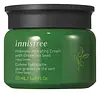
This moisturizer is formulated around Camellia Sinensis Seed Oil and Camellia Sinensis Leaf Extract to hydrate skin.
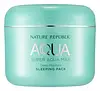
This hydrating overnight mask is formulated around Ulmus Davidiana Root Extract and Glycyrrhiza Glabra Root Extract to hydrate skin and calm redness.

What's inside
What's inside
 Key Ingredients
Benefits
Concerns
Ingredients Side-by-side
Water
Skin ConditioningPropanediol
Solvent

Glycerin
Humectant
Methyl Trimethicone
Skin Conditioning
Stearyl Dimethicone
Emollient
Butylene Glycol Dicaprylate/Dicaprate
EmollientPentaerythrityl Tetraethylhexanoate
Emollient
Camellia Sinensis Seed Oil
Humectant



Polymethylsilsesquioxane
Glyceryl Polymethacrylate
1,2-Hexanediol
Skin Conditioning
Octadecene
SolventHydroxyethyl Acrylate/Sodium Acryloyldimethyl Taurate Copolymer
Emulsion StabilisingPolyglyceryl-3 Methylglucose Distearate
Emulsifying
Glyceryl Stearate
Emollient
Hydrogenated Lecithin
Emulsifying
Cholesterol
Emollient
Carbomer
Emulsion StabilisingParfum
Masking



Tromethamine
BufferingCetearyl Alcohol
Emollient



Panthenol
Skin Conditioning
Xanthan Gum
EmulsifyingGlyceryl Caprylate
EmollientSodium Stearoyl Glutamate
CleansingDisodium EDTA
ChelatingEthylhexylglycerin
Skin ConditioningSorbitan Isostearate
Emulsifying
Camellia Sinensis Leaf Extract
Antimicrobial




Sodium Hyaluronate
Humectant
Dextrin
AbsorbentTheobroma Cacao Extract
Skin ConditioningTocopherol
Antioxidant

Water, Propanediol, Glycerin, Methyl Trimethicone, Stearyl Dimethicone, Butylene Glycol Dicaprylate/Dicaprate, Pentaerythrityl Tetraethylhexanoate, Camellia Sinensis Seed Oil, Polymethylsilsesquioxane, Glyceryl Polymethacrylate, 1,2-Hexanediol, Octadecene, Hydroxyethyl Acrylate/Sodium Acryloyldimethyl Taurate Copolymer, Polyglyceryl-3 Methylglucose Distearate, Glyceryl Stearate, Hydrogenated Lecithin, Cholesterol, Carbomer, Parfum, Tromethamine, Cetearyl Alcohol, Panthenol, Xanthan Gum, Glyceryl Caprylate, Sodium Stearoyl Glutamate, Disodium EDTA, Ethylhexylglycerin, Sorbitan Isostearate, Camellia Sinensis Leaf Extract, Sodium Hyaluronate, Dextrin, Theobroma Cacao Extract, Tocopherol
Water
Skin ConditioningCyclopentasiloxane
Emollient
Glycerin
Humectant
Cyclomethicone
Emollient
Dimethicone
Emollient
Dimethicone/Vinyl Dimethicone Crosspolymer
Skin Conditioning
Hydroxyethyl Acrylate/Sodium Acryloyldimethyl Taurate Copolymer
Emulsion StabilisingPiper Methysticum Leaf/Root/Stem Extract
Skin ConditioningUlmus Davidiana Root Extract
Skin Conditioning
Amaranthus Caudatus Seed Extract
Skin Conditioning
Portulaca Oleracea Extract
Skin Conditioning
Pueraria Lobata Root Extract
HumectantGlycyrrhiza Glabra Root Extract
Bleaching
Paeonia Lactiflora Extract
AstringentCnidium Officinale Root Extract
Skin ConditioningSargassum Muticum Extract
Skin ProtectingHypnea Musciformis Extract
Skin Protecting
Ulva Lactuca Extract
Skin ConditioningEcklonia Cava Extract
Skin Conditioning
Codium Tomentosum Extract
Skin ProtectingAgarum Cribrosum Extract
Skin ConditioningEnteromorpha Compressa Extract
Skin Protecting
Laminaria Japonica Extract
Skin Protecting
Dunaliella Salina Extract
Skin ConditioningSargassum Fulvellum Extract
Skin ConditioningPorphyra Yezoensis Extract
Skin ConditioningFucus Vesiculosus Extract
Emollient
Laminaria Saccharina Extract
Skin Protecting
Spirulina Maxima Extract
SmoothingJania Rubens Extract
Skin Conditioning
Gelidium Amansii Extract
Skin Conditioning
Macrocystis Pyrifera Extract
Skin Conditioning
Algae Extract
Emollient
Kjellmaniella Gyrata Extract
Skin ConditioningCodium Fragile Extract
Skin Conditioning
Laminaria Ochroleuca Extract
Skin Conditioning
Chlorella Vulgaris Extract
Skin ConditioningSargassum Fusiforme Extract
Skin Protecting
Salicornia Herbacea Extract
Skin ConditioningPikea Robusta Extract
Antioxidant
Hydrolyzed Algae Extract
Skin ConditioningHydrolyzed Ulva Lactuca Extract
Skin ConditioningHaematococcus Pluvialis Extract
Antioxidant
Laminaria Digitata Extract
Skin Protecting
Soluble Collagen
Humectant
Aloe Barbadensis Leaf Juice
Skin Conditioning
Sodium Hyaluronate
Humectant
Hydrogenated Lecithin
Emulsifying
Squalane
Emollient
1,2-Hexanediol
Skin Conditioning
Carbomer
Emulsion StabilisingTriethanolamine
BufferingPolysorbate 20
Emulsifying
PEG-10 Dimethicone
Skin Conditioning
Polysorbate 60
Emulsifying
Sea Water
HumectantDipotassium Glycyrrhizate
Humectant
Ethylhexylglycerin
Skin ConditioningBetaine
Humectant
Lactobacillus/Algae Extract Ferment
Skin ProtectingMacrocystis Pyrifera Protein
Skin ConditioningAlgae Oligosaccharides
Skin ConditioningChlorella Ferment
Skin Conditioning
Xanthan Gum
EmulsifyingParfum
Masking
Phenoxyethanol
Preservative
CI 19140
Cosmetic ColorantCI 42090
Cosmetic ColorantWater, Cyclopentasiloxane, Glycerin, Cyclomethicone, Dimethicone, Dimethicone/Vinyl Dimethicone Crosspolymer, Hydroxyethyl Acrylate/Sodium Acryloyldimethyl Taurate Copolymer, Piper Methysticum Leaf/Root/Stem Extract, Ulmus Davidiana Root Extract, Amaranthus Caudatus Seed Extract, Portulaca Oleracea Extract, Pueraria Lobata Root Extract, Glycyrrhiza Glabra Root Extract, Paeonia Lactiflora Extract, Cnidium Officinale Root Extract, Sargassum Muticum Extract, Hypnea Musciformis Extract, Ulva Lactuca Extract, Ecklonia Cava Extract, Codium Tomentosum Extract, Agarum Cribrosum Extract, Enteromorpha Compressa Extract, Laminaria Japonica Extract, Dunaliella Salina Extract, Sargassum Fulvellum Extract, Porphyra Yezoensis Extract, Fucus Vesiculosus Extract, Laminaria Saccharina Extract, Spirulina Maxima Extract, Jania Rubens Extract, Gelidium Amansii Extract, Macrocystis Pyrifera Extract, Algae Extract, Kjellmaniella Gyrata Extract, Codium Fragile Extract, Laminaria Ochroleuca Extract, Chlorella Vulgaris Extract, Sargassum Fusiforme Extract, Salicornia Herbacea Extract, Pikea Robusta Extract, Hydrolyzed Algae Extract, Hydrolyzed Ulva Lactuca Extract, Haematococcus Pluvialis Extract, Laminaria Digitata Extract, Soluble Collagen, Aloe Barbadensis Leaf Juice, Sodium Hyaluronate, Hydrogenated Lecithin, Squalane, 1,2-Hexanediol, Carbomer, Triethanolamine, Polysorbate 20, PEG-10 Dimethicone, Polysorbate 60, Sea Water, Dipotassium Glycyrrhizate, Ethylhexylglycerin, Betaine, Lactobacillus/Algae Extract Ferment, Macrocystis Pyrifera Protein, Algae Oligosaccharides, Chlorella Ferment, Xanthan Gum, Parfum, Phenoxyethanol, CI 19140, CI 42090
Reviews
Ingredients Explained
These ingredients are found in both products.
Ingredients higher up in an ingredient list are typically present in a larger amount.
1,2-Hexanediol is a synthetic liquid and another multi-functional powerhouse.
It is a:
- Humectant, drawing moisture into the skin
- Emollient, helping to soften skin
- Solvent, dispersing and stabilizing formulas
- Preservative booster, enhancing the antimicrobial activity of other preservatives
Carbomer is a synthetic thickening and gelling agent. It's basically the ingredient that gives a lot of serums, gels, creams, and sunscreens their smooth, non-sticky texture.
Although legally permitted at very high levels, carbomers are normally used at concentrations below 1%.
It also needs to be neutralized to actually thicken, and because it is a large molecule, it doesn't really penetrate the skin barrier.
Allergy-wise, the risk is very low. Clinical studies show carbomers have low potential for skin irritation/sensitization even at concentrations up to 100%.
A 2024 UK study patch-tested 1,302 patients and found true allergy to the parent group of carbomer to be rare with no confirmed relevant reactions.
Learn more about CarbomerEthylhexylglycerin is created from glycerin. It is a multitasker ingredient that:
The CIR Expert Panel found minimal skin absorption or sensitization of any kind in a safety assessment. Though this ingredient is considered well-tolerated, a small number of cases of allergic dermatitis have been published since 2002. Just be sure to patch test if you are unsure.
Industry-reported use ranges from 8% in rinse-off products and 2% in leave-on formulations.
Learn more about EthylhexylglycerinGlycerin (or glycerol) is a compound naturally found in your skin. It's a powerhouse humectant that pulls water into the stratum corneum.
Topically, glycerin does several things at once:
Your skin makes glycerin on its own (mostly from sebaceous oil breakdown) and shuttles it to your outermost layer of skin, or your epidermis, via aquaporin-3.
Aquaporin-3 is a transporter that is essential for normal skin hydration, elasticity, and repair. Interestingly, mice lacking in AQP3 have dry and less elastic skin that can be fully corrected with glycerin.
This ingredient is non-irritating, plays well with almost every ingredient, and works across all skin types. Typical use is anywhere between 3-10% but can go up to 79% in some leave-on products.
Just know very high concentrations (>40%) can feel tacky in low humidity.
Glycerin is the name for this ingredient in American English. British English uses Glycerol/Glycerine.
Learn more about GlycerinHydrogenated Lecithin is a more stable version of lecithin.
It's made by taking lecithin (a phospholipid commonly found in soybeans and egg yolks) and hydrogenating it. This just means the unsaturated fatty acids are turned into saturated ones so they don't go bad as easily.
This ingredient is an emollient, emulsifier, and penetration enhancer. As an emollient, it helps soften and hydrate skin by trapping moisture within. As an emulsifier, it prevents oil and water ingredients from separating.
Hydrogenated Lecithin can form tiny spherical structures made of phospholipid bilayers called liposomes. These liposomes are able to capture compounds inside their structure and deliver them through the skin barrier.
Because phospholipids are a natural component of our cell membranes, this ingredient is inherently compatible with skin.
A 2021 study found lecithin-based surfactants were less harsh and more tolerable comared to Sodium Lauryl Sulfate (SLS).
Learn more about Hydrogenated LecithinThis is a synthetic polymer. It helps improve the texture of products by adding thickness and gel-like feel.
It is also an emulsifer, meaning it prevents ingredients such as oil and water from separating. It also helps evenly disperse other ingredients.
Parfum is a catch-all term for an ingredient or more that is used to give a scent to products.
Also called "fragrance", this ingredient can be a blend of hundreds of chemicals or plant oils. This means every product with "fragrance" or "parfum" in the ingredients list is a different mixture.
For instance, Habanolide is a proprietary trade name for a specific aroma chemical. When used as a fragrance ingredient in cosmetics, most aroma chemicals fall under the broad labeling category of “FRAGRANCE” or “PARFUM” according to EU and US regulations.
The term 'parfum' or 'fragrance' is not regulated in many countries. In many cases, it is up to the brand to define this term.
For instance, many brands choose to label themselves as "fragrance-free" because they are not using synthetic fragrances. However, their products may still contain ingredients such as essential oils that are considered a fragrance by INCI standards.
One example is Calendula flower extract. Calendula is an essential oil that still imparts a scent or 'fragrance'.
Depending on the blend, the ingredients in the mixture can cause allergies and sensitivities on the skin. Some ingredients that are known EU allergens include linalool and citronellol.
Parfum can also be used to mask or cover an unpleasant scent.
The bottom line is: not all fragrances/parfum/ingredients are created equally. If you are worried about fragrances, we recommend taking a closer look at an ingredient. And of course, we always recommend speaking with a professional.
Learn more about ParfumSodium Hyaluronate is the salt form of hyaluronic acid. It is a long sugar chain that is naturally found in your skin, joints, and connective tissue that maintains hydration and elasticity.
In skincare, it works as a humectant. It pulls water from the environment and deeper layers of skin and binds it to the surface.
Interestingly, the size of the molecule affects its behavior:
Some clinical evidence links low molecular weight versions to improved wrinkle depth, elasticity, anti-inflammatory effects, and barrier repair.
Many serums use a blend of both weights so you can get surface hydration plus longer-lasting and deeper effects.
You'll typically see concentrations between 0.1-2% for this ingredient.
Learn more about Sodium HyaluronateWater. It's the most common cosmetic ingredient of all. You'll usually see it at the top of ingredient lists, meaning that it makes up the largest part of the product.
So why is it so popular? Water most often acts as a solvent - this means that it helps dissolve other ingredients into the formulation.
You'll also recognize water as that liquid we all need to stay alive. If you see this, drink a glass of water. Remember to stay hydrated!
Learn more about WaterXanthan gum is used as a stabilizer and thickener within cosmetic products. It helps give products a sticky, thick feeling - preventing them from being too runny.
On the technical side of things, xanthan gum is a polysaccharide - a combination consisting of multiple sugar molecules bonded together.
Xanthan gum is a pretty common and great ingredient. It is a natural, non-toxic, non-irritating ingredient that is also commonly used in food products.
Learn more about Xanthan Gum

